The WILD HEART OF Botswana:
THe CHOBE, THE OKAVANGO DELTA, and the KALAHARI
Roughly the size of Texas, the country of Botswana holds three landscapes that have almost nothing in common with each other: a river thick with elephants, a wetland that flows the wrong direction, and a desert dry enough to test anything that tries to live there. This trip runs through all three, back-to-back, because that's the only way to actually see what makes this country different from every other safari destination on the continent.
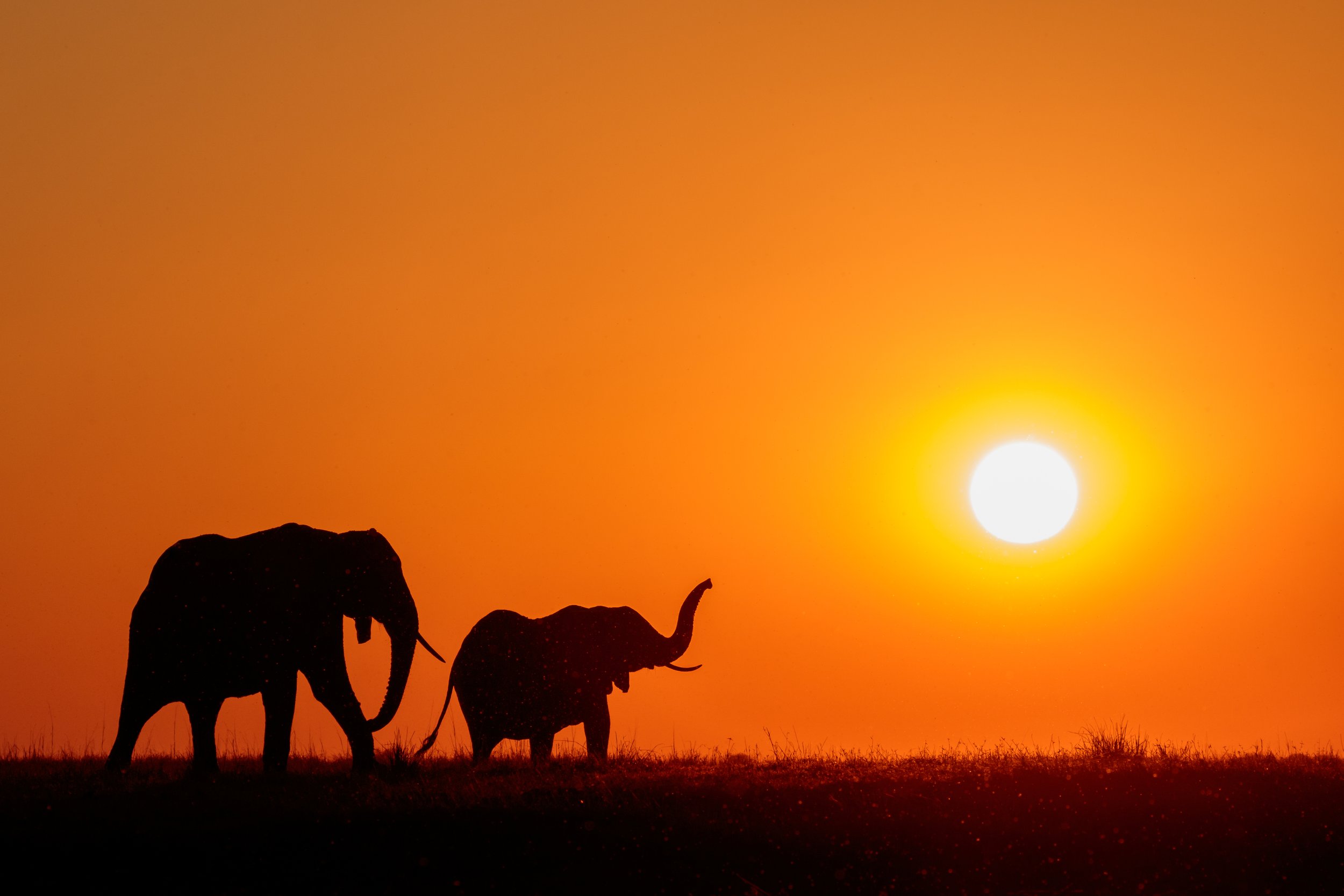
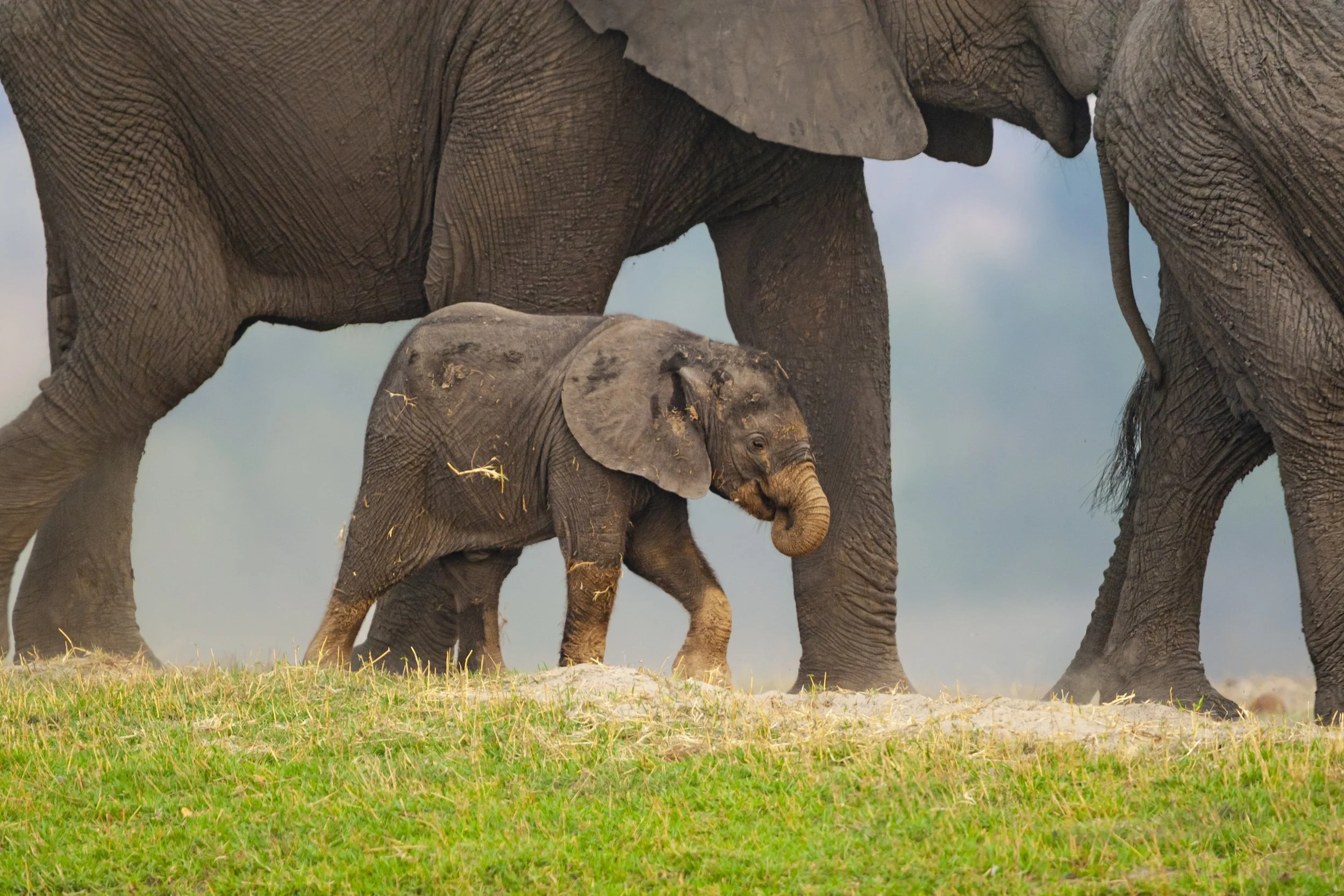
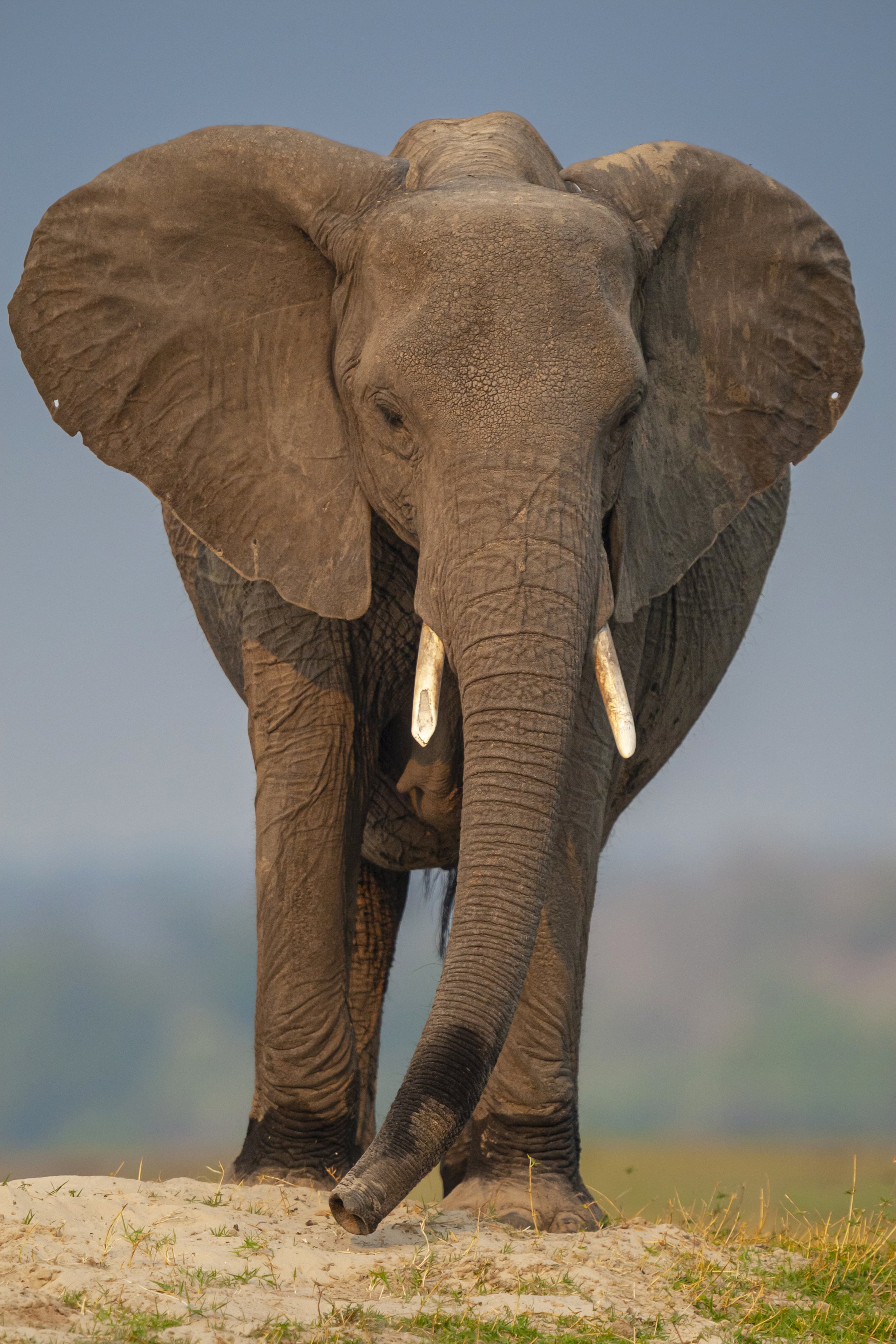
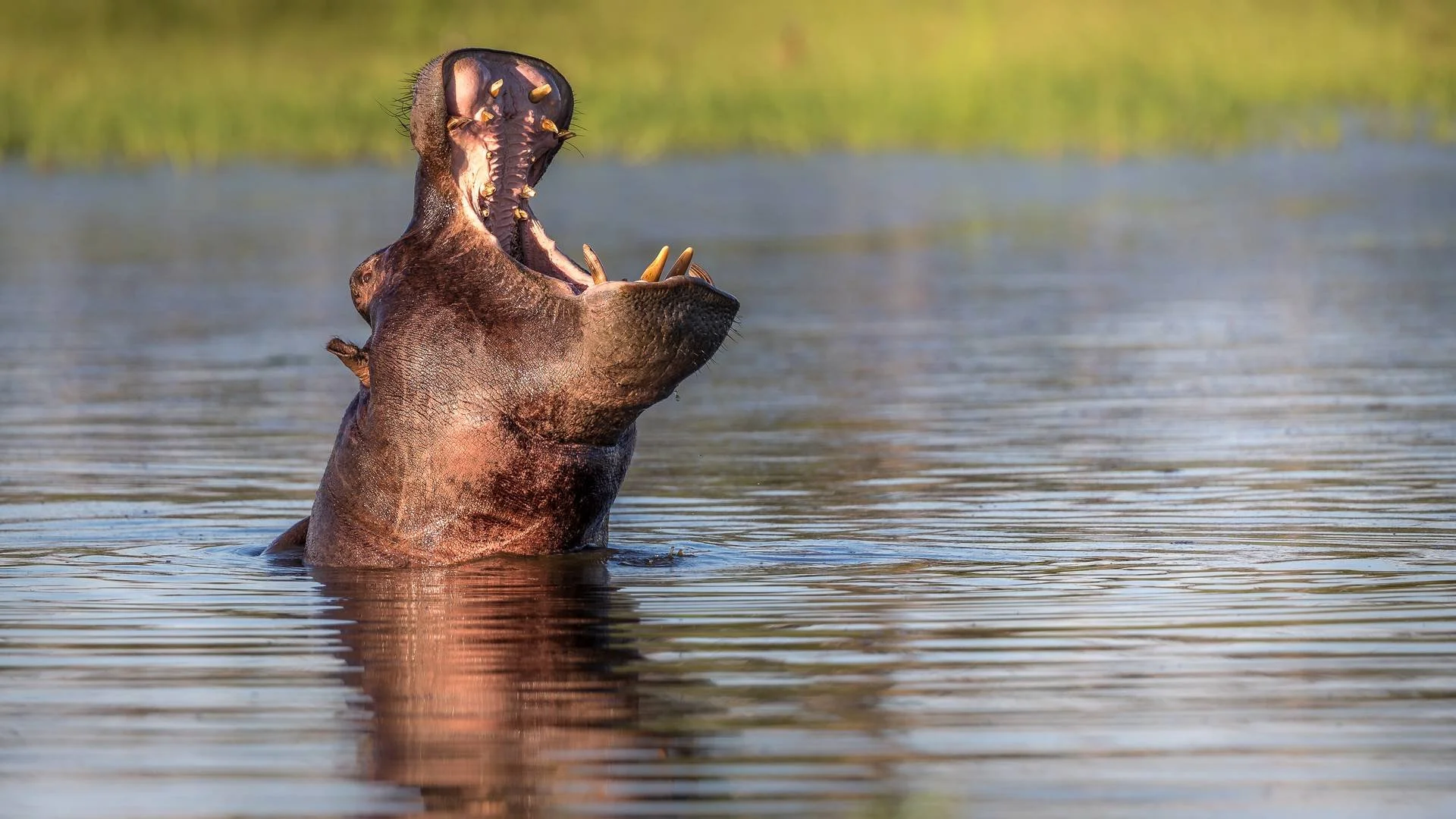
We start on the Chobe River, where the water does the heavy lifting that most safaris leave to chance. Elephants gather here by the thousand, family herds stacking up along the bank in numbers that are hard to believe until you're sitting in a boat watching it happen in real time. Hippos hold their pools, crocodiles hold their patience, and Africa's densest concentration of fish eagles calls out from every dead tree along the water. Photographed low and close from a custom boat outfitted with custom gimbal-head setups and the ability to get water level, the Chobe stops being a place you visited and turns into a place you remember the sound of.
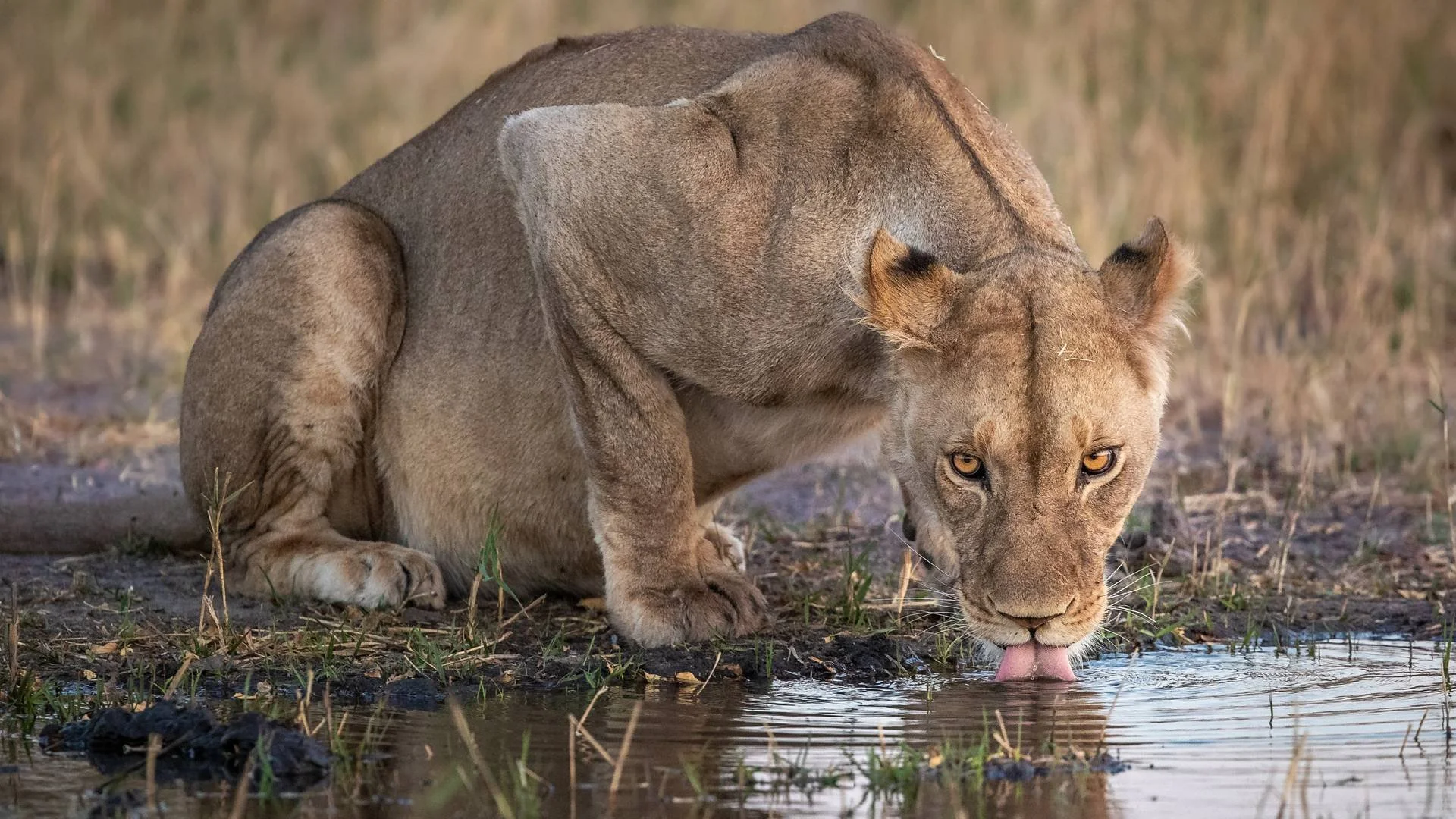
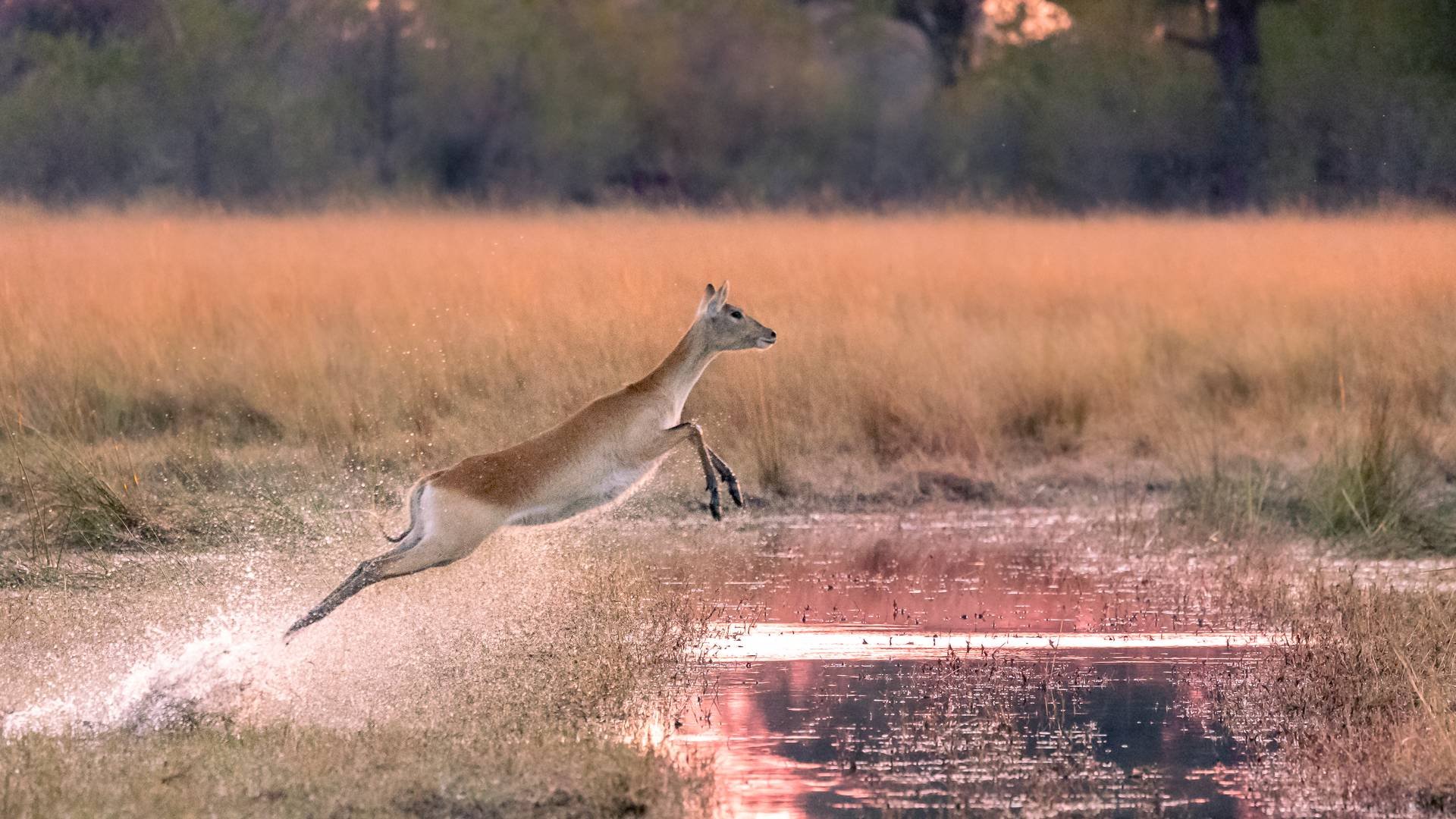
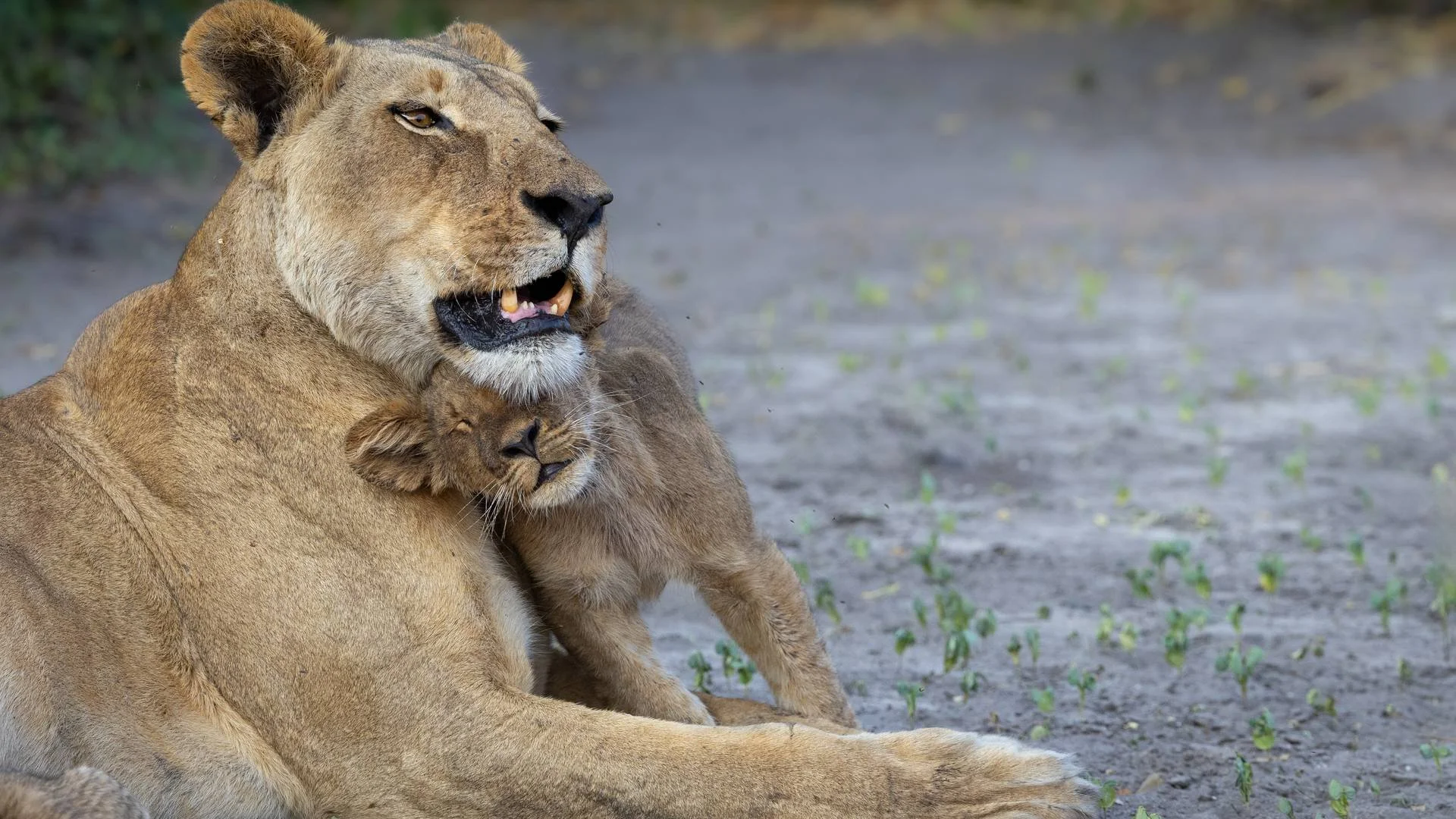
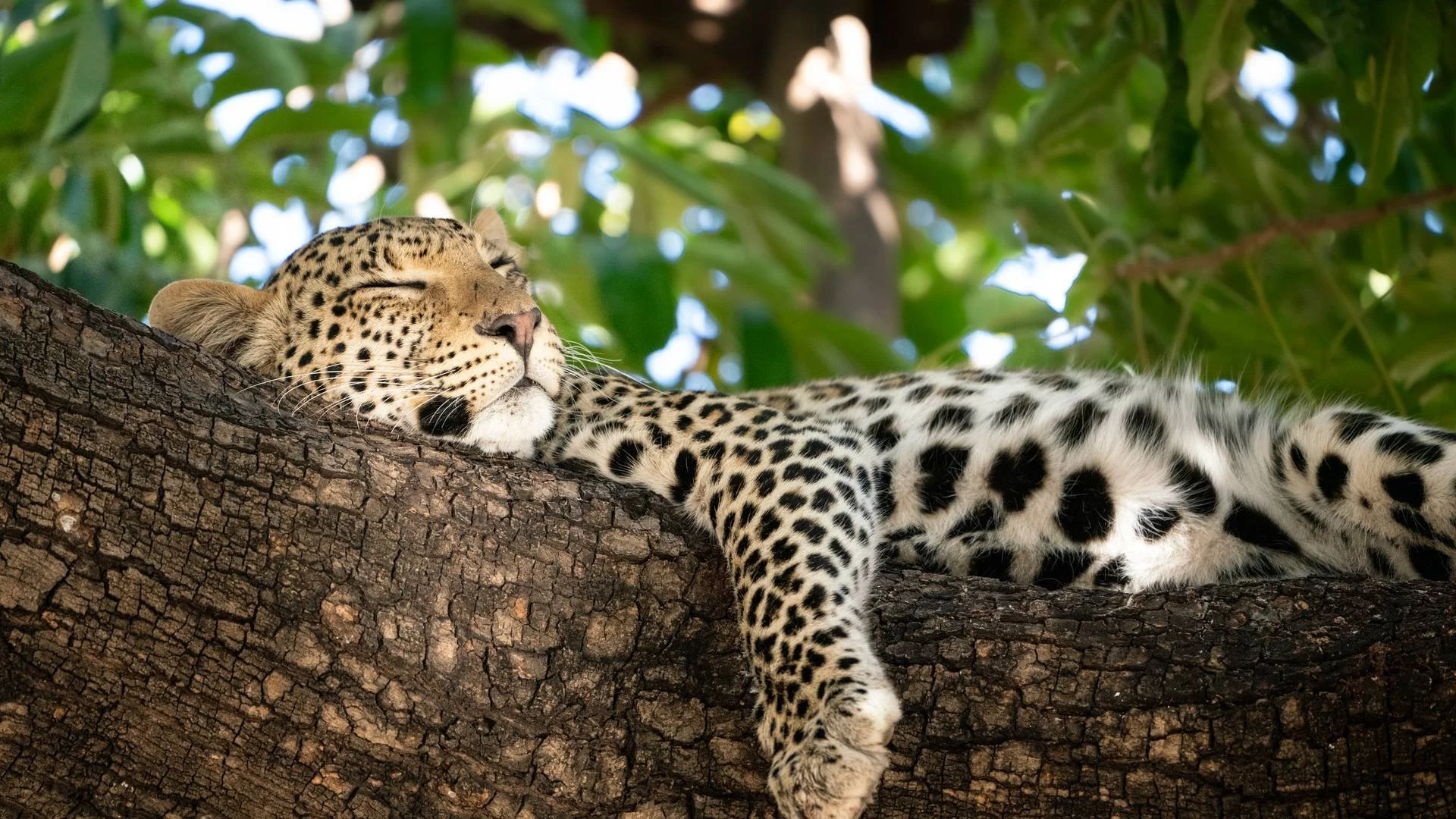
From there we fly into the Okavango Delta, a genuine hydrological oddity. Rain that falls in the Angolan highlands travels south for months, spreads into a fan of channels and islands the size of a small country, and evaporates into the sand instead of ever reaching an ocean. Lions and leopards move through this maze of palm islands and papyrus with the calm of animals that have simply never had a reason to run from a vehicle, and a doors-off helicopter flight over the floodplain will permanently recalibrate how you think about scale in a landscape photograph. Every photographer will have a chance to photograph the wildlife from overhead, significantly expanding the portfolio of images you’ll head home with.
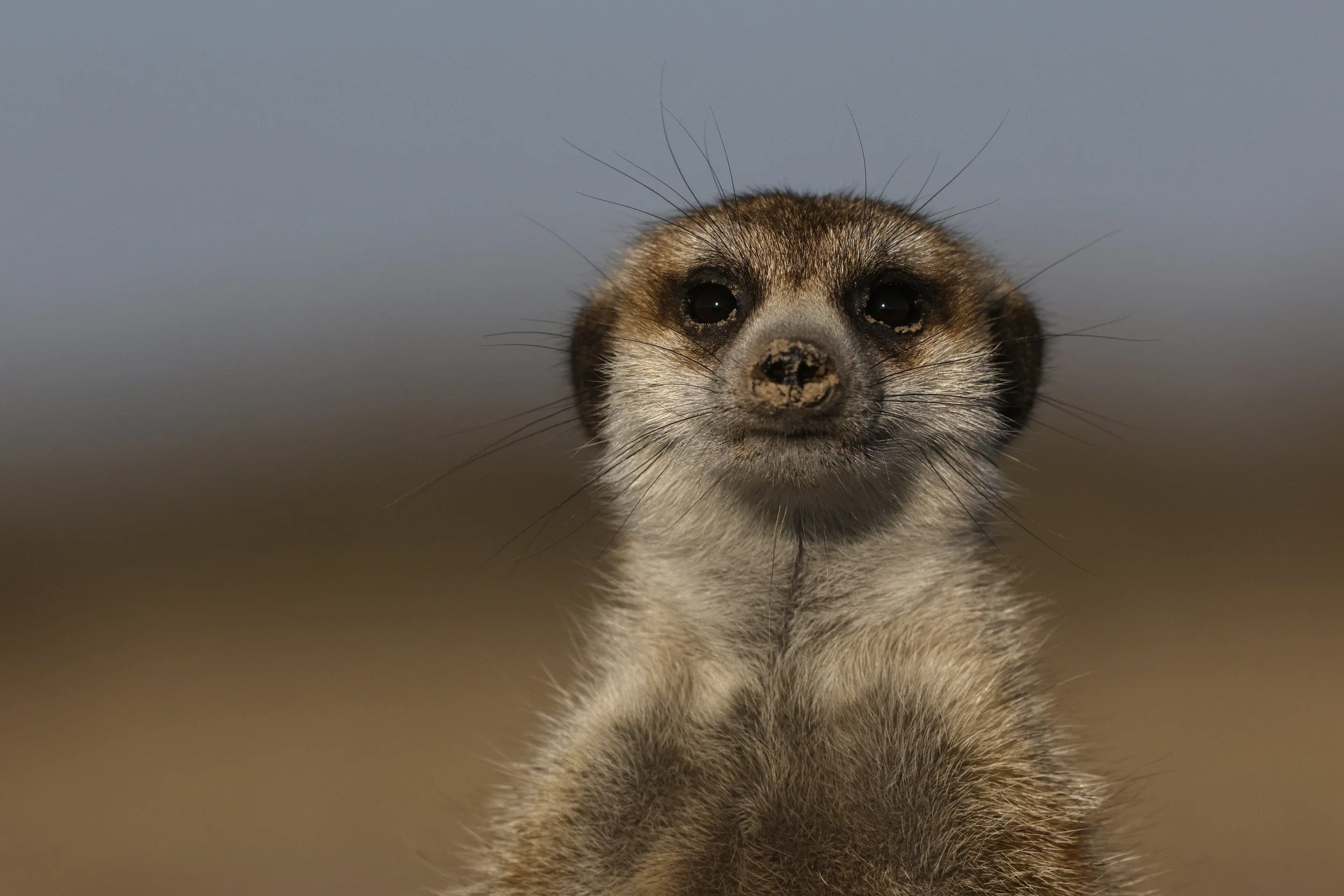
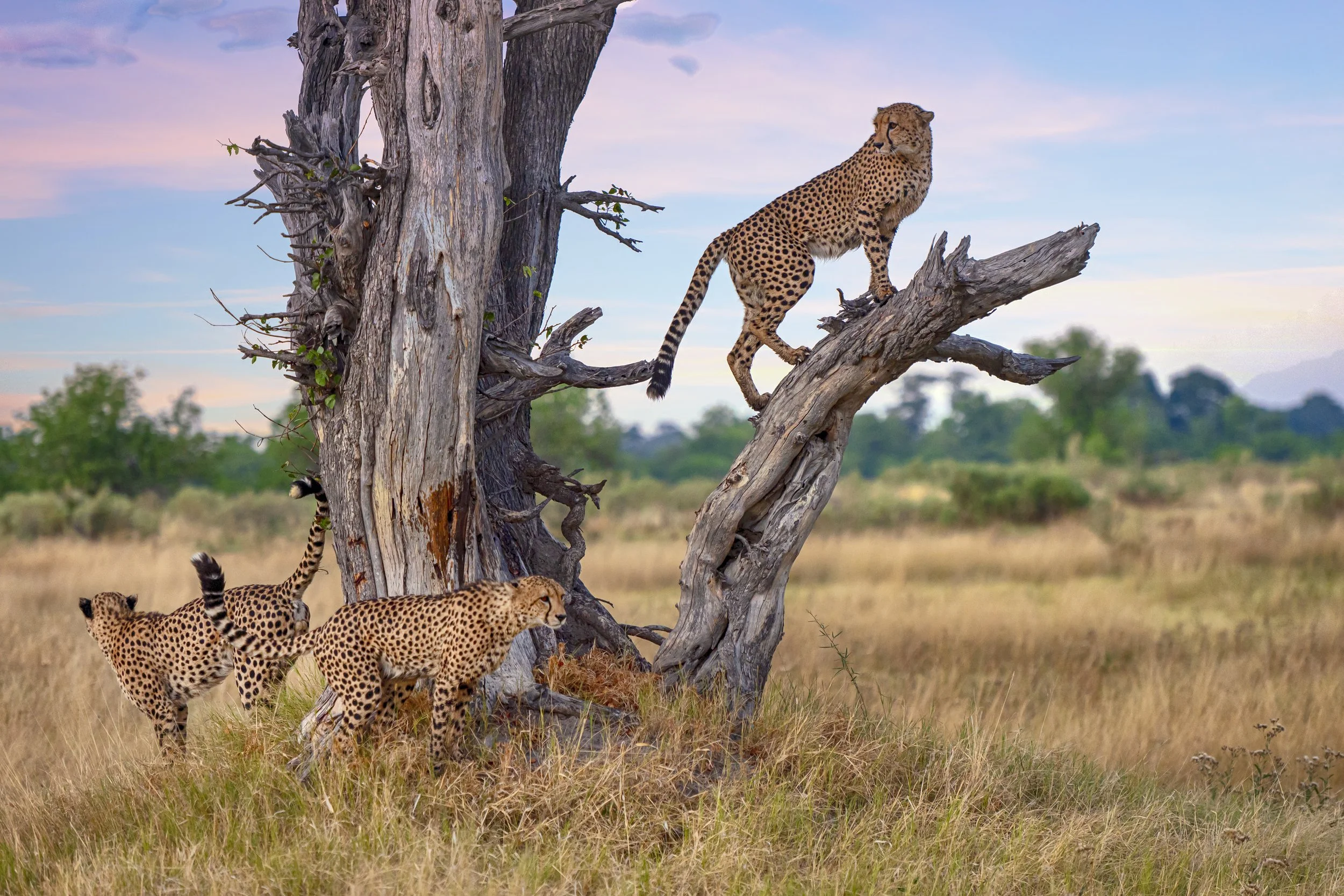
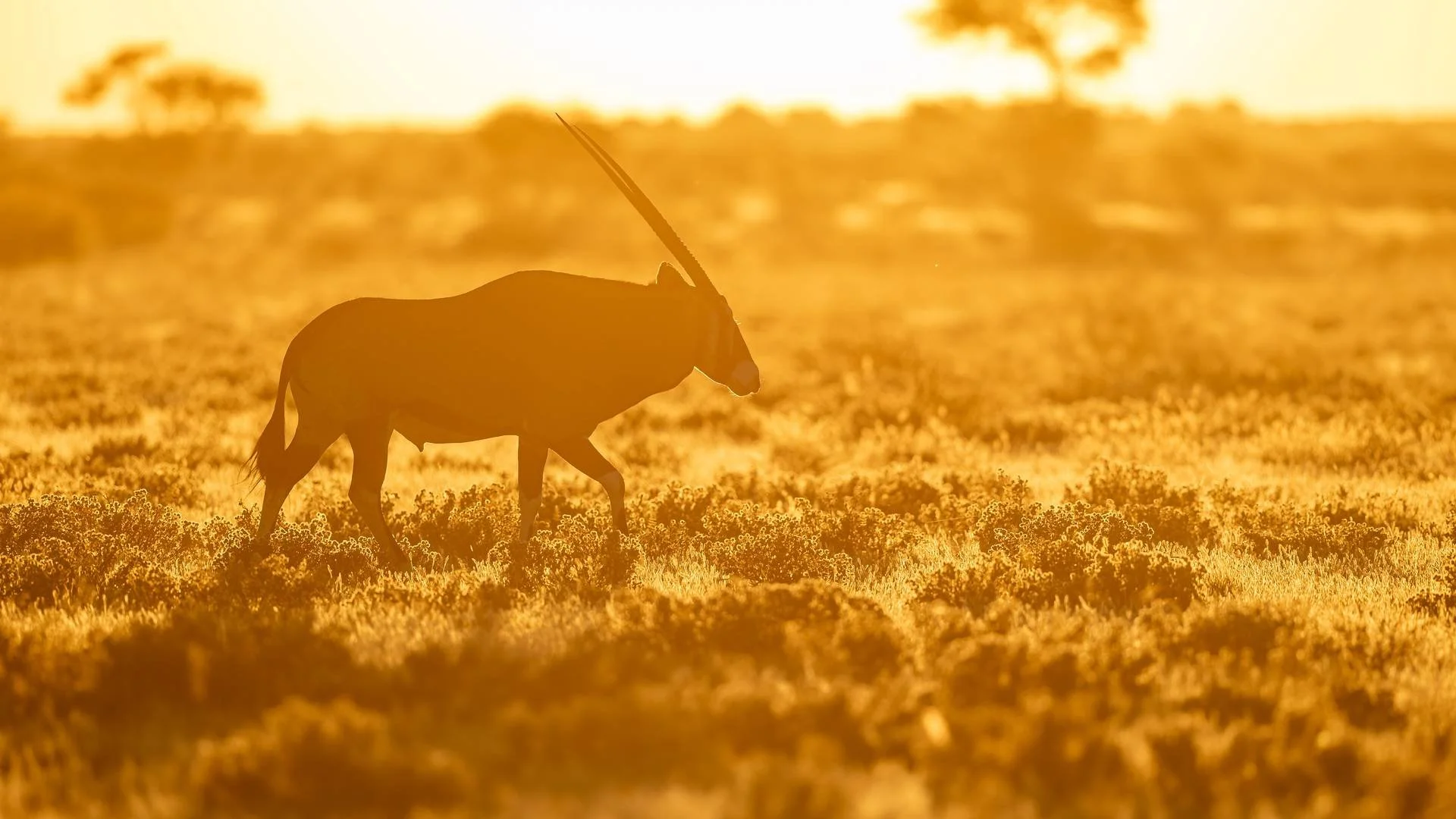
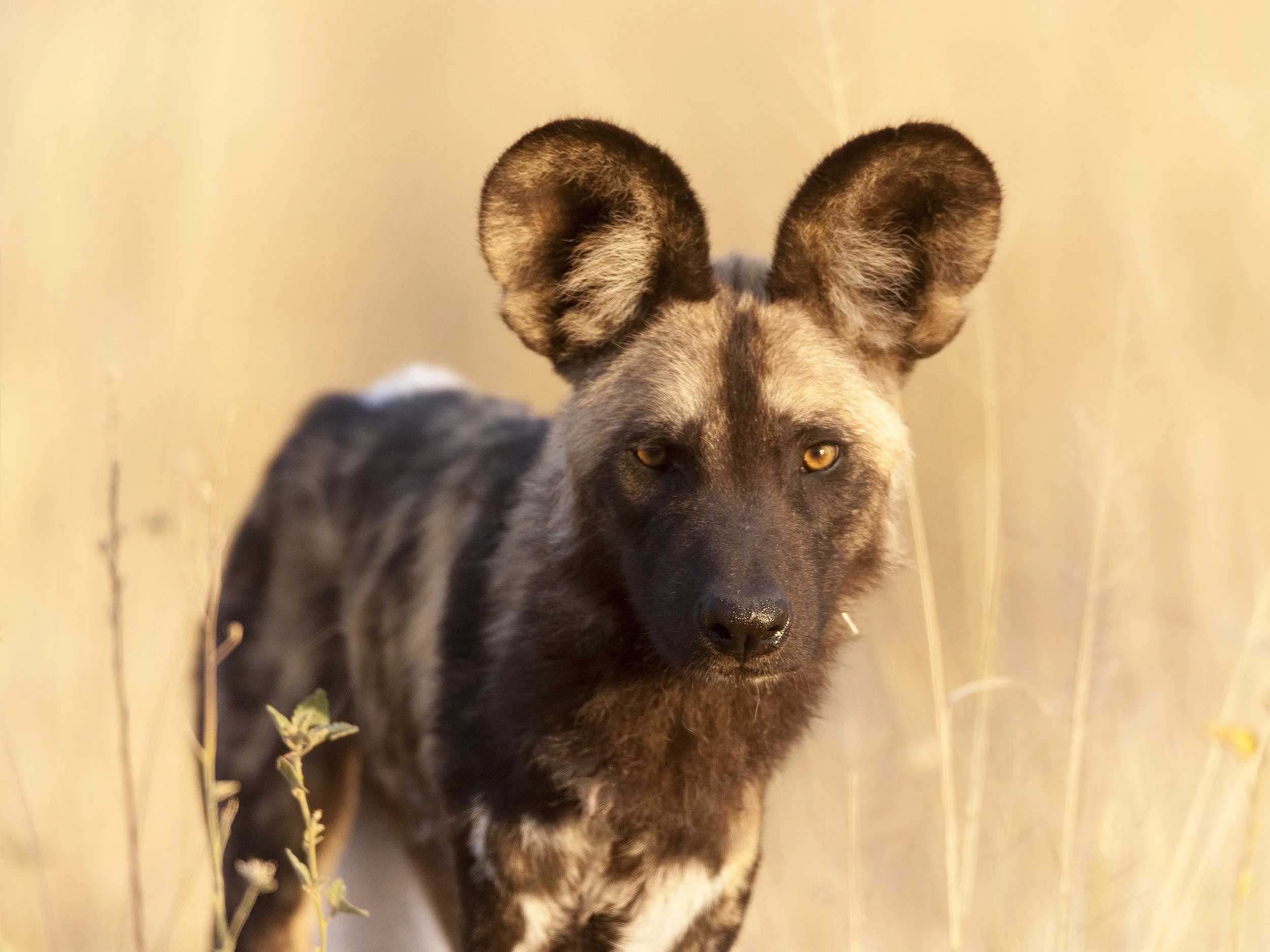
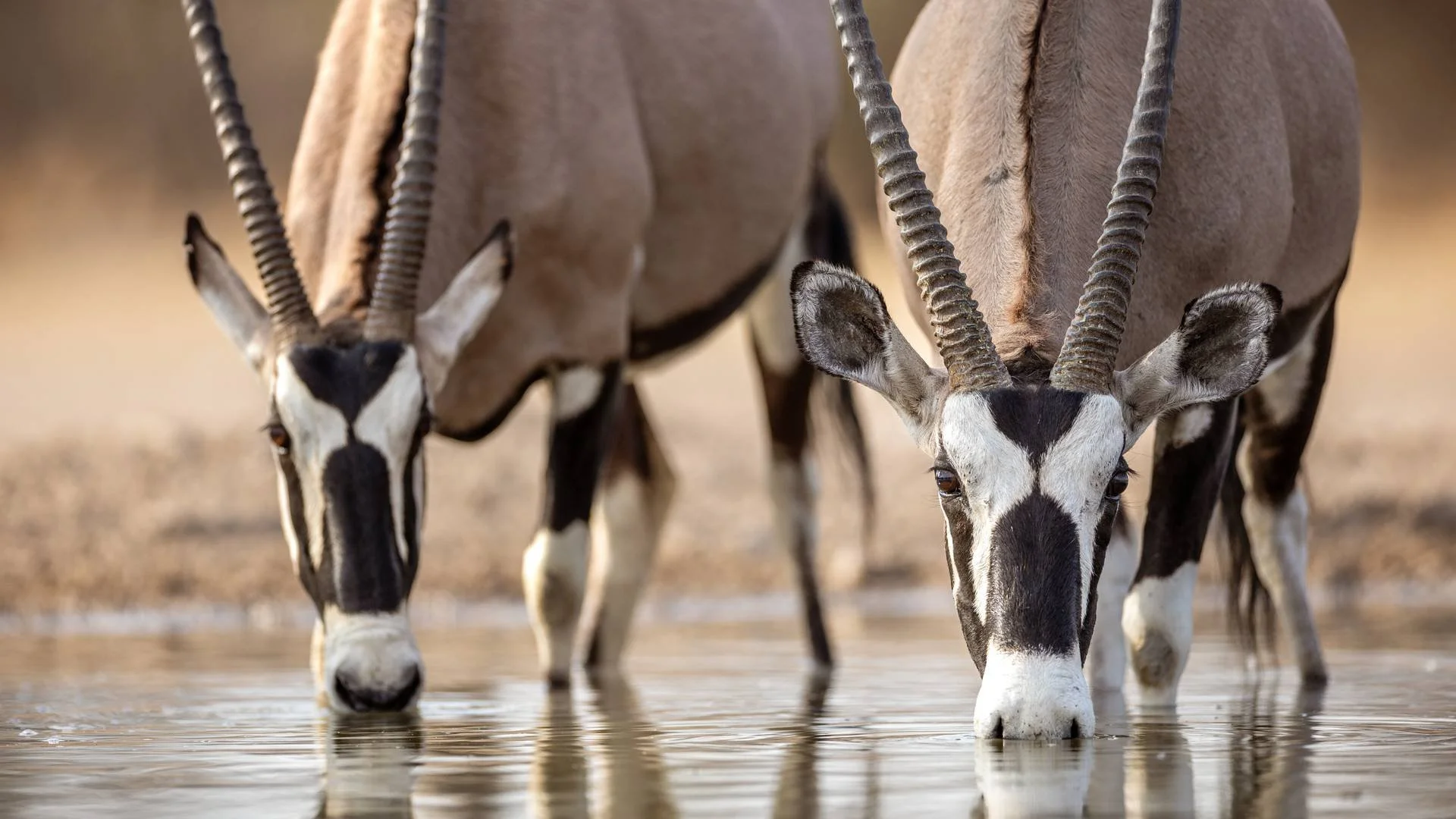
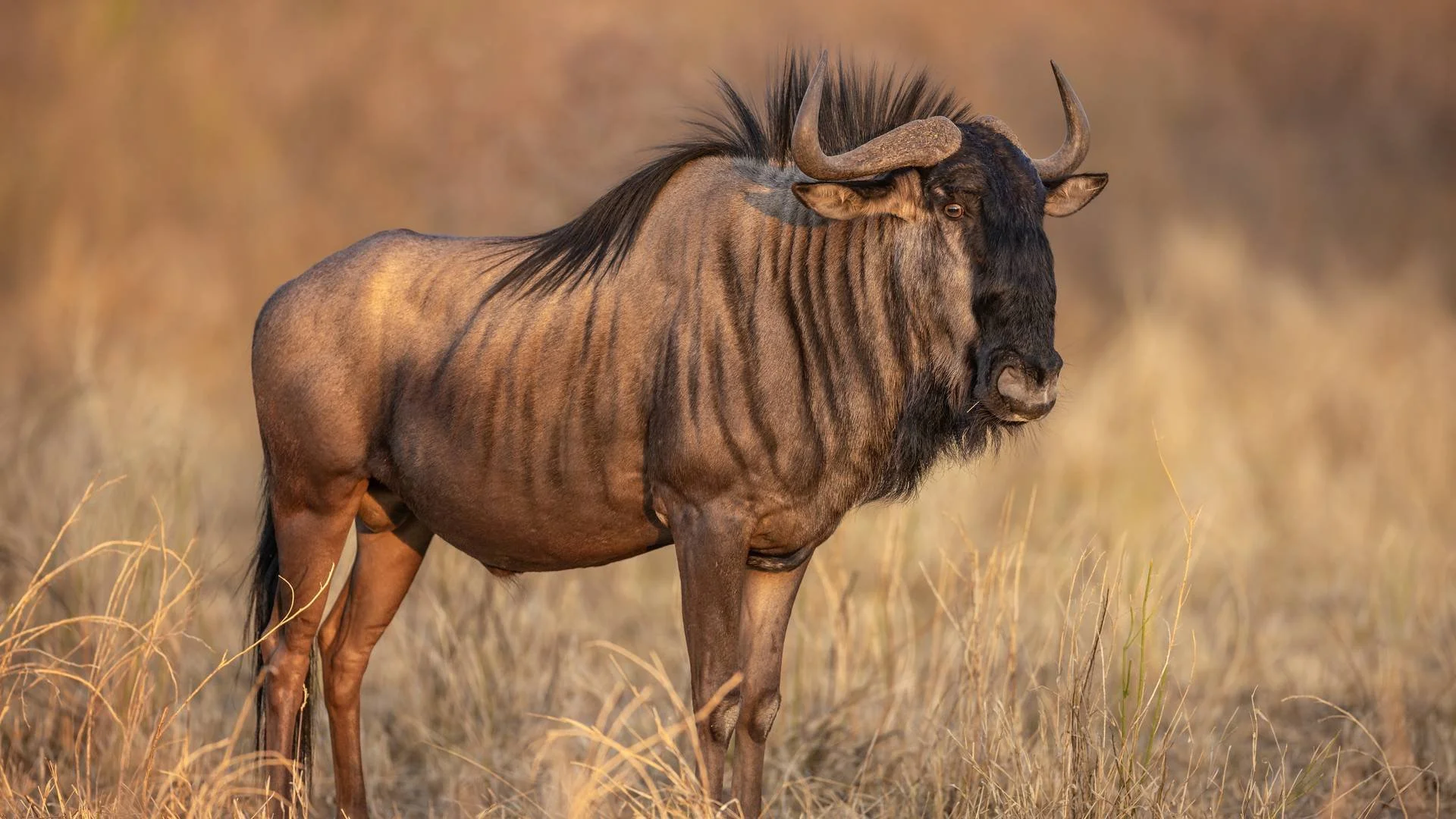
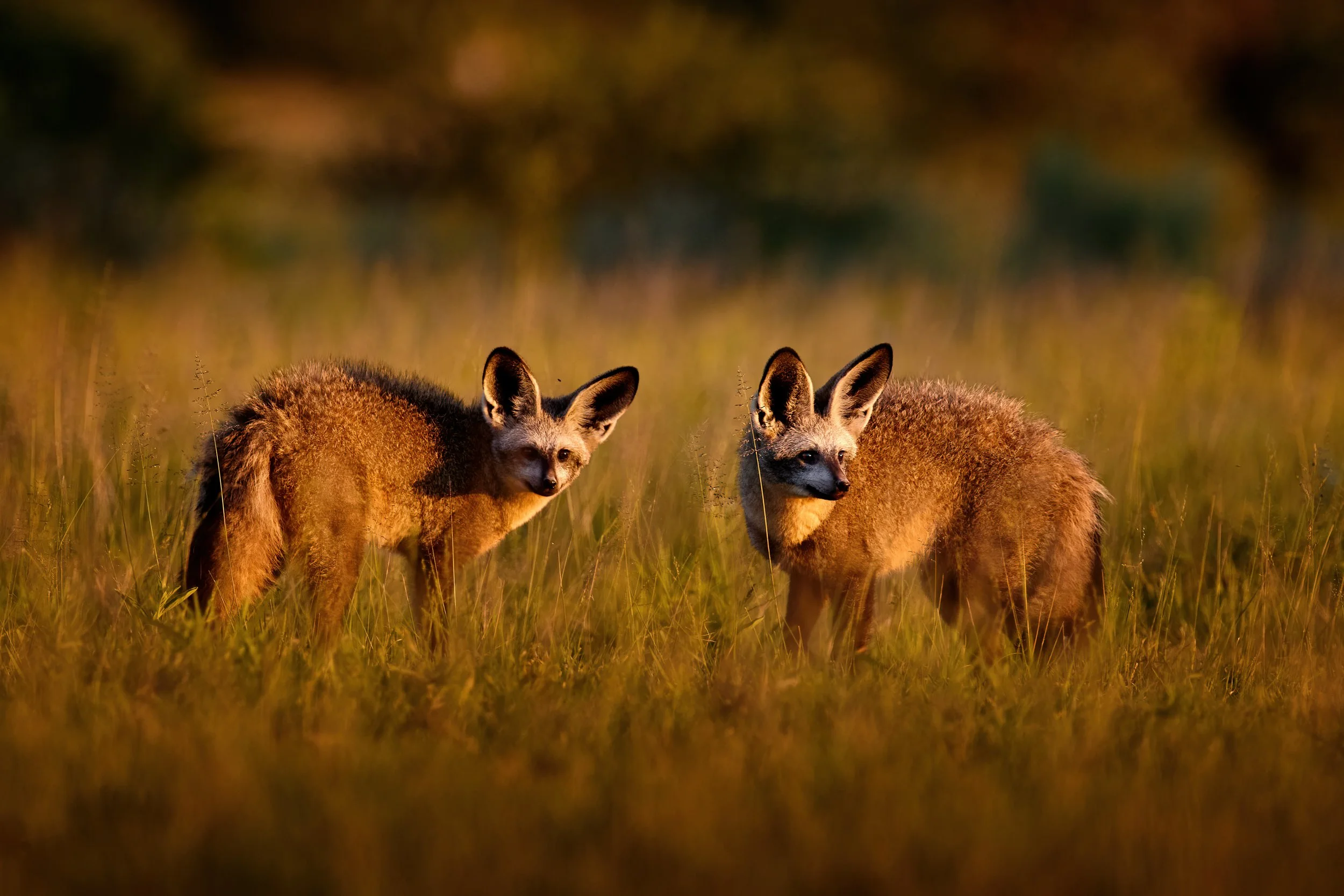
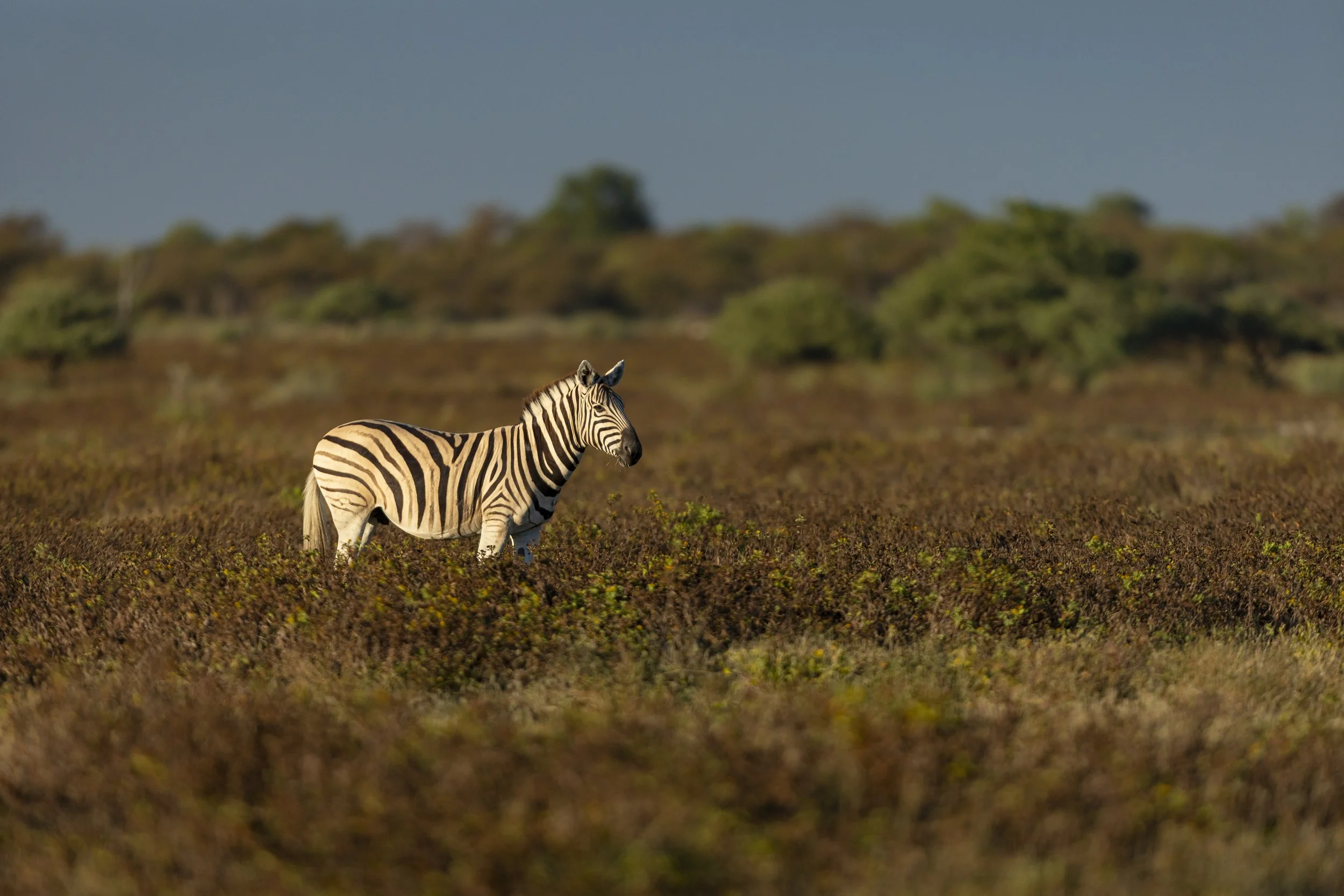
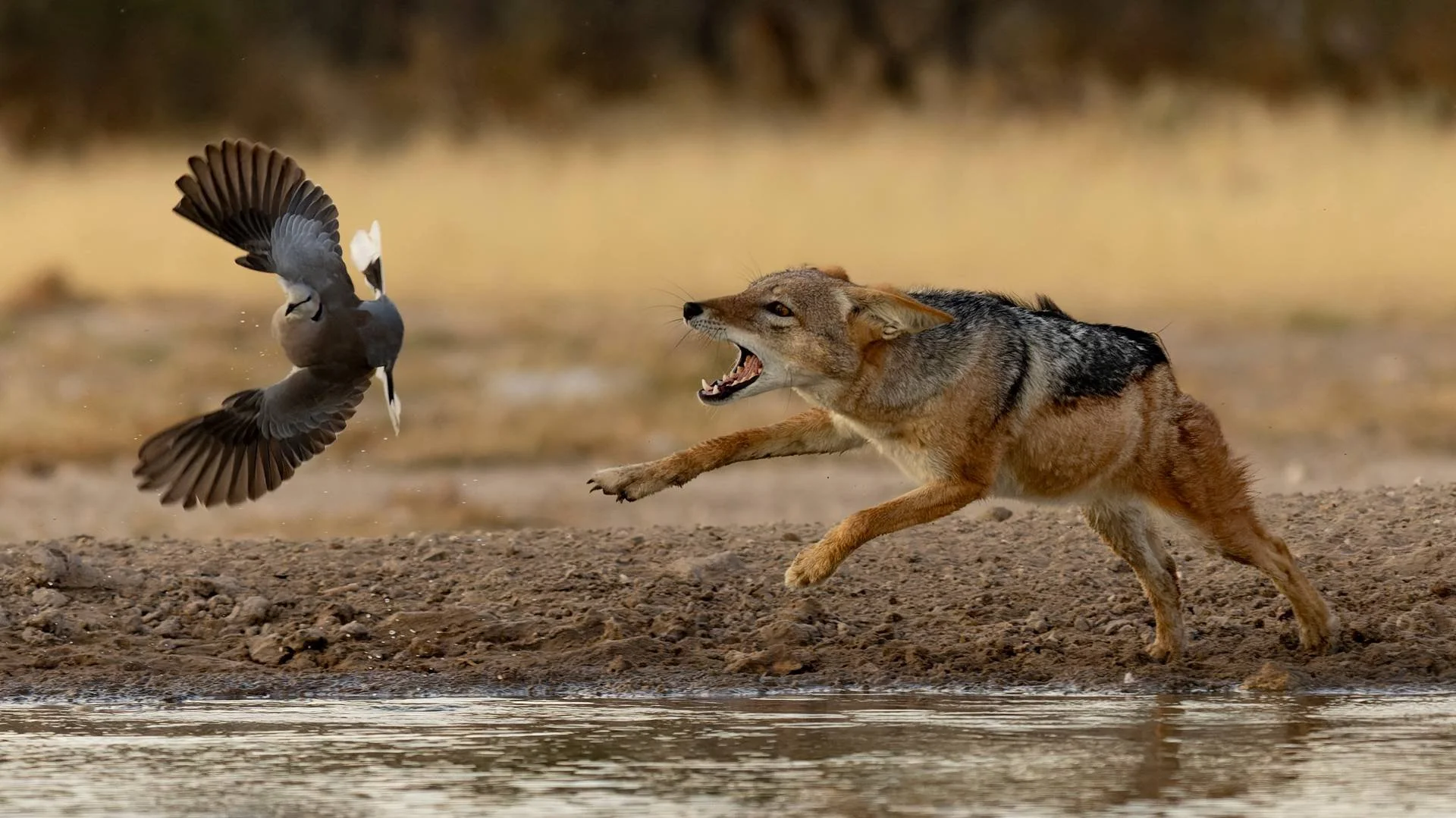
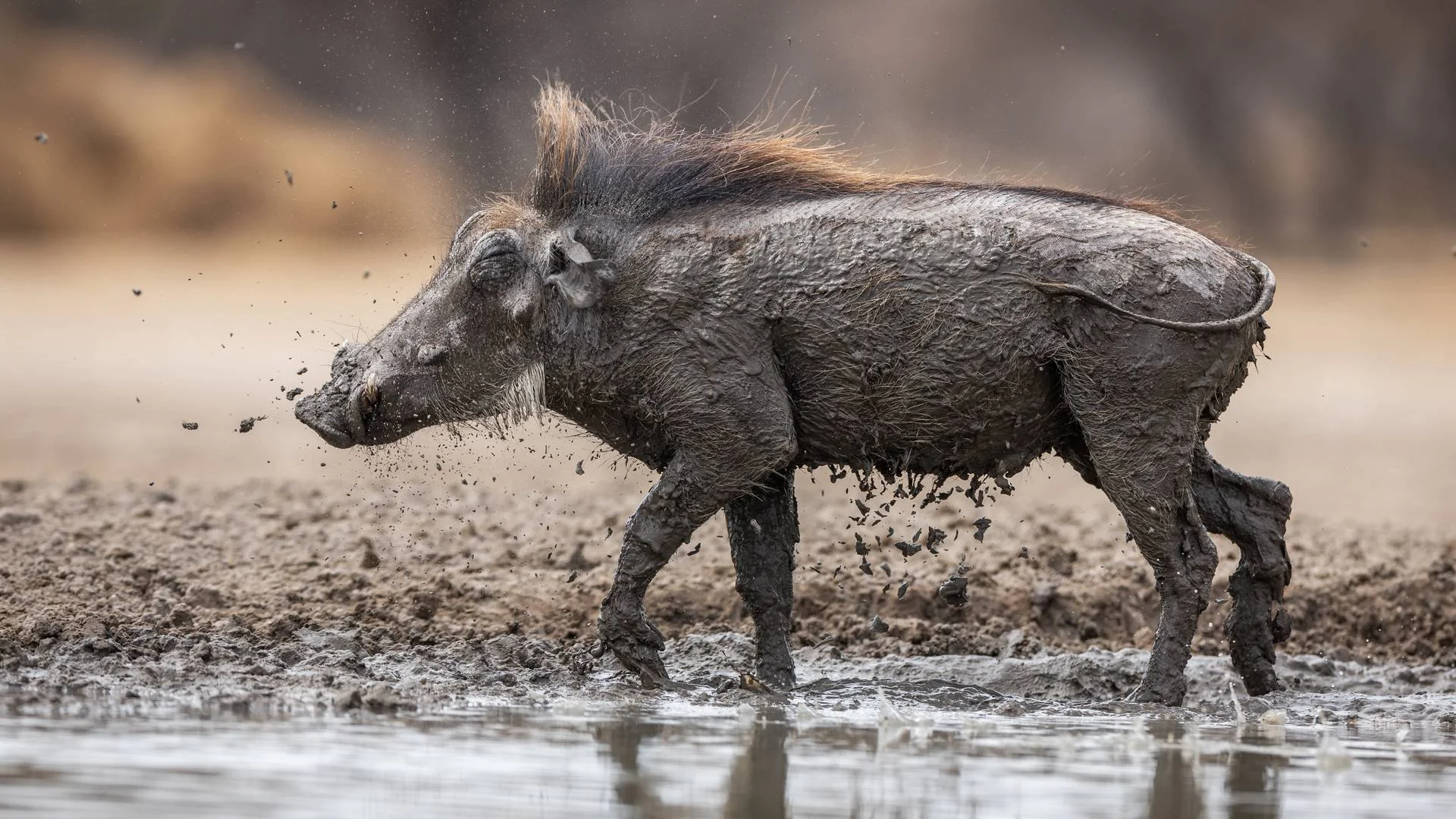
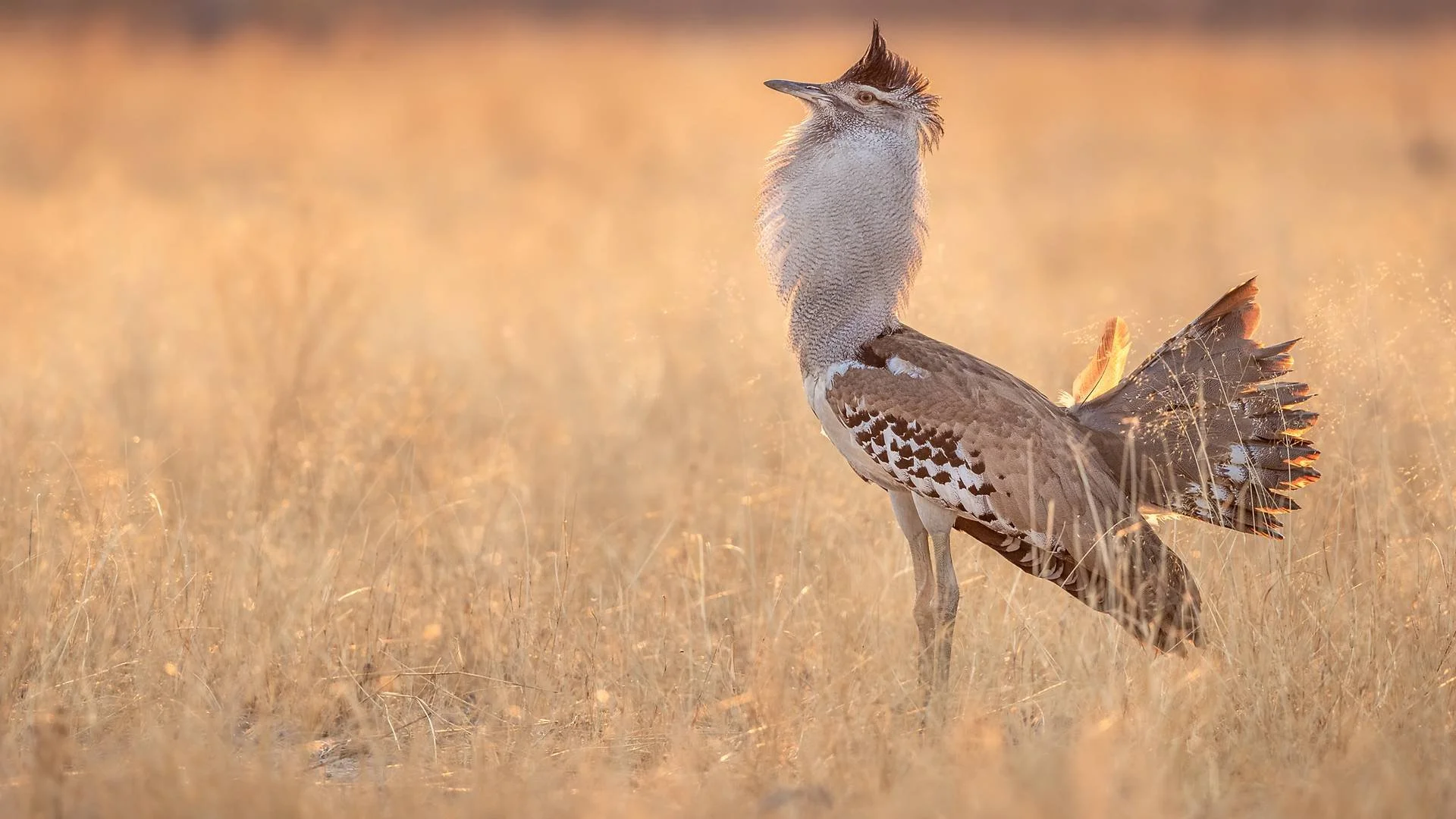
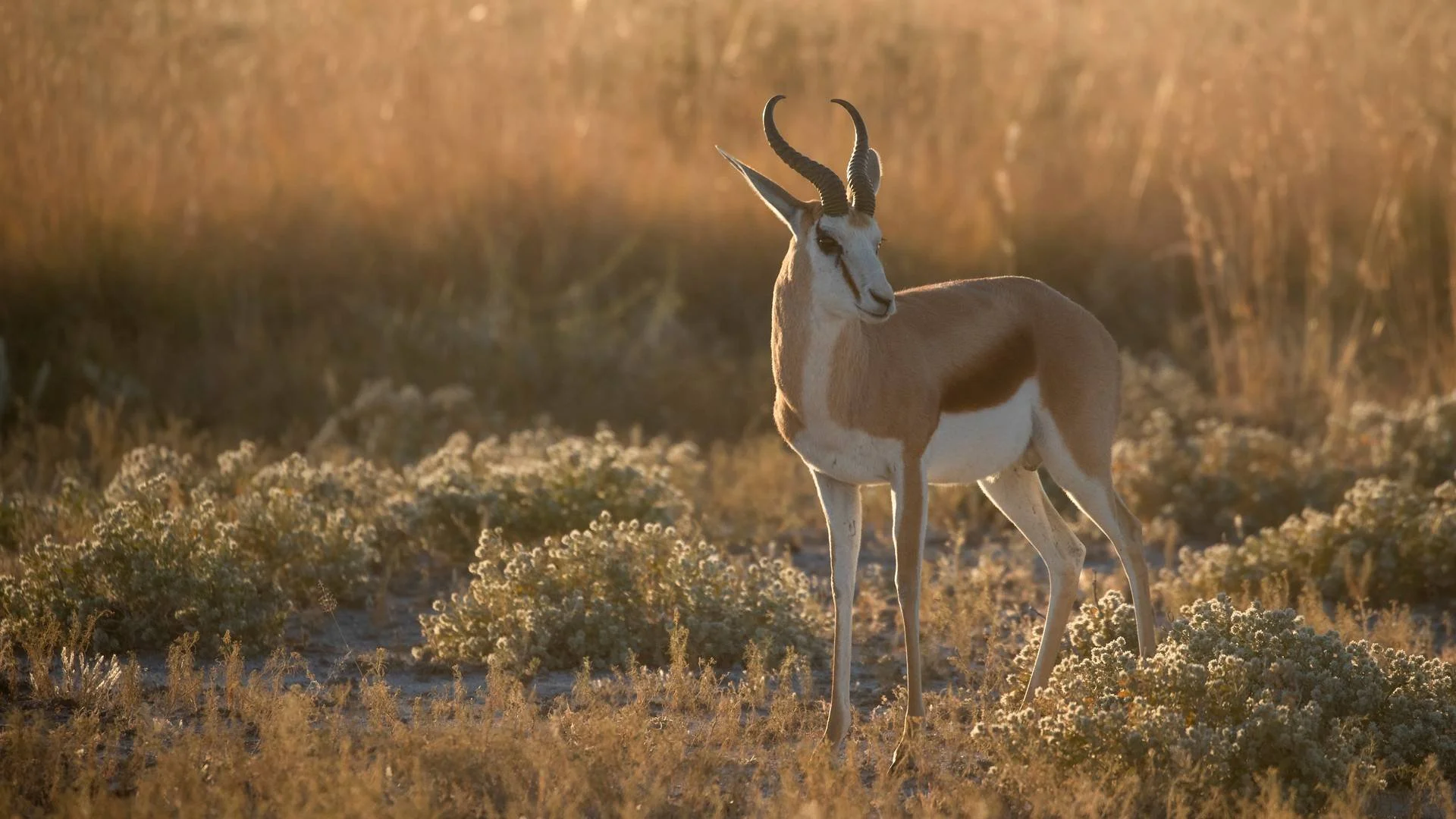
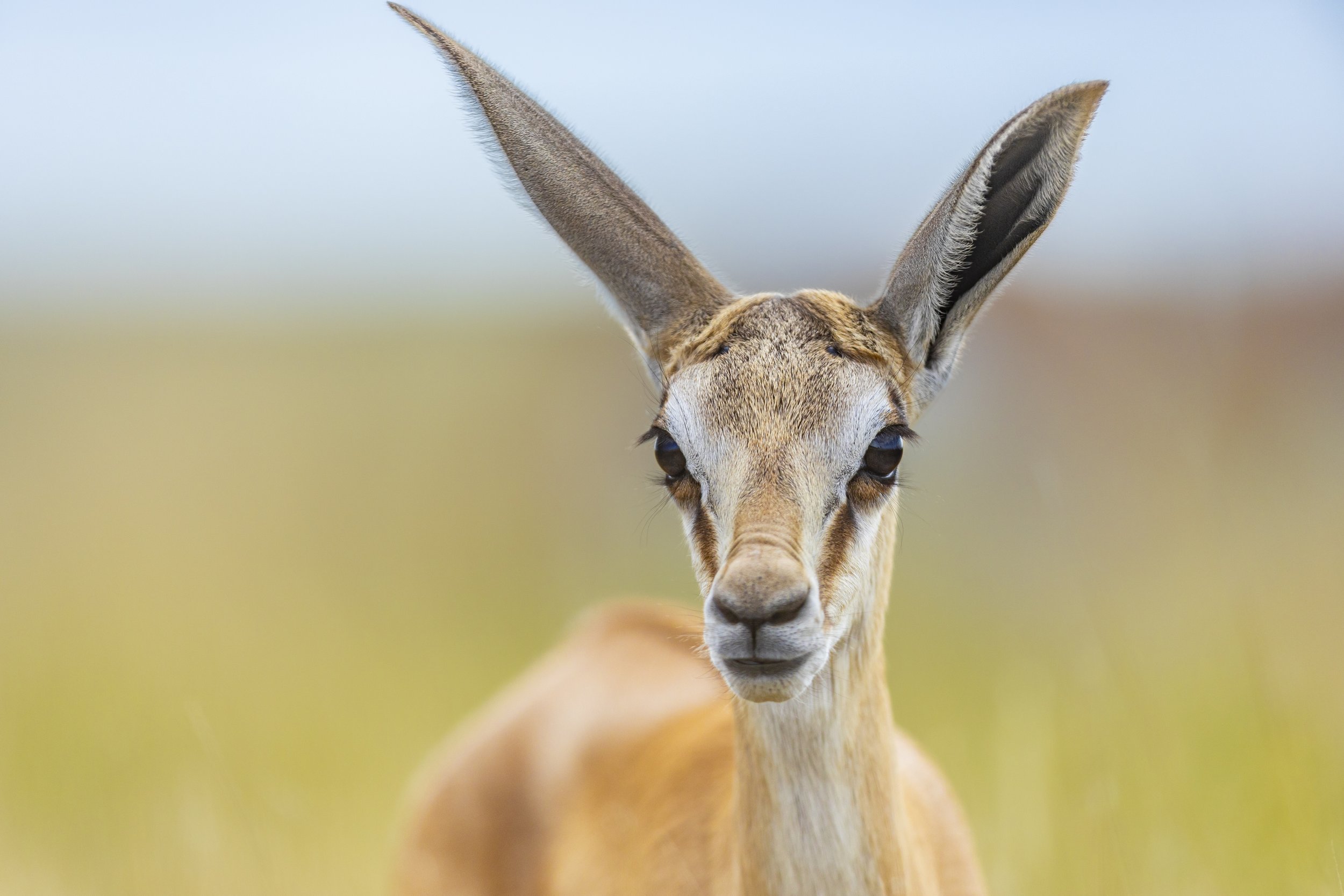
The Central Kalahari closes the trip, and it earns the position. This is desert in the truest sense. It’s flat, sun-scoured, and home to lions with manes so dark they look painted on, alongside cheetah, brown hyena, and enough oryx and springbok to keep a telephoto lens busy from a sunken photographic hide set at eye level with the waterhole. San trackers here read ground that looks empty to an untrained eye and is, in fact, full of information. After dark, with no light pollution for a hundred miles in any direction, the Kalahari sky becomes its own subject entirely for those who wish to stay up late for it.
Botswana has built its identity around conservation more deliberately than almost any country in Africa. Roughly 40 percent of the land is set aside as national parks, reserves, and wildlife management areas, and safari tourism functions as the economic argument for keeping that land wild instead of converting it to something else. Every night spent in camp here is a small vote for that arrangement continuing to hold.
This is a small, single-occupancy workshop capped at just six photographers (vs. the 8-10 most safaris are built around), and created for photographers who want more than the chance to check things off a list. Who want to leave Botswana understanding a little more biology, a little more ethology, and a lot more about how to get the shot without getting in the animal's way. If you've been saving Botswana for the trip that finally does it right, this is that trip.
GENERAL INFORMATION
DATES:
November 21-30, 2028
PRICE | $21,000
$5,000 deposit, followed by three installments
GROUP SIZE | Limited to 6
SKILL LEVEL | Beginners to Advanced
WHAT’S INCLUDED
Single-occupancy lodging
All scheduled private charter flights between camps
All airport and airstrip transfers at each stop
All meals, snacks, and a well-stocked bar — wine, local beer, spirits, and soft drinks
A thirty-minute doors-off helicopter flight over the Okavango Delta
Twice-daily guided photography activities at each location with a guaranteed window seat and camera mount on every drive
Access to Dinaka's sunken photographic hide
All park fees, concession fees, and bed levies
Daily laundry service
Hands-on instruction and image review throughout the trip — this is a workshop, not just a safari
NOT INCLUDED
International airfare to and from Botswana
Visa and related fees
Lodging before or after the scheduled dates
Items of a personal nature (e.g., laundry, souvenirs)
Travel insurance (highly recommended)
Medical evacuation insurance (required)
Gratuities for local guides and drivers
Incidentals incurred by participants at lodging
Airline baggage fees beyond included bags, fees for excess weight with baggage
PHYSICAL DIFFICULTY
This itinerary is more about observation than physical exertion, with most of our wildlife photography happening from boats, 4x4, and other vehicles, or directly near them. While no significant level of fitness is required, the trip can be demanding, expect early mornings, long days, and limited downtime during some parts of the trip. We are always happy to answer questions to help you determine whether or not this trip is the right fit for you.
INSURANCE
Due to the remote locations we will be traveling within, medical evacuation insurance is required for this workshop. General travel insurance is highly recommended, but not required.
We use and recommend Global Rescue for medical evacuation services. Unlike travel insurance, which requires you to coordinate your way to care first and be reimbursed later, Global Rescue will deploy an evacuation team and get you to the medical care of your choice as part of their core services and membership. No claims, no coordinating care.
They offer both short-term and annual memberships and policies. Due to our partnership with Global Rescue, we are happy to initiate the quote process on your behalf, please email.
Itinerary At-A-Glance
ITINERARY
FAQs
-
Once you’ve let us know that you are ready to book, we’ll send you our registration paperwork along with an invoice for your deposit. When the paperwork is complete and the deposit has been paid, you are officially registered!
While you’re waiting for your departure time to arrive, you’ll receive our Untamed Brazil Workshop Guide, which goes over a more detailed itinerary, gear recommendations, clothing recommendations, and has a packing list.
About three months before your departure, we’ll have a group Zoom meeting. You’ll have a chance to meet everyone traveling with you, and we’ll go over logistics and make sure everyone has all of their questions answered, as well.
-
There are several reasons we recommend visiting the region during the dry season, which runs from June through October each year. These are winter months in Brazil, so the weather tends to be cooler in temperature and we very rarely see inclement weather during that time. The dry season also means the flooded waterways begin to recede and the vegetation dries out a bit, making it easier for jaguars to hunt their preferred prey - the caiman - and for us to see them in action.
-
Overall, our itinerary is fairly easy in nature, with much of our time spent in boats, 4x4 vehicles, and land transportation. However, there are some places where we will do some walking up to two miles round-trip over some mostly flat, dry, and uneven terrain. Participants should be able to walk up to a mile at a time, while carrying their own gear and supplies (water, snack, etc) on their own in hot weather.
The days are active and start early in the morning and this time of year temperatures can get as hot as 100°F. In addition, Brazil can be humid, and combined with the hot temperatures can make the day feel a little bit longer and more arduous.
This trip is rated as Easy-to-Moderate for these reasons.
-
Like many other outdoor photography trips, it’s helpful to have some layers and prepare for fluctuating temperatures. The mornings and late evenings can be a little bit cool, but once the sun comes up, temperatures swiftly climb. We recommend wearing lightweight and quick-drying clothing including long pants and long-sleeve shirts. You’ll also want a light jacket and closed-toe trail shoes or hiking boots/shoes.
Our Untamed Brazil Workshop Guide, which you receive after registering for this trip, goes into detail with clothing recommendations and considerations.
-
Gaining the best access to the wildlife of Brazil means staying in remote places. Rooms at our lodges are relatively simple, but they all have air conditioning, screened windows, and usually have ceiling fans, as well.
Meals at the lodges primarily serve Brazilian cuisine, which varies greatly by region. It’s a blend of the many cultural influences of the country, a sort of fusion of indigenous, African, and European foods. Many of the meals feature rice and beans, vegetables, fresh fruits, variety of meats and fish.
-
he official currency of Brazil is the Brazilian Real (ree-al). You can easily access currency exchanges by using an ATM or visiting one of the casa de cambios that are in the airport and city areas. Credit cards are widely accepted at restaurants, gift shops, though using a Visa or Mastercard is typically preferred, and many places do not accept Amex.
Some of the smaller vendors and shops only accept cash, so we recommend having some money on hand. This is also helpful for gratuities for our naturalist guides, who do not have an easy way to exchange U.S. Dollars and do not have access to popular apps like Venmo, Paypal, or Cash App.
-
Because the areas that offer the best opportunity for photography are remote and wild, we require medical evacuation insurance. Your chosen independent insurance plan should include at least $250,000 in medical evacuation coverage.
We also strongly recommend general travel insurance, though this coverage is optional. Please feel free to reach out with additional questions. -
We understand that cancelling a long-anticipated trip is disappointing. But we, too, plan far ahead before each departure and continuously send non-refundable payments to hotels, other suppliers, and travel partners. Therefore, we must strictly adhere to the cancellation and refund policy. We strongly suggest that you purchase travel insurance in the event that your travel plans change or you need to cancel your trip. The following are the terms of our cancellation and trip change policy:
Cancellation & Refund Policy:
• Deposits are non-refundable after a 10-day grace period.
• If you cancel within the grace period, we will refund your deposit to the original form of payment, minus a $250 administrative fee and any payment processing fees incurred.
• After the grace period, no refunds will be issued unless we can fill your spot. If we can fill your spot, we will issue a refund minus a $250 administrative fee and any payment processing fees incurred.
Final Payment Deadlines:
• U.S.-based workshops: Final balance is due 90 days before the start date.
• International workshops: Final balance is due 120 days before the start date.
By booking, you acknowledge and accept these terms. If you have any questions, we’re happy to help clarify.