Between Two Birthdays: What A Year It has Been
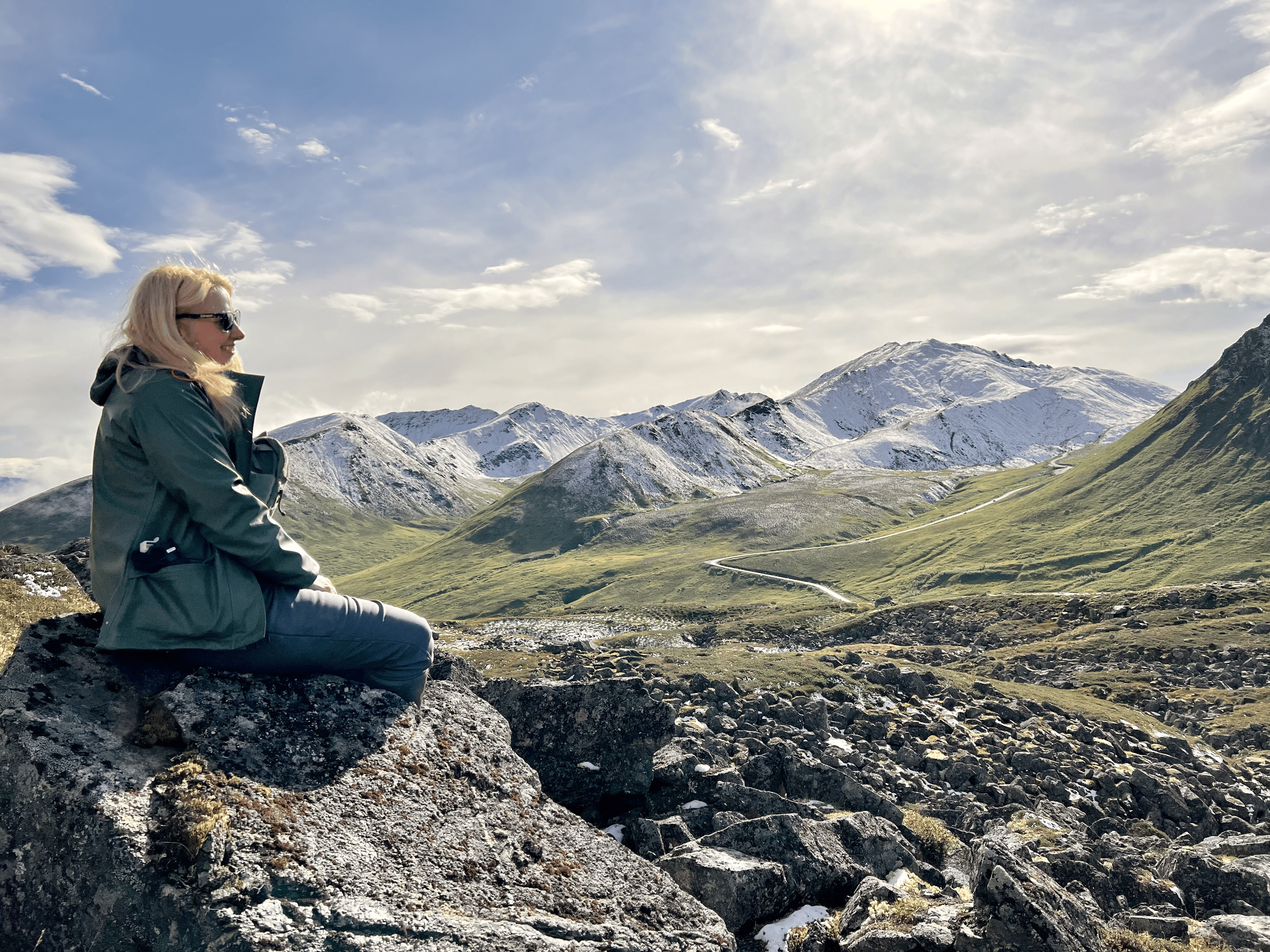
A year ago, I was in a small, one-room cabin in Alaska, waiting. Waiting is generous, actually. I was hiding, in the nicest possible way. One room. One window. Not much else. But it was exactly enough space to bide the two weeks I needed to get through before I dropped the bomb and everything in my life would change.
Creative & Administrative Coordinator
We’re hiring a Creative & Administrative Coordinator! Check out the job description and see if it sounds like the right fit for you!
Unmediated Wildness and Other Fictions We Maintain
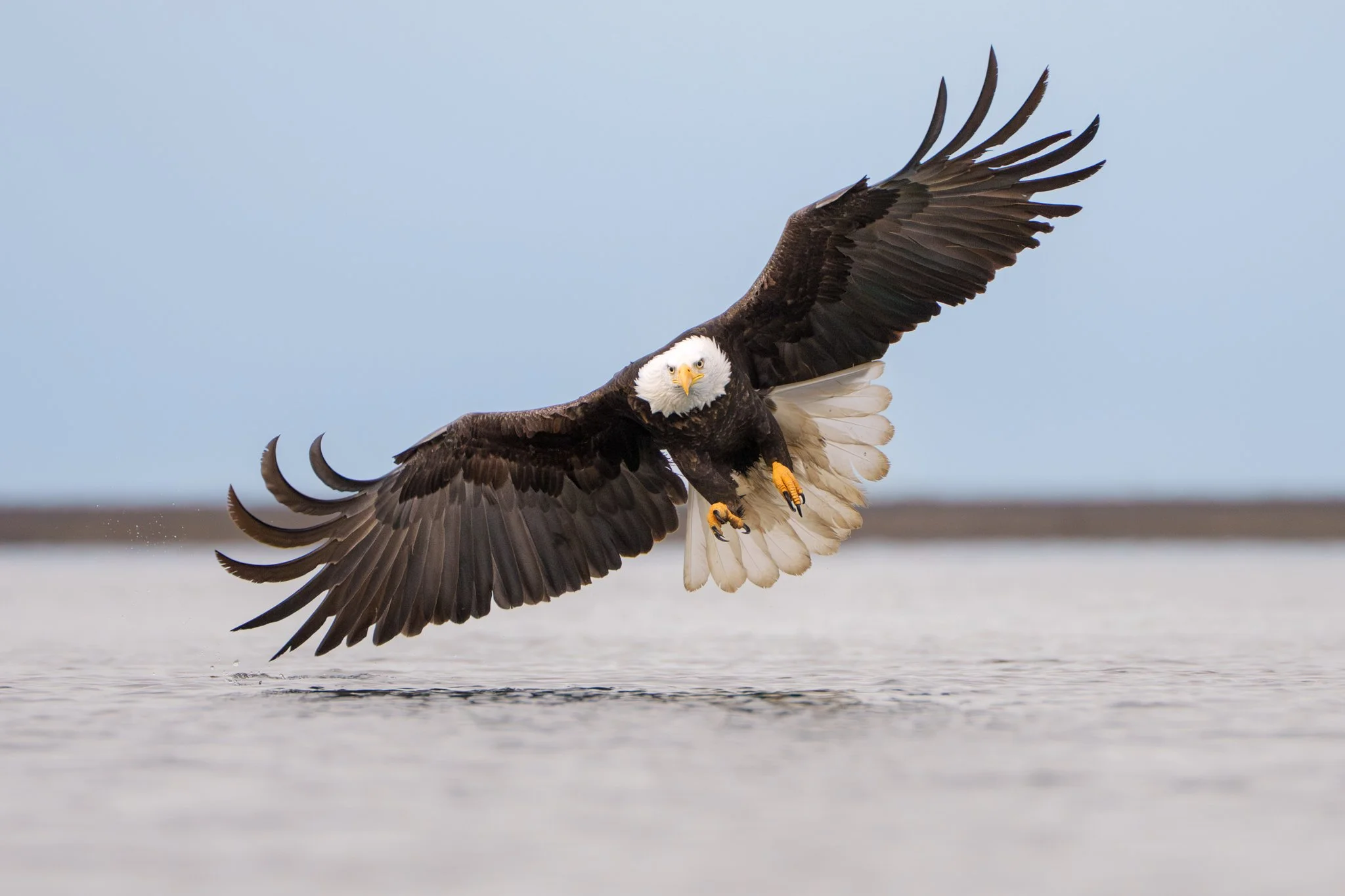
The “Nat Geo dream,” as I’ve come to call it, lives in almost everyone who thumbed through those pages as a kid, and the calling of that dream doubled the first time they picked up a lens and pointed it at something wild. The lone photographer in the field, earning images the hard way. It is a seductive fantasy, and I say that as someone who allowed that fantasy to carry her all the way to a career. But when we share an image made with an assist from a box of herring and allow the viewer to assume we were simply there, in wild Alaska, through skill and patience alone, we are performing the identity rather than inhabiting it. And we are doing it, because the alternative requires a level of confidence that is harder than it looks.
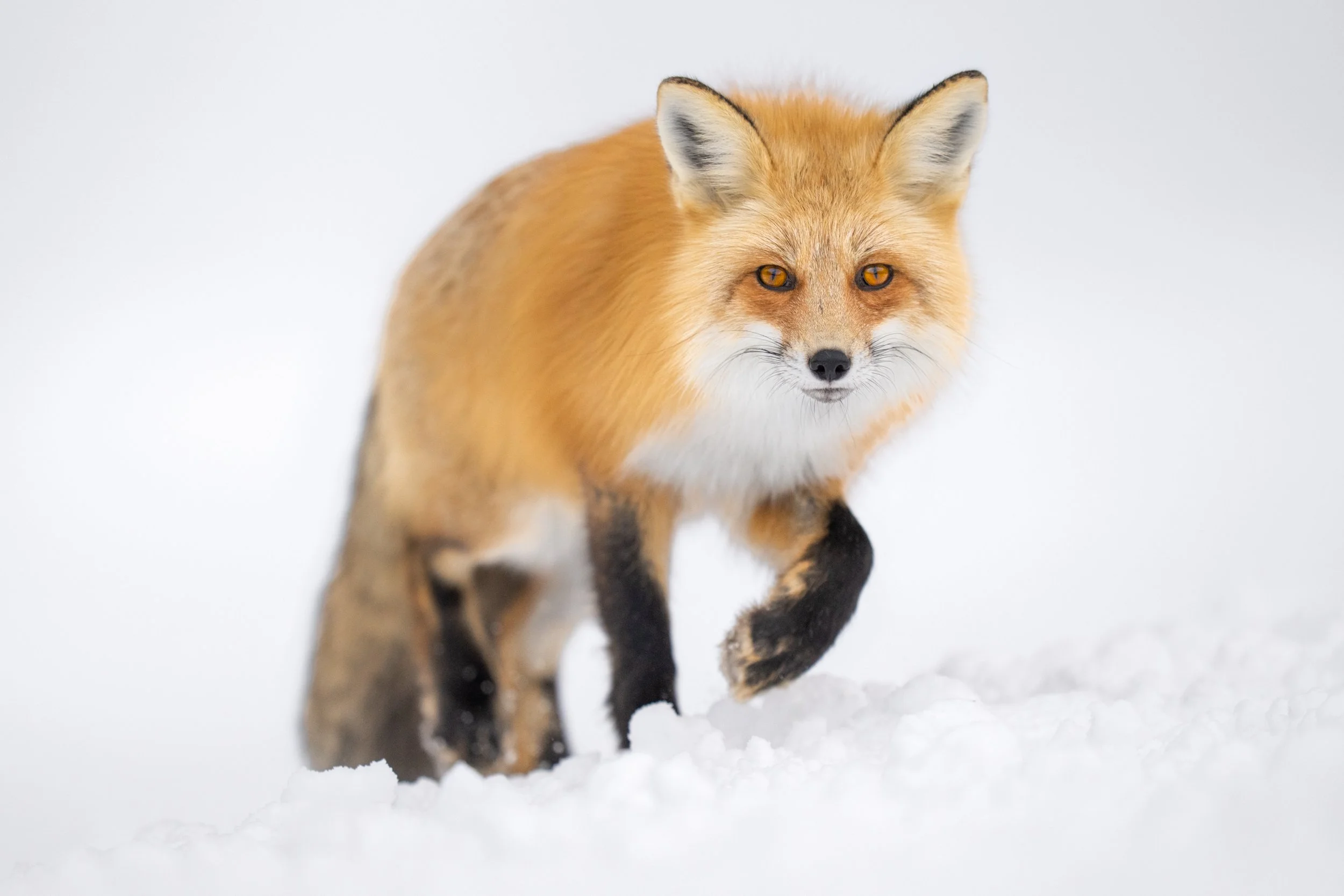
When Familiar Places Become Strange (and why that’s good)
The thermometer read fifty-three degrees when we pulled into the Lamar Valley in late December. Where I expected snow, I found bare ground. The Yellowstone I thought I knew had transformed overnight.
Without familiar patterns to rely on, I had to abandon my preconceptions and truly see what was in front of me. This trip— my first to Yellowstone as a photographer rather than a guide — became a lesson in how we stop really looking at familiar places because we think we already know what we're going to see.
As we move into 2026, what might your photography look like if you chose to see your familiar places with fresh eyes?

Becoming the Coyote: Lessons From A Year of Survival
The coyote survives because she refuses the script written for her. She adapts, expands, and thrives under the same pressures that pushed wolves and grizzlies to the brink.
This year taught me what the coyote already knows: resilience isn't about being the strongest — it's about refusing to let anyone else's limitations define what's possible for you.
This post isn't just about coyotes. It's about survival, adaptation, and what happens when the ground beneath your feet gives way.
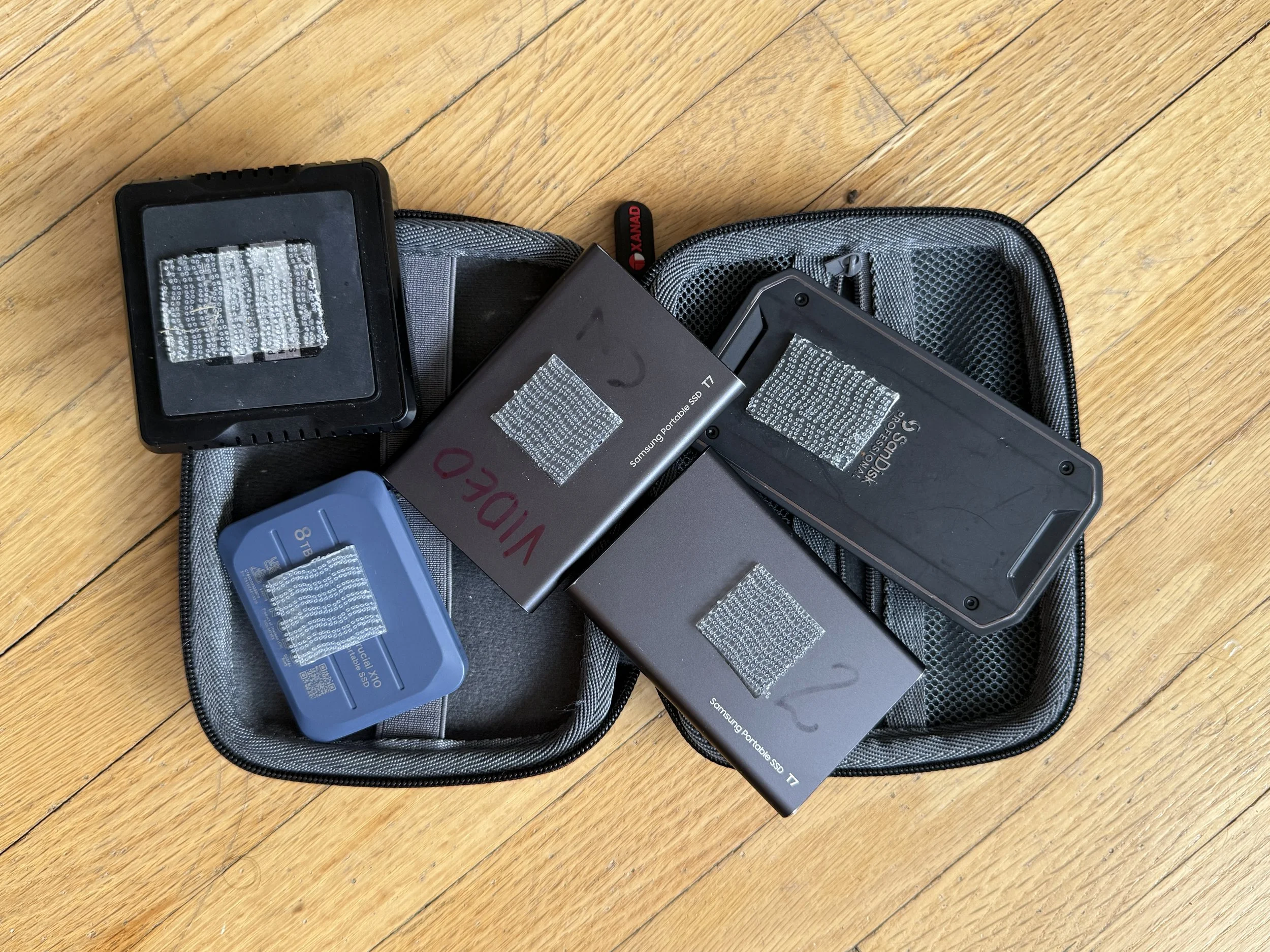
On the Second Day of Kit-Mas: 3M Dual Lock Fasteners
Move over, Velcro. There is a better way to secure your external drive to your laptop.
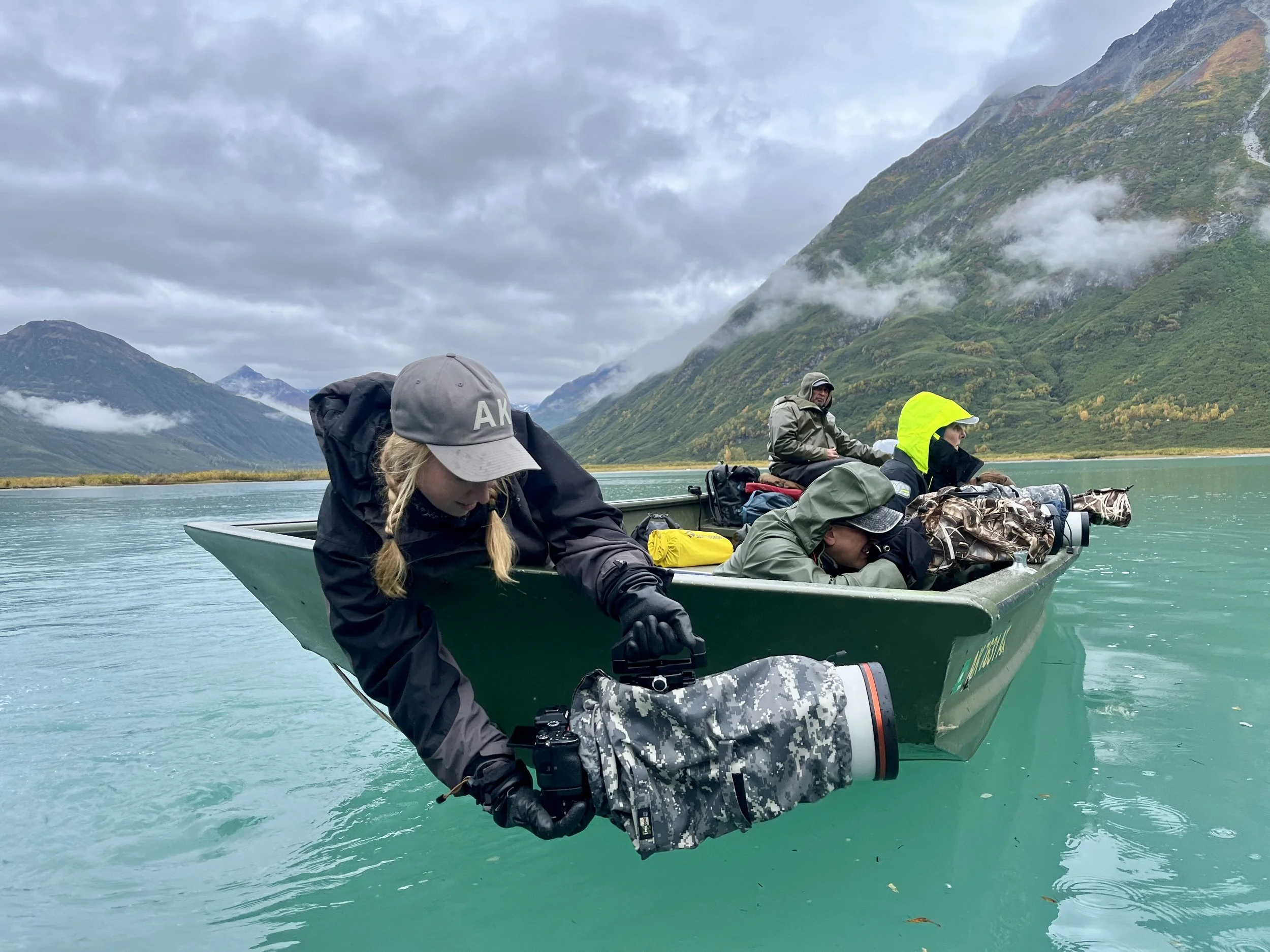
On the First Day of Kit-mas: The Kirk Enterprises Super grip
First up in my “12 Days of Kit-mas” series is a simple accessory that has revolutionized the way I work and I simply cannot live without anymore. Every wildlife photographer should have one, and I don’t say that lightly.
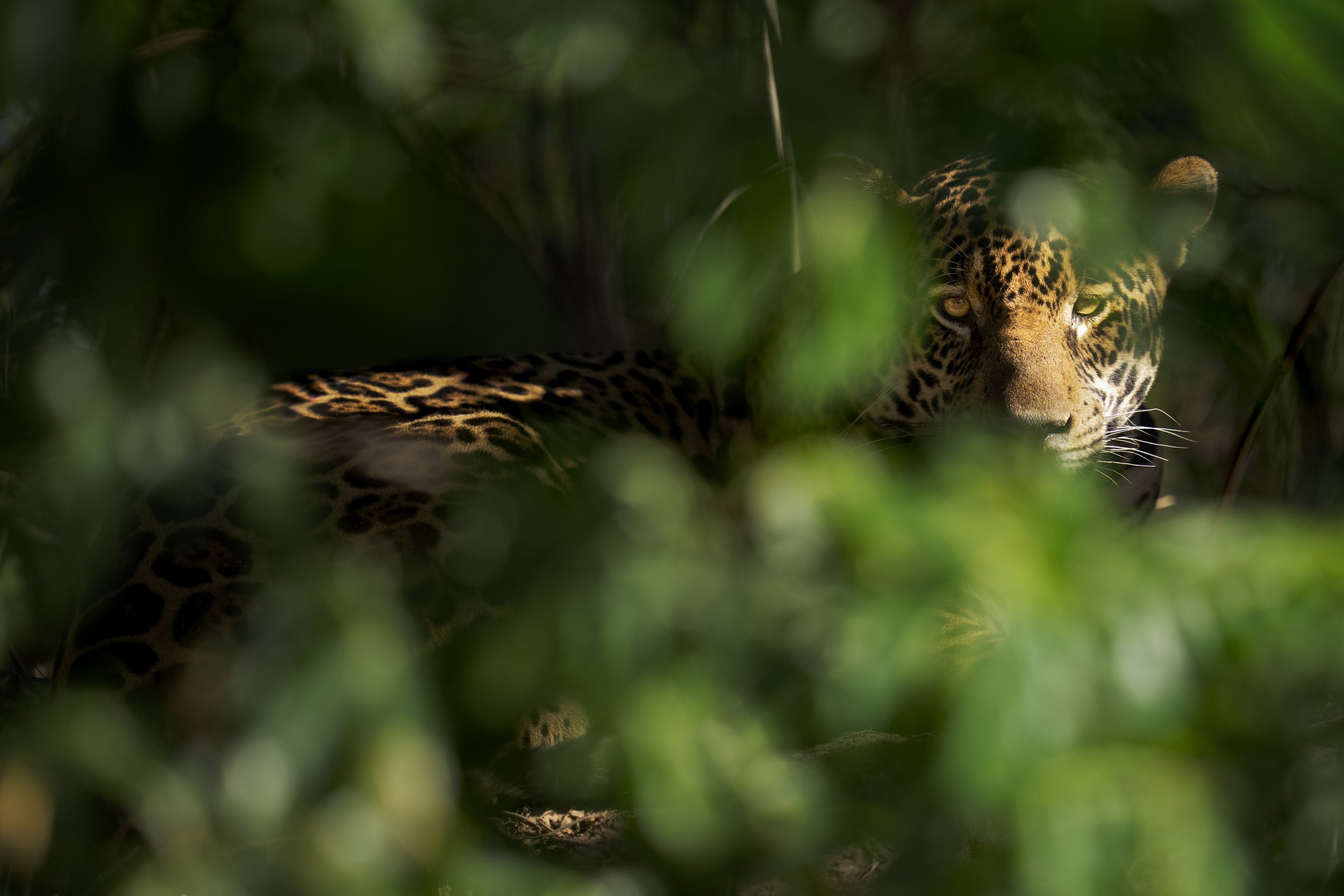
Ecology of Awe: The Wild Wonders of Brazil
At first light in the southern Pantanal, the world wakes not with any ordinary birdsong, but with a riot. The chaco chachalacas begin before sunrise, their calls erupting from the trees, a raucous alarm clock that makes the gentle birdsong alarm sound option on my phone feel like a lullaby. Here, dawn isn’t whispered into being; it’s declared.

You Can’t Save What You Didn’t Shoot
When you underexpose, even by what seems like a conservative amount, you're not just making the image darker. You're literally throwing away up to half of the information your sensor could have captured. Those underexposed shadows that you plan to "lift" in post-processing? They contain a fraction of the data they could have held if you'd simply been brave enough to push your ISO higher in the first place.

Thousands Of Miles and No Photos to Show For It
This past week, I was leading my online workshop on birds in flight and toward the end, someone asked me a question I really appreciated, and I didn’t have a chance to answer it live.
“How often do you come back from a day in the field with nothing?”
Here's what I told them, and what I'm telling you now: More often than you'd think. More often than Instagram would have you believe. More often than most photographers want to admit.

Many People Photograph Wildlife, But Few Actually See It
Here, maybe, is where I write plainly about what this kind of work is—and what it decidedly is not.
This isn’t the workshop circuit, where the bears by the roadside or the elk in the meadow have grown so familiar with human presence that they no longer lift their heads when a dozen tripods unfold. This isn’t your typical bird photography setup with carefully curated perches and nearby feeders, where the background is carefully chosen and the behavior—while still fascinating—is often predictable rather than encountered.
No, out here in the prairie potholes, the birds still remember.

The Prairie Potholes: Where Water Holds The Sky
Photographing this place isn’t easy—but not for reasons many photographers may think. This isn’t a national park where animals grow numb to the rhythm of passing cars and camera shutters. Out here, the birds are wild in the truest sense. Whether they’ve flown in from the Arctic tundra or hatched just weeks ago in the cattails, they carry an inherited vigilance. Hunted in both their wintering grounds and breeding territory, these ducks and shorebirds recognize humans not as neutral observers, but as threats. At the first glint of movement, they flush—long before you’re close enough to raise a lens.

ISO: As LOW AS POSSIBLE BUT AS HIGH AS NECESSARY - Understanding noise in your photography
Most photographers are so afraid of pushing their ISO that they underexpose their photos and create more noise than if they had just mastered their histogram and exposed properly to begin with. To get the best images possible, your ISO should be as low as possible, but as high as necessary, and in wildlife photography that often means ISO of 20,000 or more.

MacGyver-ing my Wildlife Photography Kit
Over the years, I’ve curated a list of lesser-known but absolutely essential pieces of gear that always live in my pack. This isn’t your typical photographer’s gear list of the obvious camera and lenses or first aid kit, InReach, and headlamp—this is the gear that helps me MacGyver my way through whatever challenges nature throws my way and makes the difference between salvaging the trip or heading home frustrated.

The Art of Pre-production: How professional photographers plan for success
One of the defining traits of a professional photographer isn’t just technical skill—it’s the meticulous planning that happens long before the shutter clicks. The work done at home, weeks ahead of a trip, often determines the success of an assignment more than the time spent in the field. This part of the job is easy to overlook because it lacks the instant gratification of capturing a perfect moment, but without it, those moments might never happen at all.

The Plains Bison: Comeback of a Lost Giant
The survival of the American plains bison (Bison bison bison) is one of the most improbable conservation victories in history. From a population that once numbered between 30 and 60 million, these great beasts were slaughtered to near extinction in the span of a few decades. Their disappearance was not an accident of history, nor was it the simple consequence of overhunting—it was a calculated destruction, fueled by market forces, government policy, and a broader effort to subjugate Indigenous nations who depended on the bison for survival.
That the bison exist at all today is due to a patchwork of efforts—some driven by conservationists, some by wealthy landowners, and others by Indigenous nations who never gave up on restoring the sacred animal to its rightful place. And at the heart of it all is Yellowstone National Park, the only place in the lower 48 states where wild bison have survived continuously since prehistory.

Safety on Wildlife Photography Workshops
As a professional wildlife photographer who specializes in adventurous destinations and working with NGOs and conservation organizations, my career has taken me to some of the most stunning—and at times, unpredictable—environments on the planet. From documenting humanitarian efforts in remote regions most tourists will never see first-hand, to capturing the delicate balance of wildlife in extreme climates, I’ve seen firsthand how even the most well-planned trips can be upended by the unexpected.