The Prairie Potholes: Where Water Holds The Sky
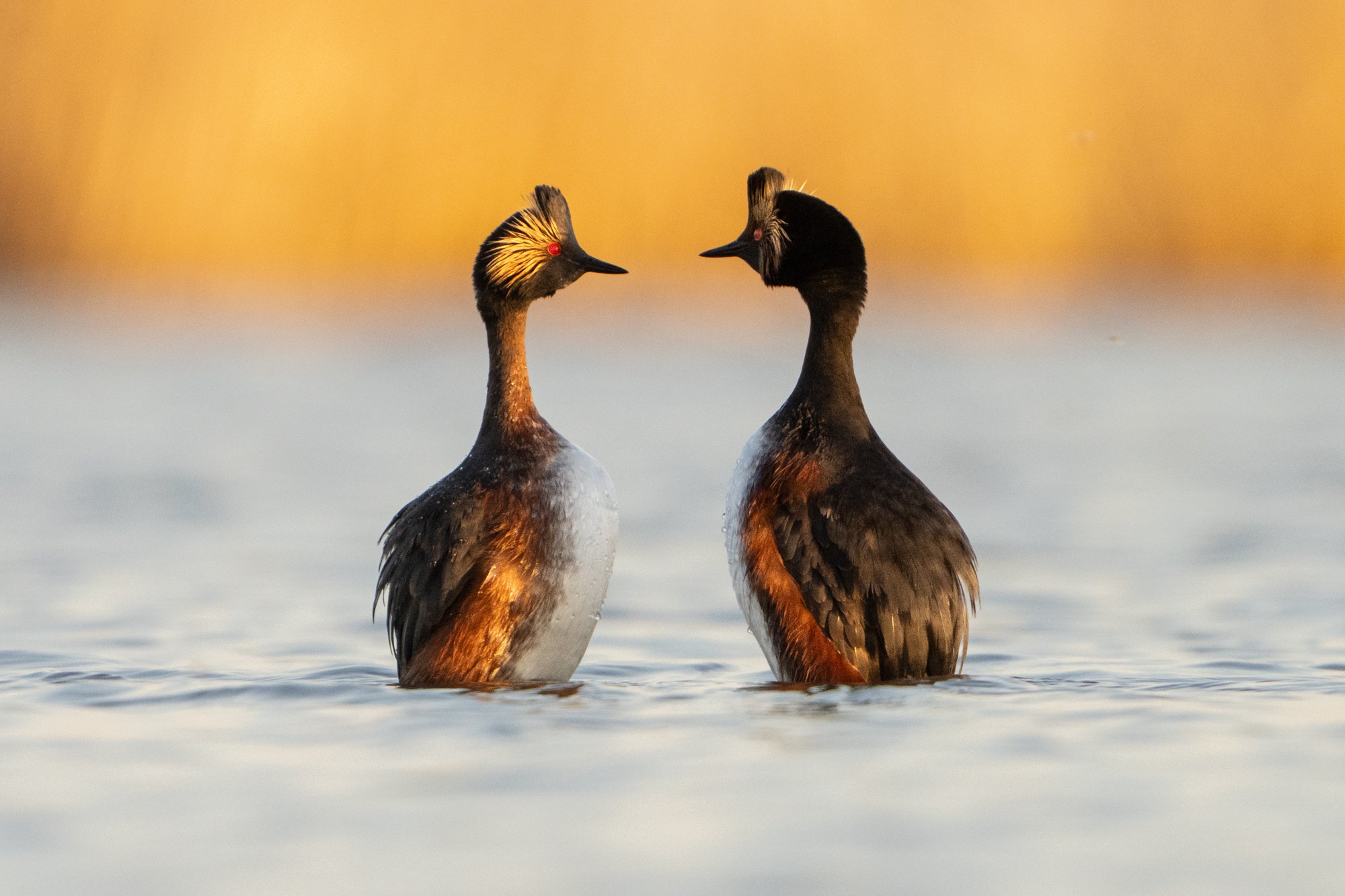
Eared grebes (Podiceps nigricollis) rise and face one another in a courtship ritual called “barging.” This pair will remain together for this season, but grebes do not mate for life. Even if they return to this same area, they will both choose different partners next spring.
When early European explorers first crossed the vast grasslands of North America, they struggled to describe what they saw—not because it was lacking, but because they couldn’t comprehend its kind of abundance. In 1541, Spanish conquistador Francisco Vázquez de Coronado wandered the Great Plains in search of gold, instead finding an expanse he described as “more like the sea than land,” with “nothing but cows,” referring to the bison that once roamed in the millions. With no trees, mountains, or landmarks familiar to European eyes, Coronado saw the prairie as a void—directionless, featureless, even desolate.
Centuries later, the sentiment endured. During his 1843 expedition up the Missouri River, John James Audubon described the prairie as “dreary” and “uninviting,” a landscape that failed to impress visually despite the incredible diversity of life it supported. Settlers, cartographers, and government surveyors followed suit, labeling the region “The Great American Desert.” In their eyes, it was not a thriving ecosystem but an obstacle to be overcome, broken, and tamed.
How wrong they were.
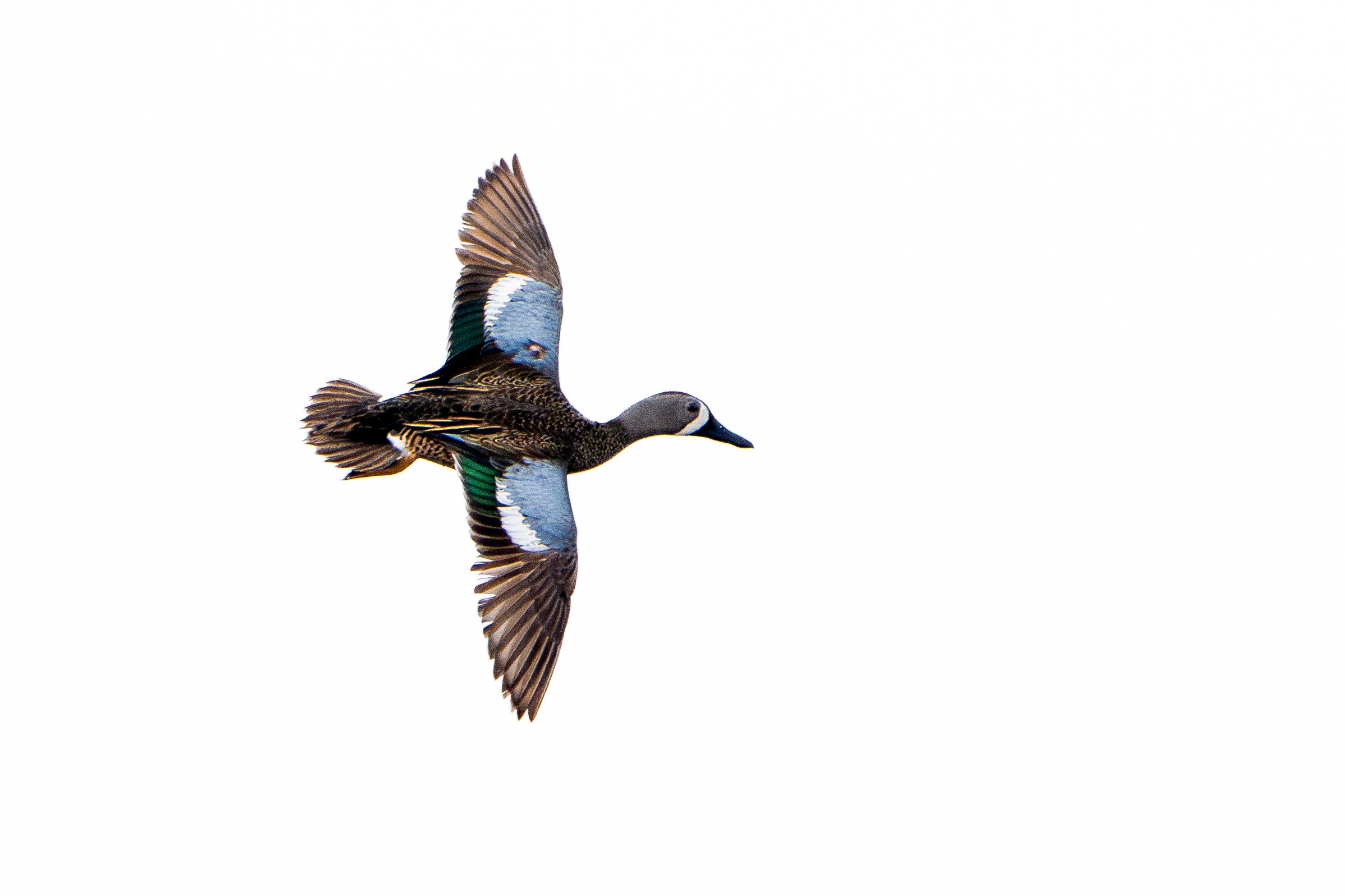
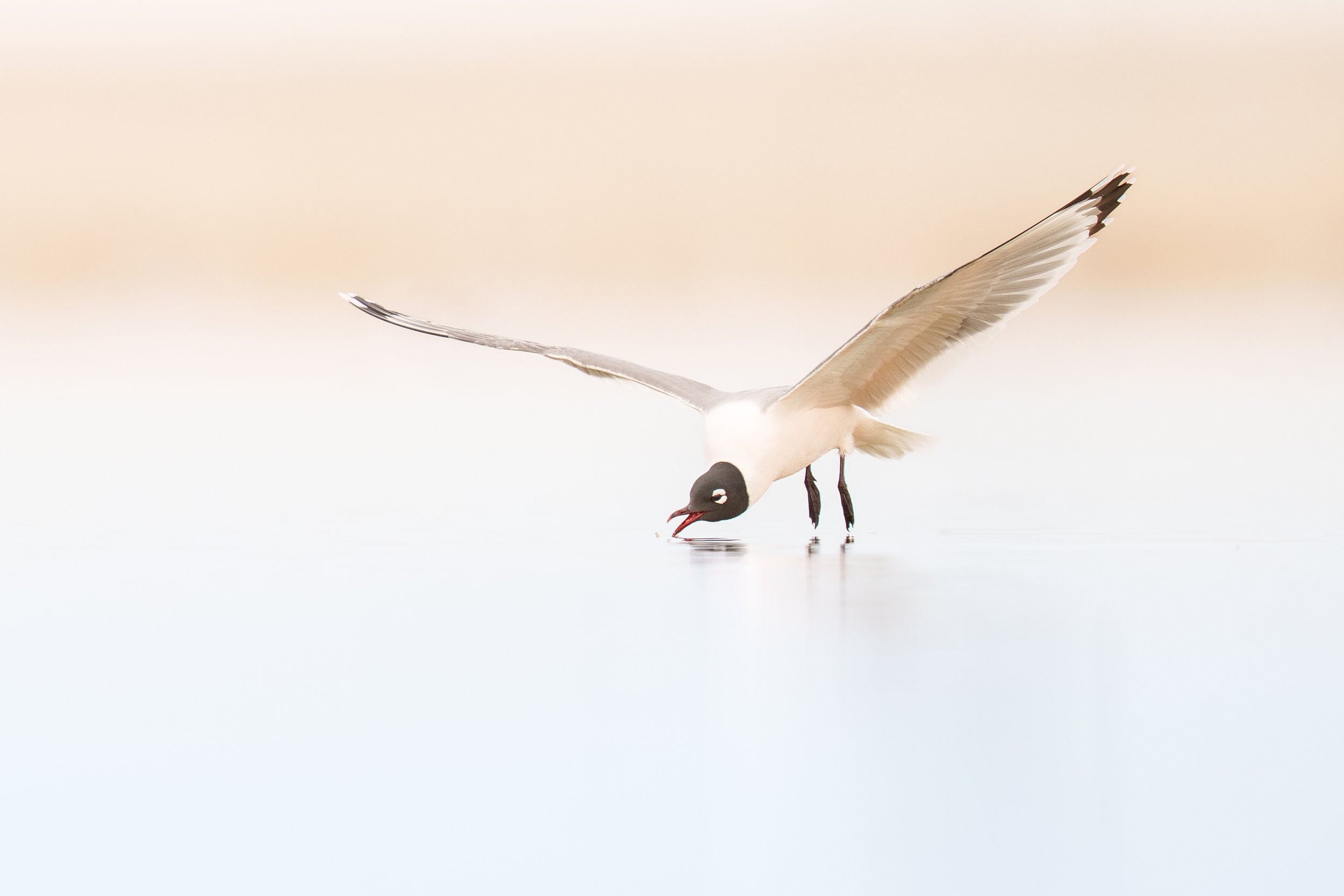
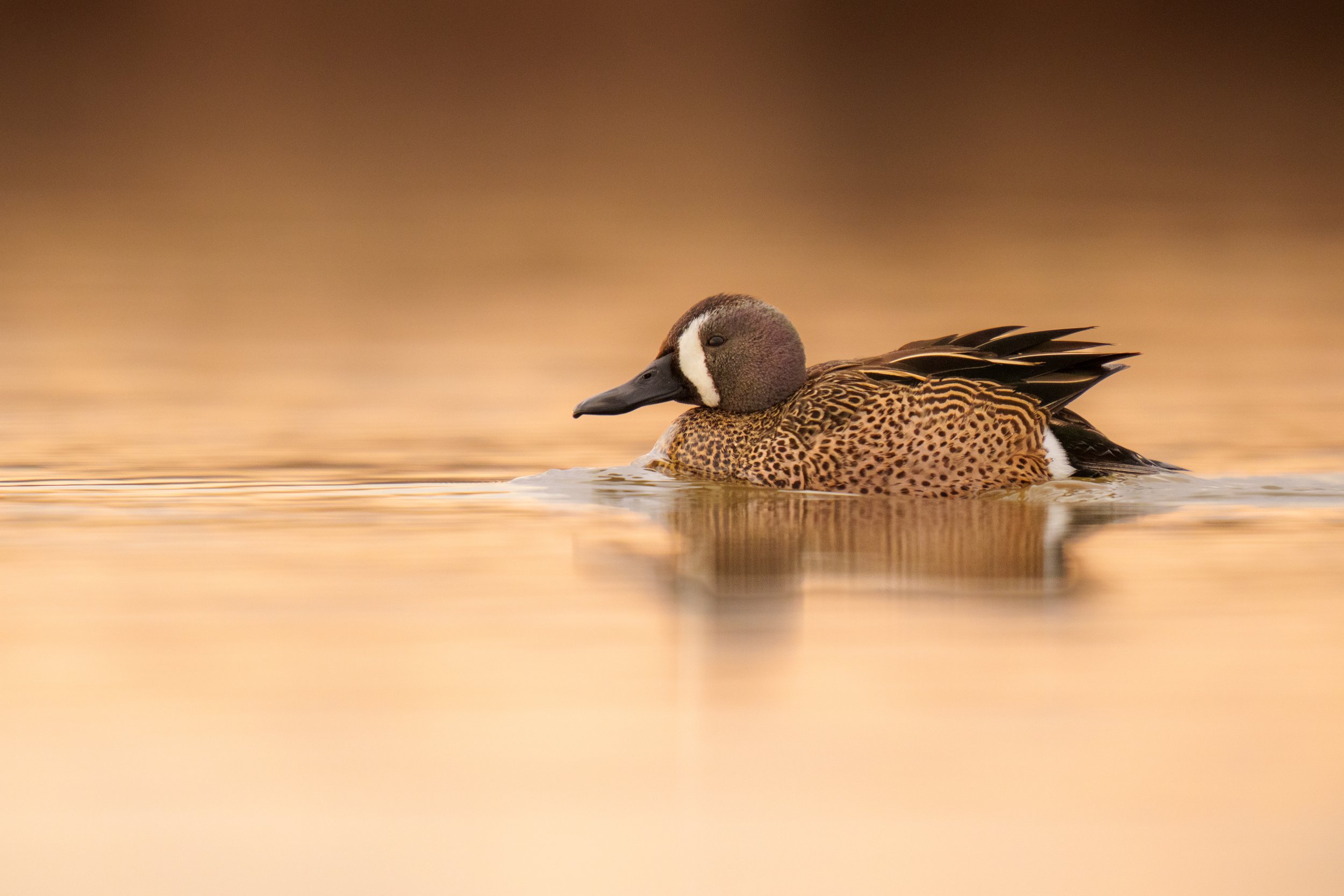
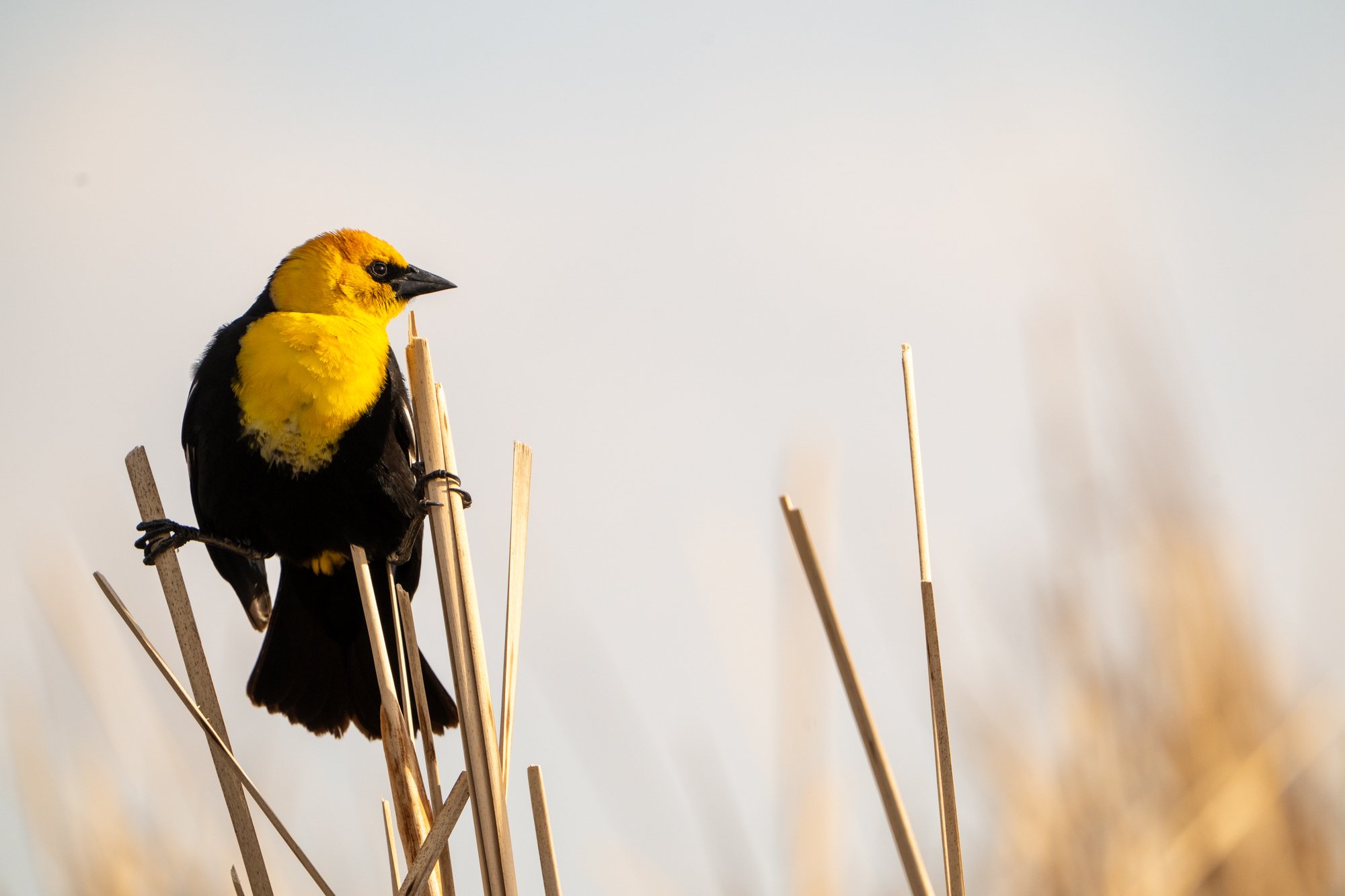
For the past few weeks, I’ve been knee-deep in the heart of what they called nothing—a landscape carved by glaciers, textured with grasses, and alive with the calls of blue-winged teals, yellow-headed blackbirds, and Western grebes. The Prairie Pothole Region stretches across the Dakotas, Montana, Minnesota, into Iowa, and deep into Canada. What looks like a subtle mosaic of wetland and prairie is, in truth, one of the most biologically rich and ecologically vital regions in North America. It’s known by scientists, conservationists, and hunters as the “Duck Factory,” because more than half of the continent’s waterfowl are born here each year.
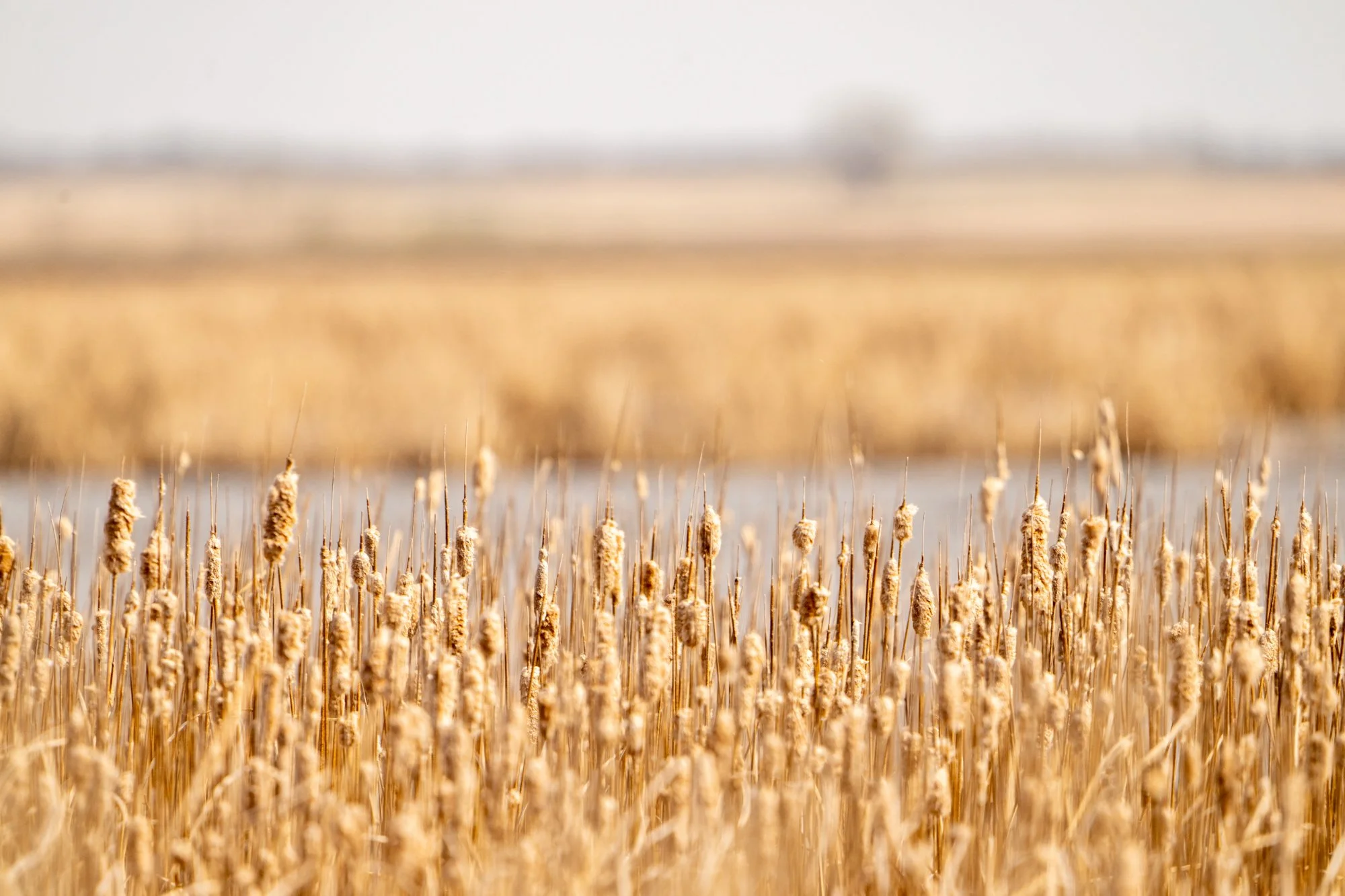
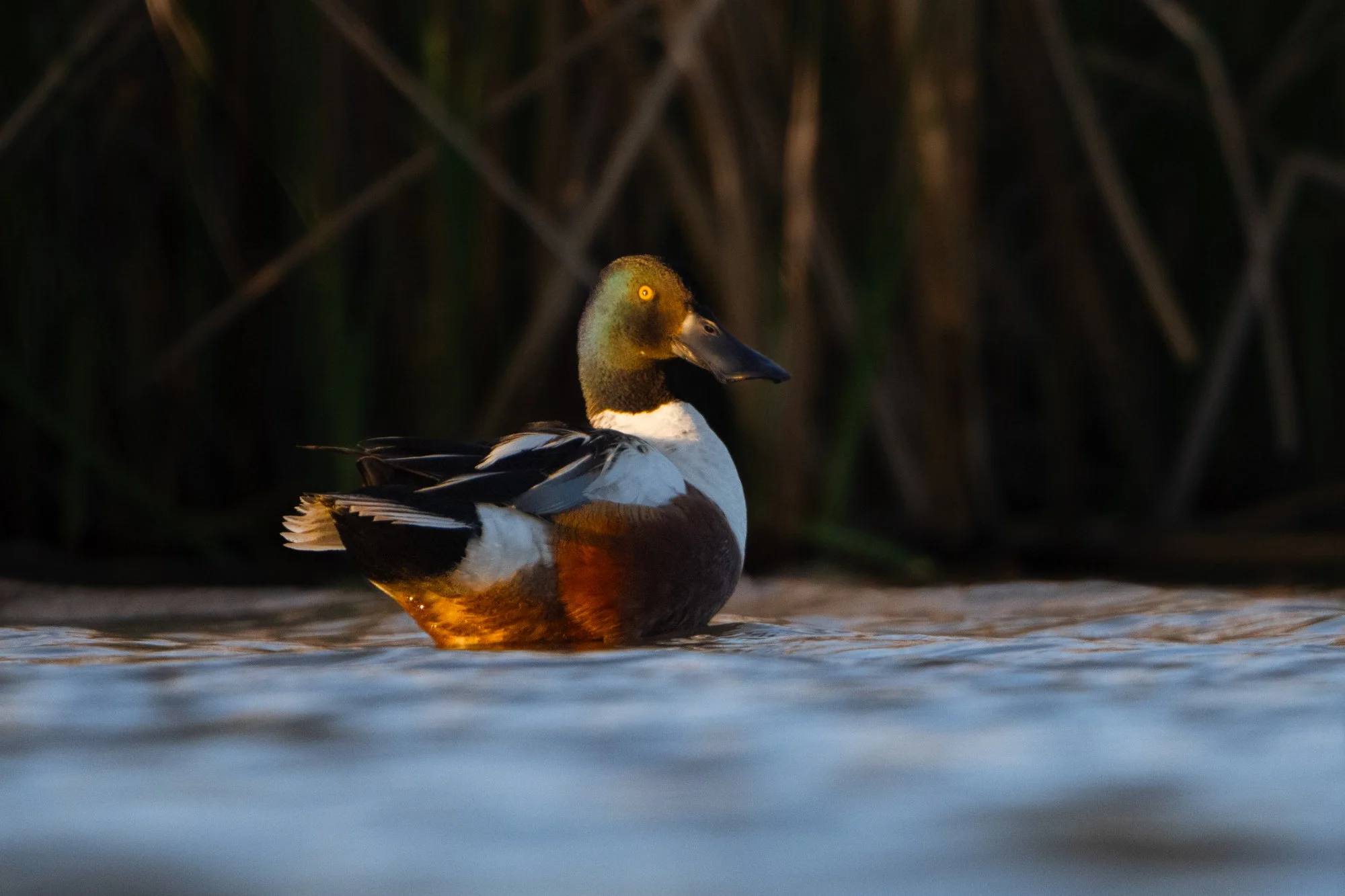
The story begins with ice. Around 10,000 years ago, the last glaciers scraped across the plains, retreating slowly and leaving behind a pockmarked surface—tens of thousands of shallow depressions known as potholes. These fill with snowmelt and rain each spring, becoming seasonal wetlands that host migratory stopovers, breeding grounds, and nesting habitat. Their temporality is their genius—fleeting pools that give rise to an entire web of life, from frogs and dragonflies to teals and shovelers.
But the prairie potholes are more than just a nursery. They are carbon vaults, quietly storing immense quantities of organic matter in their saturated soils—carbon that, in many cases, has remained buried for centuries. That sequestration is possible in large part because of the deep, dense root systems of native grasses like big bluestem, switchgrass, and western wheatgrass. These roots stretch 5 to 15 feet underground, where they stabilize the soil, filter water, and provide a permanent structure that resists erosion. Some die back seasonally, contributing additional organic material to the soil profile. Others persist year-round, insulated by a protective web of soil aggregates and microbial life that binds carbon in place.
But when the prairie is plowed, this underground architecture—built slowly over millennia—is shattered in a single season. Exposed to air and sun, the carbon oxidizes and is released into the atmosphere, accelerating the very climate instability these landscapes once helped to buffer. And that’s what’s happened across more than 70% of this region: potholes drained, prairie tilled under, and the carbon, once safely stored, lost to the wind.
That fragility feels especially acute this year. A snow drought across the northern plains means that the potholes are unusually dry. The first time I photographed here, the water nearly crested the top of my insulated chest waders, and in some places, it was too deep to walk at all. This year, most of the water has barely reached my waist and some of the smaller ponds have become nothing more than leftover mineral content staining the once-wet Earth. The ducks still come, guided by instinct and ancestral memory, but they are met by shallower pools and fewer places to nest.

And yet, despite the challenges, this ecosystem still pulses with life, thanks in large part to the forces that once maintained it: fire and grazing. Historically, fire moved through the prairie in sweeping waves, sparked by lightning or set intentionally by Indigenous peoples who understood its role in renewal. Fire kept woody plants in check, returned nutrients to the soil, and triggered the germination of fire-adapted native species. Without it, trees creep in, grasses lose vigor, and biodiversity declines.
Grazing played an equally vital role. Massive herds of bison once moved across the plains in rotational patterns, grazing heavily in one area before moving on, leaving behind a mosaic of varied plant heights and disturbed ground. This patchwork created habitat for a wide array of species, from upland sandpipers to prairie voles. Today, thoughtful ranchers use cattle to mimic those grazing patterns, often in partnership with conservation groups. Adaptive grazing plans can benefit both livestock and wildlife, maintaining the prairie’s structure and slowing the spread of invasive plants.
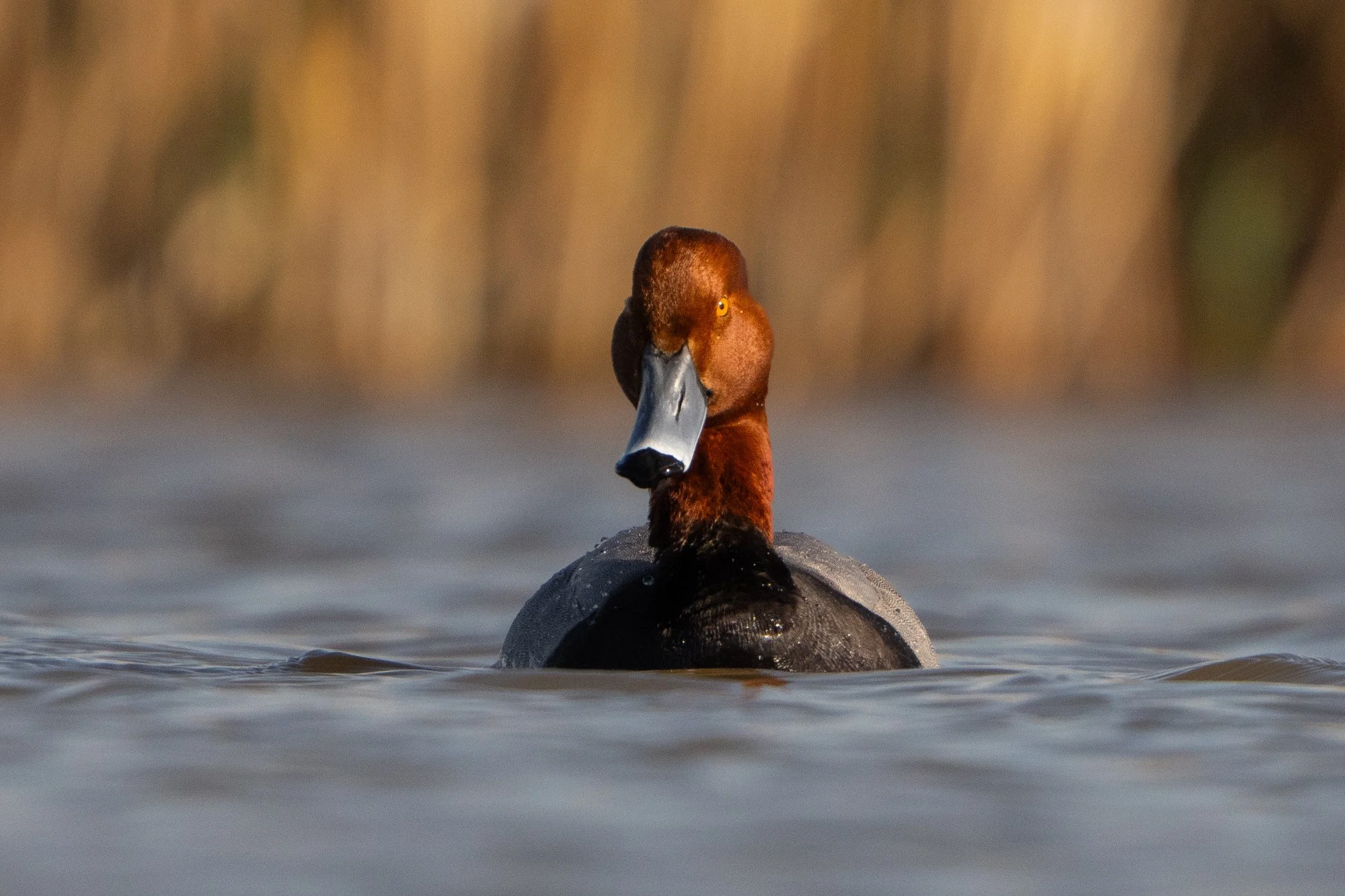
The good news is that collaborative conservation is alive and well here. Organizations like Ducks Unlimited and the U.S. Fish & Wildlife Service are working with landowners to protect remaining potholes through conservation easements. Restoration projects are underway to bring wetlands back to marginal farmland. Prescribed burns, carried out by trained crews, are reintroducing fire to places that haven’t felt its heat in generations. And ranchers are proving that working land can also be wild land—when it’s managed with care.
Photographing this place isn’t easy—but not for reasons many photographers may think. This isn’t a national park where animals grow numb to the rhythm of passing cars and camera shutters. Out here, the birds are wild in the truest sense. Whether they’ve flown in from the Arctic tundra or hatched just weeks ago in the cattails, they carry an inherited vigilance. Hunted in both their wintering grounds and breeding territory, these ducks and shorebirds recognize humans not as neutral observers, but as threats. At the first glint of movement, they flush—long before you’re close enough to raise a lens.
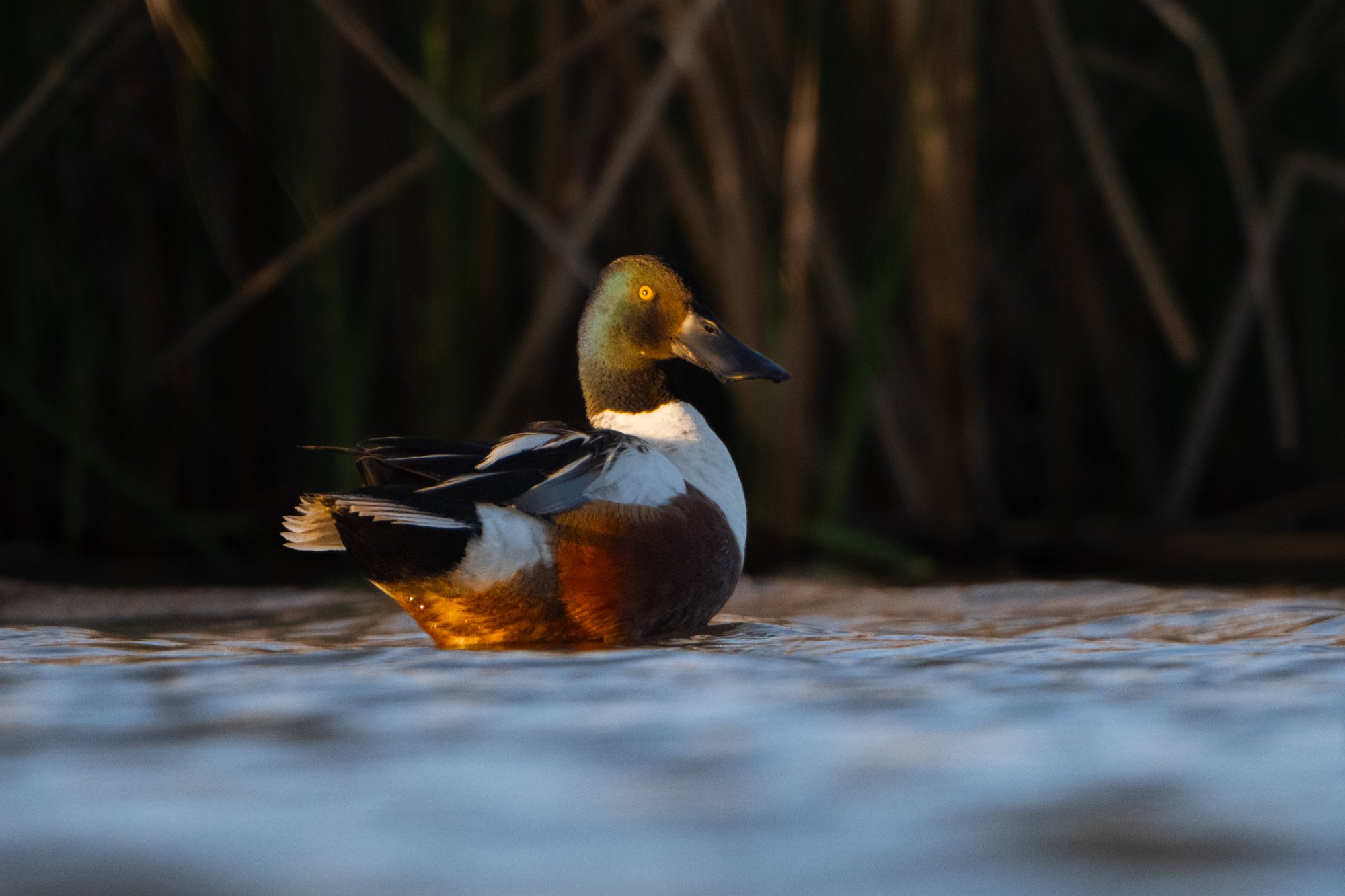
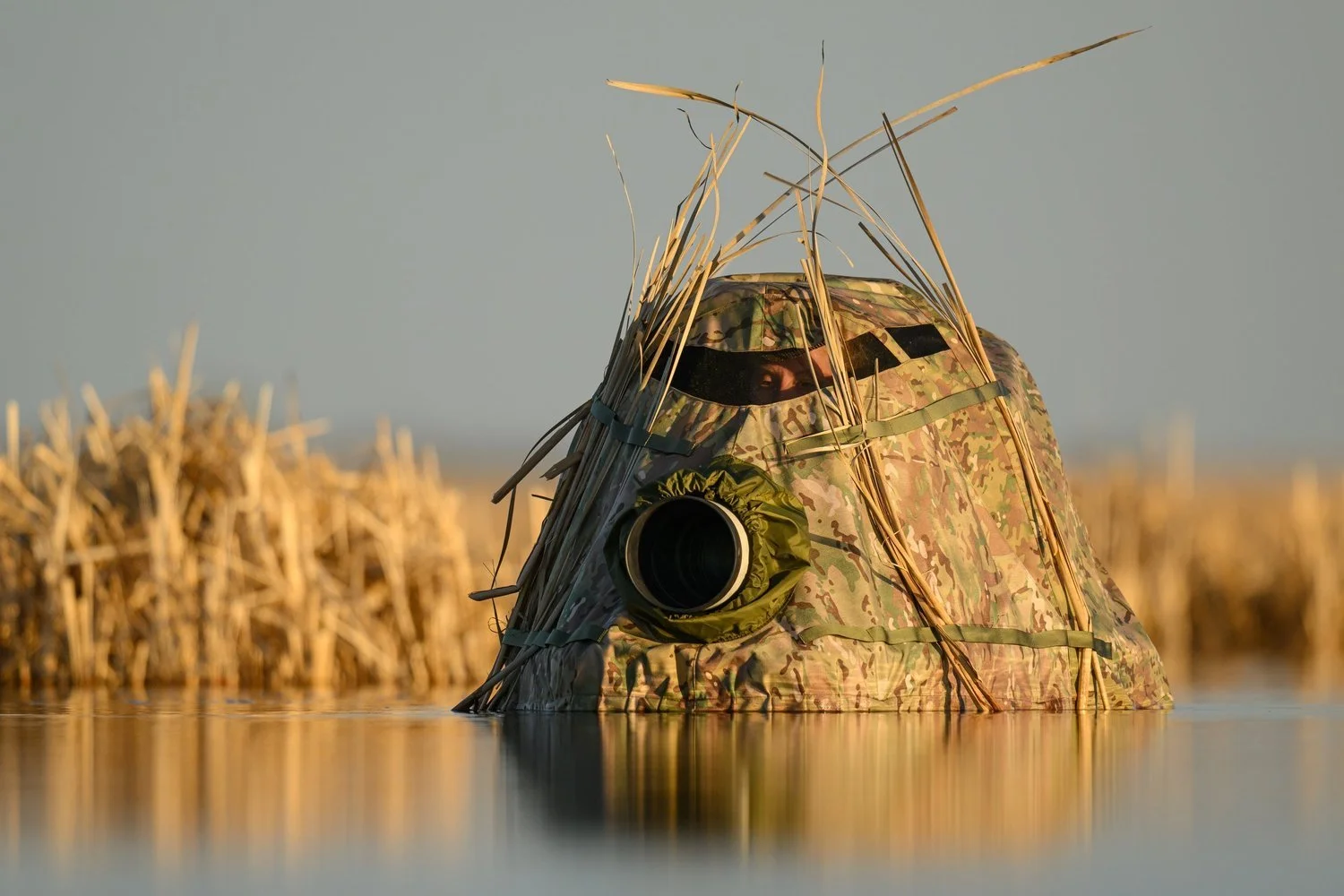
Success depends entirely on fieldcraft. In a floating blind, I become something else—something unrecognizable. But even then, the work has only just begun; the camouflage is more about how you move than what you wear. Every shift of weight sends out ripples, every step stirs the sediment in a slow, swirling ribbon behind me. The water tells on you. Out here, progress is measured not in strides, but in inches. It’s a test of patience and presence. The goal isn’t to chase an image, but to dissolve into the landscape just enough that the birds forget to fear you.
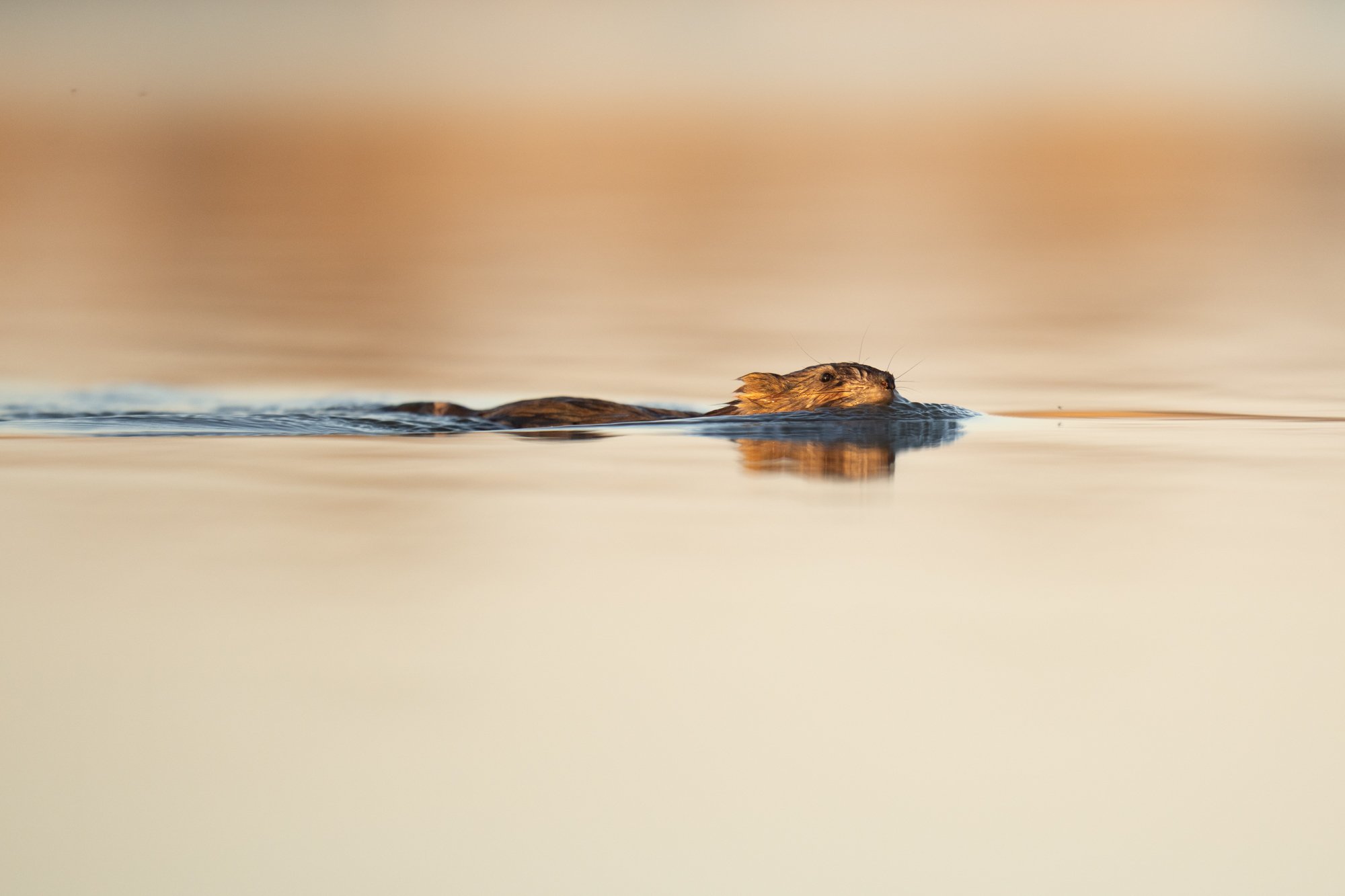
Floating blinds, working on my knees as they sink in the thick history of the pothole floor and calculating my movements by the inch are part of the job here. But there’s something sacred about being here at dawn, watching a pair of eared grebes rise from the water in a courtship dance mere feet away from you. It’s a feeling beyond words that I can watch them build their nest because of the care I’ve taken to disguise my presence. It’s a badge of honor that a muskrat can nearly mistake me for one of his huts, swimming by so closely he grazes the edge of my blind.
The prairie potholes beauty is a quieter type of beauty than the mountains or the oceans, but no less profound. Watching it reveal itself to me slowly is my meditation. I’ll never have the patience to close my eyes and quiet my mind, but I’ll sit in this blind for hours on end for the peace this place provides.