
The Art of Pre-production: How professional photographers plan for success

One of the defining traits of a professional photographer isn’t just technical skill—it’s the meticulous planning that happens long before the shutter clicks. The work done at home, weeks ahead of a trip, often determines the success of an assignment more than the time spent in the field. This part of the job is easy to overlook because it lacks the instant gratification of capturing a perfect moment, but without it, those moments might never happen at all.
In just a few days, I’m heading to the Alaskan coastline to photograph bald eagles. It’s a trip I’ve done before, but familiarity doesn’t mean complacency—quite the opposite. Each season brings its own rhythms, behaviors, and conditions, and if I miss an opportunity this year, I’ll have to wait another full cycle before it comes around again. Wildlife photography doesn’t offer do-overs, only lessons in patience and preparedness.
Photographing eagles in Alaska requires more than just showing up with a fast lens. I need to plan for weather that shifts without warning, for light that changes by the minute, and for the behavioral patterns of the birds—where they feed, how they interact, and what environmental cues might influence their movements. This isn’t just about getting “a shot.” It’s about getting the right shots—the ones that add something fresh to my archive rather than duplicating what I already have.
Defining Success Before You Arrive
Before any major trip, my first step is to assess my archive. What do I already have? What’s missing? Where are the gaps in my collection that need to be filled? Are there patterns in my work that I need to break up and shake up a bit?
I break this process into three key questions:
- What gaps exist in my personal archive of tier-one stock (images I sell directly to photo editors and other clients)?
- What gaps exist in the archives of the stock agencies that represent my work?
- What older images need to be replaced or removed altogether?
That last point is one that many photographers overlook, but it’s crucial. I am ruthless when it comes to culling and curating—if an image no longer represents my best work, I remove it from my main archive. I might keep it backed up “just in case,” but it has no business taking up space on my working drives or being marketed to clients. If I’ve evolved from “that’s a decent snapshot” to “that’s a stunning portrait” of the same species, it’s time to let the old version go.
I also prefer to spend fewer than five minutes on every photo I keep, so every time I’m in the field, I want to ensure I’m coming home with the best possible images in-camera. Pre-production work like this guides my focus and helps me work smarter across the board.
The Power of Organization
Most photographers, especially when starting out, don’t think long-term about file organization. But as your library grows into the tens of thousands—or in my case, hundreds of thousands—lack of structure becomes a liability. When an editor requests a specific frame, the last thing I want is spending days digging through external drives, trying to remember which folder or hard drive it’s on. This challenge only grows when I’m in the field—I want to spend my time photographing wildlife, not hunting for old photos.
Many photographers I work with rely on a date-based filing system. Others create a new Lightroom catalog for each shoot. Personally, I use a single master catalog for everything, with only rare exceptions for assignments that require a separate catalog to be delivered to an editor or when outsourcing editing.
Relying solely on a date-based system has its drawbacks. Over time, the years blur together—was that eagle shot from Alaska in 2021 or 2022? Did I already process that image from last year’s trip, or is it still in my backlog? Or was it actually the eagle I photographed in Minnesota?
This is where Smart Collections in Lightroom become invaluable. Instead of manually sorting images into folders, I use automated rules based on keywords and metadata to keep everything instantly retrievable. Some of my key Smart Collections include:
Birds
Panama
Alaska
Brazil
Portfolio
Social Media
Bears
Owls
General Stock
Private Stock
Fine Art
Family
Events
With these collections, a quick search for “Alaska” instantly pulls up every photo I’ve ever taken in the state. If an editor requests eagle shots, I don’t have to sift through years of images—I go straight to my “Birds” or “Alaska” Smart Collection and find what I need in seconds. Because I’ve used a variety of metadata to keep my archive organized, I can also search for “Alaska eagle,” “eagle,” or “raptors.” In other words, I’ve built my own personal search engine inside Lightroom, making my workflow exponentially more efficient.
Fine-Tuning the Shot List
A trip to Alaska is always thrilling, but before I pack my bags, I already know what I need to focus on this year.
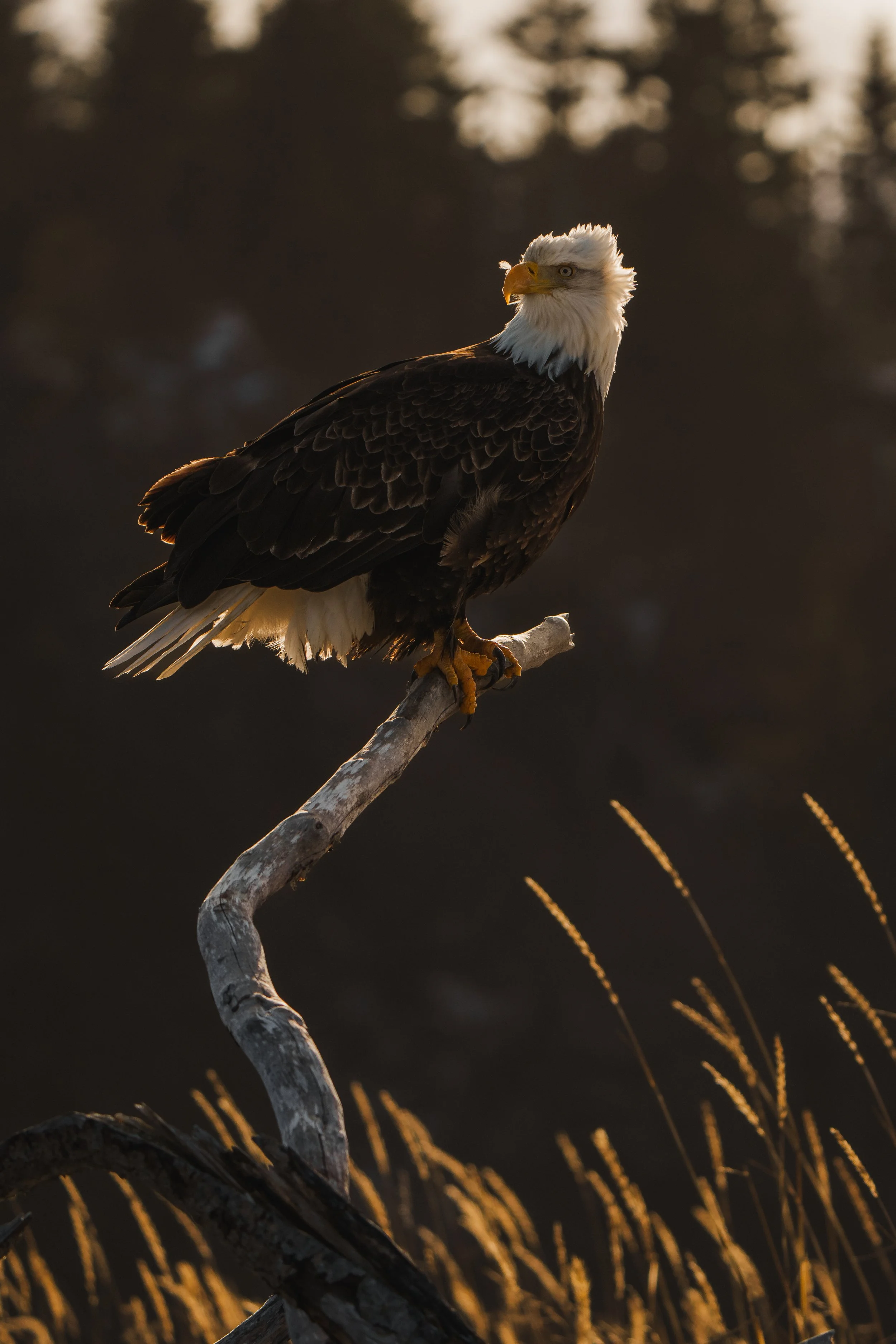
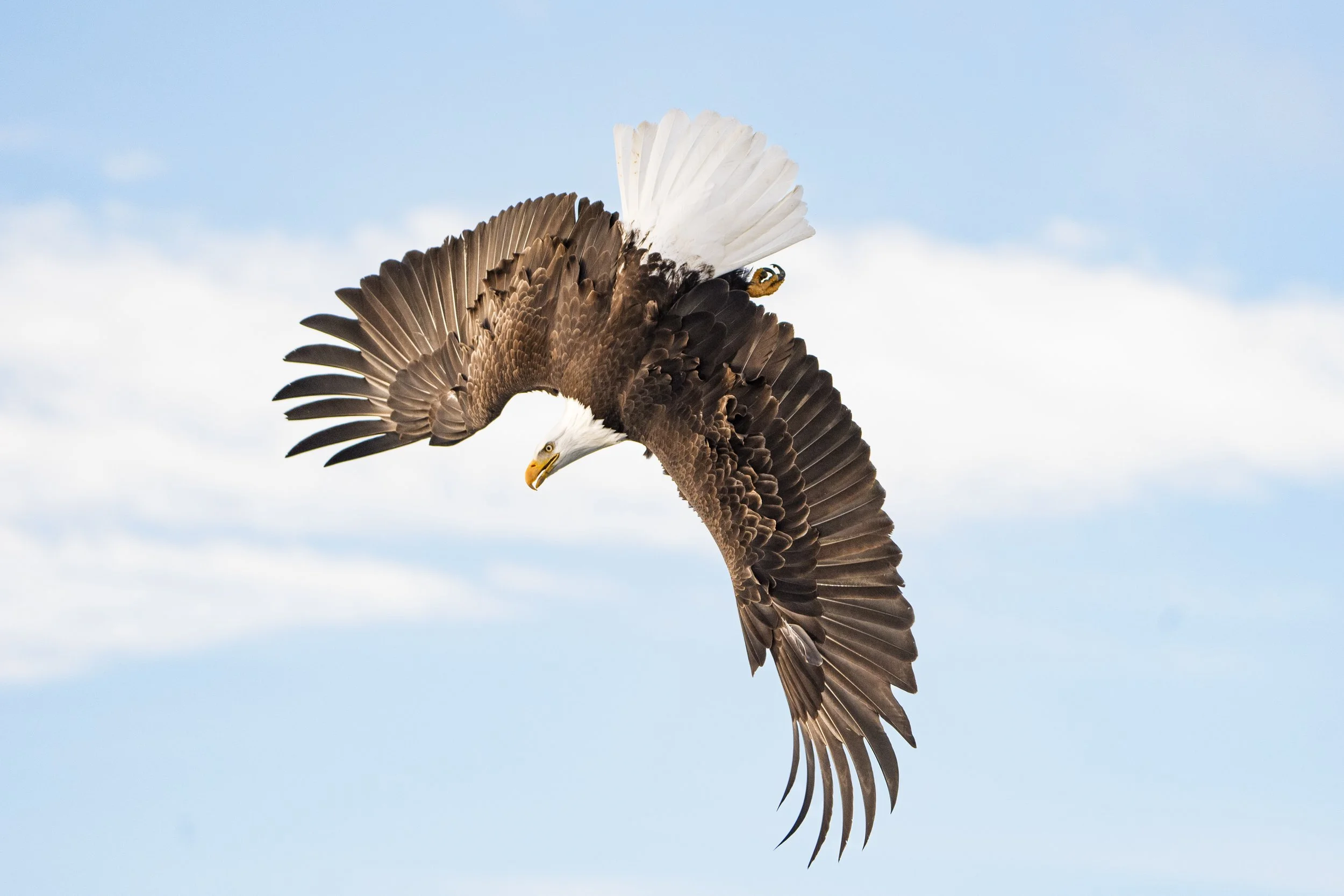
Looking through my archive, I see that I accomplished last year’s goal of capturing stronger environmental images that convey a sense of place. Now, I need to push my creative use of light and update my portrait work. I have plenty of images of eagles soaring and fishing, but I need to experiment more with low light, backlighting, and dynamic compositions.
Beyond filling gaps in my own portfolio, these images also serve a larger storytelling purpose. Bald eagles are more than just striking subjects—they are indicators of ecosystem health. Their populations were once in steep decline due to pesticide use, but conservation efforts helped them rebound. Capturing images that place them in their broader environment helps communicate that recovery story.
Pre-Production Eliminates “Spray and Pray”
This kind of preparation—knowing in advance what I need—allows me to be deliberate in the field. Instead of firing off thousands of shots and hoping for the best, I will be on the lookout for moments that meet my objectives. Pre-production planning not only makes me more efficient, but it also keeps me engaged in the creative process.
There’s nothing wrong with taking a lot of images. But taking a lot of **thoughtless** images? That just means more time behind a screen, slogging through unnecessary files. Organization and planning streamline my workflow, ensuring that I’m in the best possible position to deliver results.
On top of that, photographing birds-in-flight is already a numbers game. The nature of the subject means I’ll have thousands of images destined for the trash to begin with—there’s no need to bog myself down with even more redundant shots.
Success is in the Systems
Whether you’re traveling to Alaska or photographing in your own backyard, success as a wildlife photographer isn’t just about capturing the shot—it’s about creating the conditions for those shots to happen. Pre-trip preparation, intentional organization, and a clear understanding of what you need are what separate professionals from the rest.
Your time in the field should be spent making photographs, not second-guessing what you need. The more you do in advance, the more freedom you have to focus on what truly matters: the story, the moment, and the art of the shot itself.