
NORTH OF ORDINARY: The Birds of Churchill’s Tundra and Taiga
If hearing the word “Churchill” conjures up images of white bears on white ice in your mind’s eye, you are not alone. Churchill, Manitoba, is one of the most celebrated polar bear destinations on Earth.
But there is another Churchill.
It doesn’t have a marketing campaign. It isn’t showing up on the glossy brochures. While the rest of the world is only thinking about Churchill for a couple of months out of the year, a small and dedicated community of bird photographers has quietly discovered that this sub-arctic landscape is one of the most extraordinary bird photography destinations on the continent.
This is not a destination that rewards you only because you got lucky. Churchill rewards you because the sub-arctic, in early June, is absolutely electric with life. And this workshop is built for bird photographers who want more than just a checklist. It's for photographers who want to understand the landscape that produces these birds, who want to make images that tell a story, and who want to leave with skills they didn't arrive with.
Consider this workshop your invitation to be among the first to discover, photograph, and share what this special place holds.
The INCREDIBLE DIVERSITY OF birds
Let me be honest with you: the bird list here could fill the rest of this page and still feel incomplete. I’m personally closing in on nearly 1,000 species on my life list and I still celebrated five life birds in just a few days, not to mention over 30 “firsts” of the year on top of everything else that made the list.
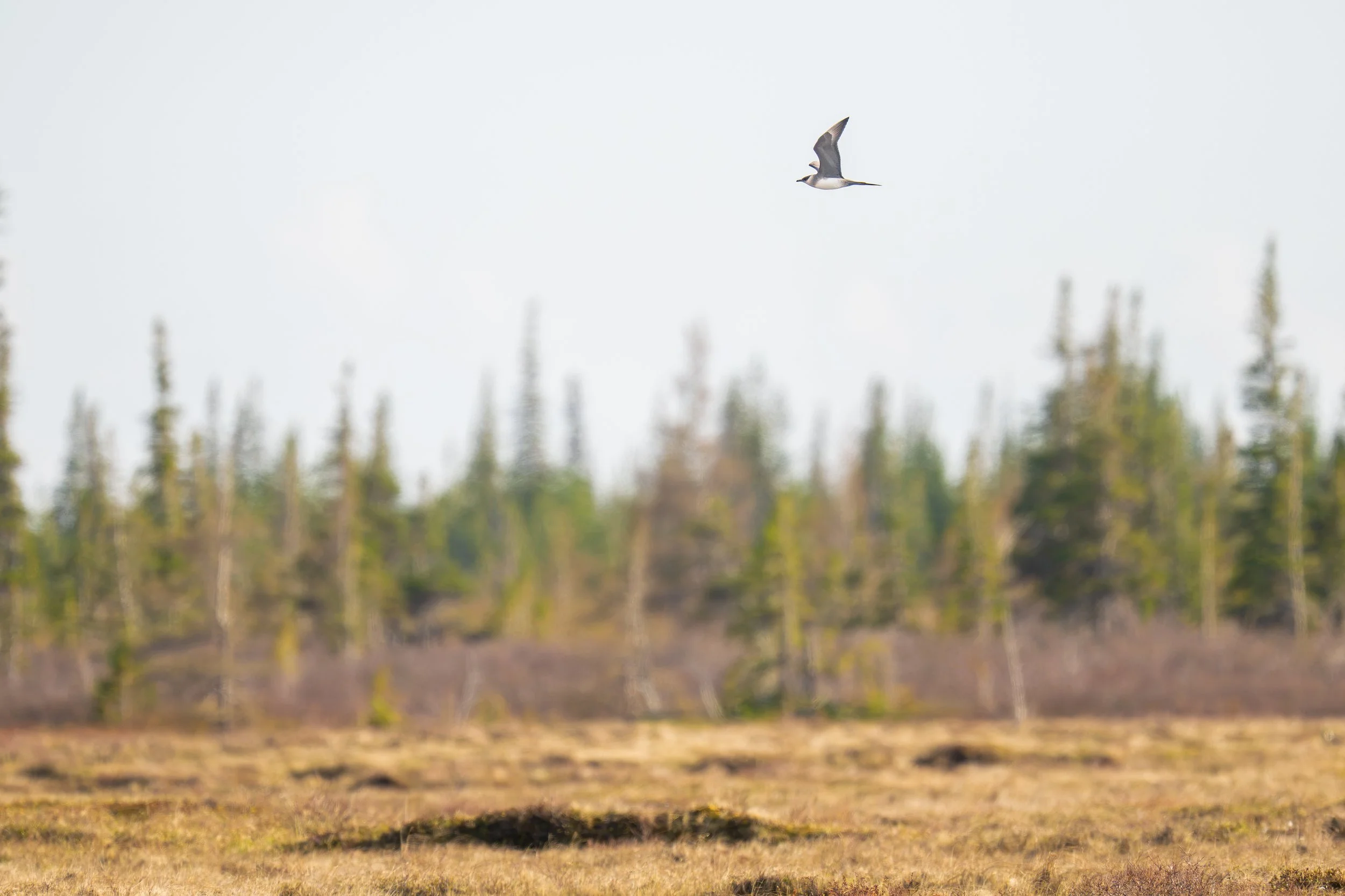
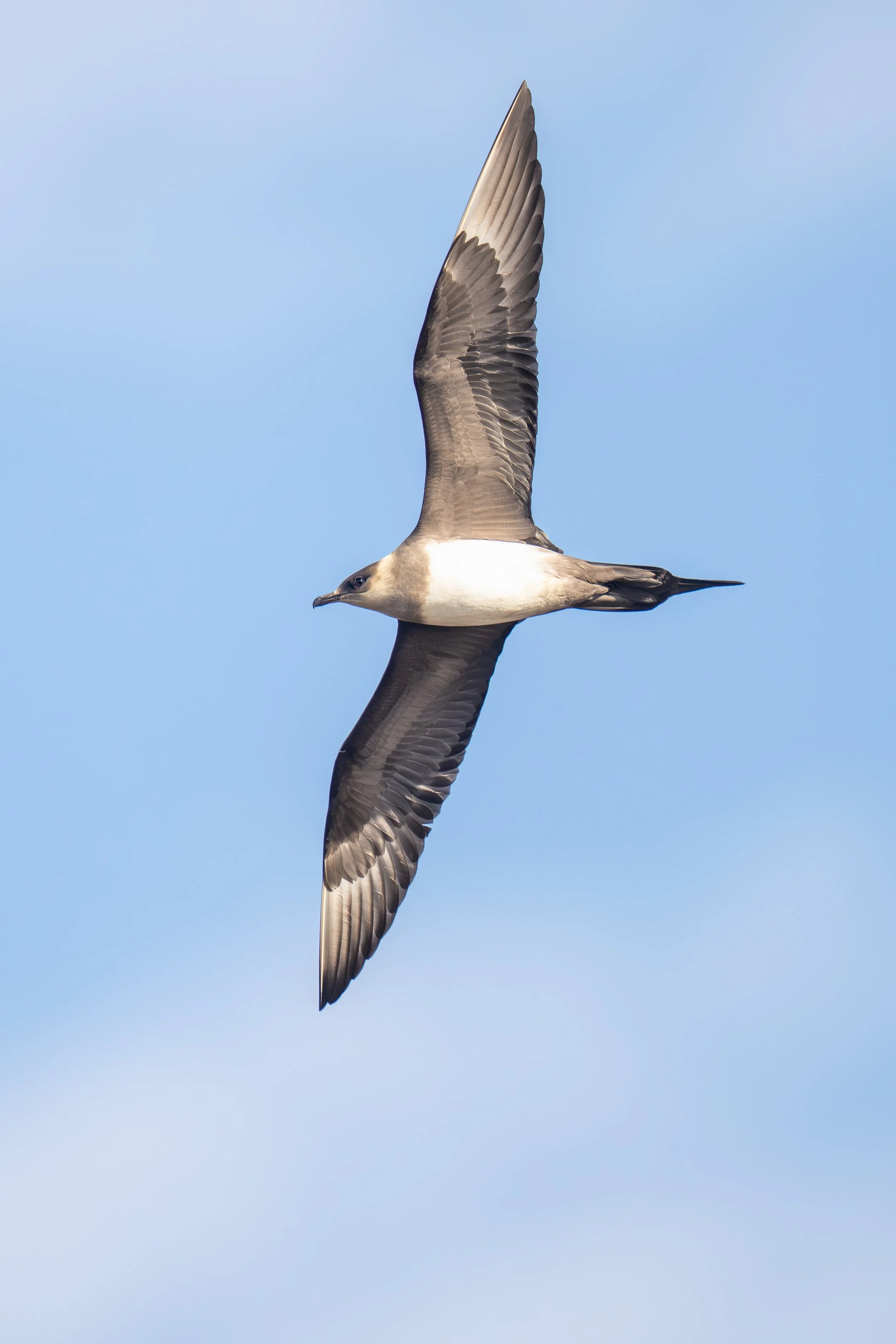
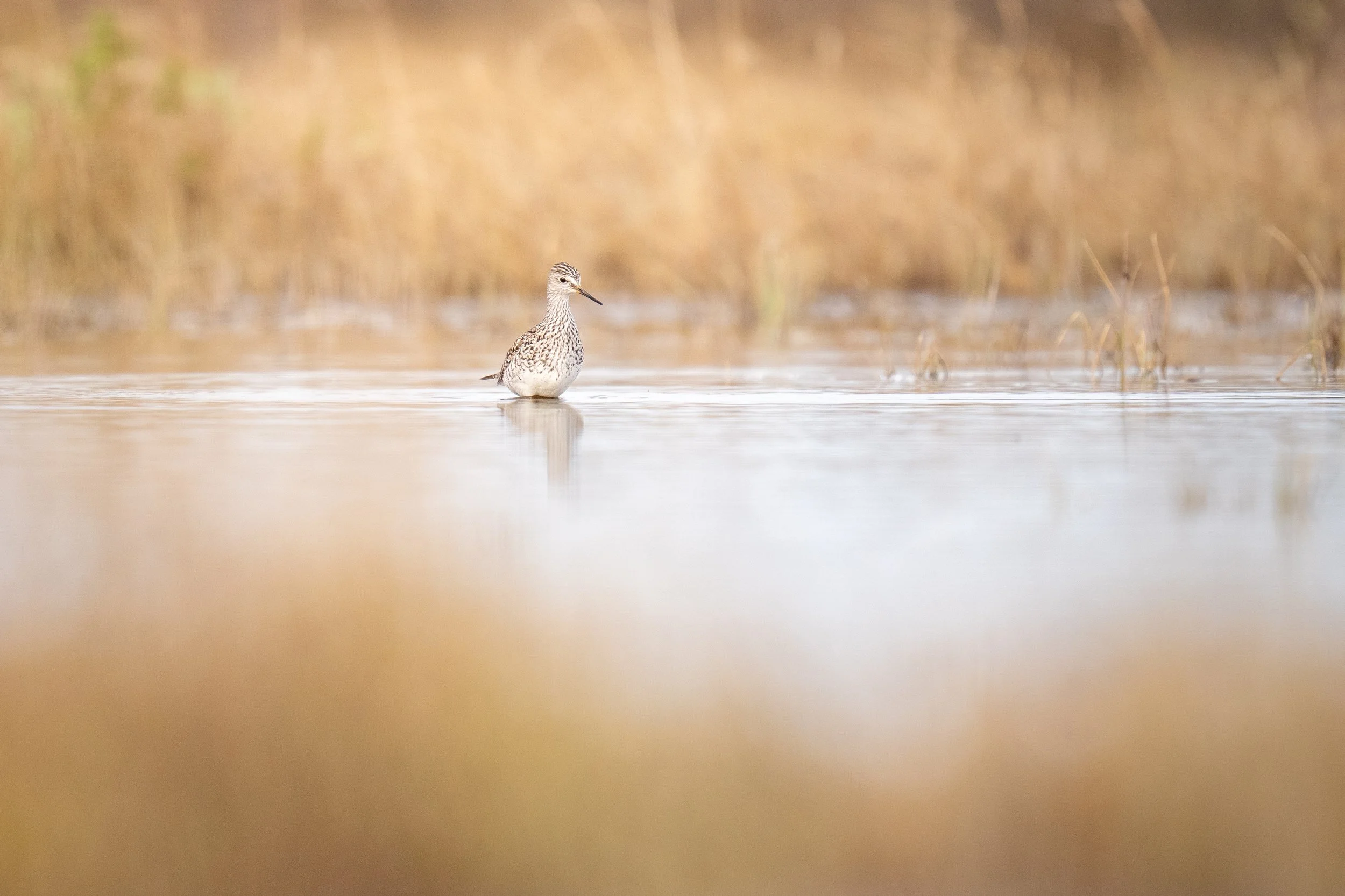
Nesting parasitic jaegers course over the tundra with the menace and grace of something designed specifically to be photographed in flight. I’ve never before experienced a jaeger ballet so close it was too tight to fit in my frame! Hudsonian godwits and Hudsonian whimbrel probe the wet sedge meadows, two of the most range-restricted breeding shorebirds on the continent using Churchill as a critical stop. Short-billed dowitchers work the shallows in tight, coordinated groups.
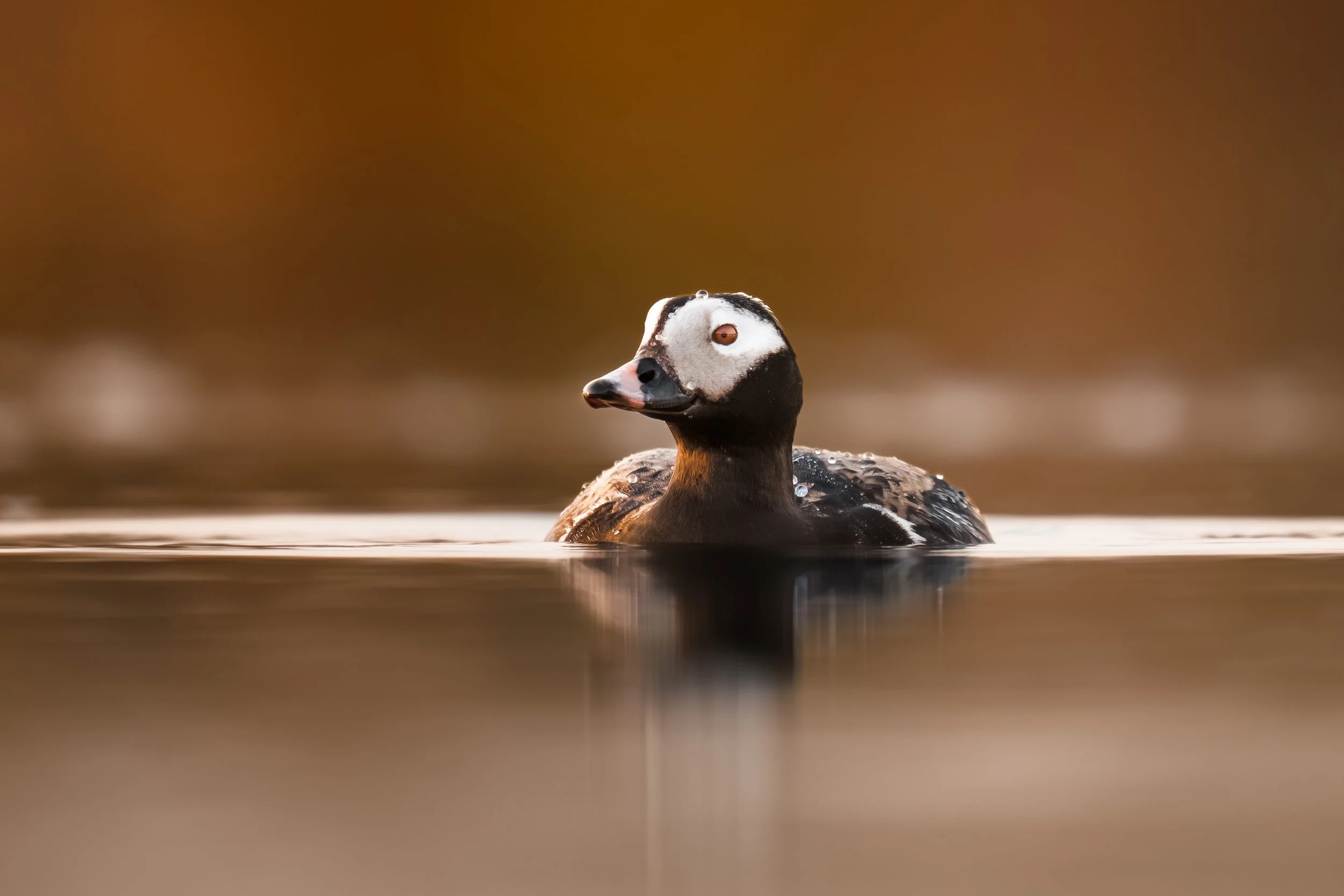
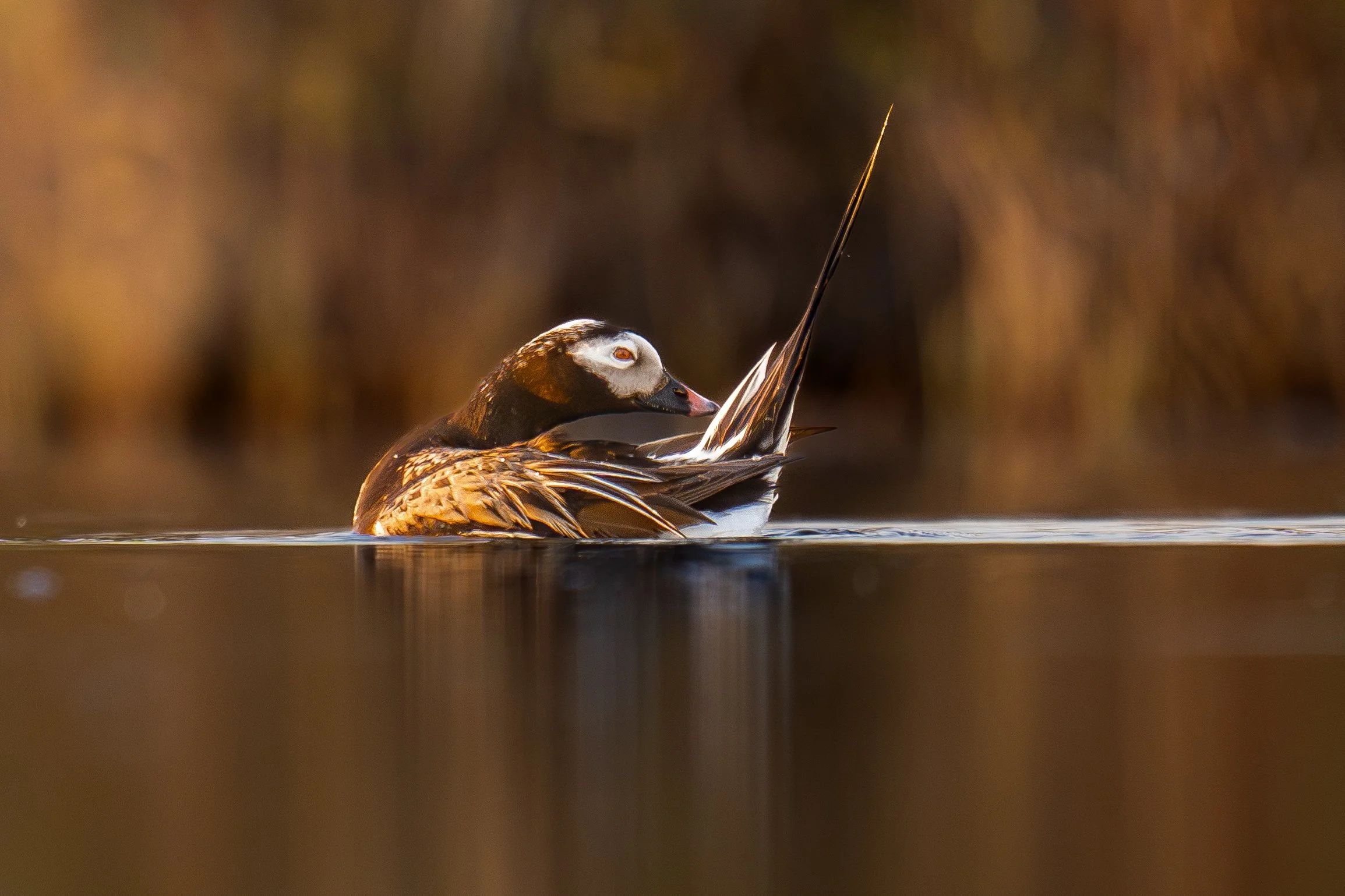
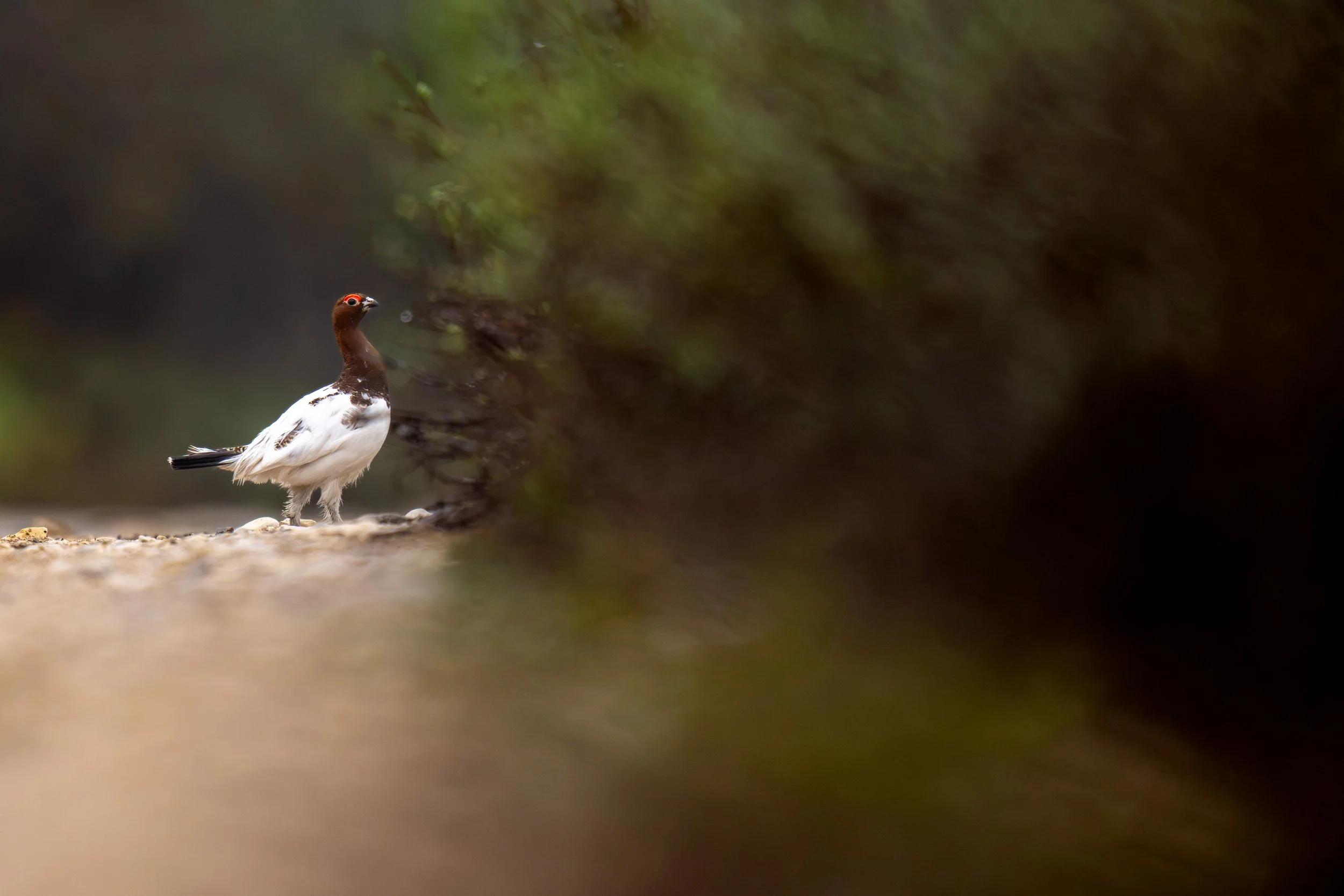
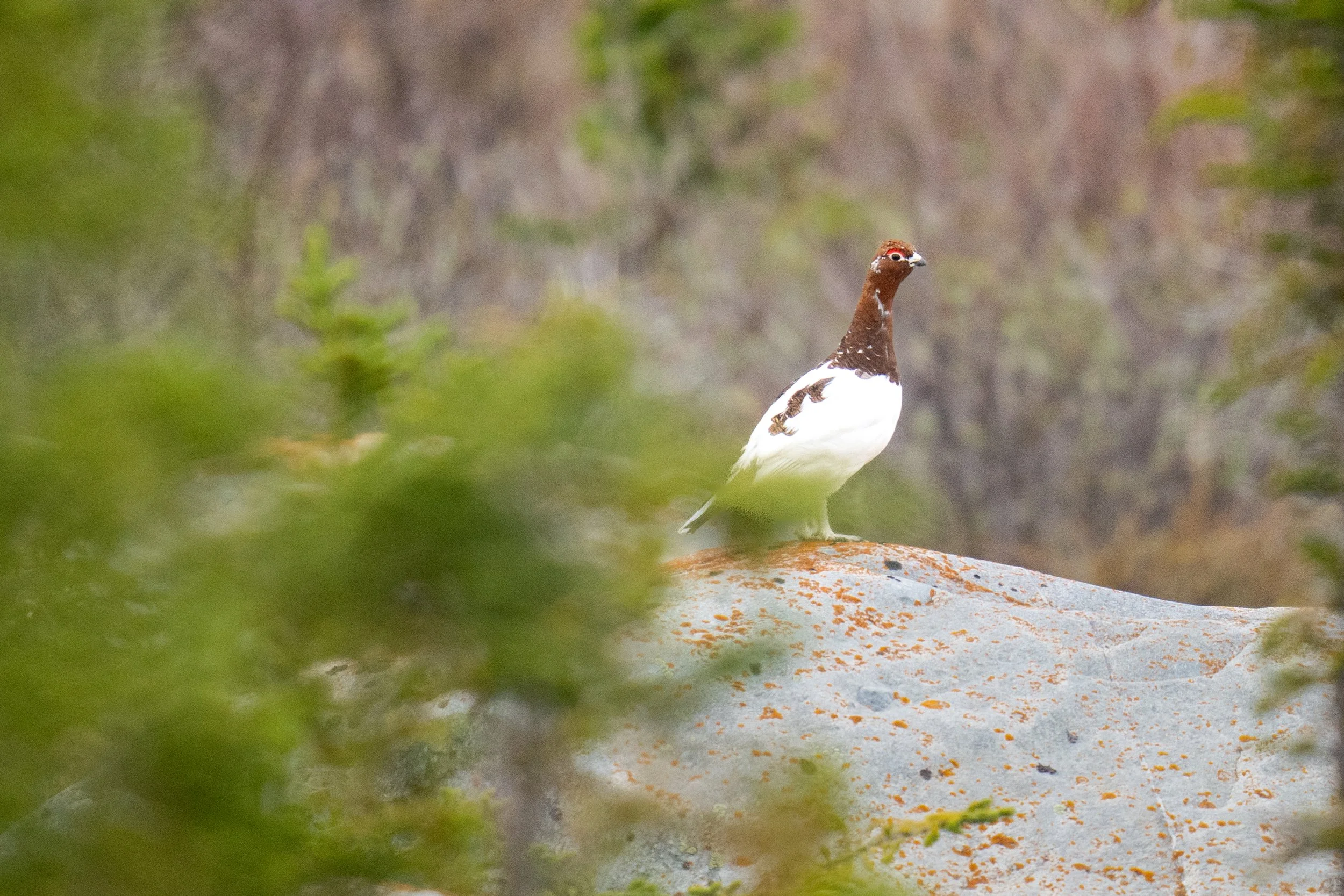
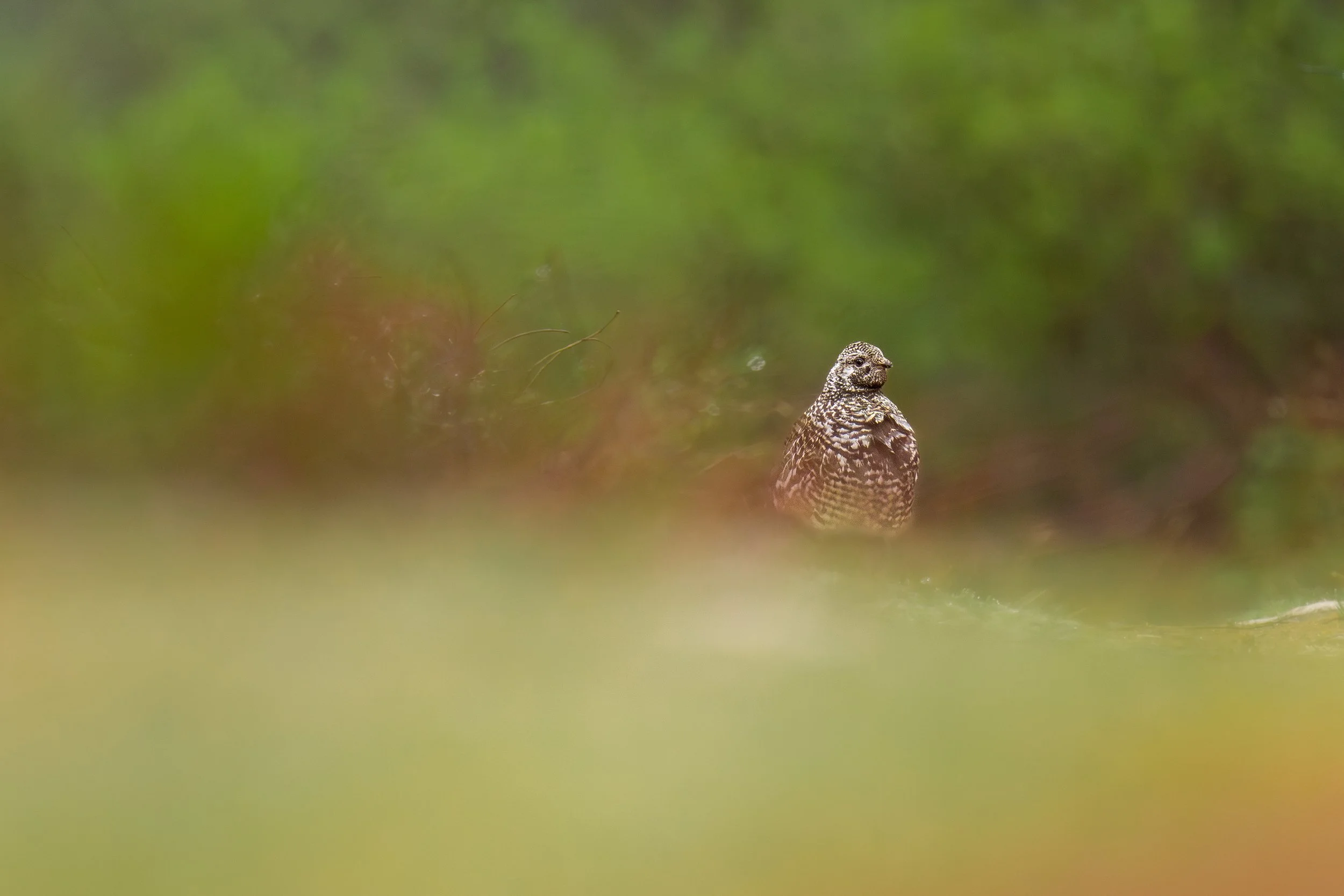
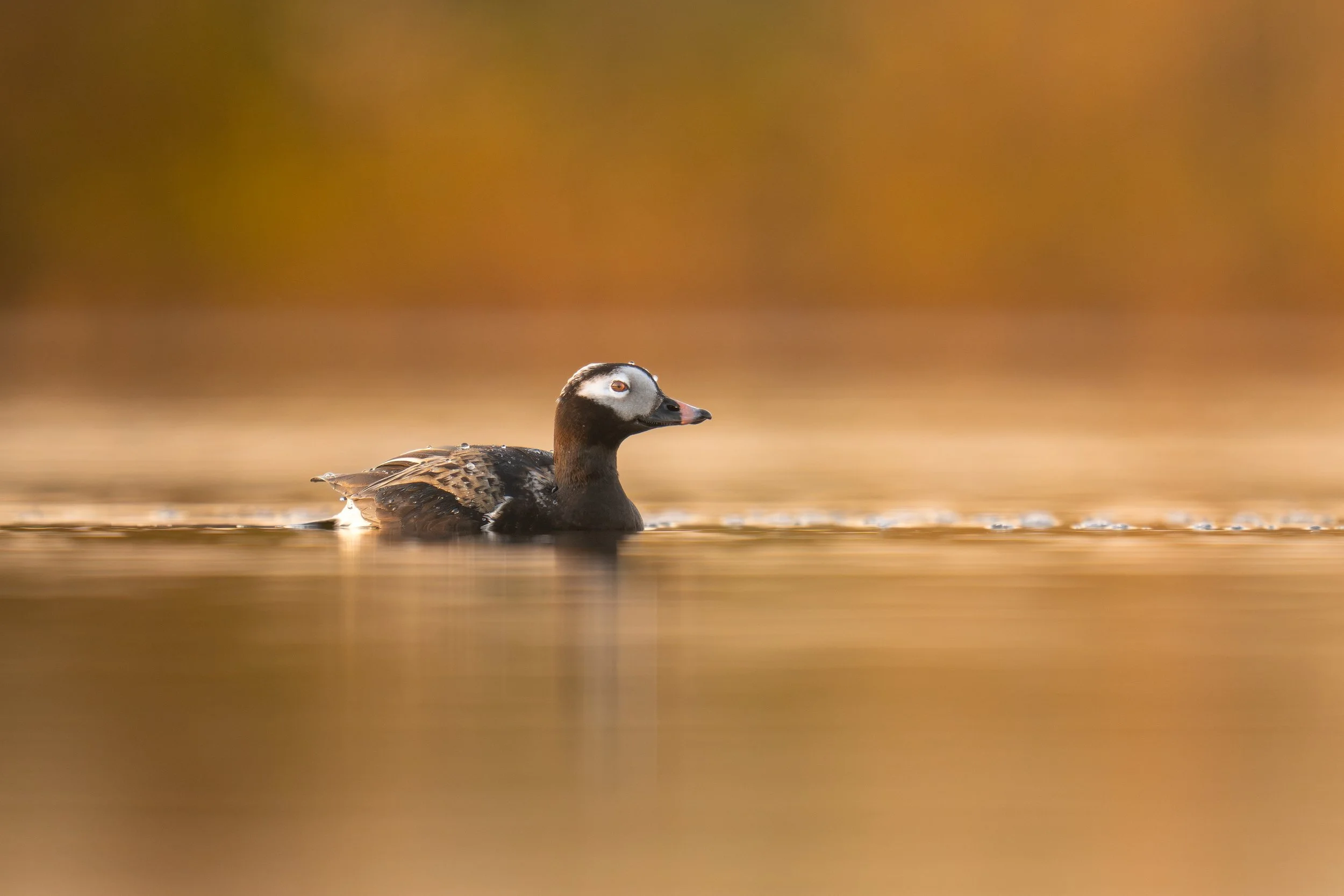
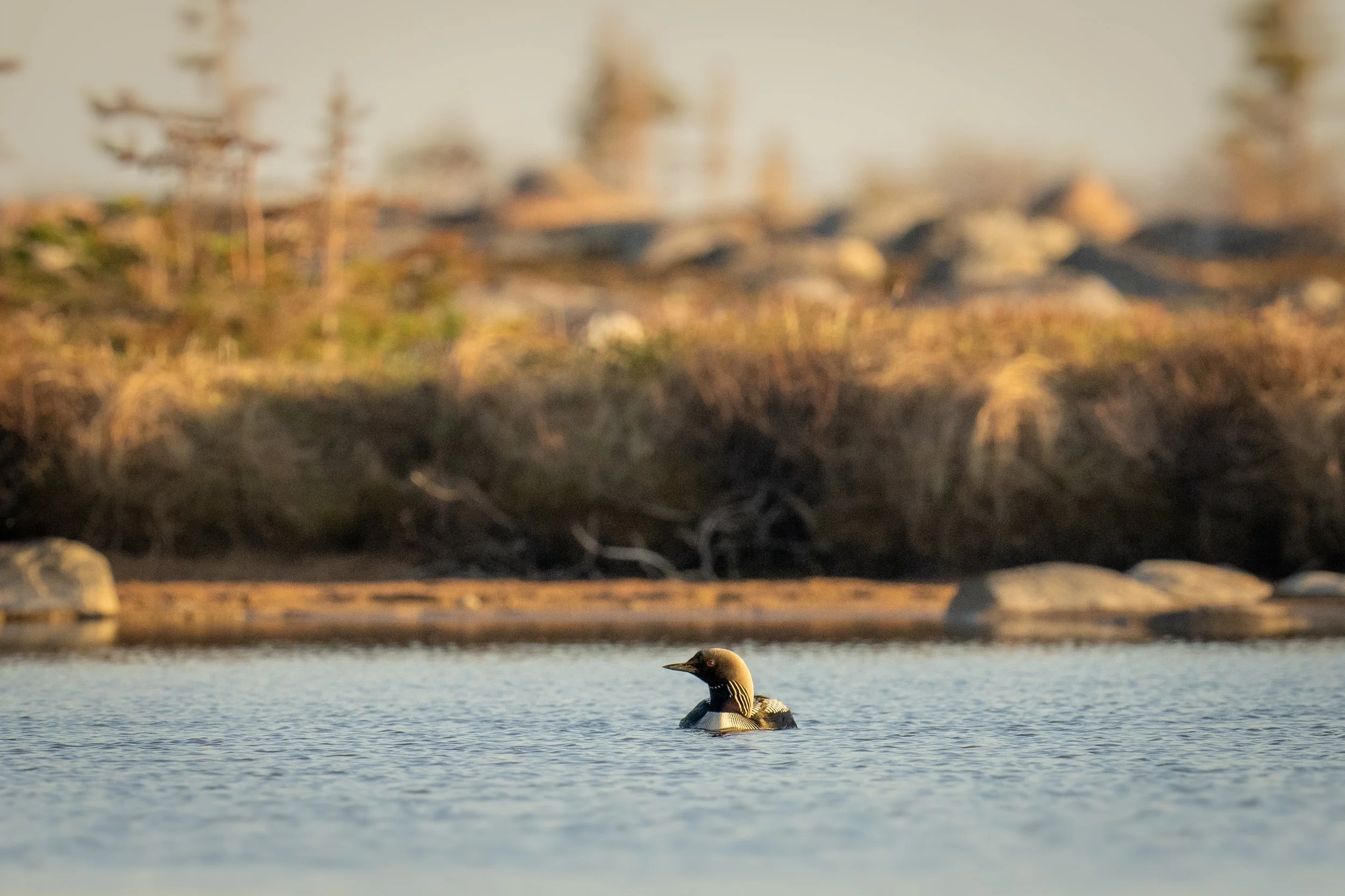
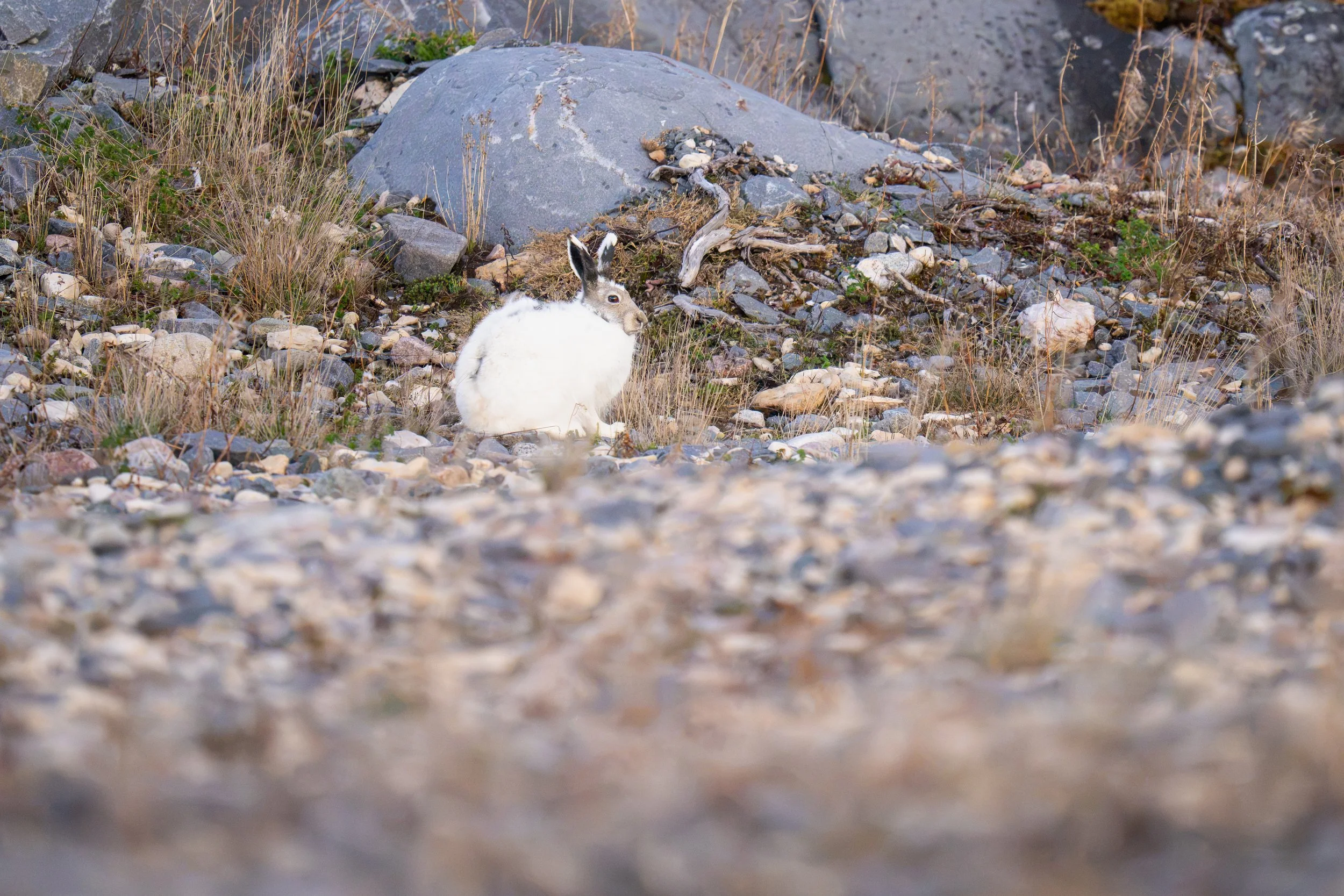
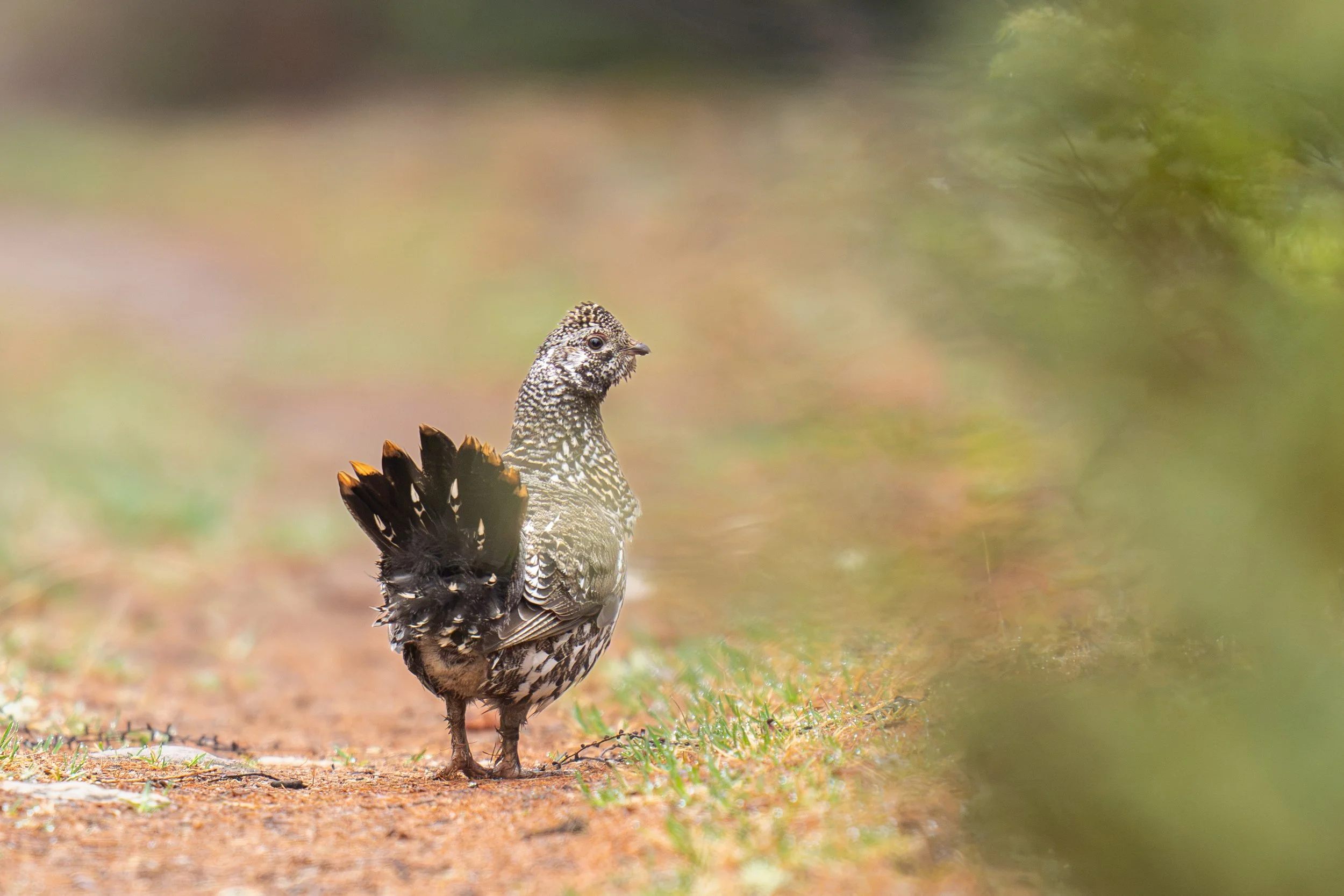
Long-tailed ducks, one of the most striking waterfowl in North America, are pairing up, the males begging for lens time as they preen their breeding plumage and show off their namesake tail. Pacific loons float on the tundra ponds with a stillness that belies how difficult they are to approach and how exquisite they look in good light. Spruce grouse and willow ptarmigan materialize from the forest edge like feathered ghosts, often allowing remarkably close approach in a way that will surprise you.
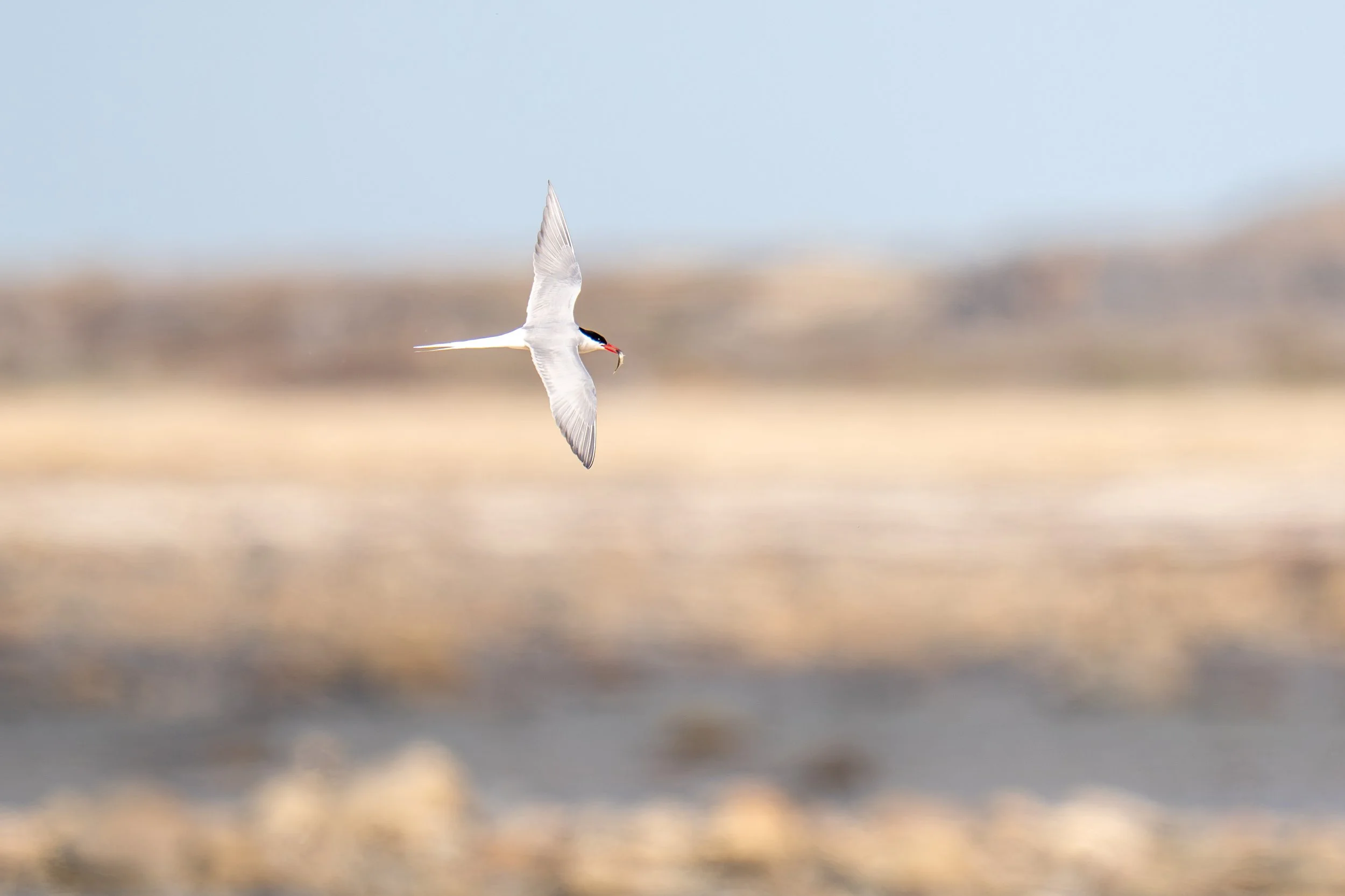
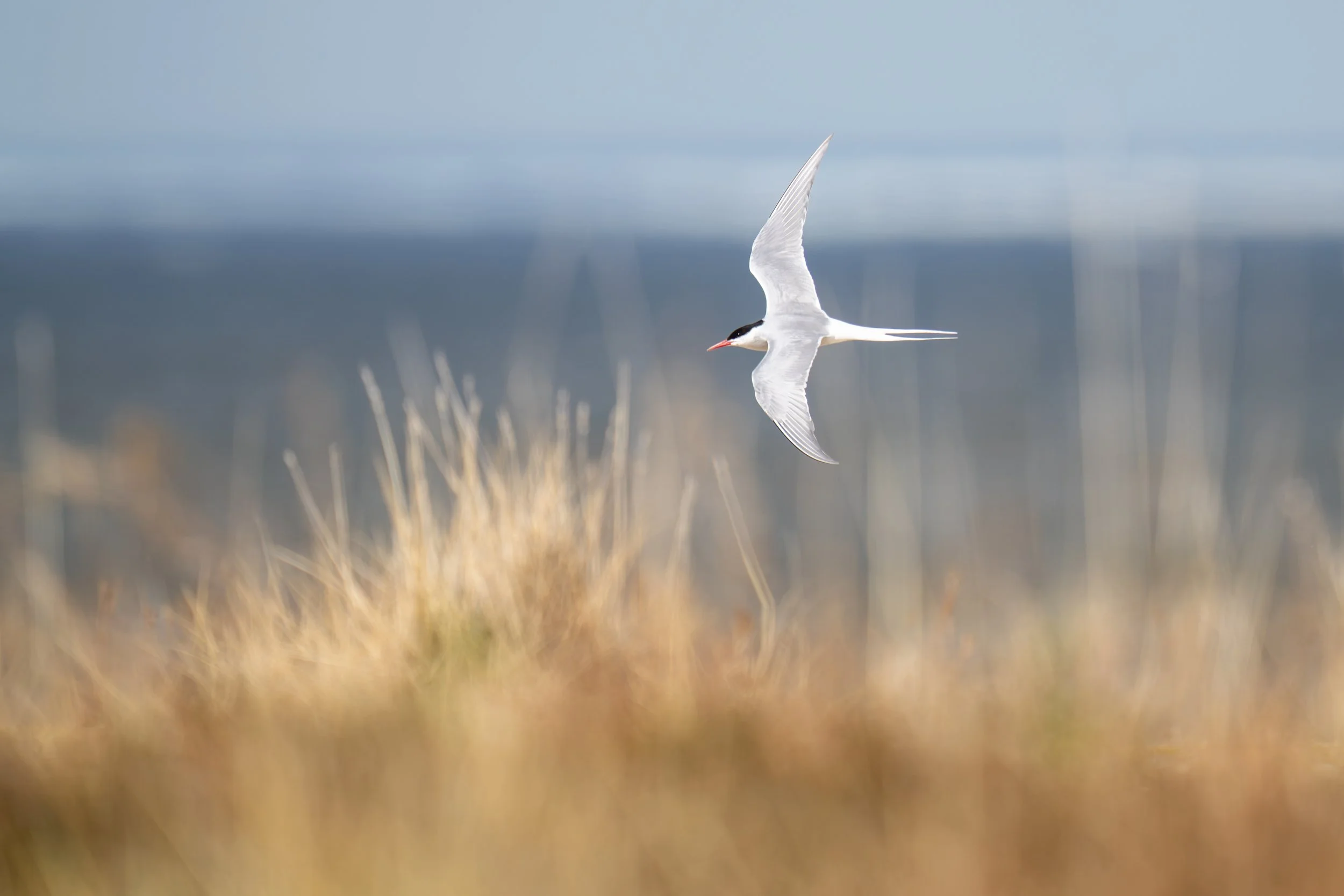
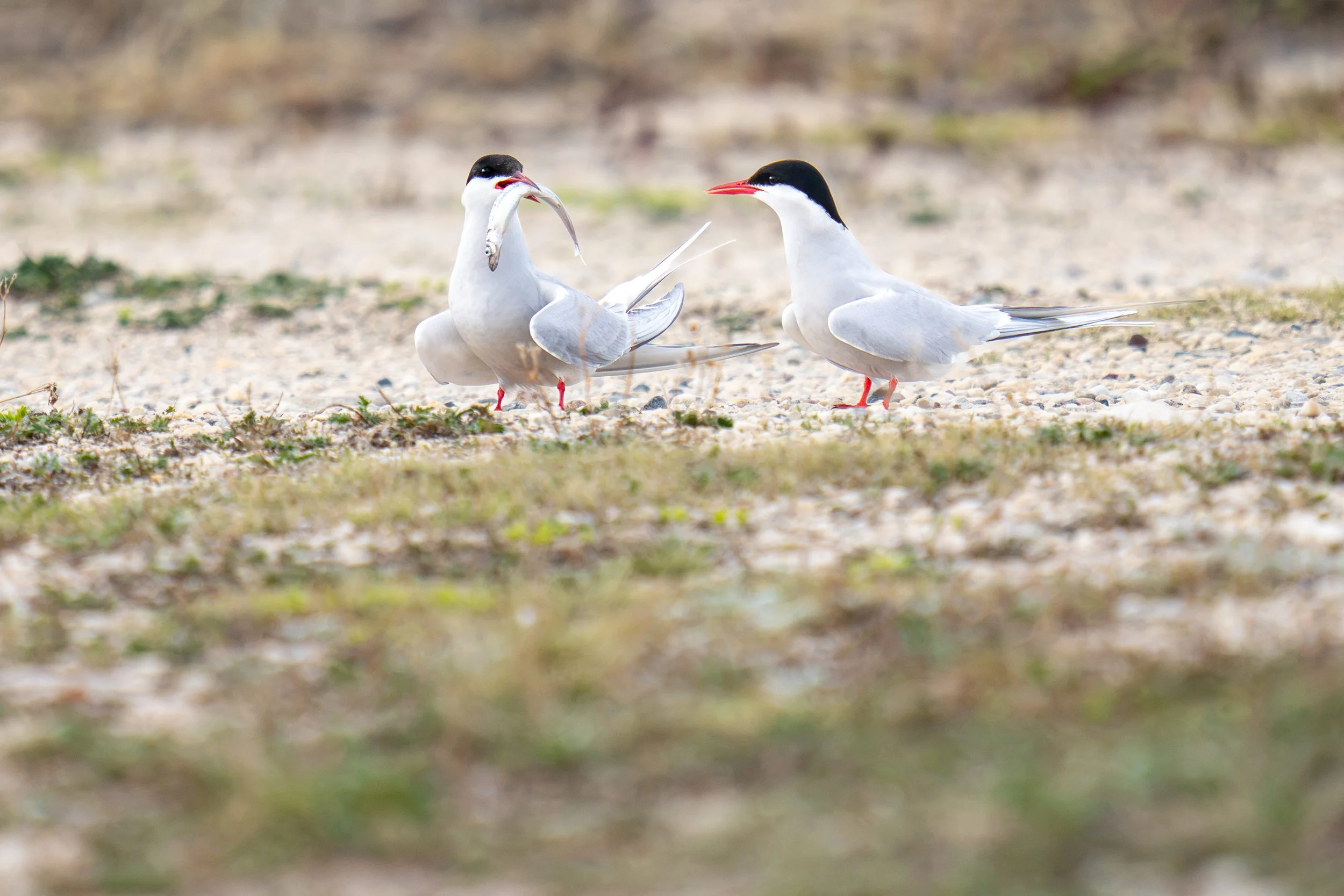
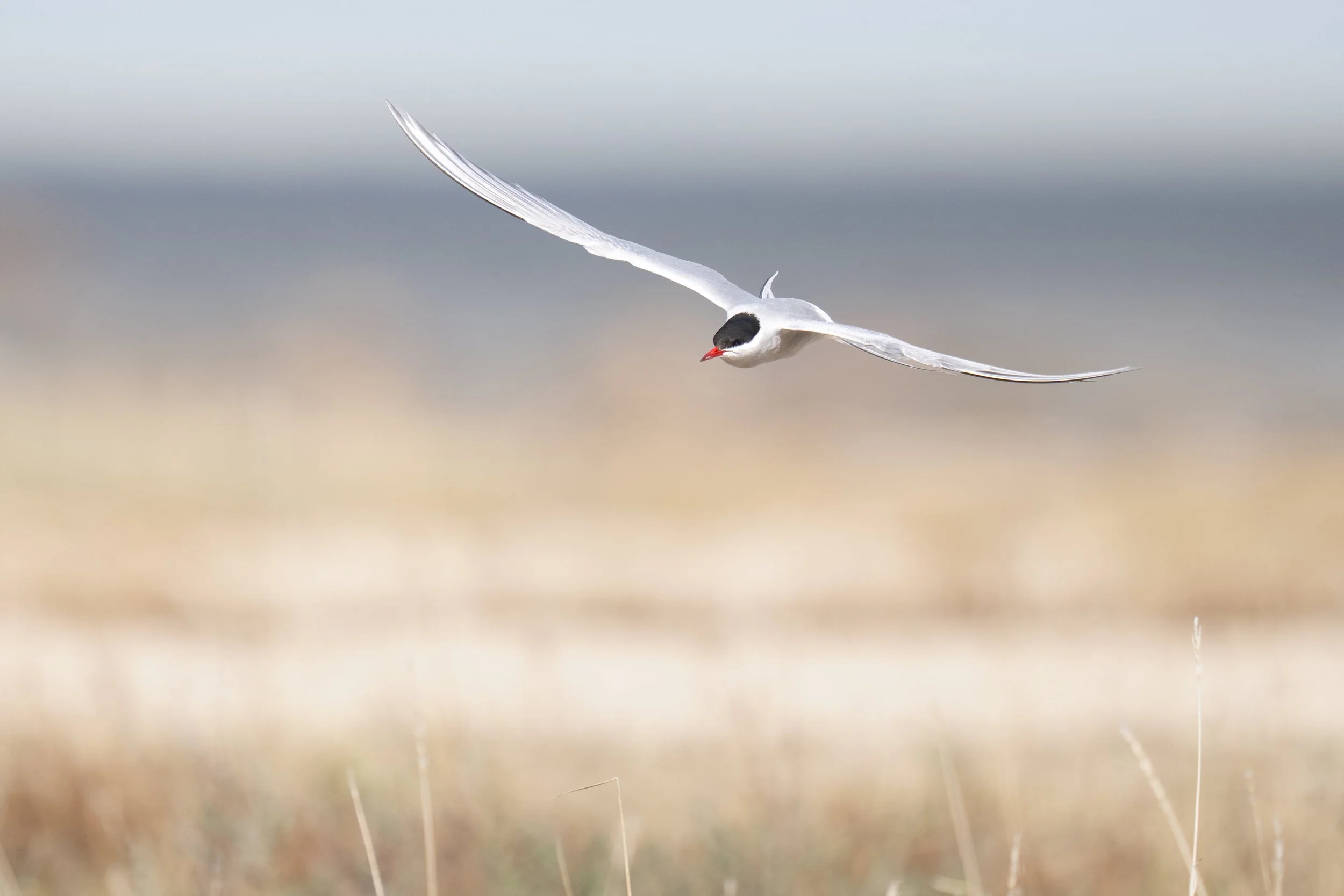
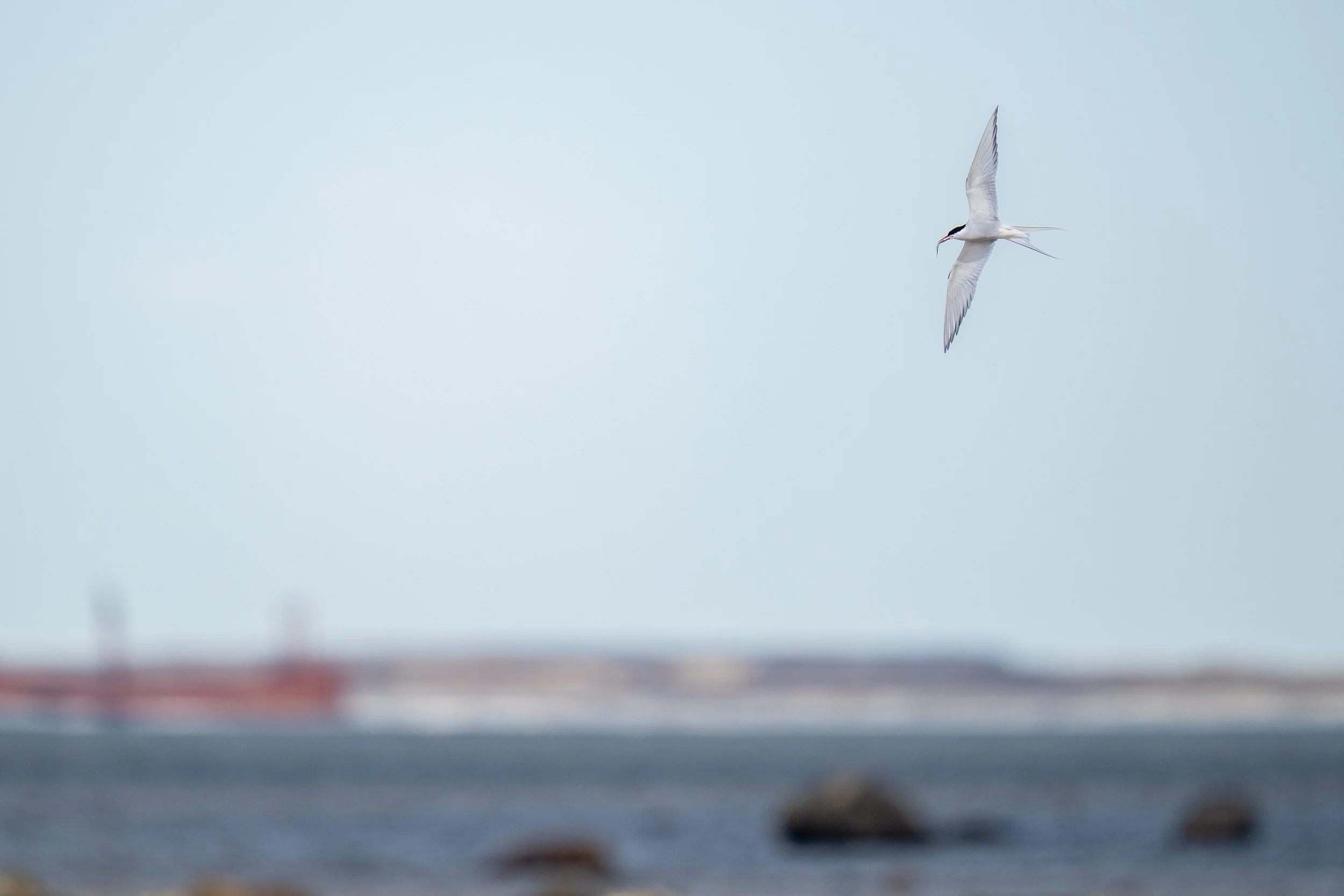
But if there is one bird that stops even the most experienced naturalist in their tracks, it is the Arctic tern. What you are looking at, when an Arctic tern wheels overhead at Churchill in early June, is an animal that has just completed one of the most extraordinary journeys in the history of animal life on Earth. 44,000 miles is what each bird covers in a year, the longest migration of any animal on the planet.
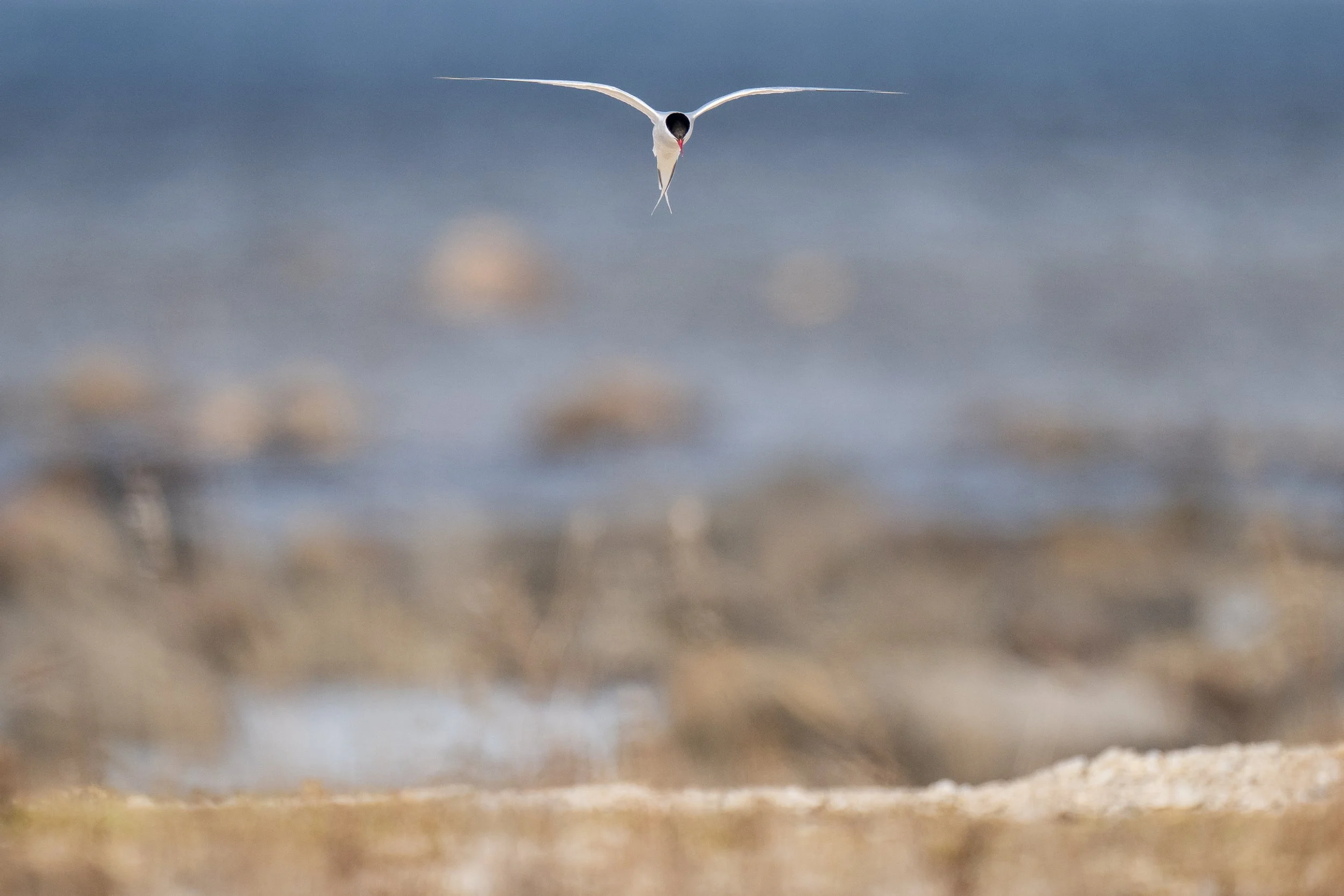
They are fierce, improbable, luminous birds, and Churchill holds a significant breeding colony of them. In the long, lateral light of a June evening, a tern hanging in the wind along the Stygge Creek is the kind of subject that makes you forget every technical concern and just try to do it justice.
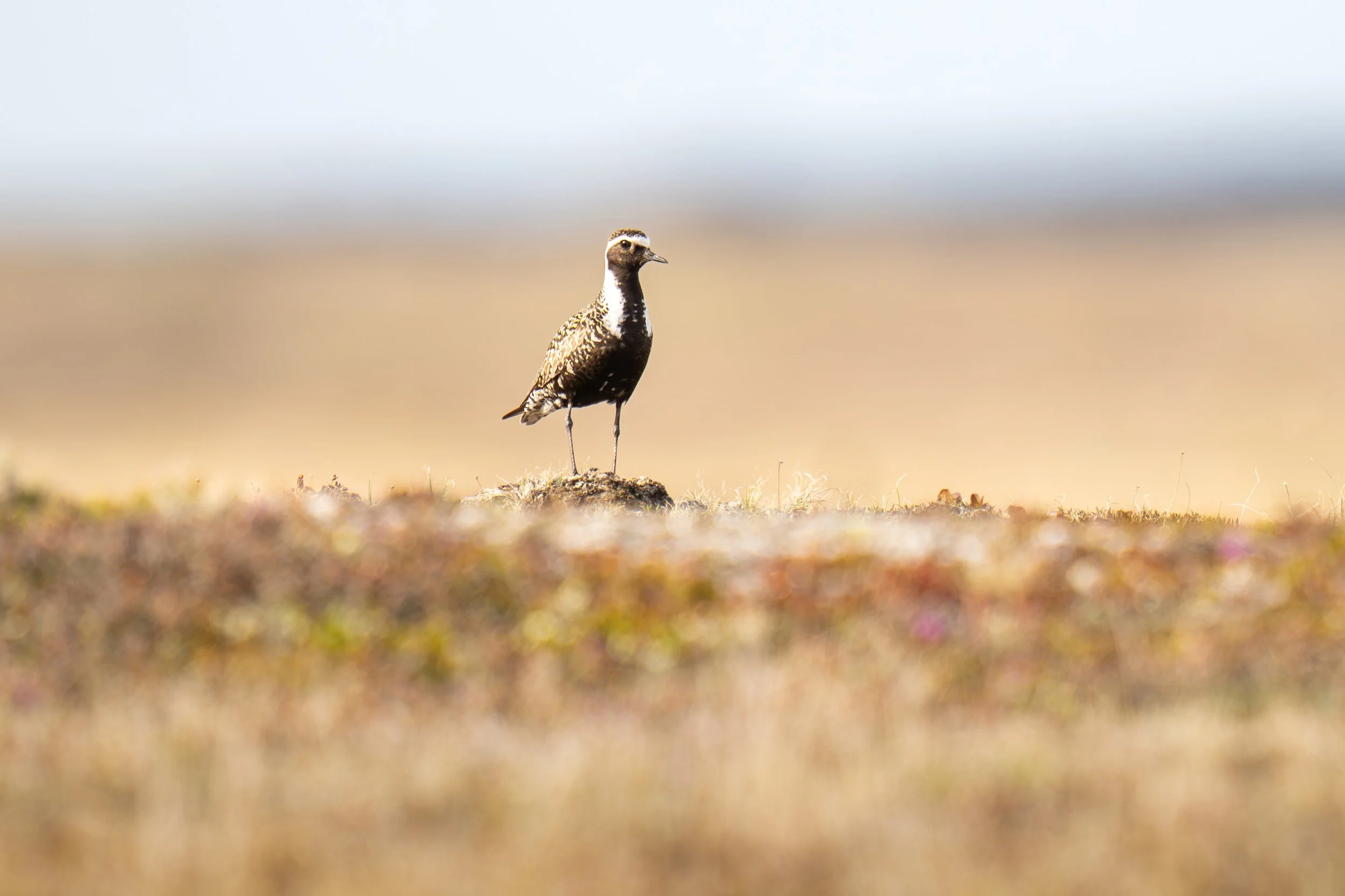
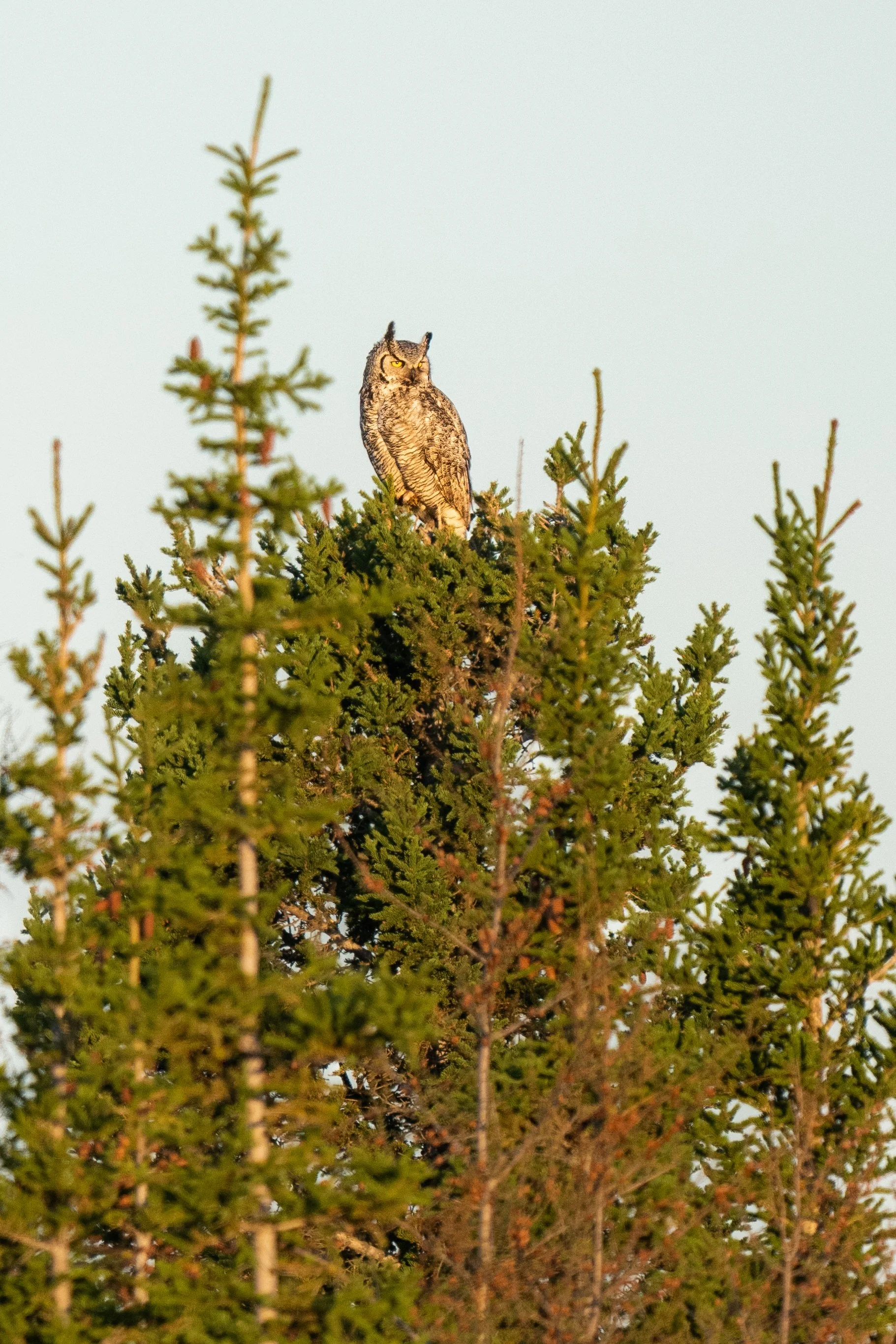
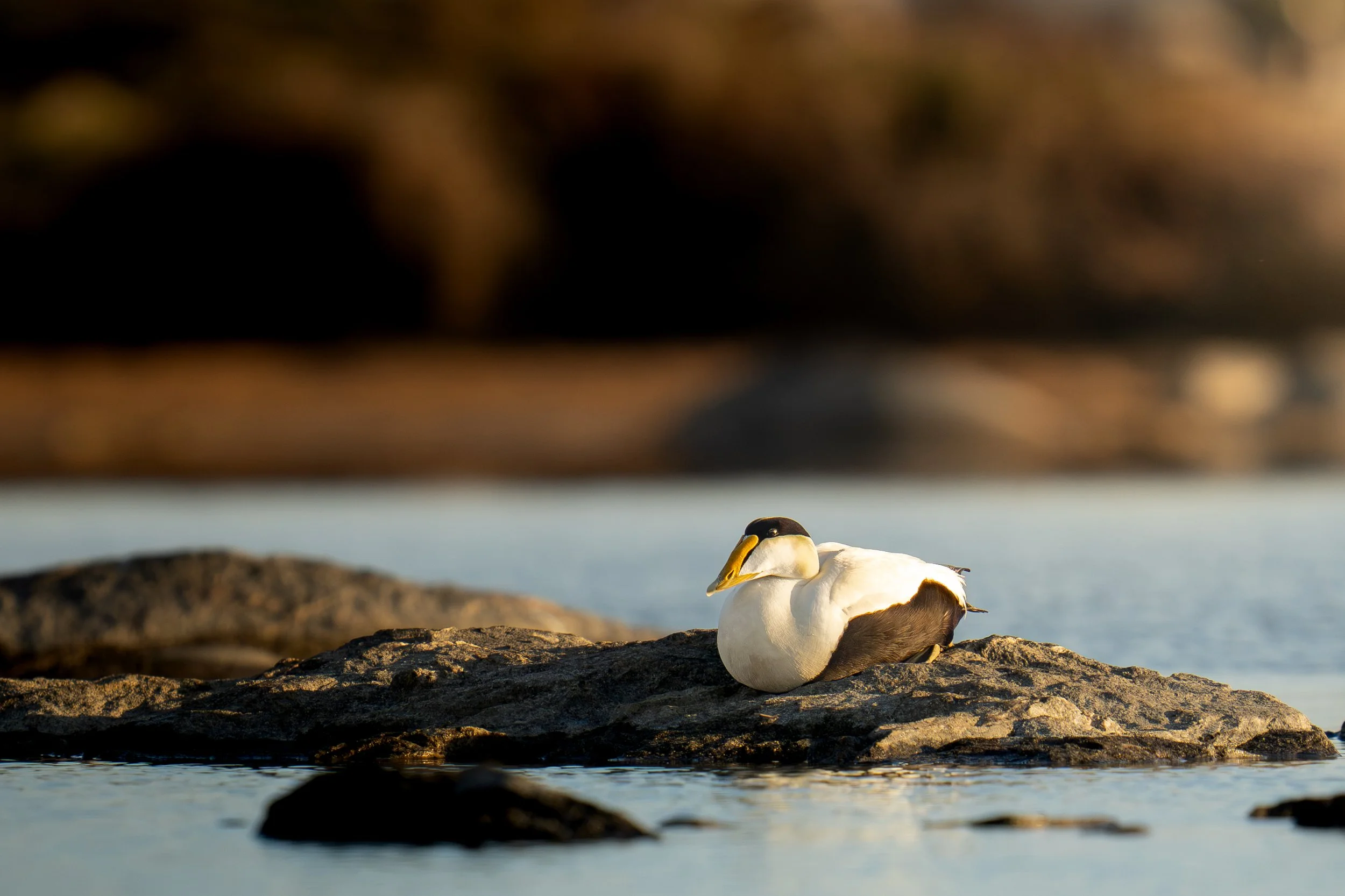
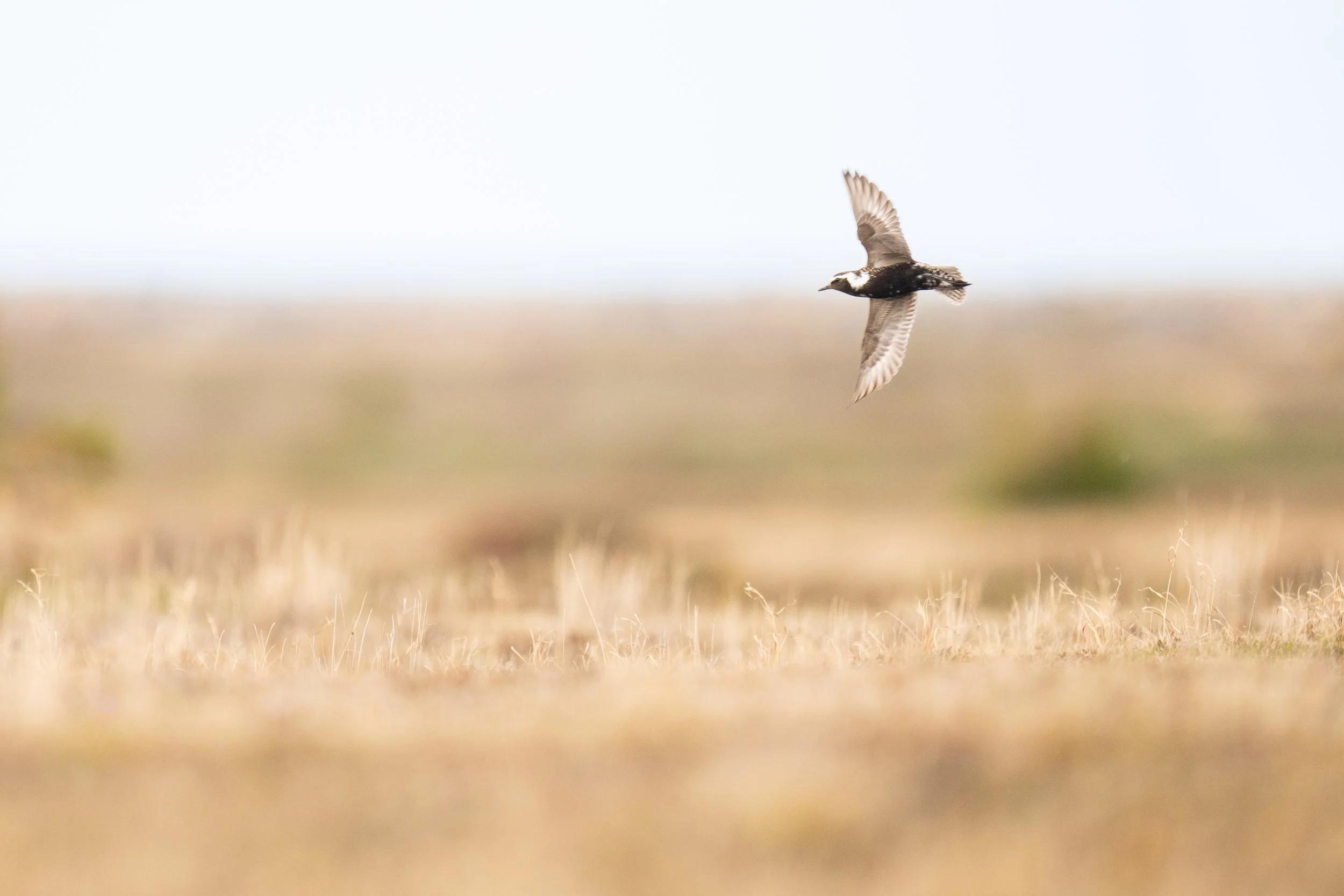
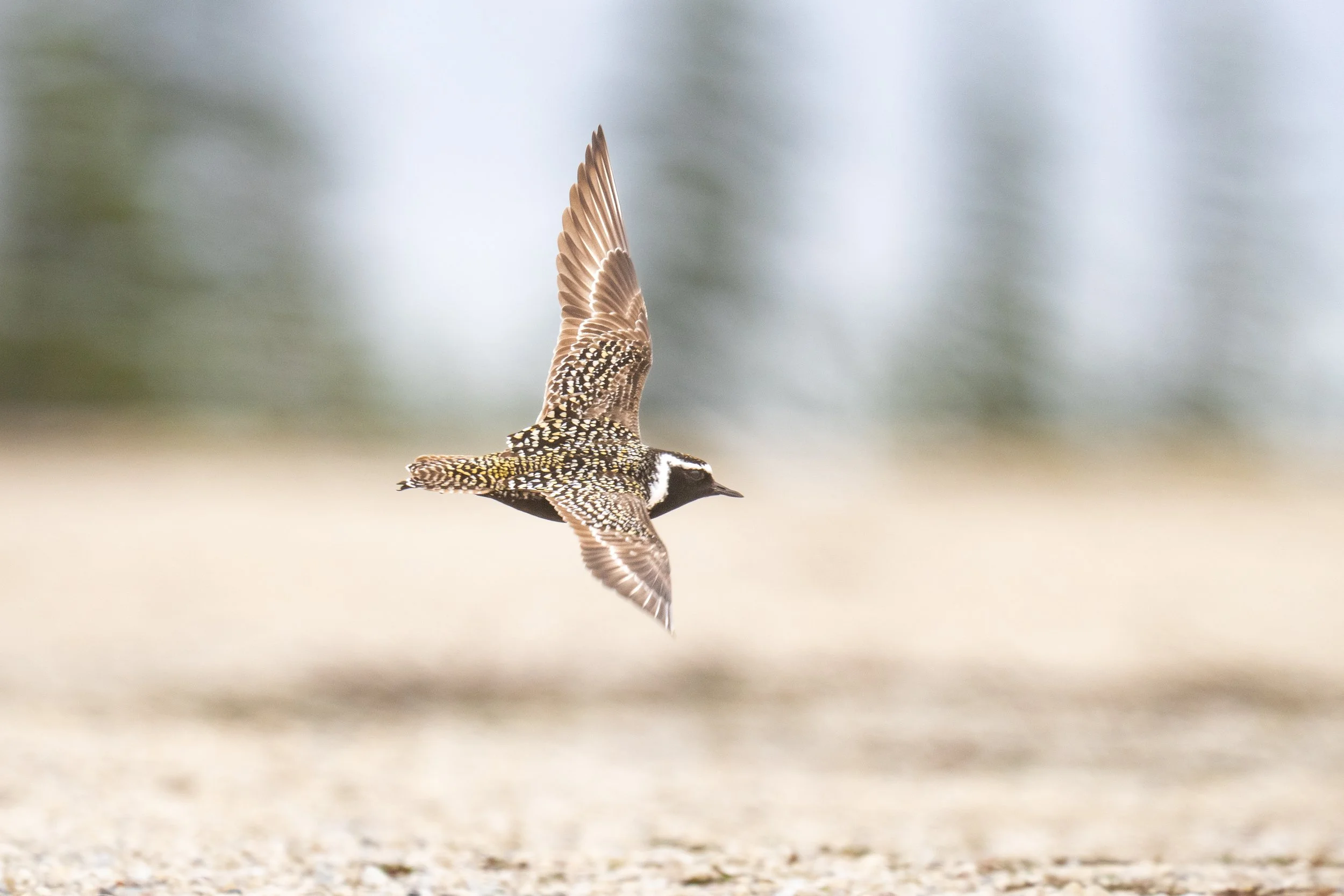
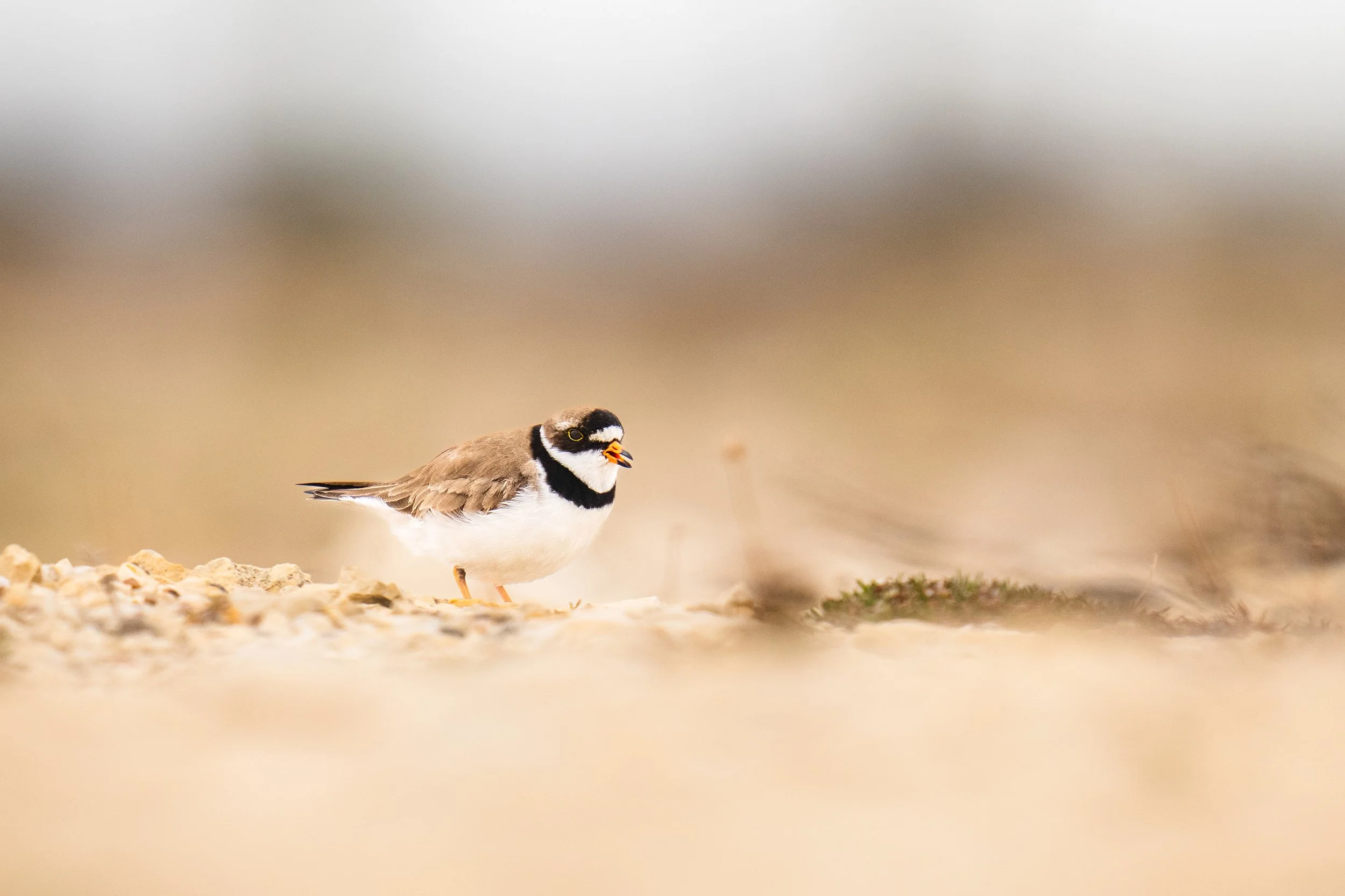
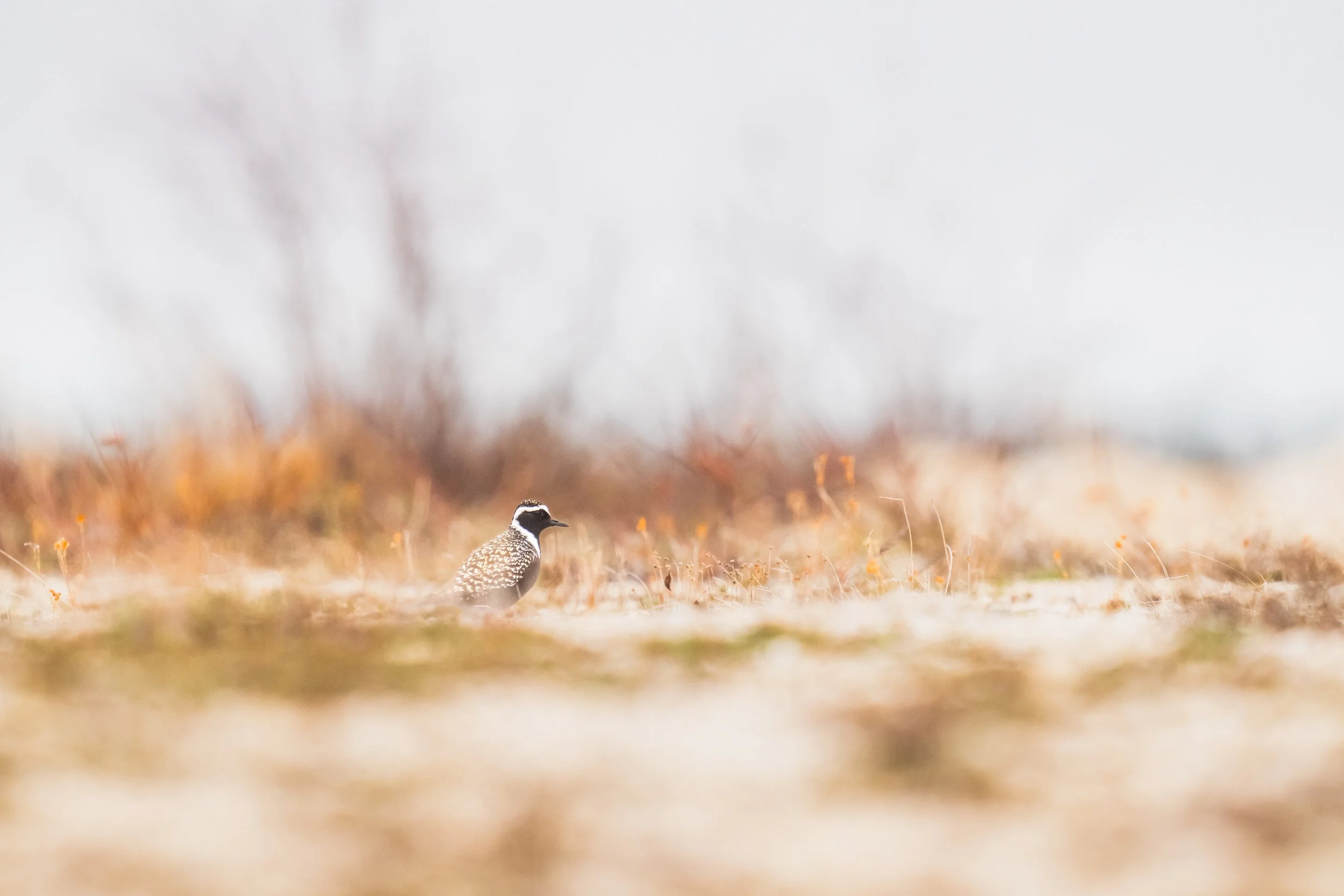
Beyond the highlights, expect Bonaparte's gulls, red-necked phalaropes, white-winged and surf scoters, common and red-throated loons, common eiders, semipalmated sandpipers, dunlin, American golden-plovers, and species from the boreal understory that rarely appear on photographer's target lists but absolutely should. Raptors work the tundra edges, too, merlins and short-eared owls among them.
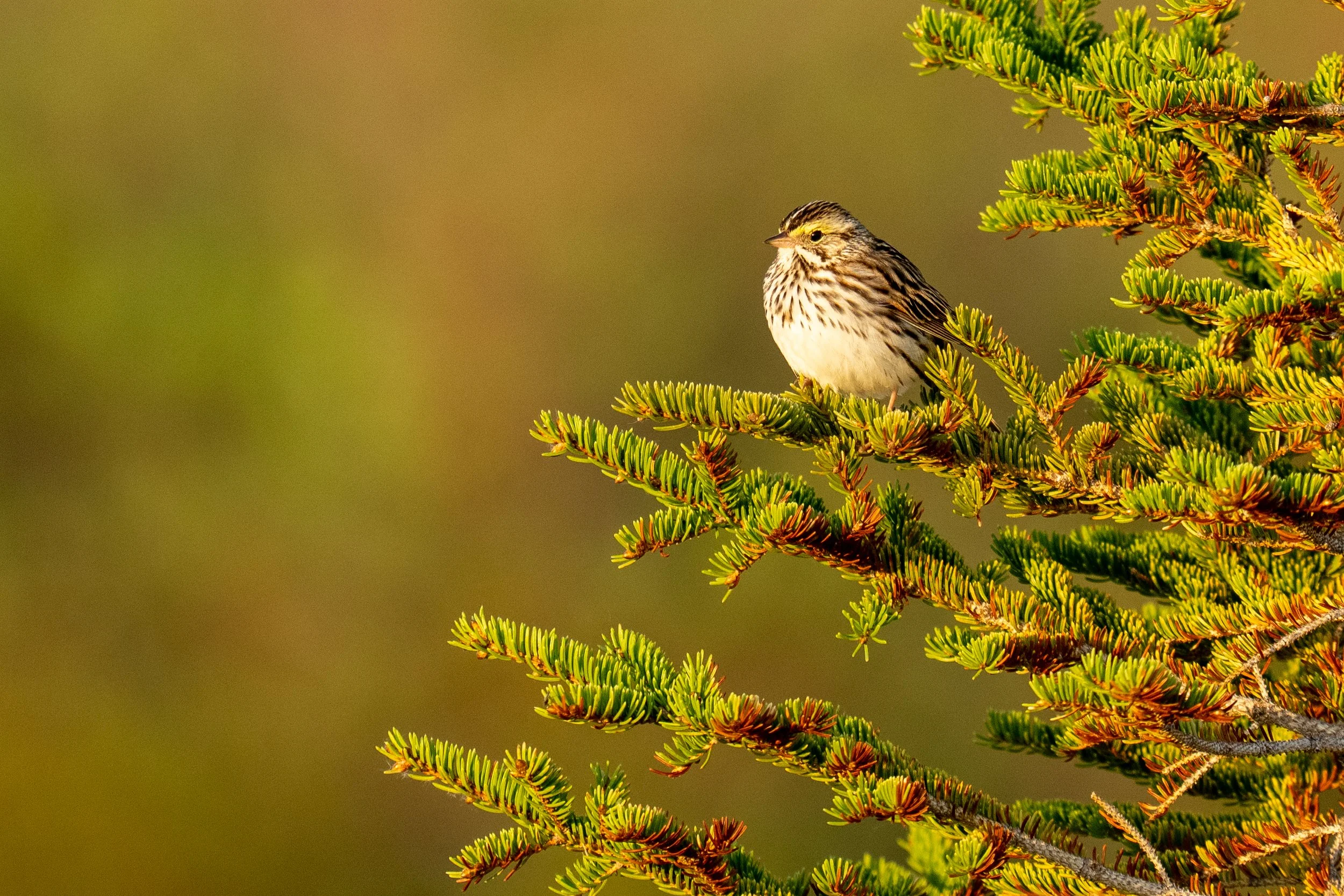
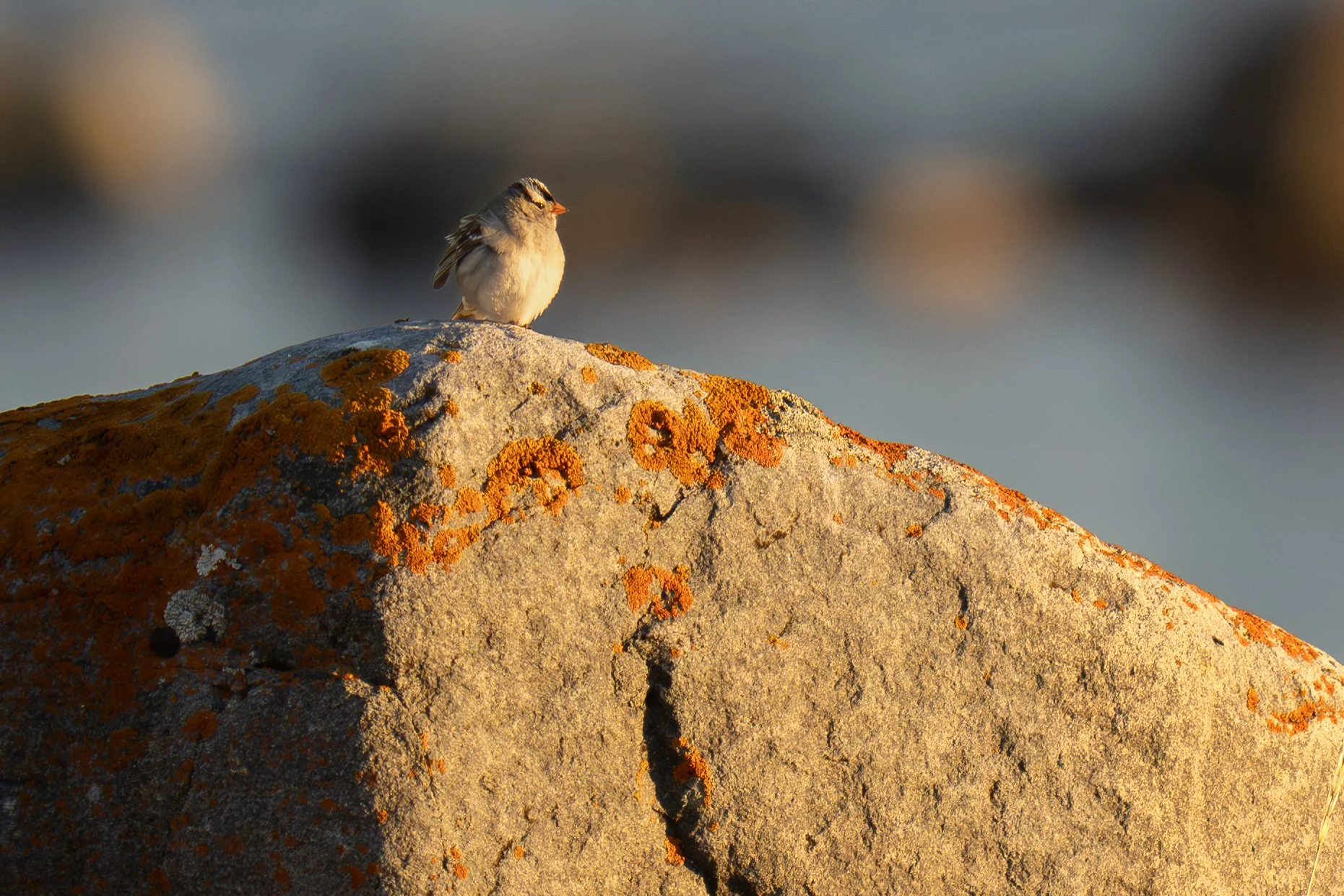
And don't overlook the passerines. The shrubby tundra edges and boreal patches of Churchill are alive with songbirds in early June, and the diversity will surprise you. White-crowned and fox sparrows sing from the willow scrub with a clarity that carries across the open ground. Harris's sparrows, one of the last North American songbirds to have its breeding grounds discovered by science, and still a bird that stops experienced birders in their tracks, move through the understory with a quiet authority. Lincoln's sparrows work the sedge edges. Blackpoll warblers pass through in numbers, their high-frequency songs testing the upper limits of more than a few ears in our group. Orange-crowned and yellow warblers bring color to the boreal margins, and white-winged crossbills may materialize from the spruce tops at any moment, their twisted bills and improbable beauty a reminder that this forest operates on its own logic entirely. These are not consolation birds. They are part of what makes Churchill's early June list as deep as it is.
The birding here is legitimately exceptional. And the photography opportunities are even better.
GENERAL INFORMATION
DATES: June 6-12, 2027
INVESTMENT: $7500 | Deposit $2000
GROUP SIZE: Limited to 9 | 3:1 photographer to leader ratio
SKILL LEVEL: Beginners to Advanced
INCLUDED IN PRICE:
Single-occupancy lodging ($500 pp discount for shared occupancy)
Round-trip airfare from Winnipeg to Churchill (a $1500 value)
All lodging, including the first night in Winnipeg (June 6) and the overnight in Winnipeg the night before departure (June 11)
Professional photography instruction and naturalist education
All meals in Churchill
Ground transportation in Churchill, including airport transfers
NOT INCLUDED:
Transportation to/from Winnipeg
Lodging outside of the workshop days
Alcoholic beverages
Meals in Winnipeg
Items of a personal nature (e.g., laundry, souvenirs)
Travel insurance (highly recommended)
Gratuities for the Churchill-based guides
Incidentals incurred by participants at lodging
PHYSICAL DIFFICULTY: Churchill in early June means uneven tundra underfoot. It’s often soggy with snowmelt, and we also walk down uneven boreal forest paths and on rocky. While we don’t cover too much distance on foot, and stop often, participants should feel comfortable walking a half-mile to a mile at a time while carrying their own camera gear.
In the sub-arctic this time of the year, sunrises come early and sunsets cling to the day as long as possible. Expect early mornings and late evenings with a large gap in between to rest and recharge.
Please do not hesitate to reach out if I can provide more specific guidance to help determine if this trip is the right match for you.
INSURANCE: I strongly recommend protecting your investment with travel insurance any time you participate in adventure travel, including this workshop. More details and recommendations are available inside the workshop registration paperwork.
What you’ll learn
-
Environmental Storytelling
The other thing a place like Churchill rewards is context. An Arctic tern portrait is striking. But an Arctic tern skimming low over the coast, the pewter surface of Hudson Bay stretching to the horizon behind it? That is a sense of place. A tern hovering at the cliff edge, wings backlit in the long evening light — that is atmosphere. And a tern in full courtship display, fish held crosswise in its bill, offering it to a mate with the kind of deliberate tenderness that makes you reconsider everything you thought you knew about birds — that is a story worth telling.
We will spend serious time in this workshop talking about how to make images that carry that kind of weight: how to use depth of field and foreground inclusion intentionally, how to find the light that reveals rather than just illuminates, and how to compose a frame that earns its place in a sequence rather than just standing alone. These are the hardest images to make. They are also the ones people remember. This landscape is open, layered, and soaked in June light, making it one of the best classrooms for learning and fine-tuning this skill that I have ever found.
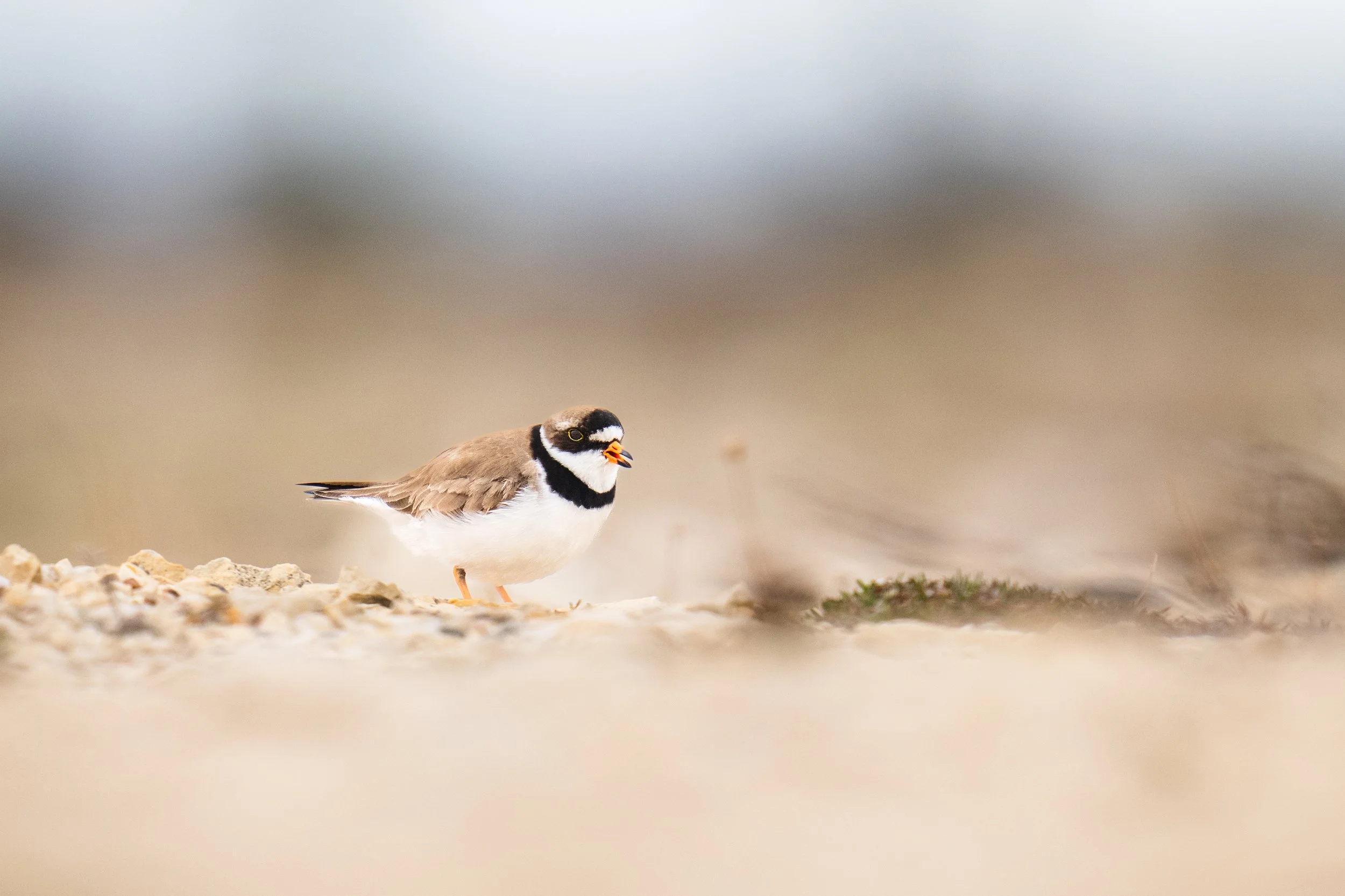
Portrait photography will absolutely happen here, too. The closeness of the birds at Churchill, and the richness of the light, produce incredible portrait opportunities. But we won't let the portrait be the ceiling.
-
Elevating your Birds in Flight Photography
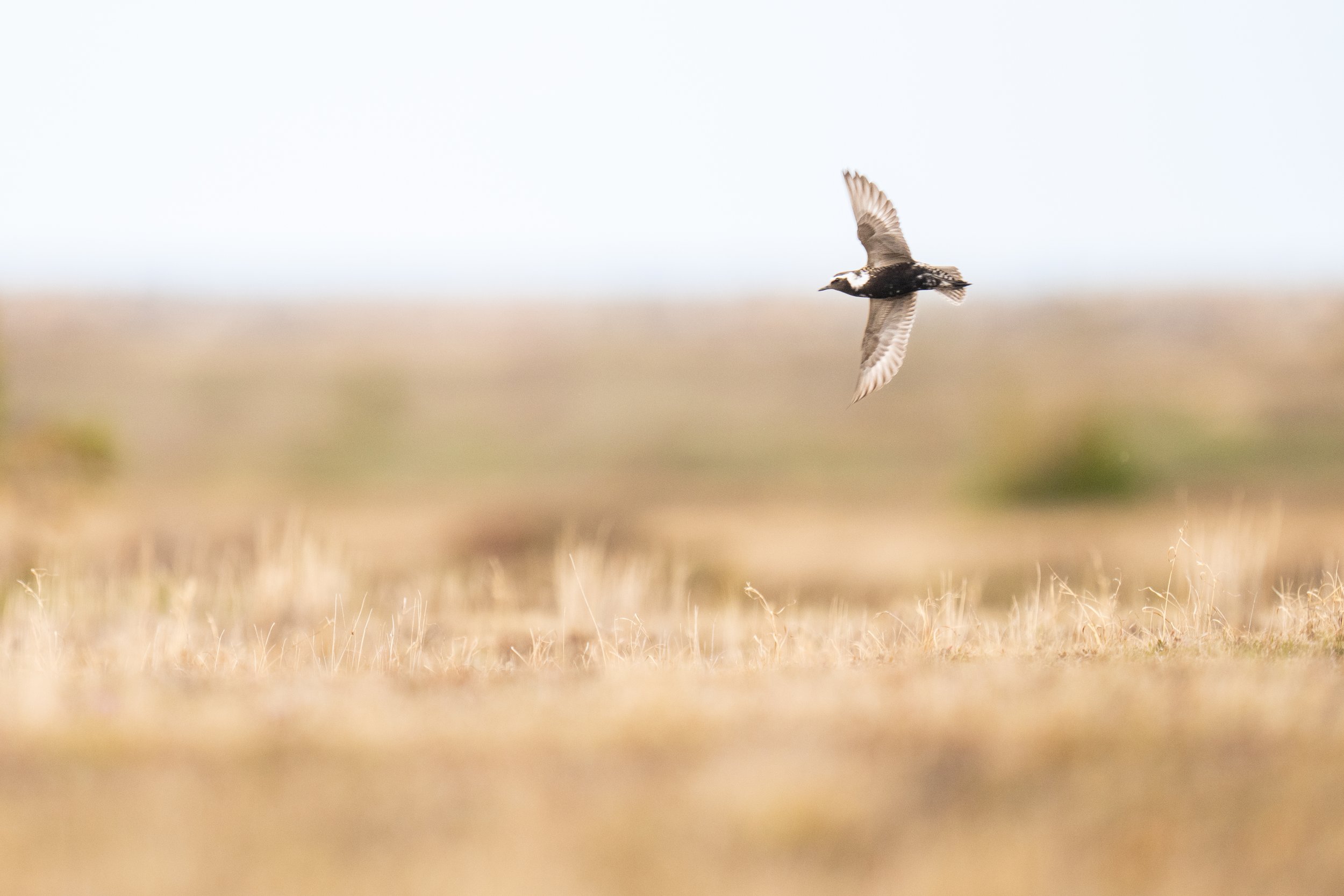
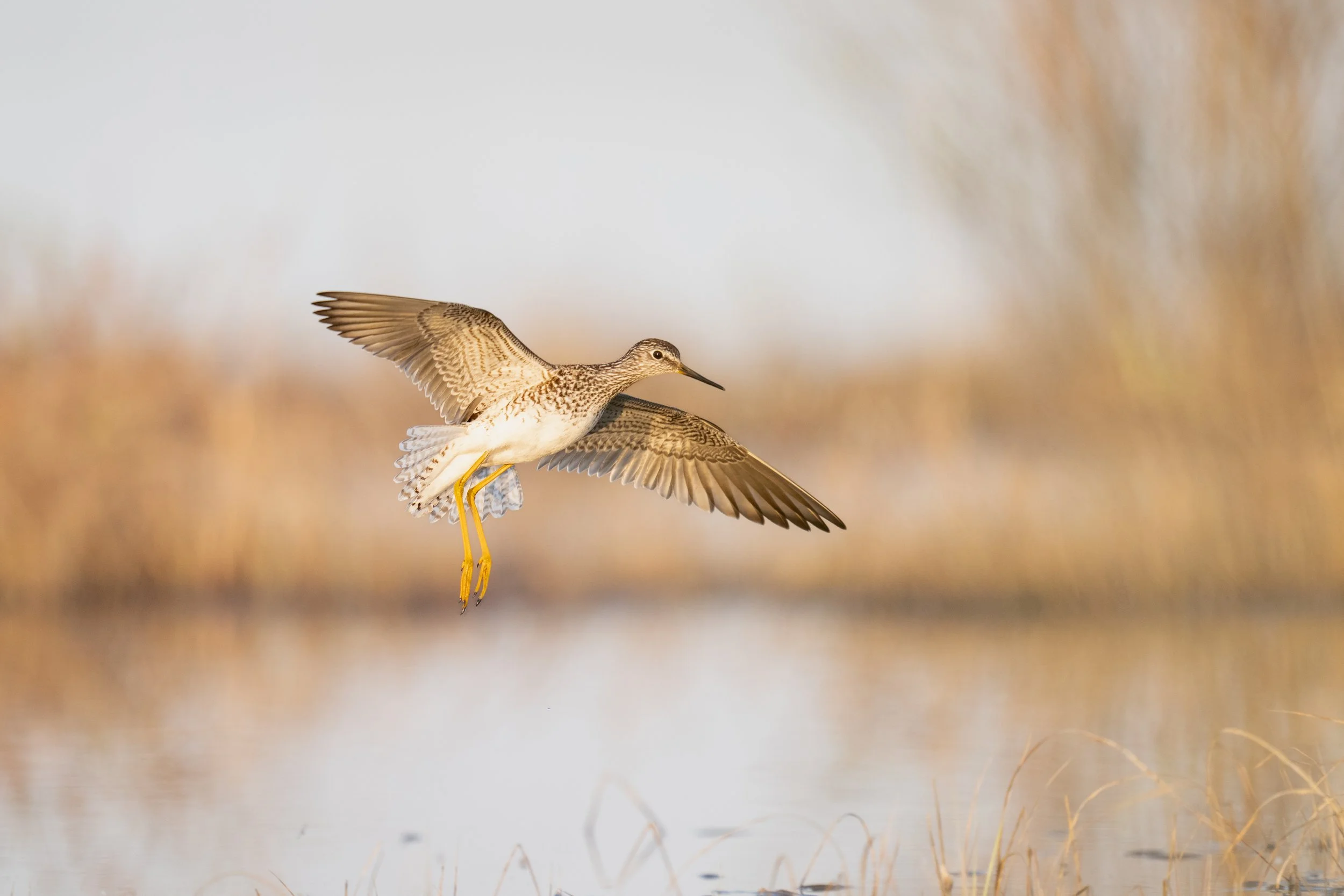
The open tundra and coastal environments of Churchill are as close to an ideal birds-in-flight classroom as exists in the wild. You have clean and interesting backgrounds, low horizon light, and subjects that are actively flying at different speeds with varied behaviors to observe: jaegers harassing gulls, ptarmigan flushing from the willow scrub, long-tailed ducks moving between ponds, shorebirds in tight flocks wheeling over the mudflats.
We will work on birds-in-flight technique deliberately and progressively, which is to say that this workshop takes something you thought was incredibly complicated and simplifies it. No more butt shots, no more unintentionally blurry wings, no more worrying about settings. And, you’ll receive complimentary access to my self-paced, online birds-in-flight course so you can review the lessons when the workshop has concluded, as well.
You’ll move from being a reactive photographer to a proactive one, and by the end of the week, your keeper rate will be unrecognizable compared to where it started.
A whole new world opens up when you reach the point that you can forget about settings and start creating images with intention.
ITINERARY
DAY ONE | June 6 | Arrival in Winnipeg
Fly into Winnipeg James Armstrong Richardson International Airport (YWG). Tonight's lodging is the Courtyard Marriott Winnipeg Airport (included), a quick, easy walk from the baggage claim — no shuttle required, no complicated logistics. Get settled, rest up, and be ready: tomorrow we go north.
DAY TWO | June 7 | WINNIPEG to CHURCHILL
We board our morning flight to Churchill (roughly a 2.5-hour flight north). There is no road to Churchill — this is a fly-in destination, which is part of what keeps it wild. After landing, we'll have lunch as a group, getting settled into our hotel, and head straight out for our first afternoon of photography. There's no easing in on this trip. Churchill starts immediately!
DAYS Three, four, and five | June 8, 9, and 10 | FULL DAYS EXPLORING THE TUNDRA + TAIGA
These days are the heart of the workshop. We are out before first light each morning, taking full advantage of the early sunrise light that eases into golden hour and sticks around for longer than expected. After our morning outing, we return to the hotel for breakfast and a mid-day break. Download and review images, take a nap, and enjoy lunch when it suits you!
Then we're back out until the light tells us to stop, which in late June can mean after 10:00 PM. Dinner will be brought out to the field for us, because we are not going to leave good light for a restaurant.
DAY SIX | June 11 | CHURCHILL TO WINNIPEG
We’ve got one more morning in this incredible landscape and we’re not going to let it go to waste! We’ve got this final outing before we load up and head to the Churchill Airport for our afternoon flight back to Winnipeg. We'll overnight in Winnipeg at the Courtyard Marriott again before heading home.
DAY SEVEN | June 12 | DEPARTURE FOR HOME
Fly home from Winnipeg, carrying more images than you expected and a landscape that will stay with you for a long time.
FAQs
-
Once you fill out the form and indicate you’re ready to secure your spot, we’ll send you our registration paperwork along with an invoice for your deposit. When the paperwork is complete and the deposit has been paid, you are officially registered!
While you’re waiting for your departure time to arrive, you’ll receive my workshop guide, which goes over a more detailed itinerary, gear recommendations, clothing recommendations, more about where we are staying, and the natural history of the area and the wildlife.
About three months before your departure, we’ll have a group Zoom meeting. You’ll have a chance to meet everyone traveling with you, and we’ll go over logistics and make sure everyone has all of their questions answered, as well.
-
Churchill in early June is unpredictable, and that's part of what makes it feel so wild. Temperatures typically range from the low 40s°F on cooler days to the mid-60s°F when conditions are favorable. The wind off Hudson Bay can make it feel significantly colder, and a raw, overcast morning can shift into warm afternoon sun within a few hours.
One thing that surprises most visitors: the insects are largely a non-issue in early June. The peak mosquito and black fly season that plagues much of the boreal zone typically arrives later in summer, well after we've packed up and gone home. In my experience on the ground there, it's genuinely not a factor, which, if you've ever tried to photograph in the boreal in July, feels almost too good to be true.
A comprehensive trip guide that includes clothing recommendations will be emailed to all joining the trip. -
Polar bears are Churchill's most famous residents, but our workshop takes place in early June, a time when the sea ice has typically receded and bears have dispersed away from the Churchill area.
Sightings are highly unlikely on this particular workshop, and we are not planning for them. If polar bears are on your Churchill bucket list, stay tuned: I am developing a polar bear workshop for 2028, and that trip will be built entirely around the fall bear season when sightings and photographic opportunities are much more in our favor. -
Absolutely, yes. The workshop is designed to work for photographers at any level, from those just beginning to develop their skills to experienced photographers looking to push their work in a world-class landscape.
Beginners can expect significant, rapid skill development. Churchill is a forgiving teacher in the best possible way, with abundant subjects and extraordinary light that rewards attention to the basics.
More advanced photographers will find ample room to push their environmental and storytelling work in ways that are genuinely difficult to replicate at home.
The 3:1 guide-to-photographer ratio means no one gets left behind, and no one gets held back. -
We understand that cancelling a long-anticipated trip is disappointing. But we, too, plan far ahead before each departure and continuously send non-refundable payments to hotels, other suppliers, and travel partners. Therefore, we must strictly adhere to the cancellation and refund policy. We strongly suggest that you purchase travel insurance in the event that your travel plans change or you need to cancel your trip. The following are the terms of our cancellation and trip change policy:
Cancellation & Refund Policy:
• Deposits are non-refundable after a 10-day grace period.
• If you cancel within the grace period, we will refund your deposit to the original form of payment, minus a $250 administrative fee and any payment processing fees incurred.
• After the grace period, no refunds will be issued unless we can fill your spot. If we can fill your spot, we will issue a refund minus a $250 administrative fee and any payment processing fees incurred.
Final Payment Deadlines:
• U.S.-based workshops: Final balance is due 90 days before the start date unless otherwise indicated.
• International workshops: Final balance is due 120 days before the start date unless otherwise indicated.
By booking, you acknowledge and accept these terms. If you have any questions, we’re happy to help clarify.