
NGO + Non-Profit
As a former staff photographer and multimedia producer for Habitat for Humanity International and a frequent contributor to other NGOs and nonprofits, I’ve spent years documenting humanitarian work and projects around the world. This gallery highlights my collaborations with mission-driven organizations focused on housing, health, and human dignity. The images reflect both the logistical realities and the emotional truths of global service.
Captions are viewable by clicking an image to open it in Lightbox mode.
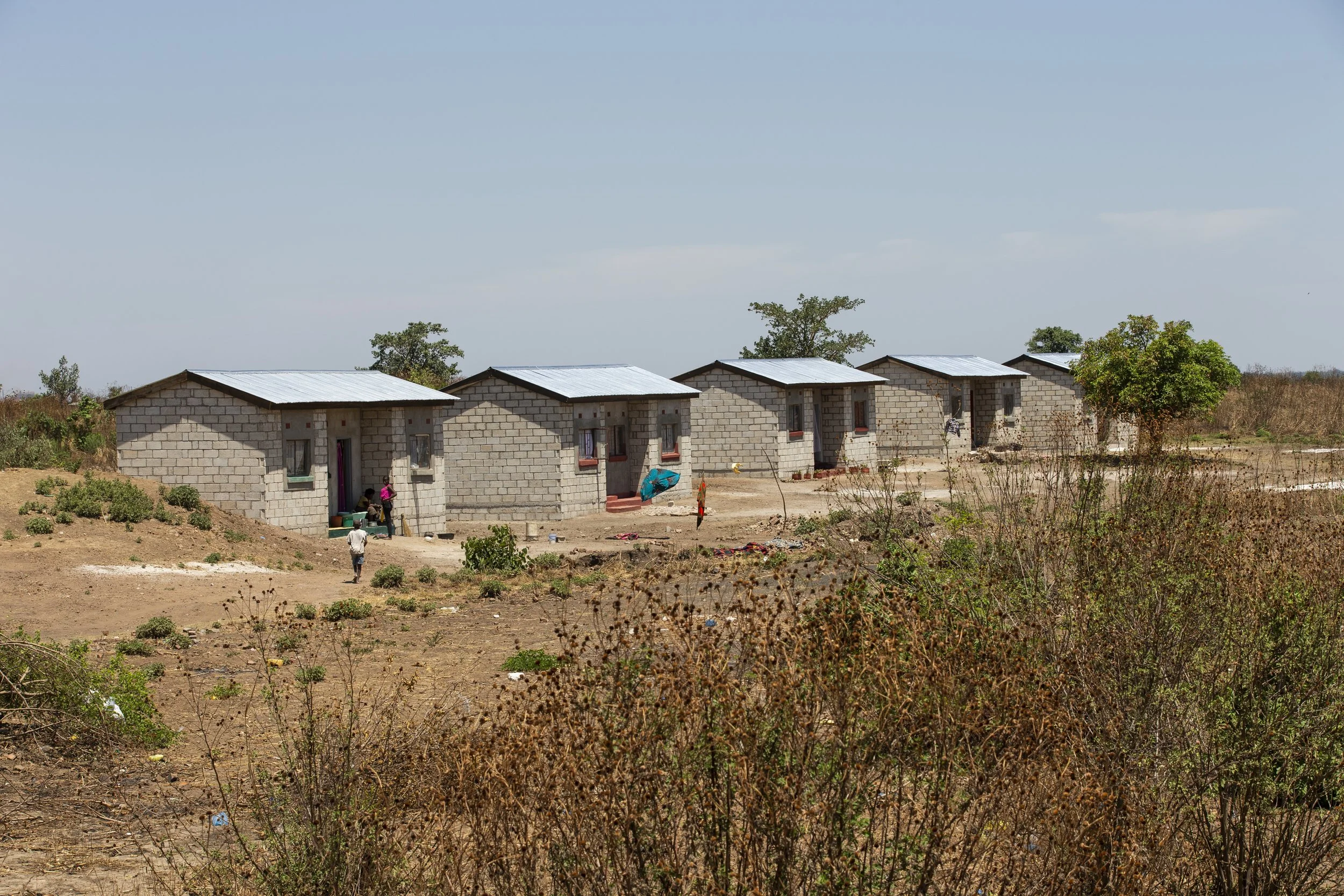
Though simple, Habitat for Humanity Zambia built cinder block homes in a neighborhood style development, as a major upgrade for many of the families living here. Previously, most of these families lived in small shelters made of mud, which retained a lot of water during the rainy season. That water either produced a lot of mold and contributed to health problems or was too heavy and collapsed, risking injury and in some cases, death.
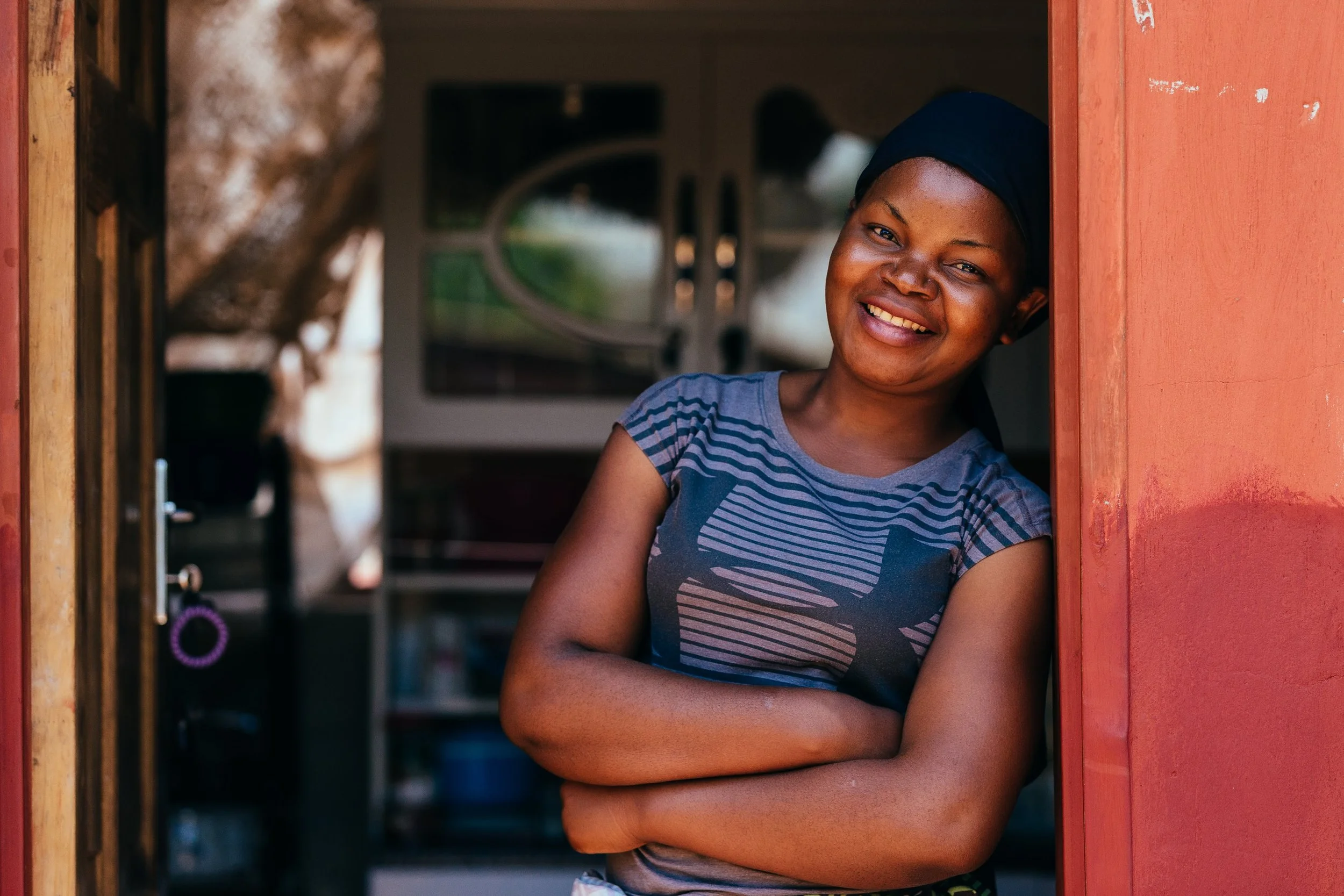
After both of her parents died, Lucy found herself in charge of caring for both her brothers. Before finding help with housing through Habitat for Humanity Zambia, Lucy and her siblings lived in a mud-brick house, which collapsed on them one night when it could no longer bear the weight of the heavy rains.
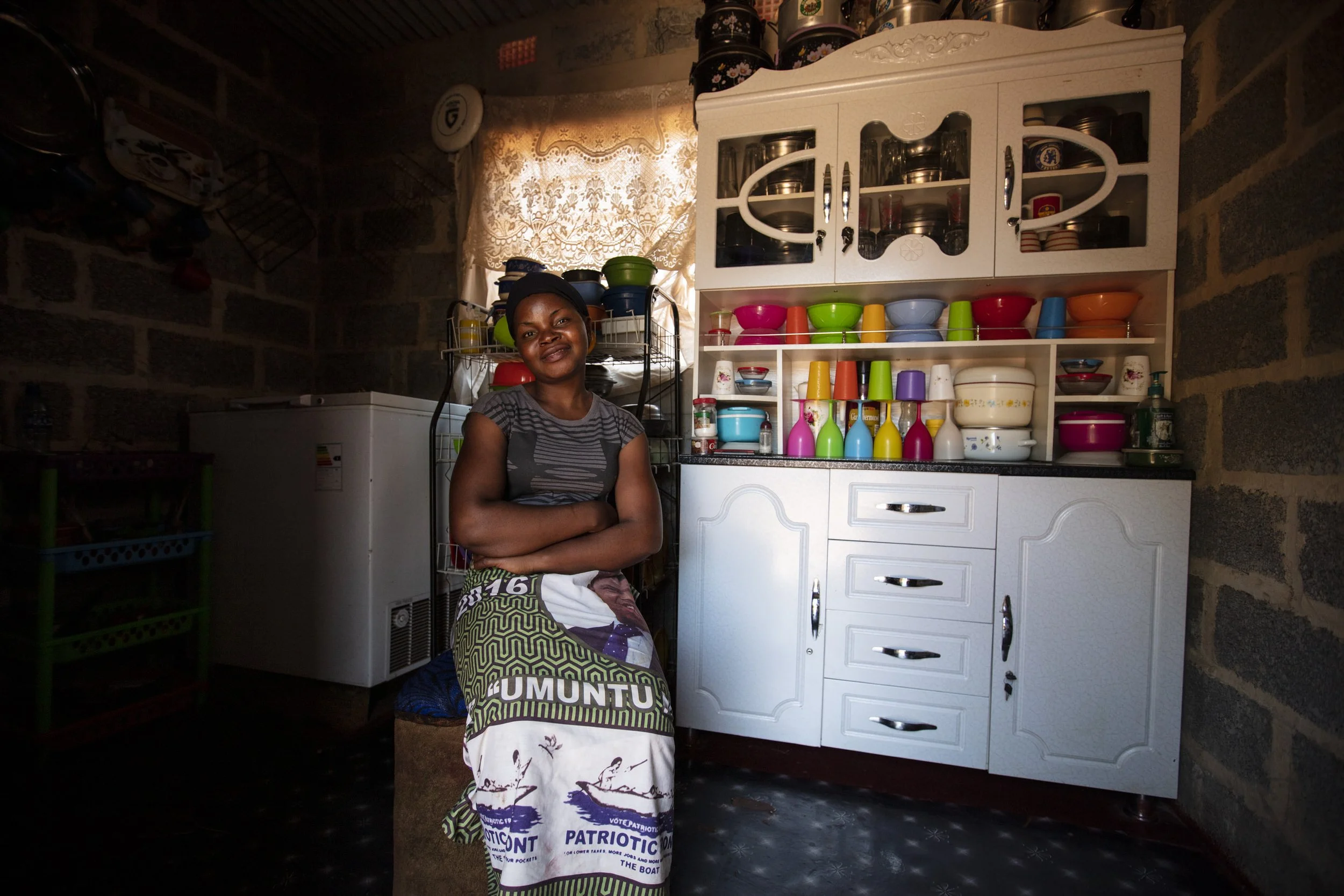
To support her family, Lucy distributes wholesale products and homemade items from her kitchen at her neighborhood market. The money pays for both of her brothers to continue their education.
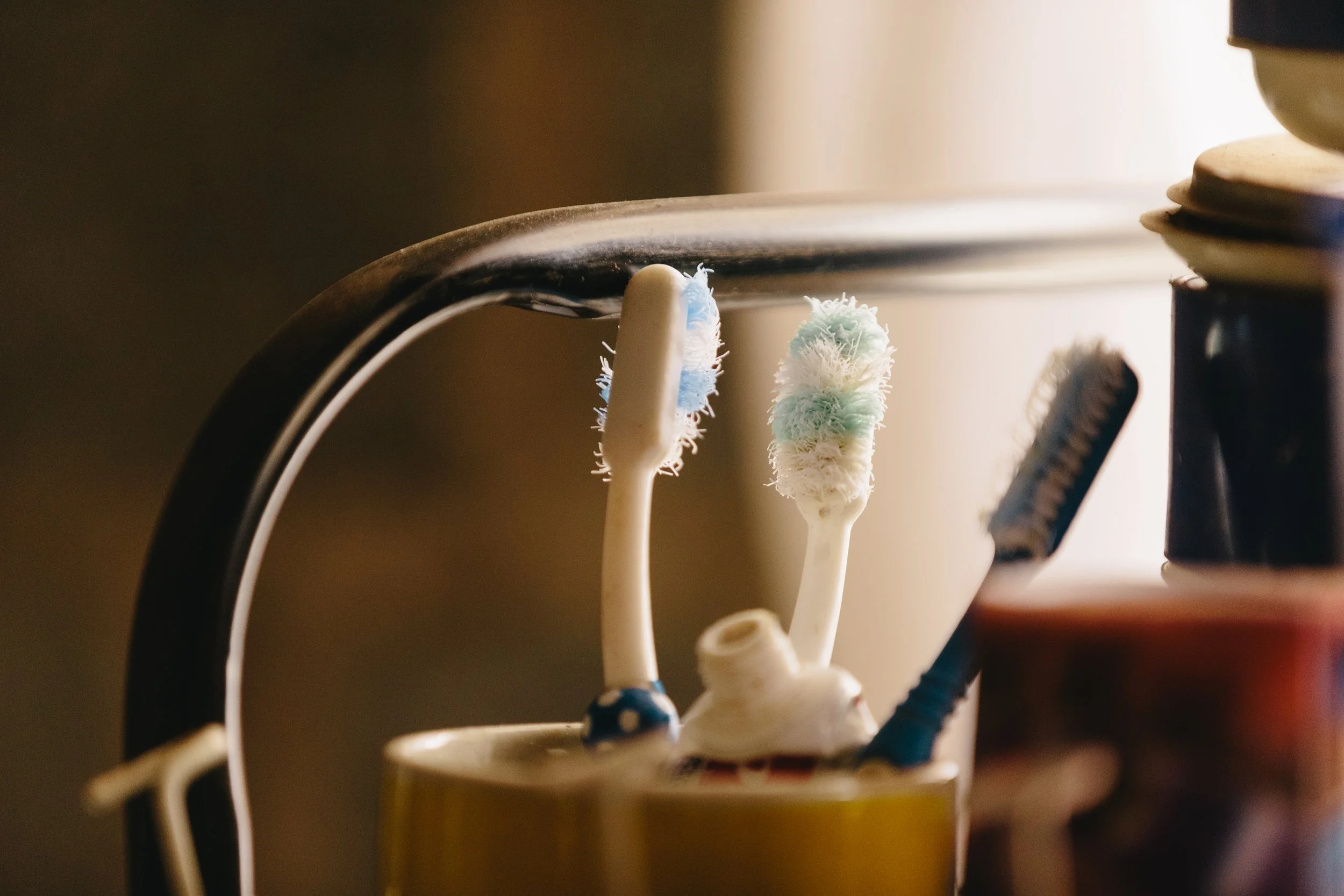
Having regular income allows Lucy and her family to access basic dental and medical care they previously could not afford.
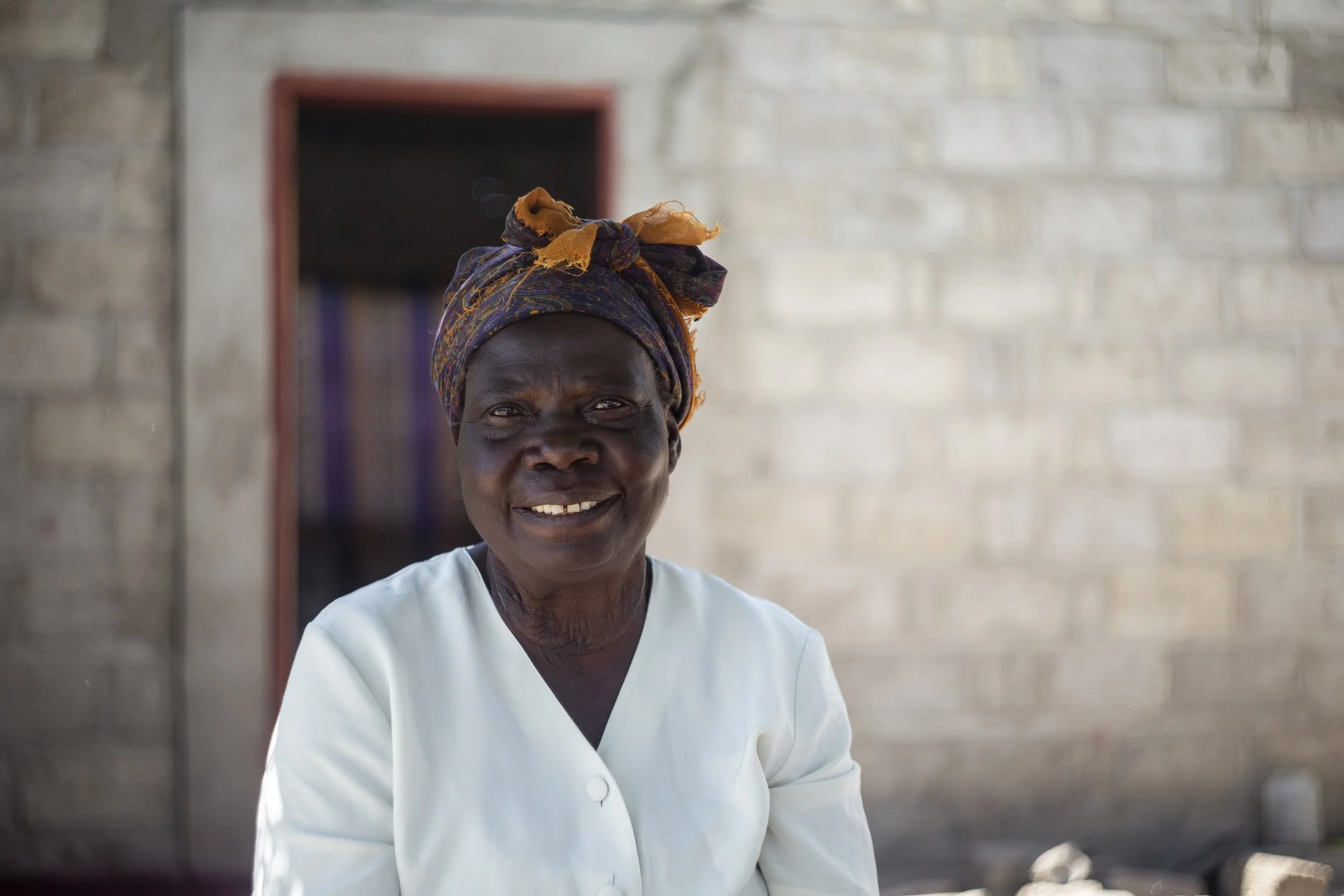
Recently widowed, Yolanda received help from Habitat for Humanity securing the land rights to her property so that her husband's relatives could not steal the property and force her and her family from the home.
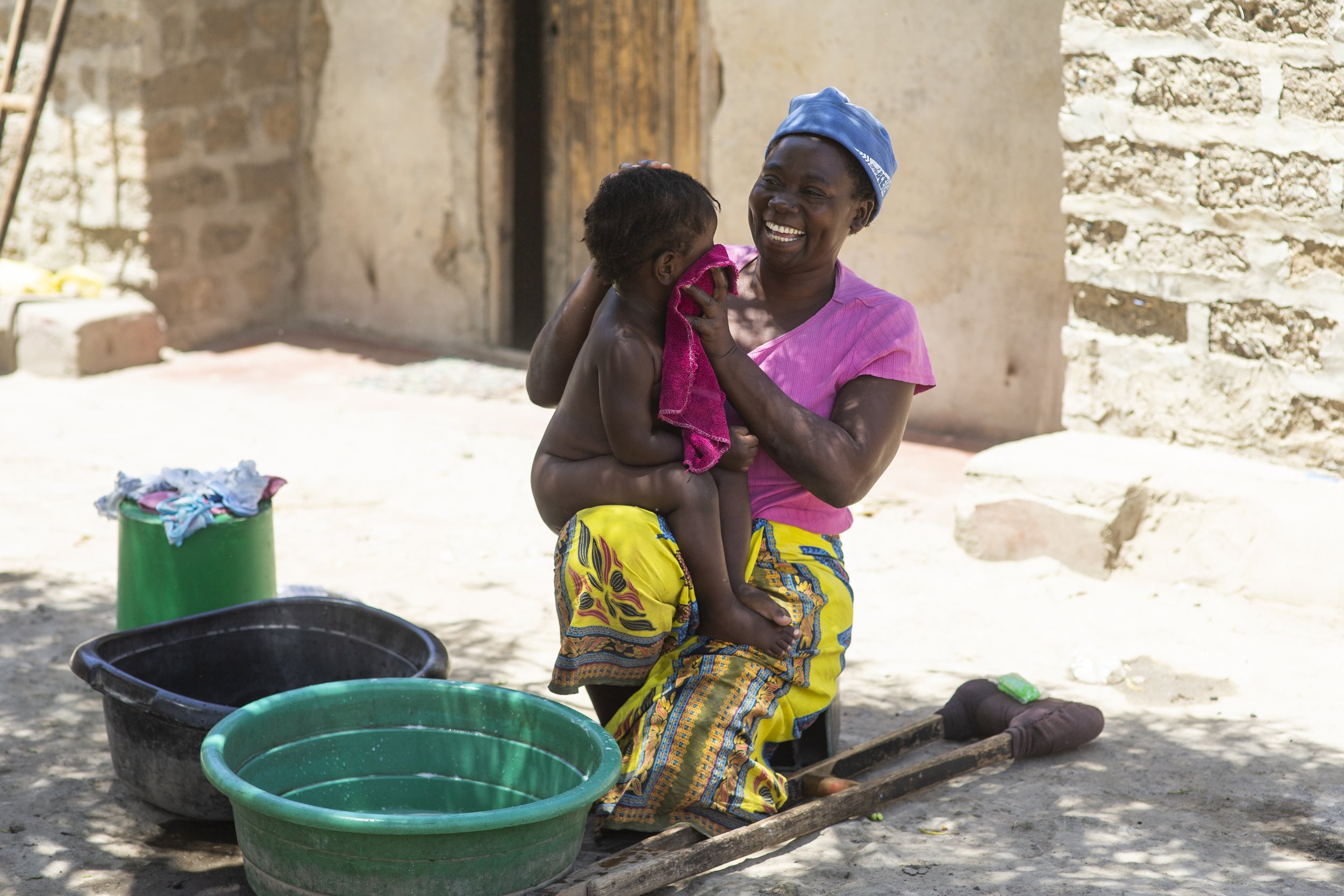
When her mother was at risk of losing her home to the male relatives of her recently passed father, Sarah turned to a community representative for help. In turn, they put her in touch with Habitat for Humanity for assistance.
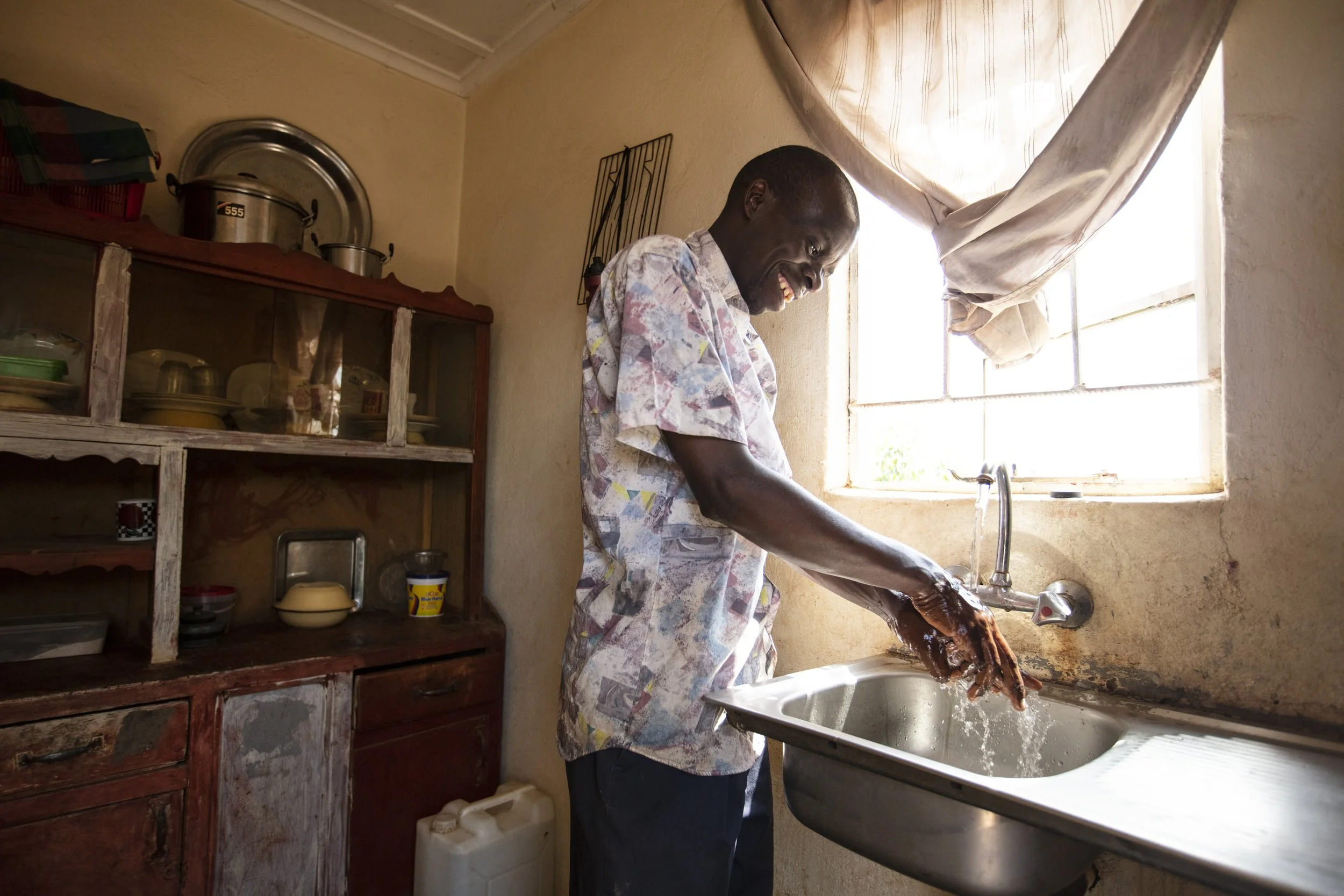
Running water is a rarity in most homes outside of the cities in Zambia, but a simple hose and suction system allows water to flow from the catchment system into the kitchen for easier access for the family.
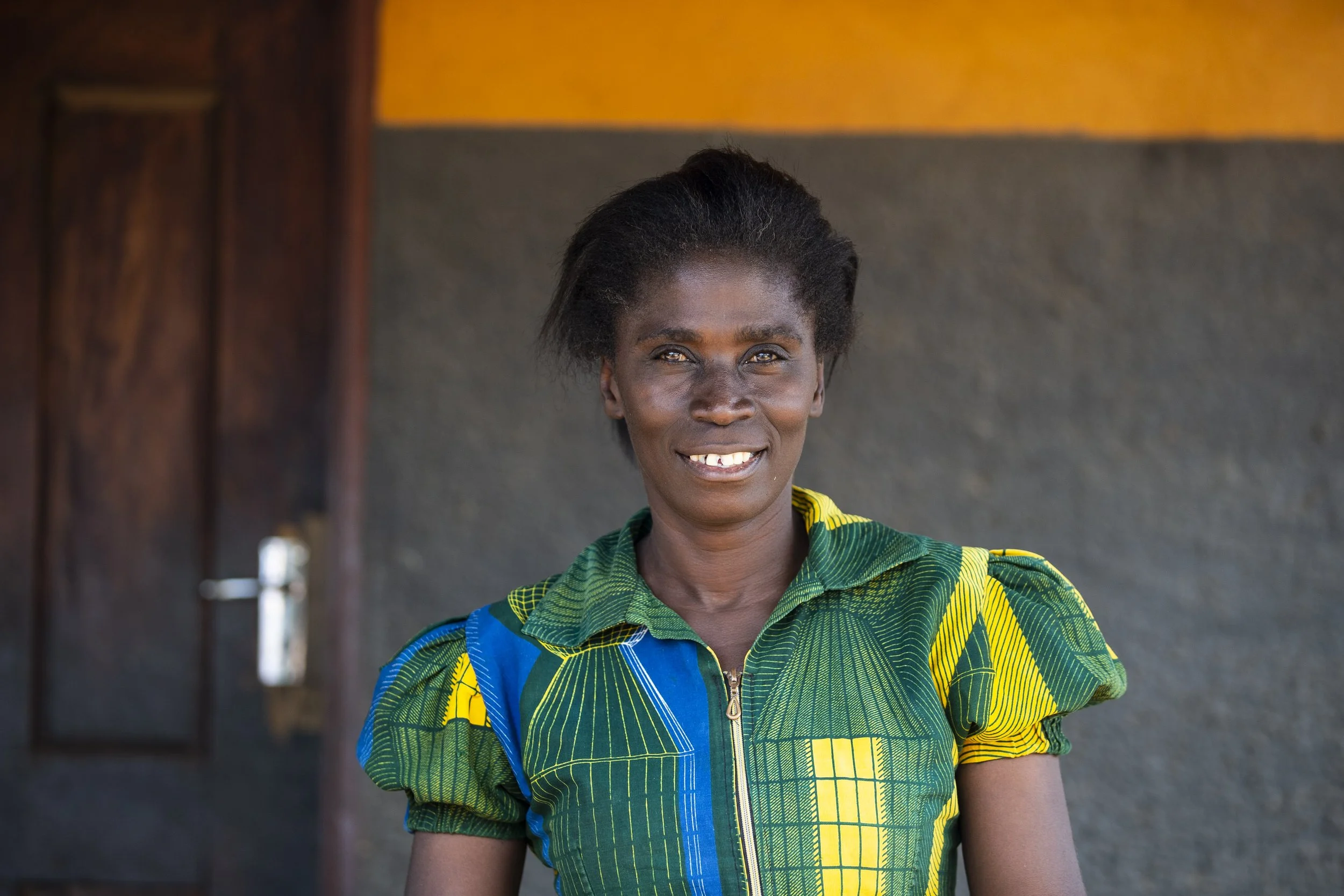
Joyce works as a community representative, helping people in her neighborhood connect with Habitat for Humanity Zambia that may be of help to them.
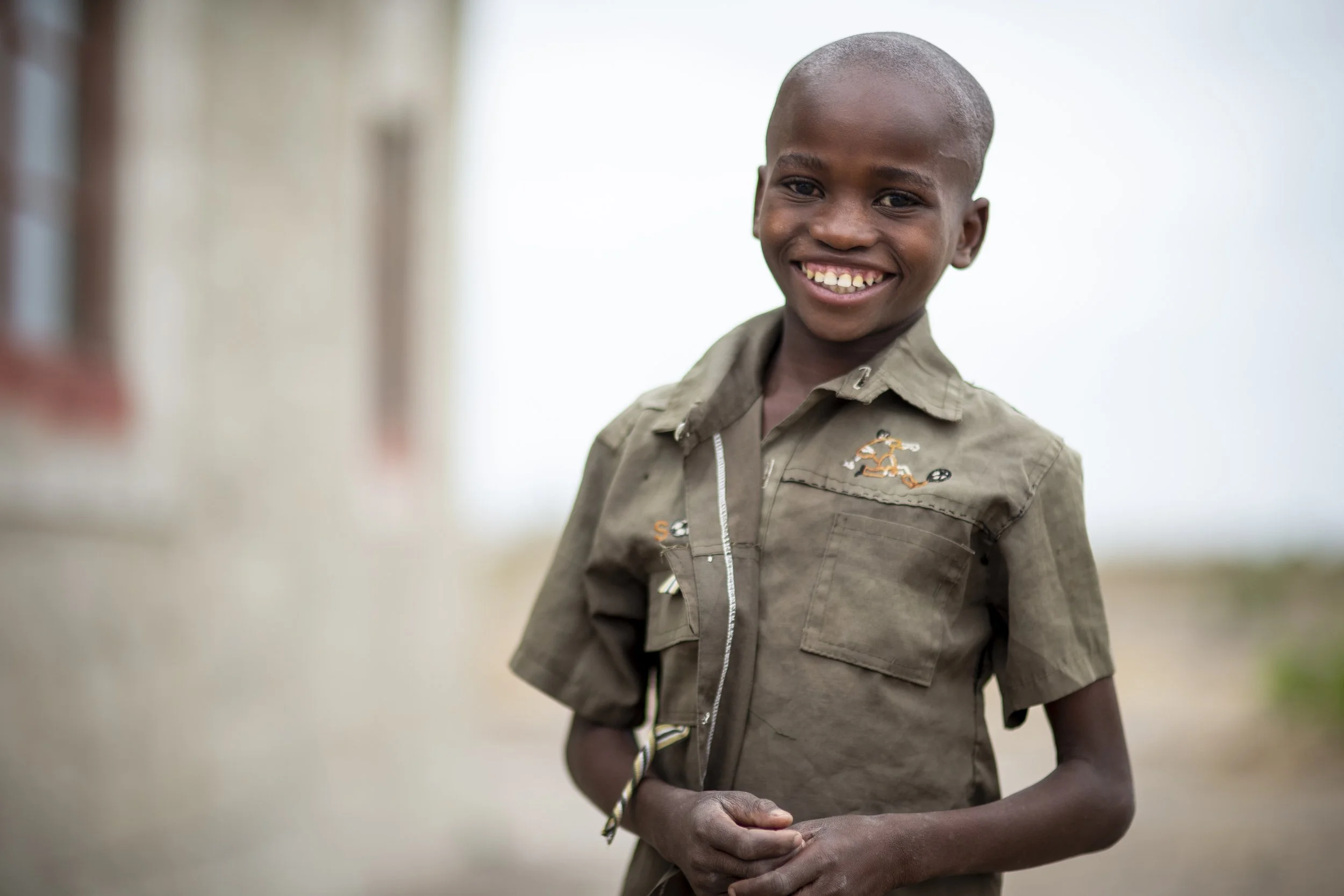
Ronald lives in one of the new Habitat for Humanity Zambia housing development areas, where all the homes are made of cinder blocks. Like most of the children here, he lives with his grandparents, as many parents passed away due to complications with HIV.
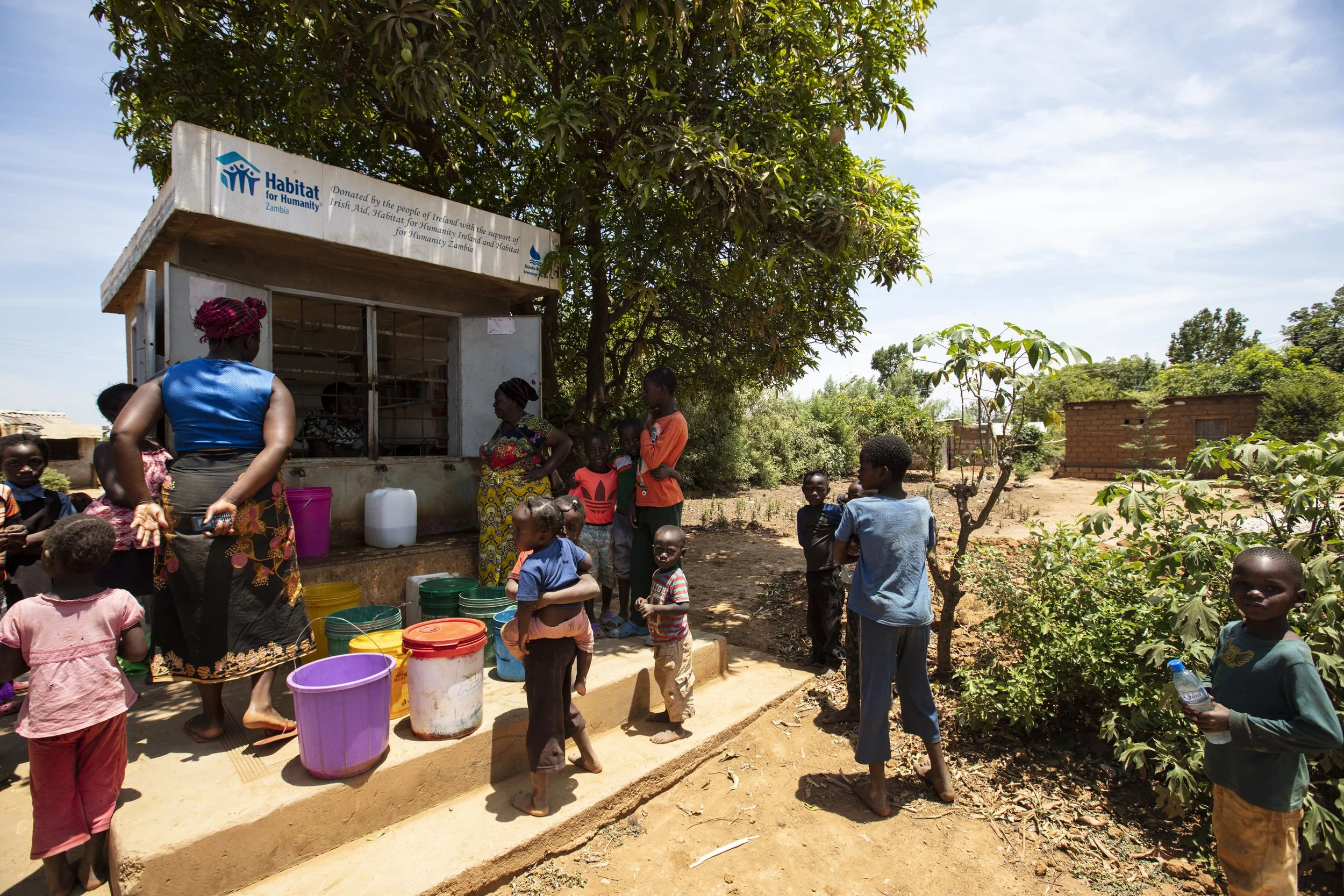
Most homes in the villages outside of Lusaka do not have easy access to water. Even with a community well provided by Habitat for Humanity, these Zambians will still need to purify the water before consumption.
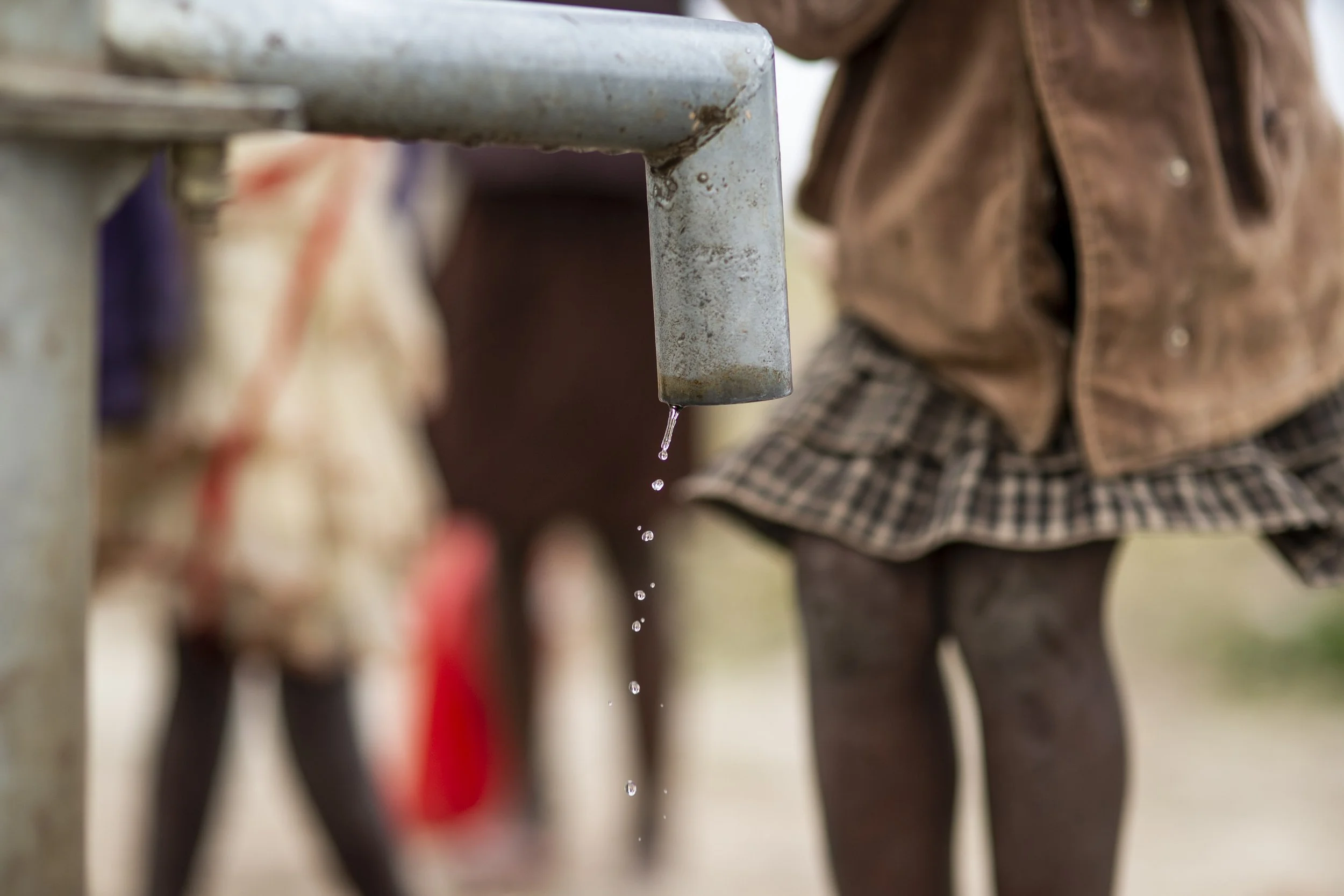
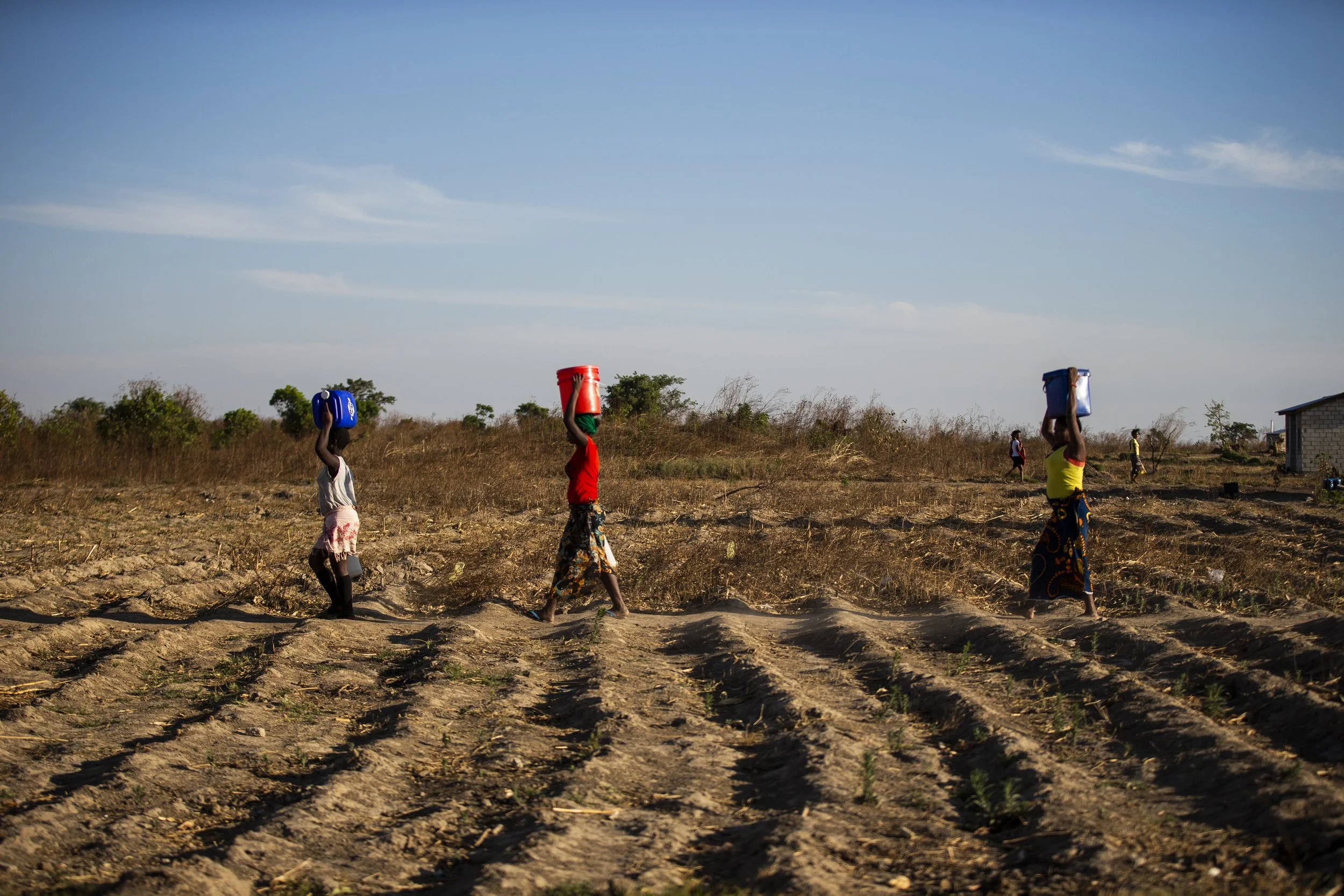
The Habitat Zambia village has a well within the neighborhood, but it still requires water treatment before it is safe to drink. Having the well close by means no more twice-daily 6-mile walks to get enough water for household cooking, cleaning, and personal hygiene.
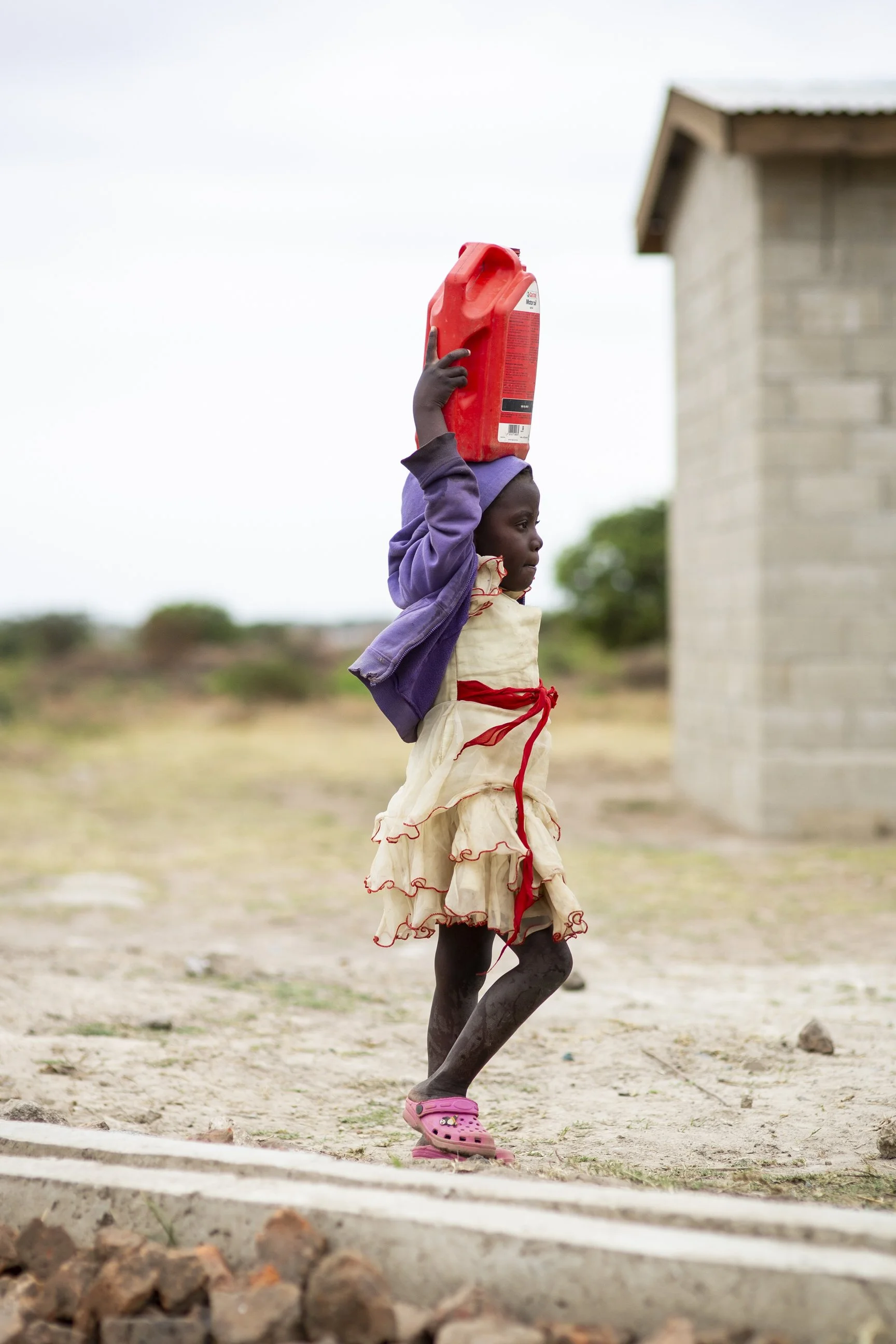
Much of the water collection becomes the responsibility of young girls. Having a well inside the community means they no longer have to miss school to contribute to their family chores in this way.
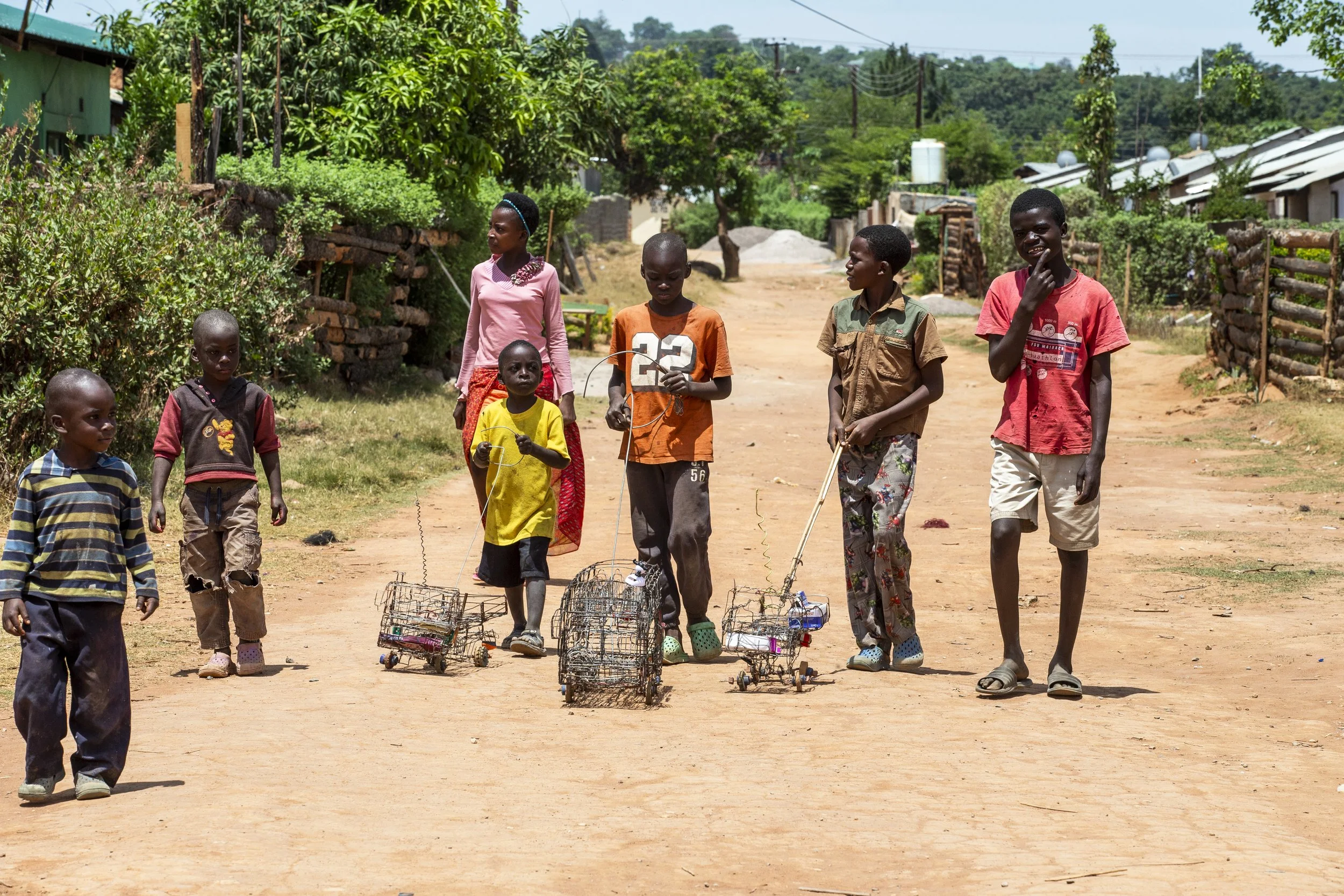
Children play with their homemade car toys while waiting for their family members to finish gathering water at the neighborhood well.
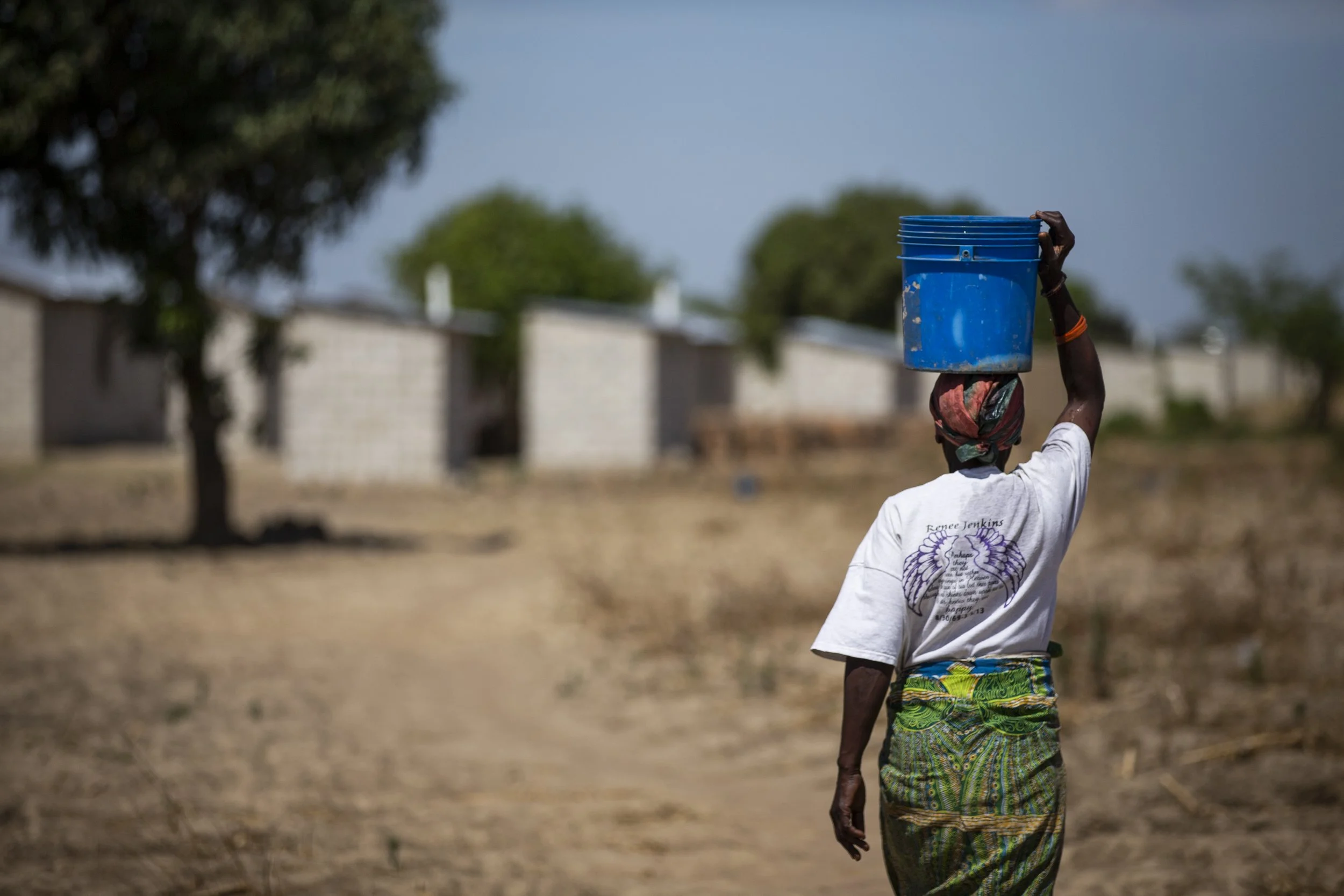
Sharon brings water back to her Habitat home to begin treating it so it will be ready in time for dinner.
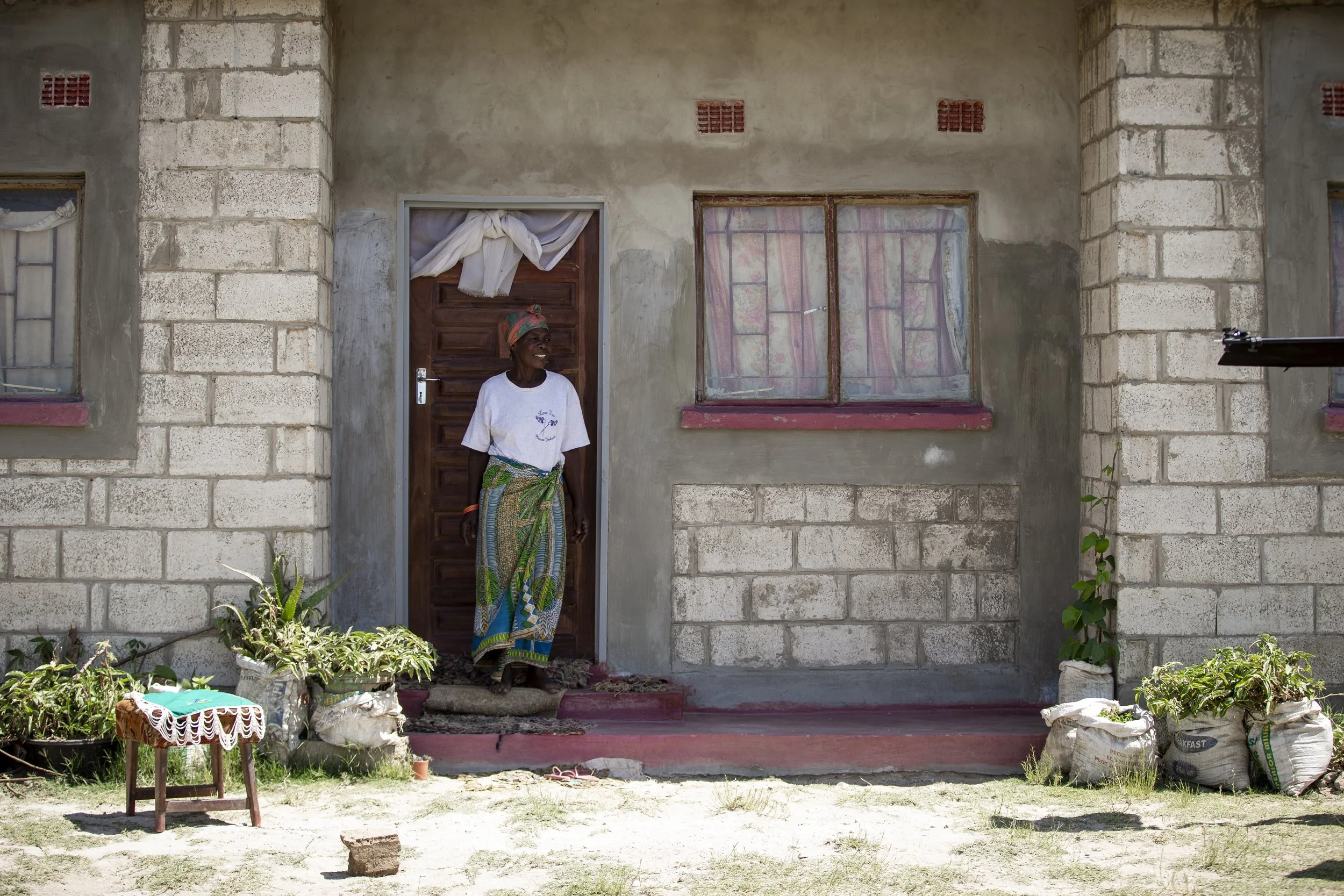
Sharon, 73, is raising her daughter's two children. Like many of the grandparents in this part of Zambia, she lost her daughter to the HIV epidemic that swept through an entire generation of Zambians.
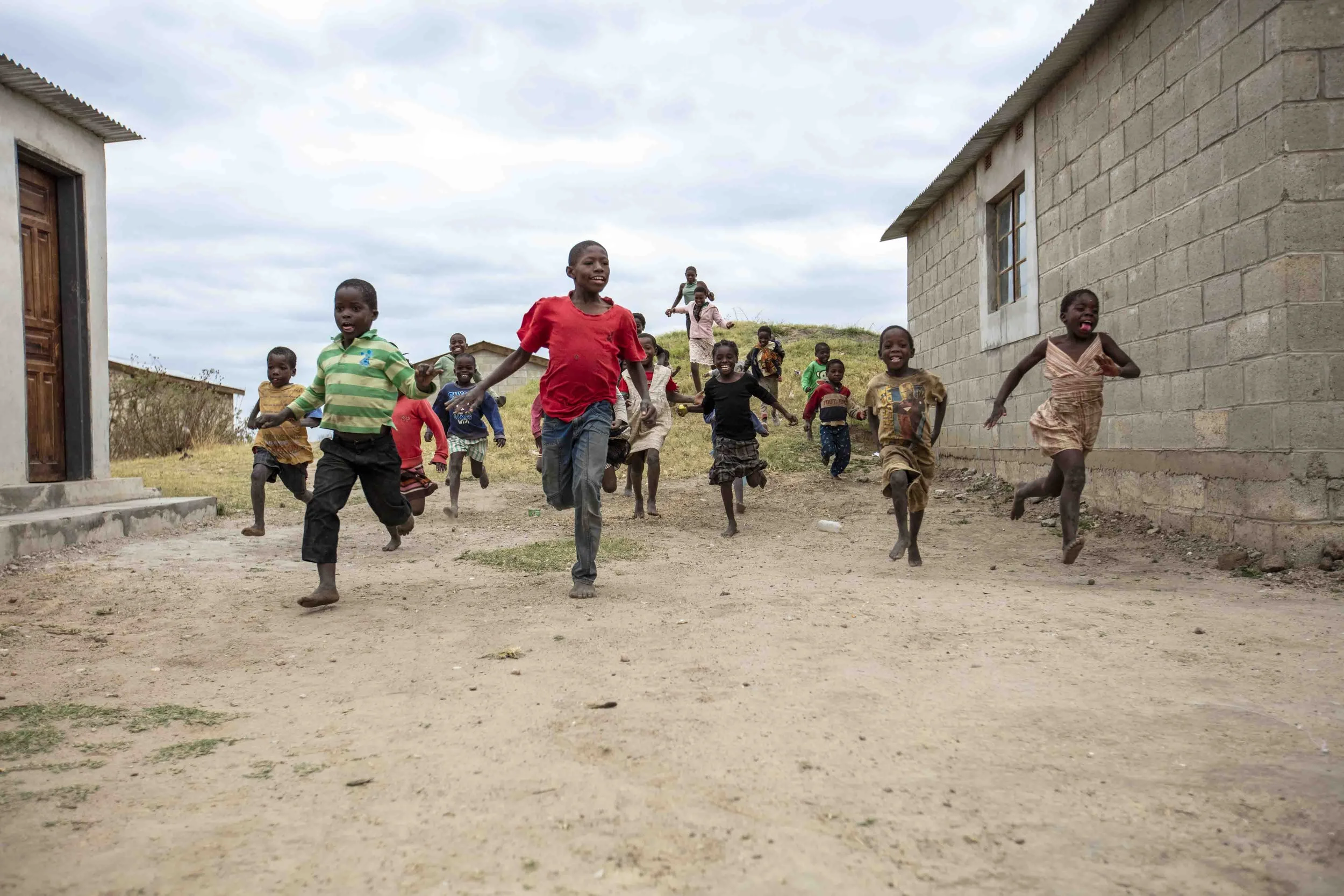
Children run down the hill in their neighborhood, making a mad dash toward their homes. Purposely built with community in mind, having many children in similar circumstances means plenty of friends are always around for fun.
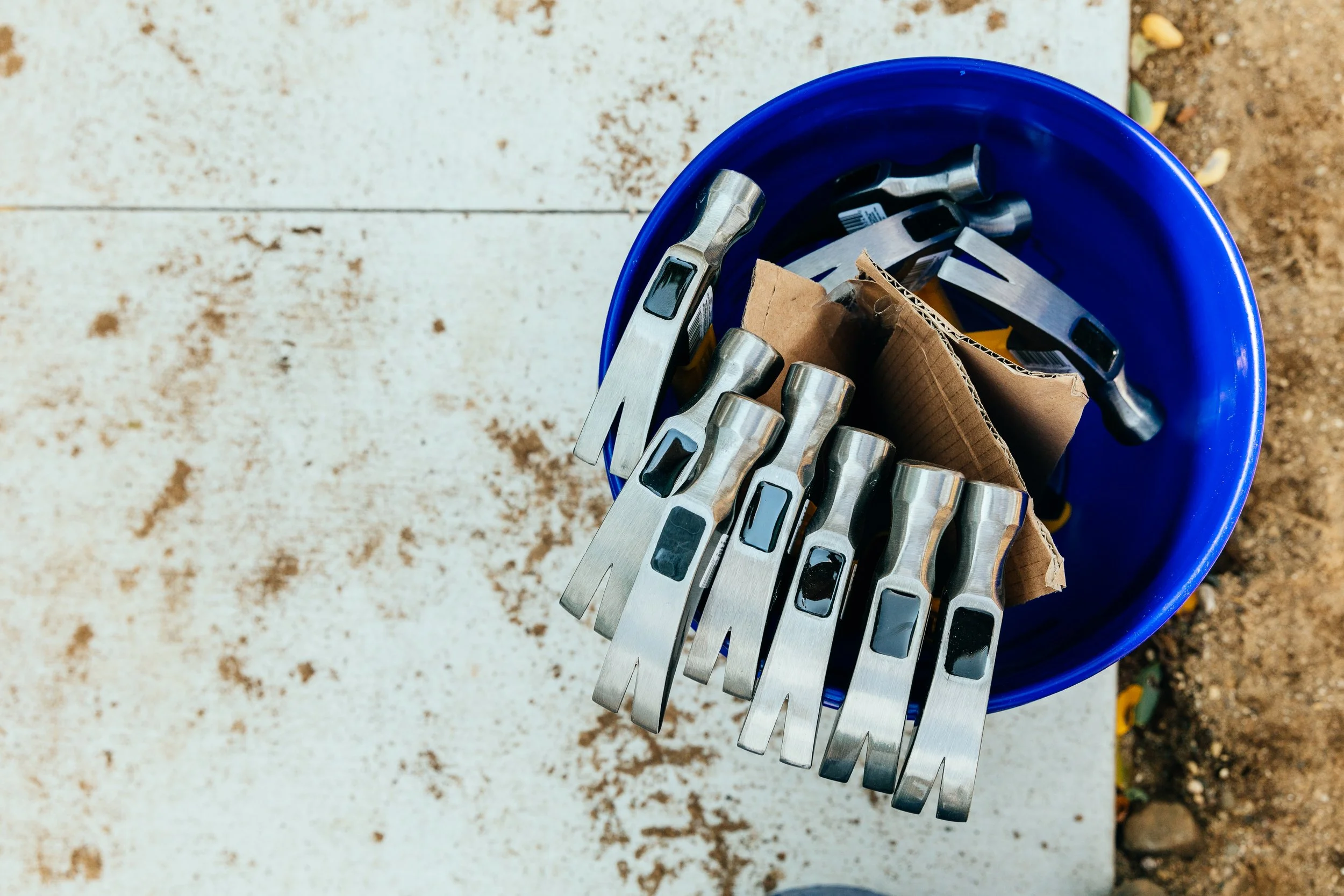
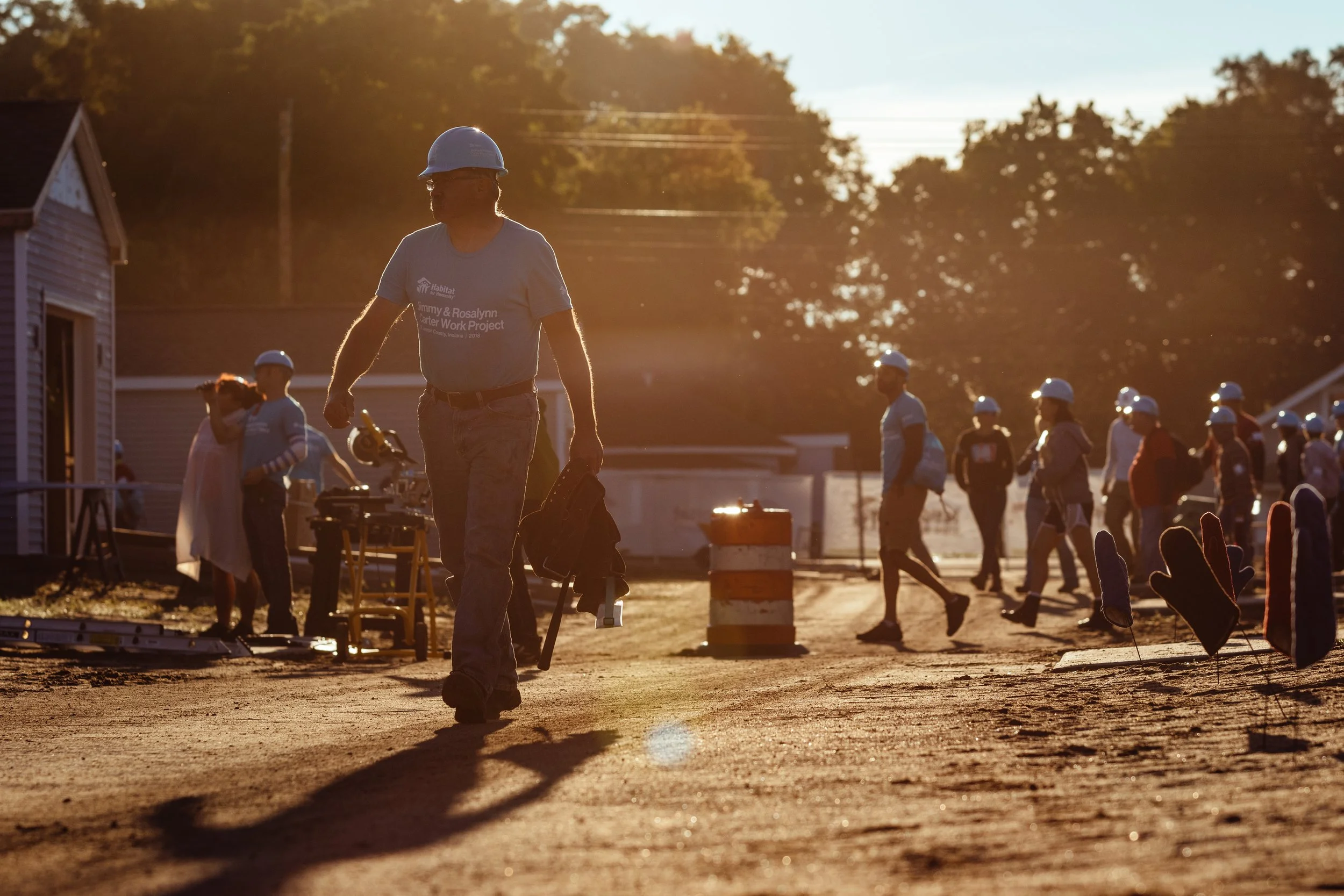
Volunteers at the Jimmy and Rosalyn Carter Work Project in Mishawaka, Indiana, get started on their homes just as the sun begins to rise.
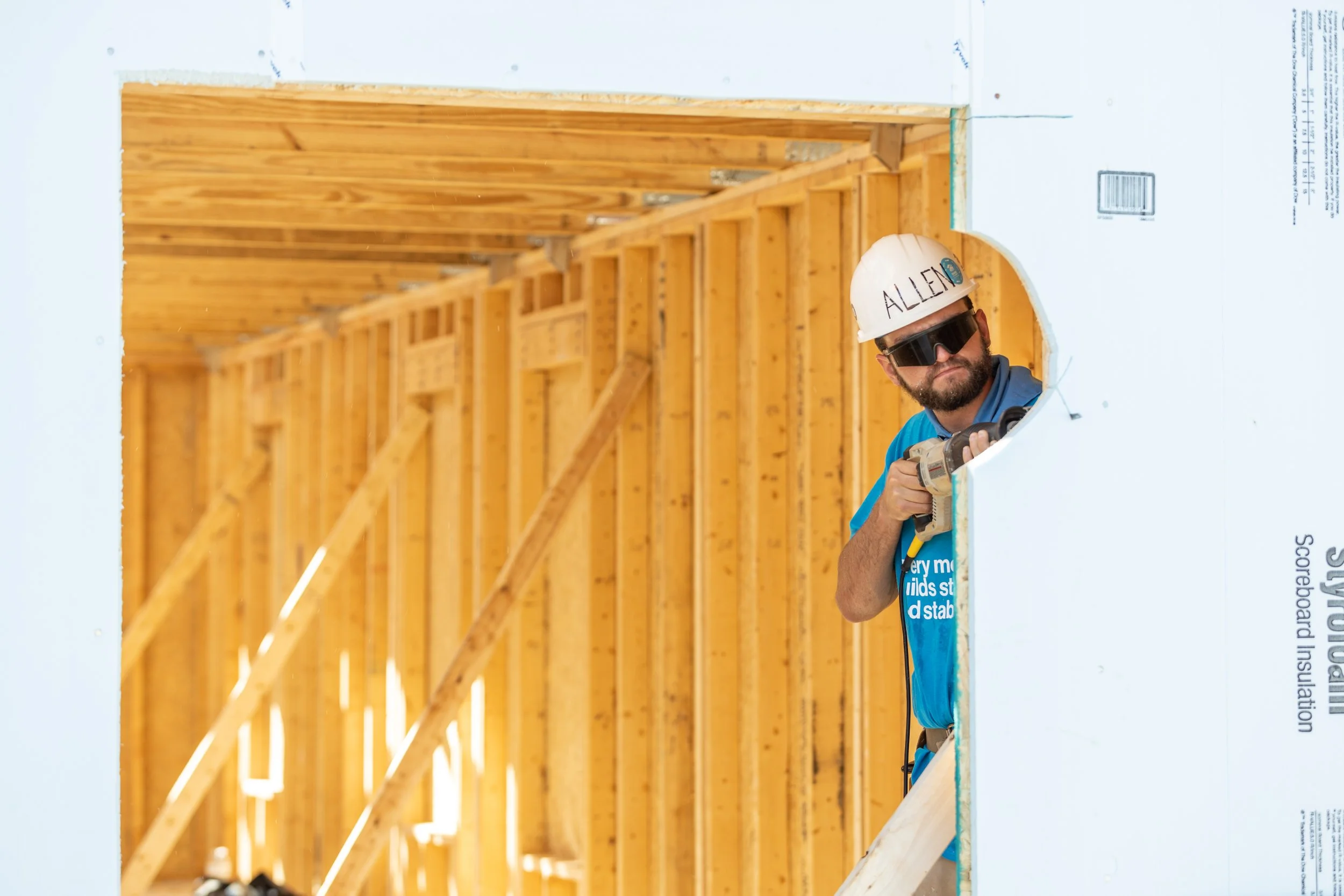
A volunteer trims insulation around a window opening on a Habitat for Humanity Nashville build site.
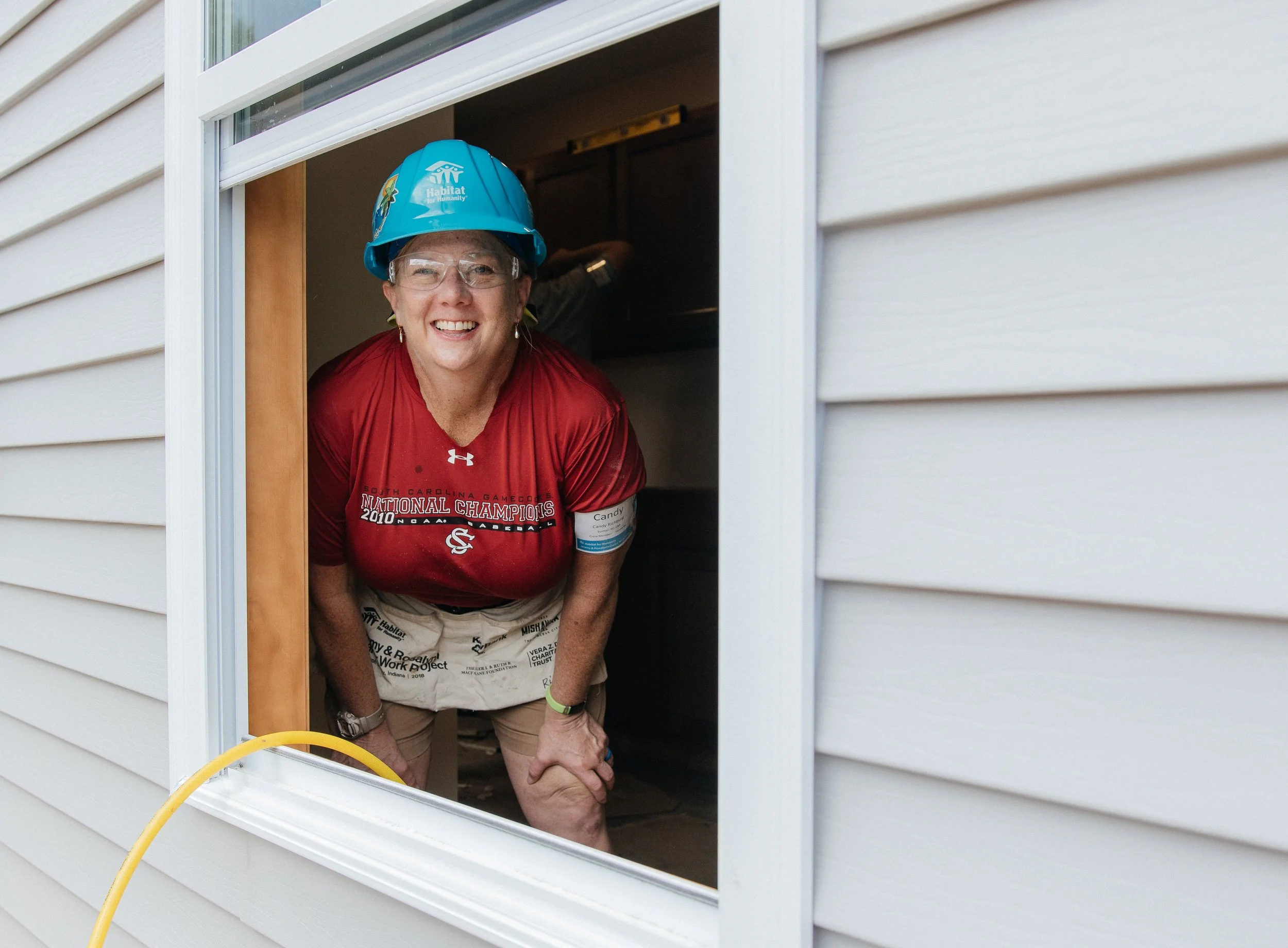
A volunteer pauses to peek out a window of the house she has been working on all week during the Jimmy and Rosalyn Carter Work Project for Habitat for Humanity.
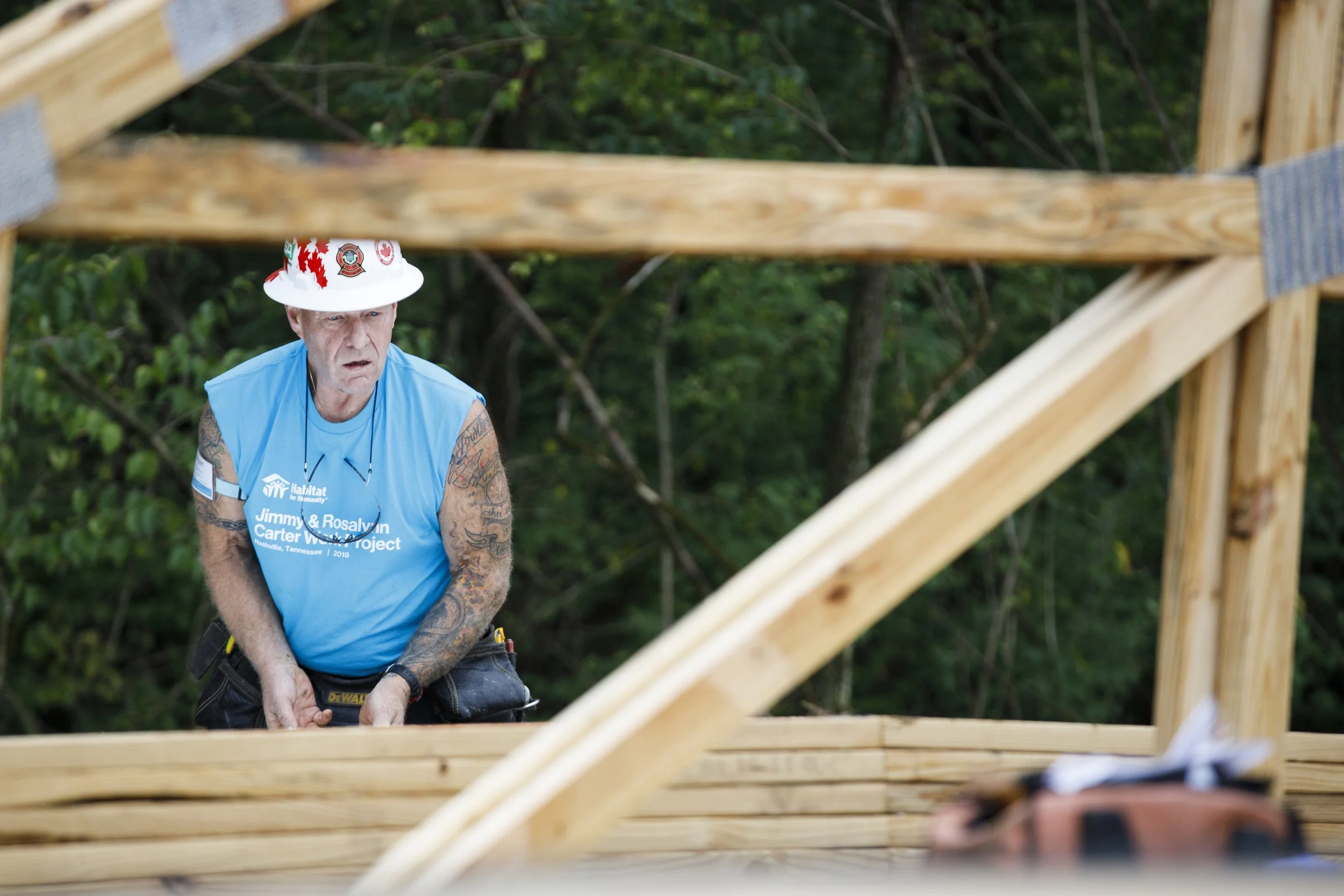
International volunteers, like this man from Canada, enjoy traveling to various build sites around the world as part of their volunteer service.
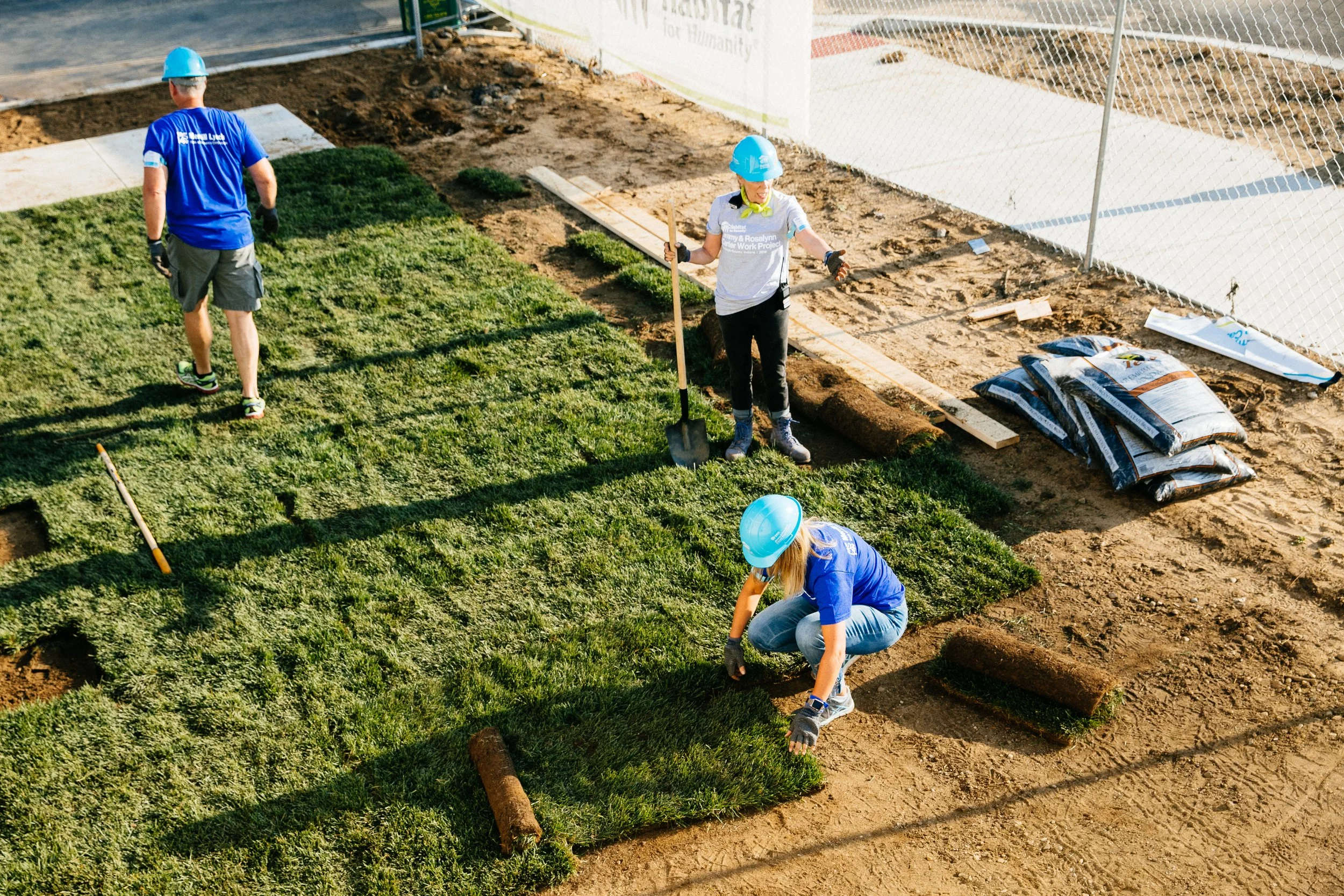
With the interior of the home finished, volunteers lay sod and add landscaping as one of the finishing touches on the construction of this Habitat for Humanity build.
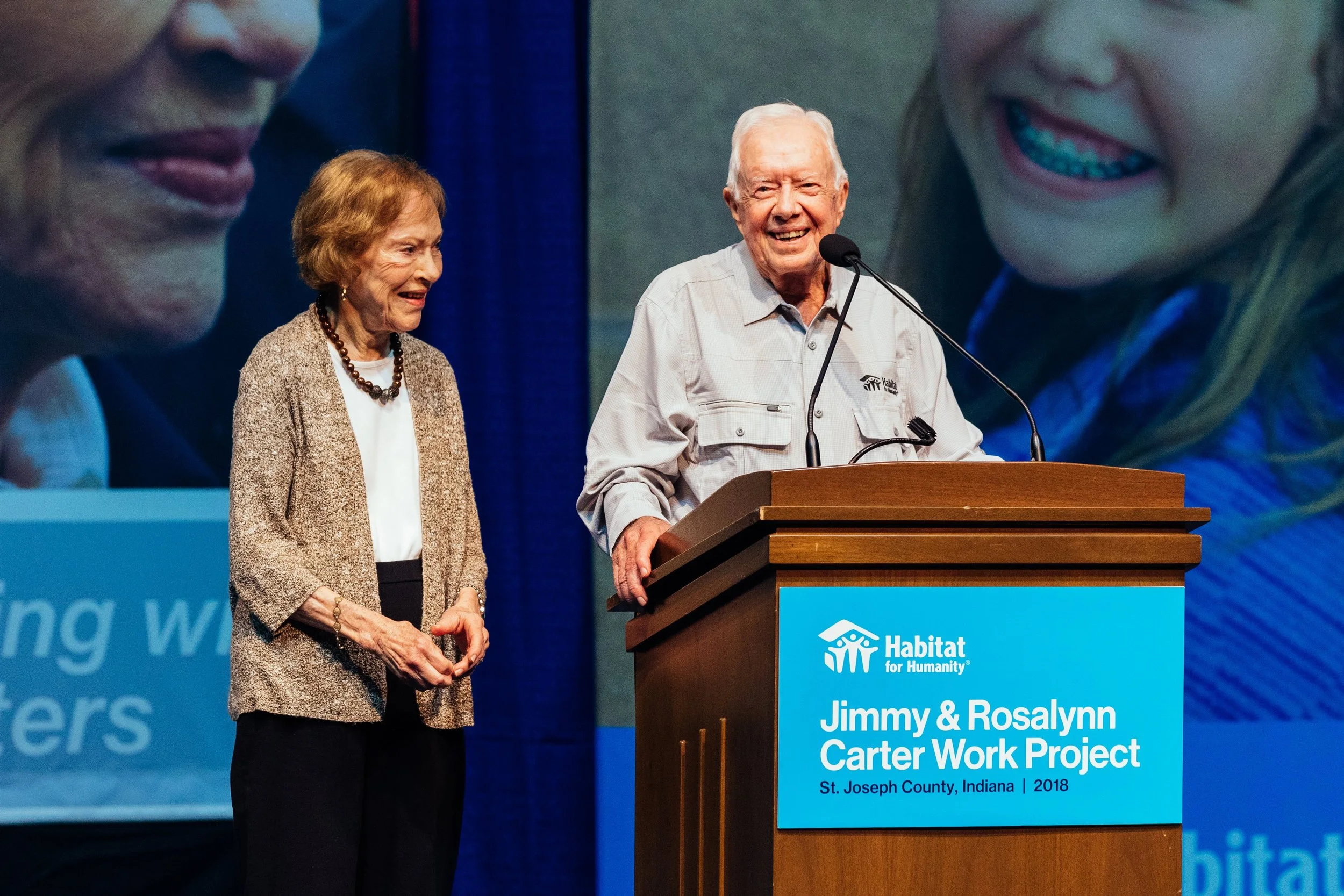
President and Mrs. Carter address the group of volunteers who have assembled in Mishawaka, Indiana, as part of the annual Jimmy and Rosalyn Carter Work Project at Habitat for Humanity.
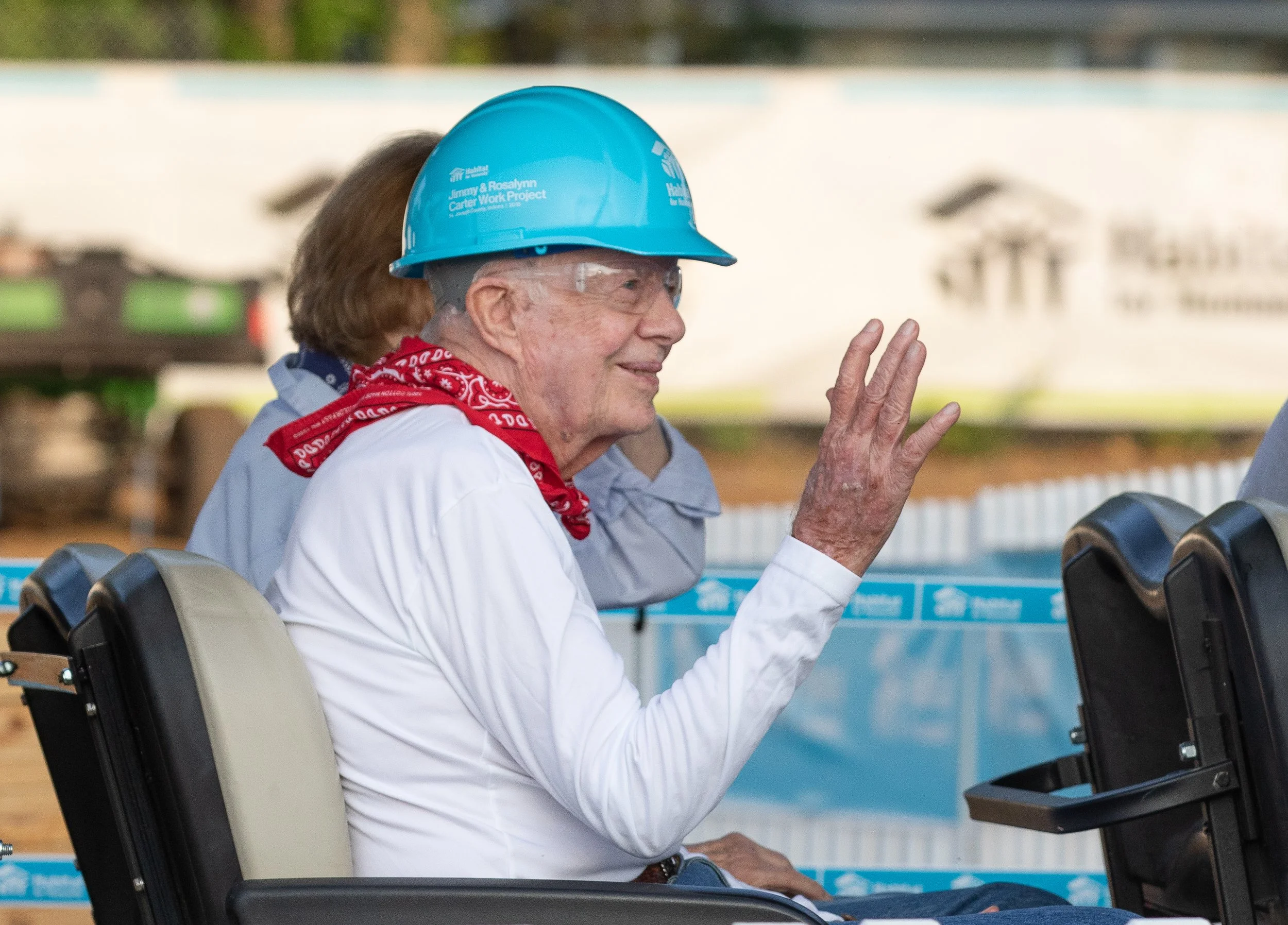
President and Mrs. Carter are escorted to the house they are building as part of their annual week of service for Habitat for Humanity.
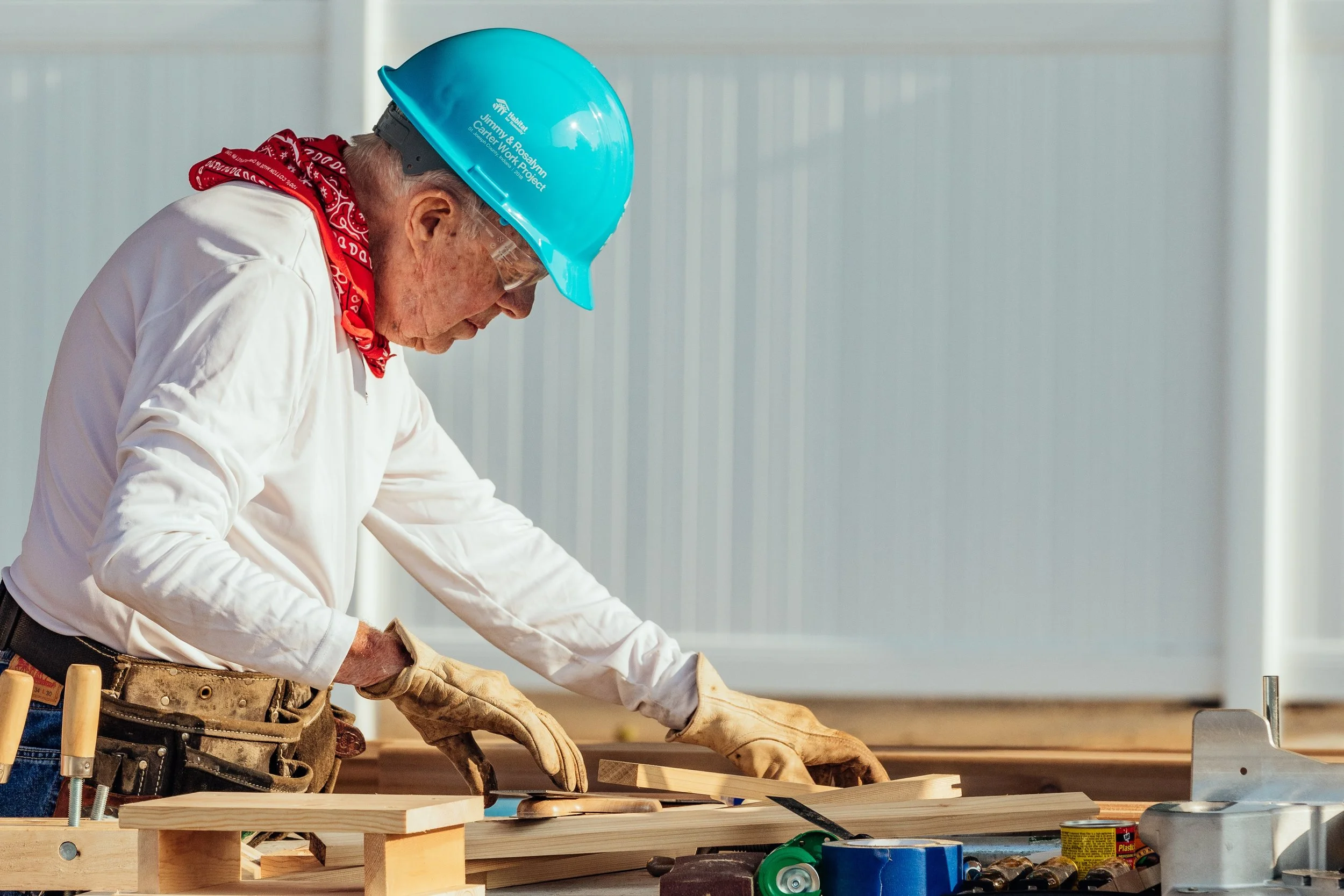
President Carter works on decorative trim for the outside of the house he was assigned as part of his annual week of service for Habitat for Humanity.
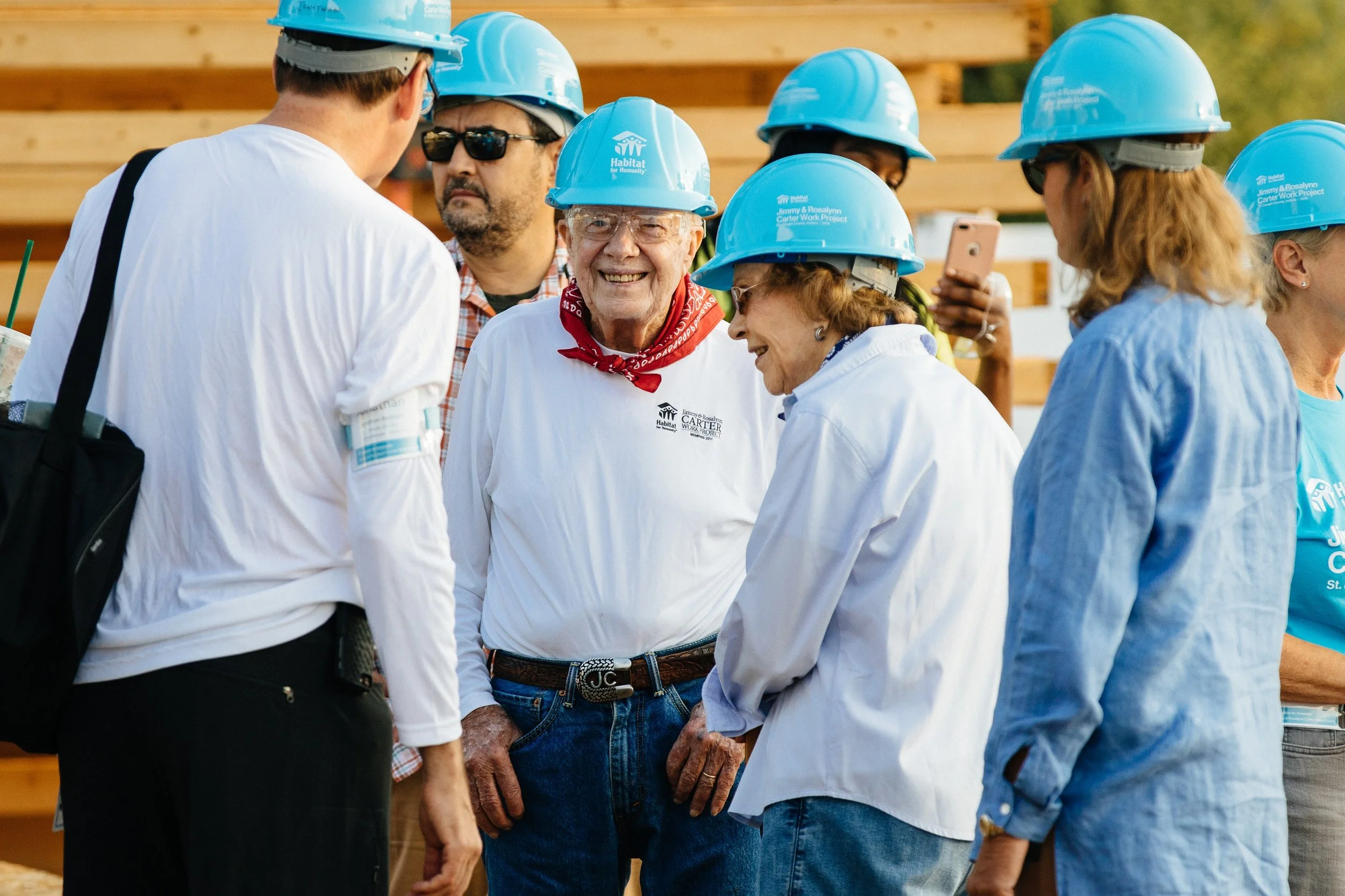
President and Mrs. Carter meet with Habitat for Humanity International CEO Jonathan Rockford ahead of the first day of building as part of their annual week of service for Habitat for Humanity International.
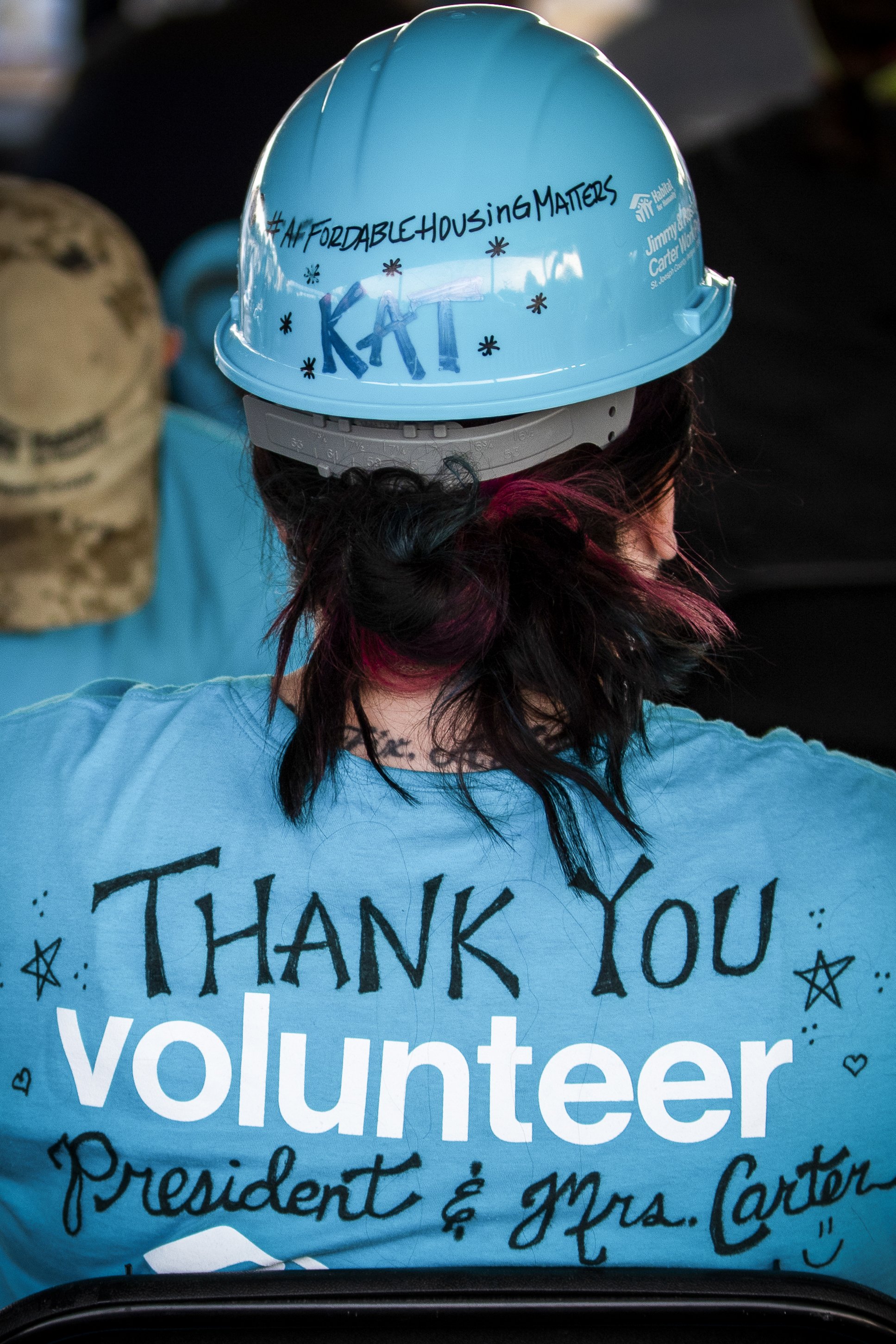
Volunteers spend the week being inspired and inspiring others with their acts of service, many of them choosing to build with a Habitat chapter as an annual family or friends reunion.
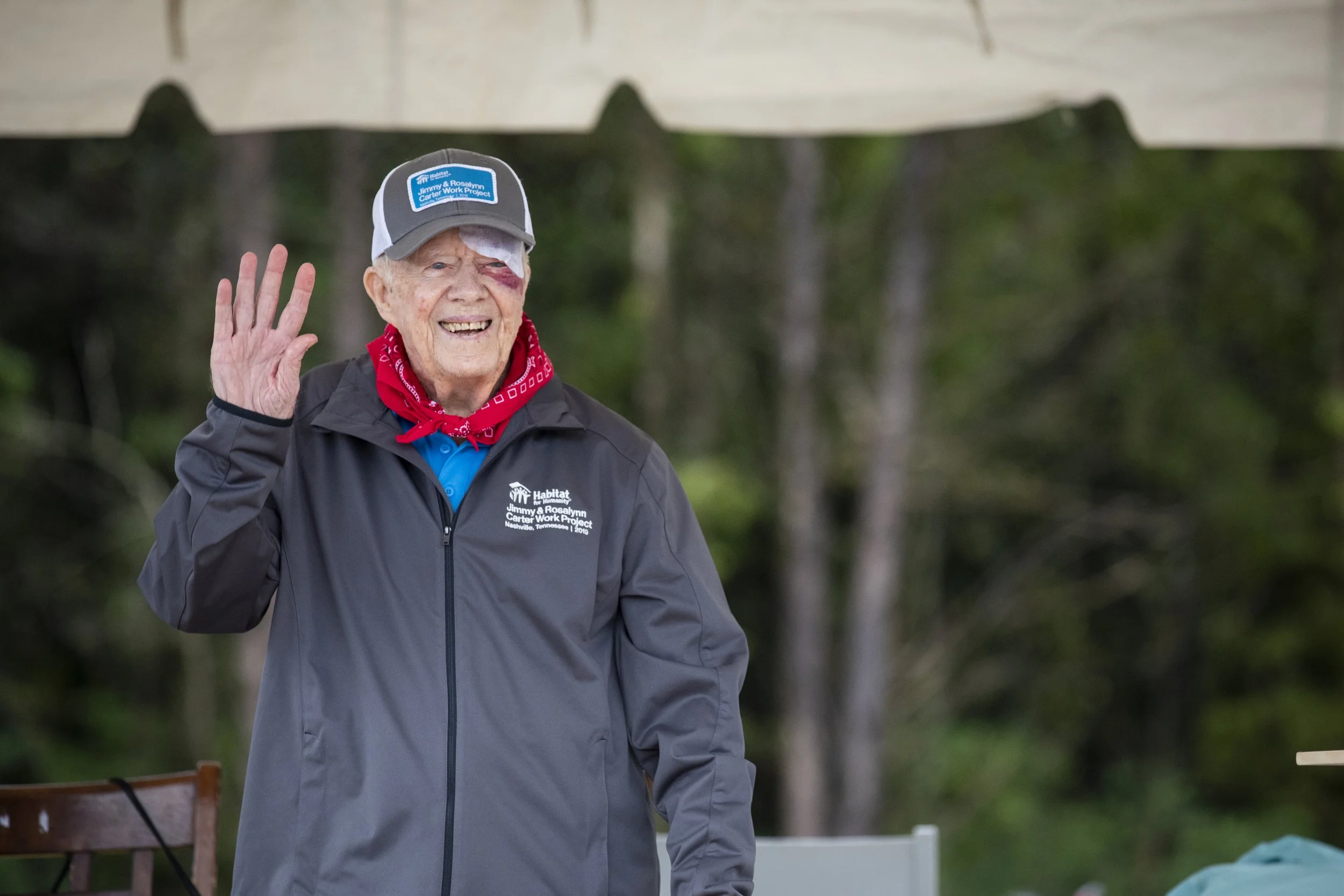
Despite a fall that left him with a black eye, President Carter arrives on time in Nashville, Tennessee, ready to kick off his annual week of service and fellowship with Habitat for Humanity International.
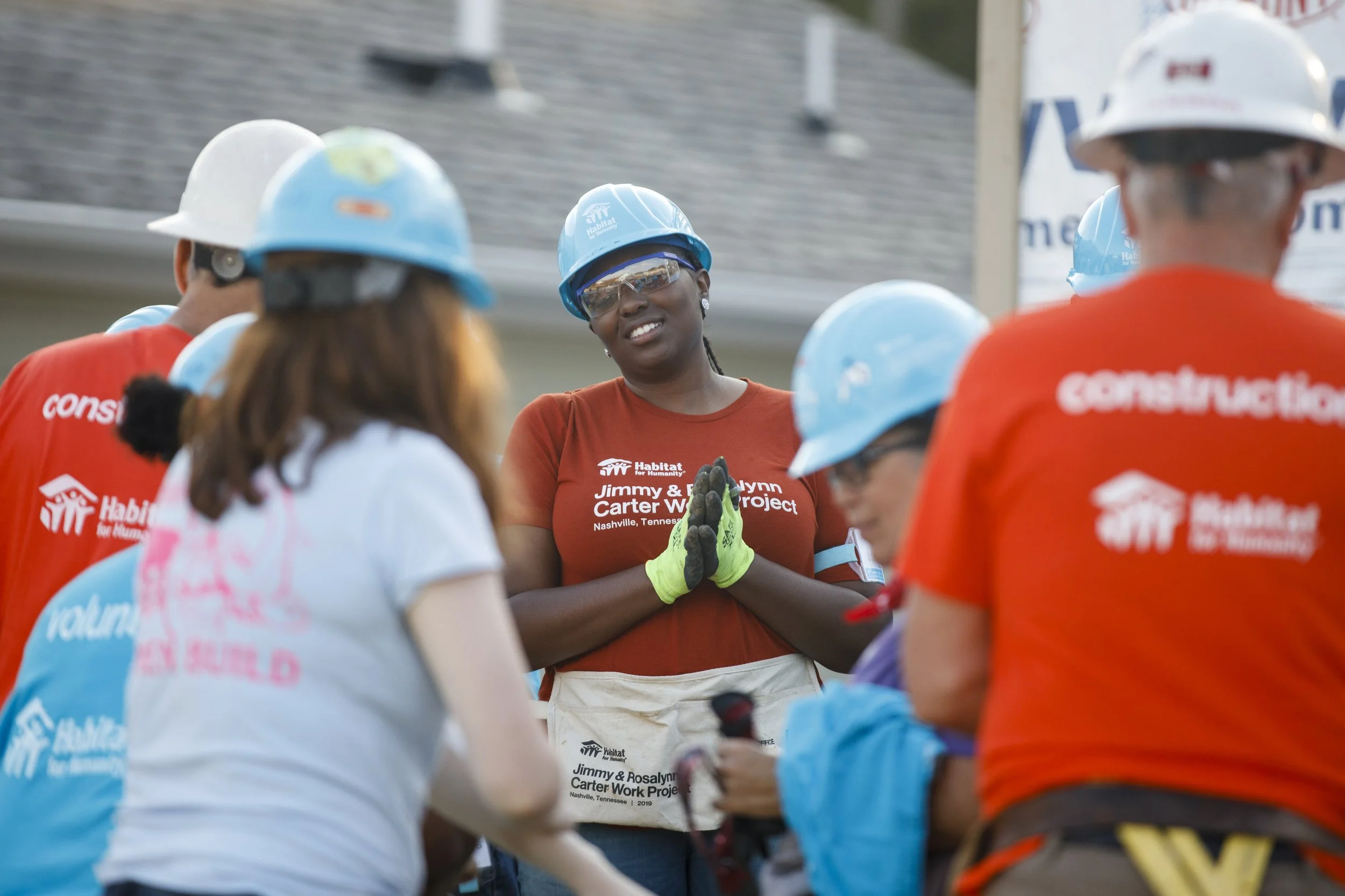
Habitat homeowners do not receive a home for free, but do put down "sweat equity" in service hours, which varies by Habitat for Humanity affiliate. They also make a monthly mortgage payment and own the home completely once that mortgage has been paid off.
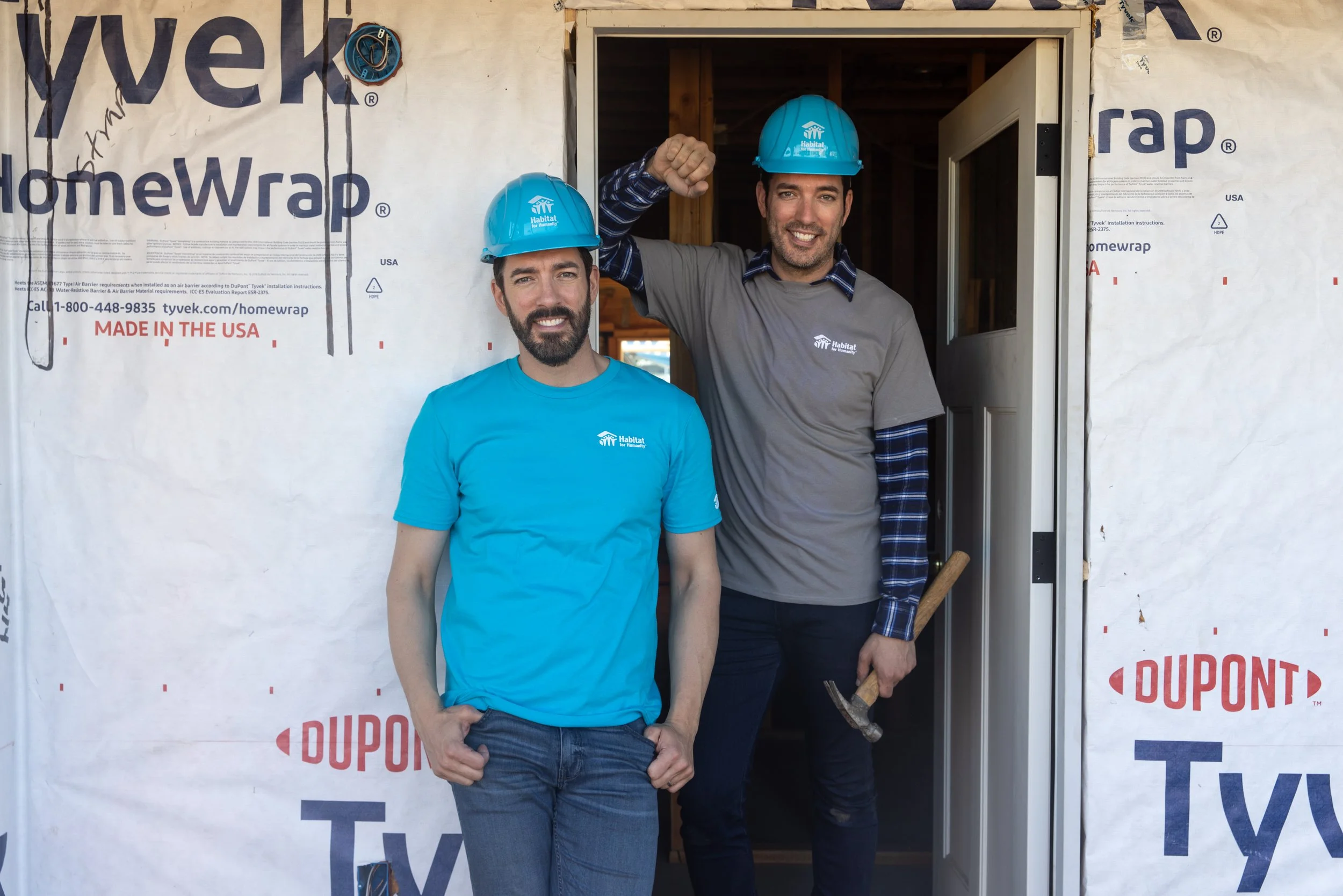
The Property Brothers, Drew and Jonathan Scott, are Habitat Humanitarians, having volunteered significant time and their talents in building homes and raising money and awareness for the organization.
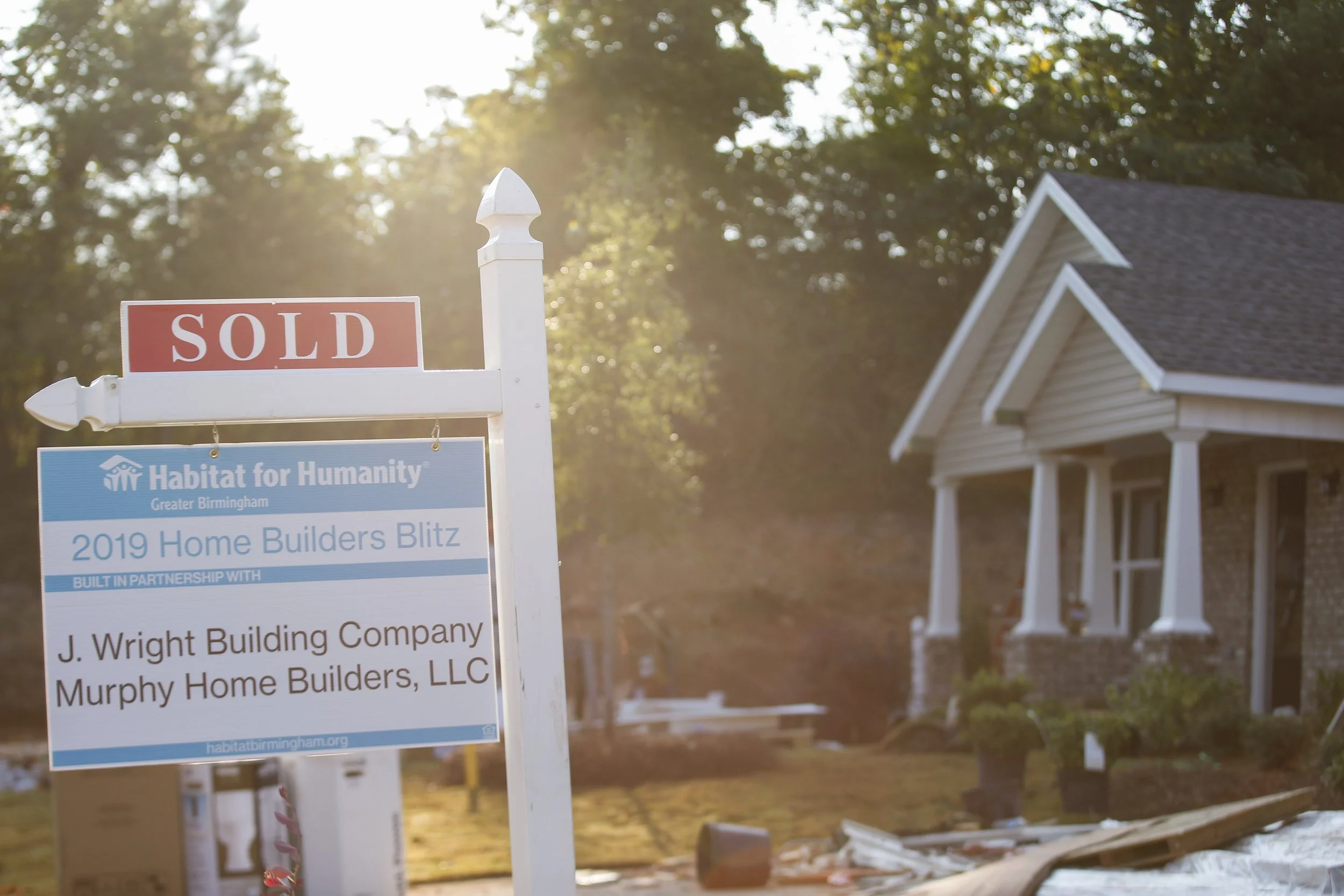
Professional home builders and contractors come together annually to rapidly boost the development of Habitat homes for various affiliates. By donating their professional time and skills, they can make rapid advancements that aren't possible with teams of volunteers.
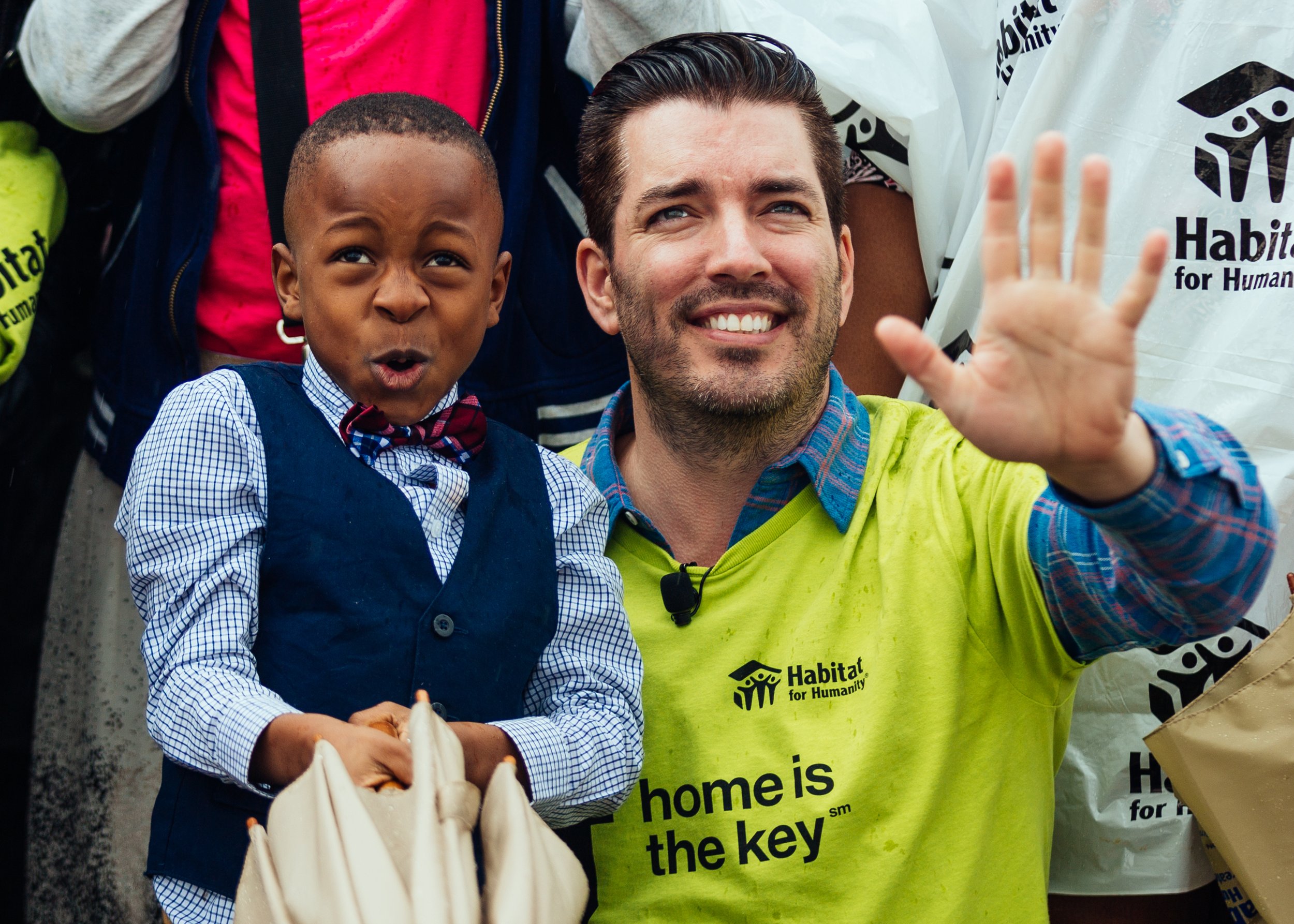
Jonathan Scott, Habitat Humanitarian and one half of The Property Brothers, poses for a photo with the young boy of a new Habitat Homeowner as part of the annual Home is the Key campaign at Habitat for Humanity.
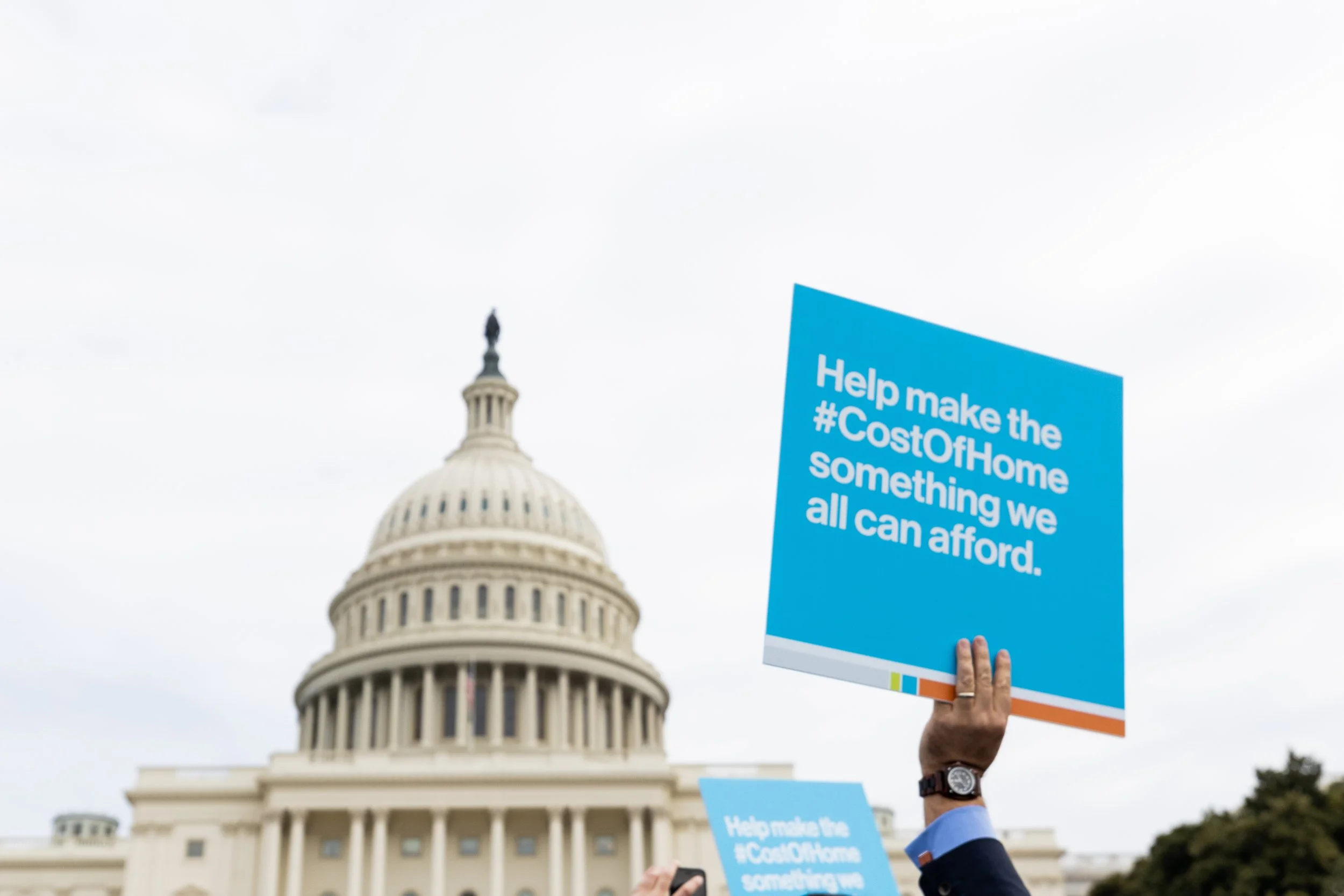
In addition to building homes, Habitat for Humanity takes an active role in advocacy in Washington, D.C., advocating for affordable housing, more access to housing, and other housing-related policy improvements.

Natosha Reid Rice, the first Global Diversity, Equity, and Inclusion Officer for Habitat for Humanity International, speaks to housing advocates on Capitol Hill ahead of meeting with members of Congress to push for more affordable housing.

Jazmin enjoys the patio off the back of the Habitat home she shares with her grandmother.
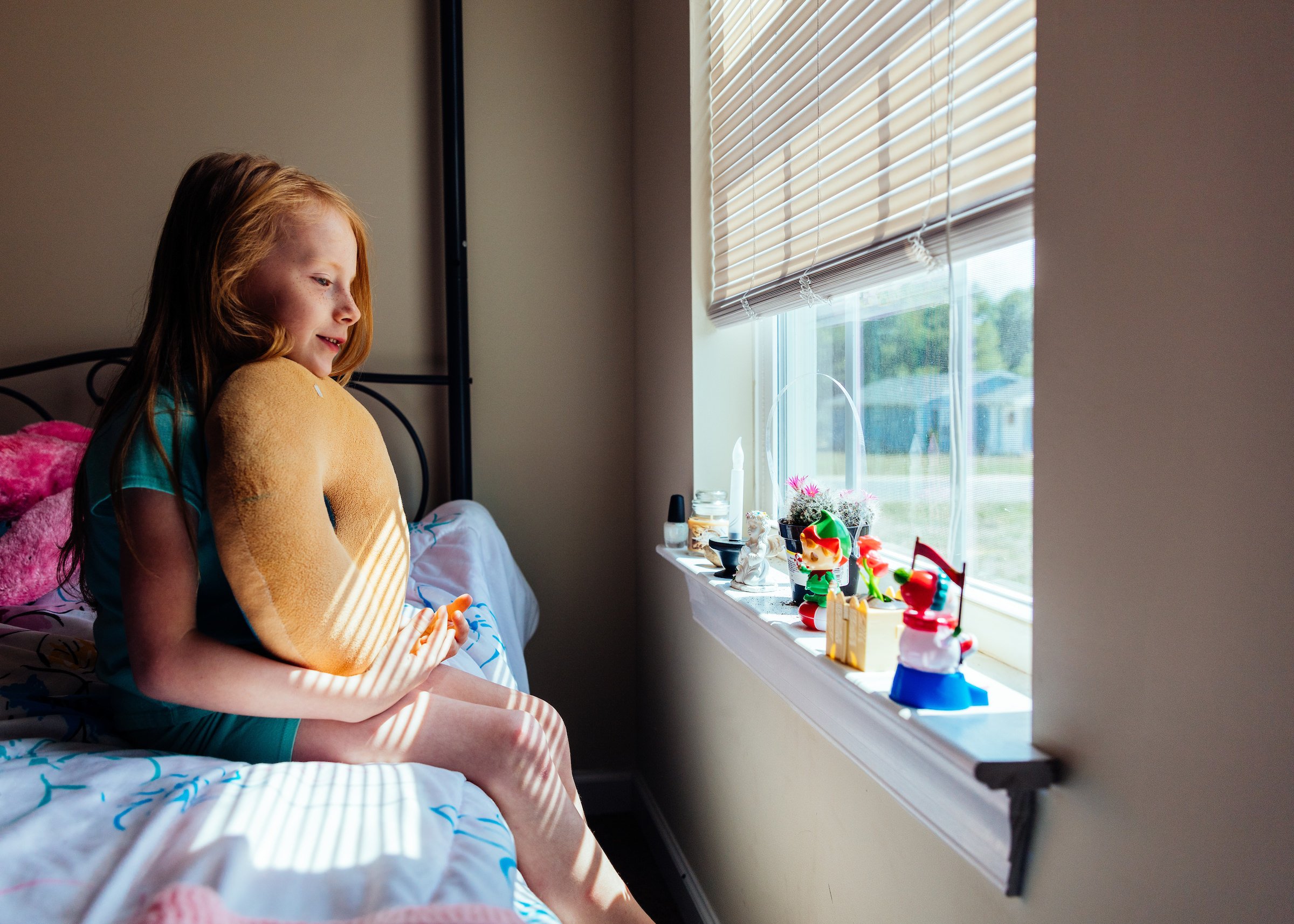
One of Jazmin's favorite things about having her own bedroom in the house she shares with her grandmother is having a place for her toys and that she can read her books at night in bed.
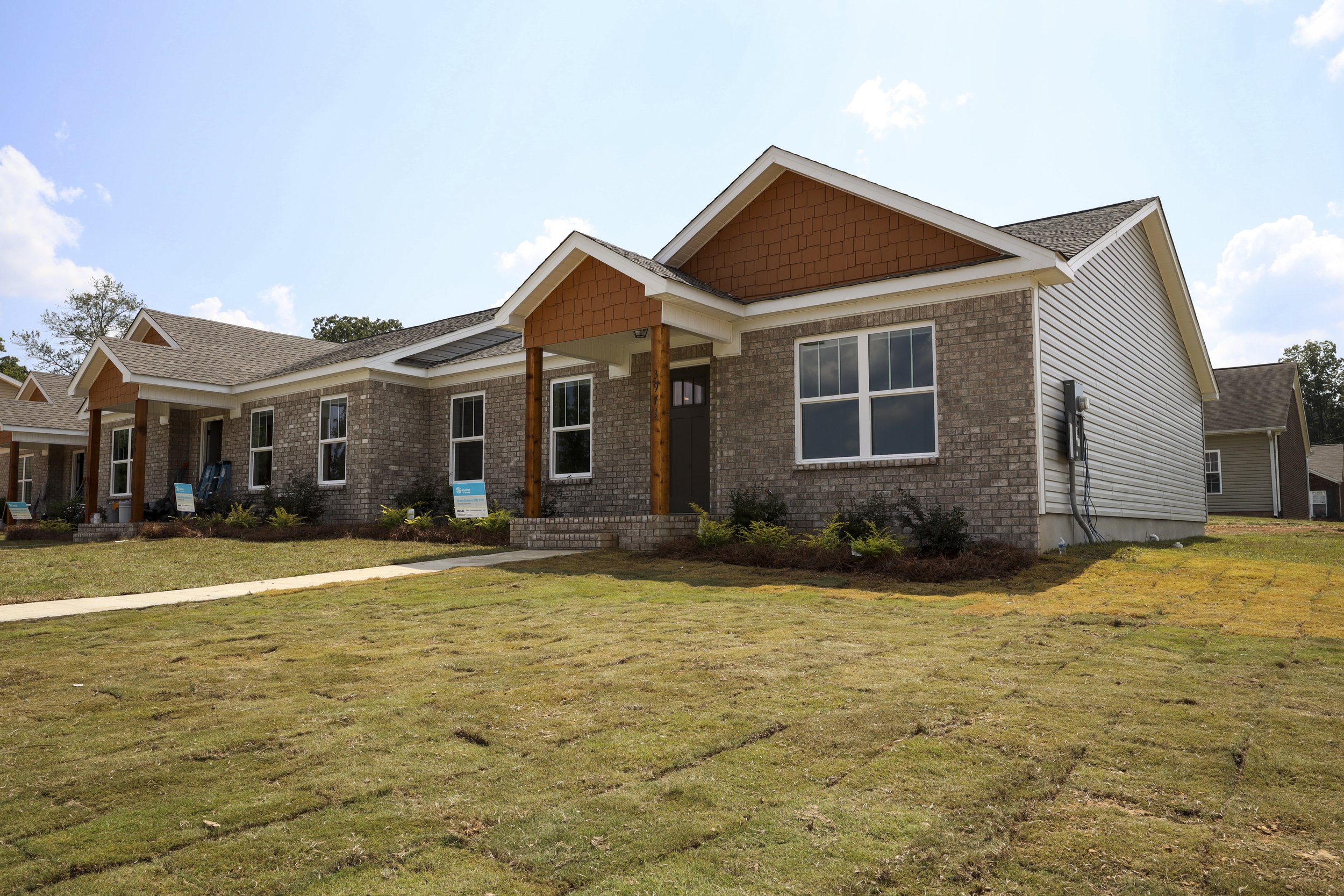
Many Habitat affiliates try and buy larger plots for developing many homes at one time. It's more cost-effective, and Habitat homeowners like getting to know the other homeowners who have taken the same journey to homeownership. The sense of community is stronger, and many of them volunteer to work on one another's homes.
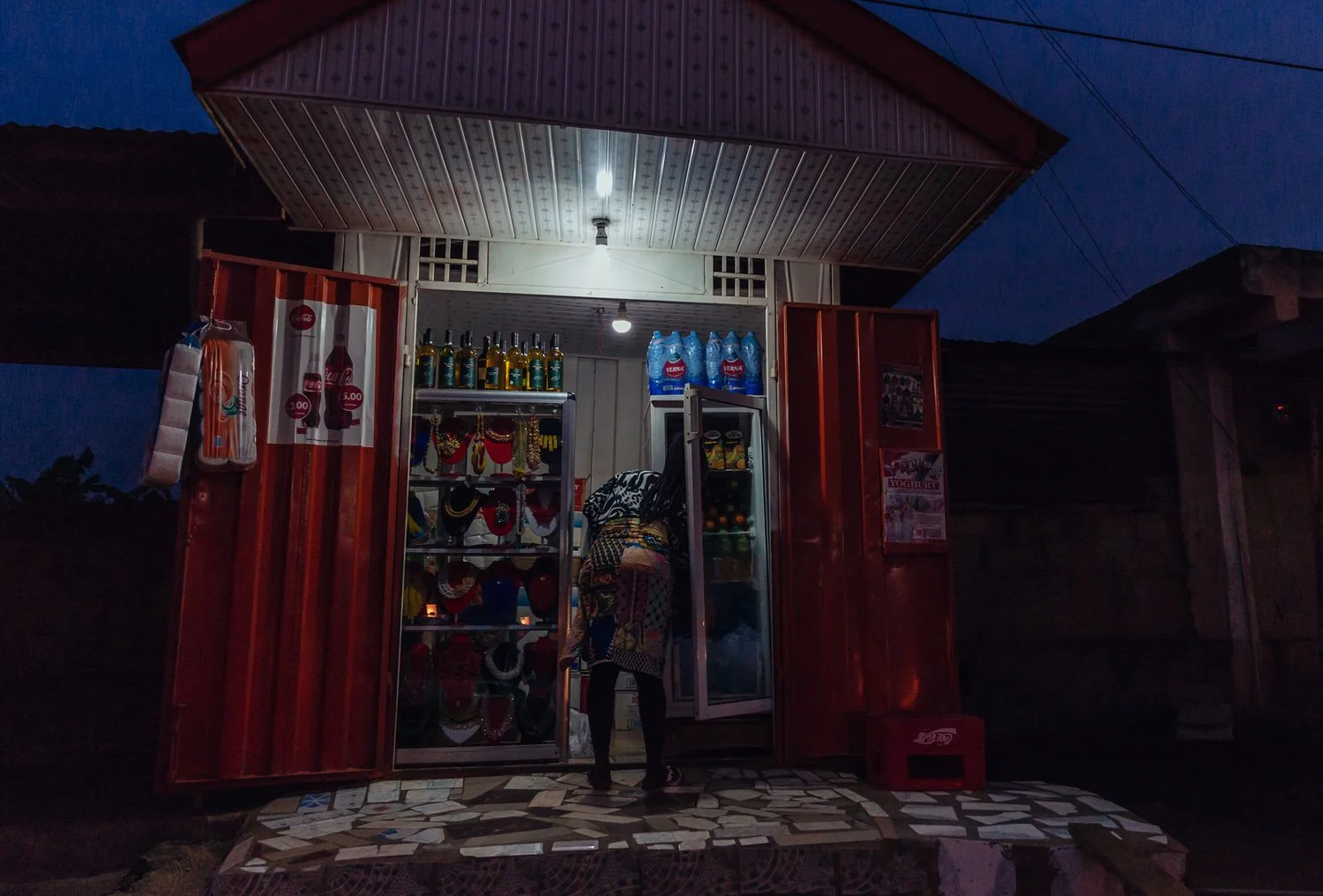
Rural Ghana is full of small container stores like this one, which are one of the easier ways to make a living this far outside of the city.
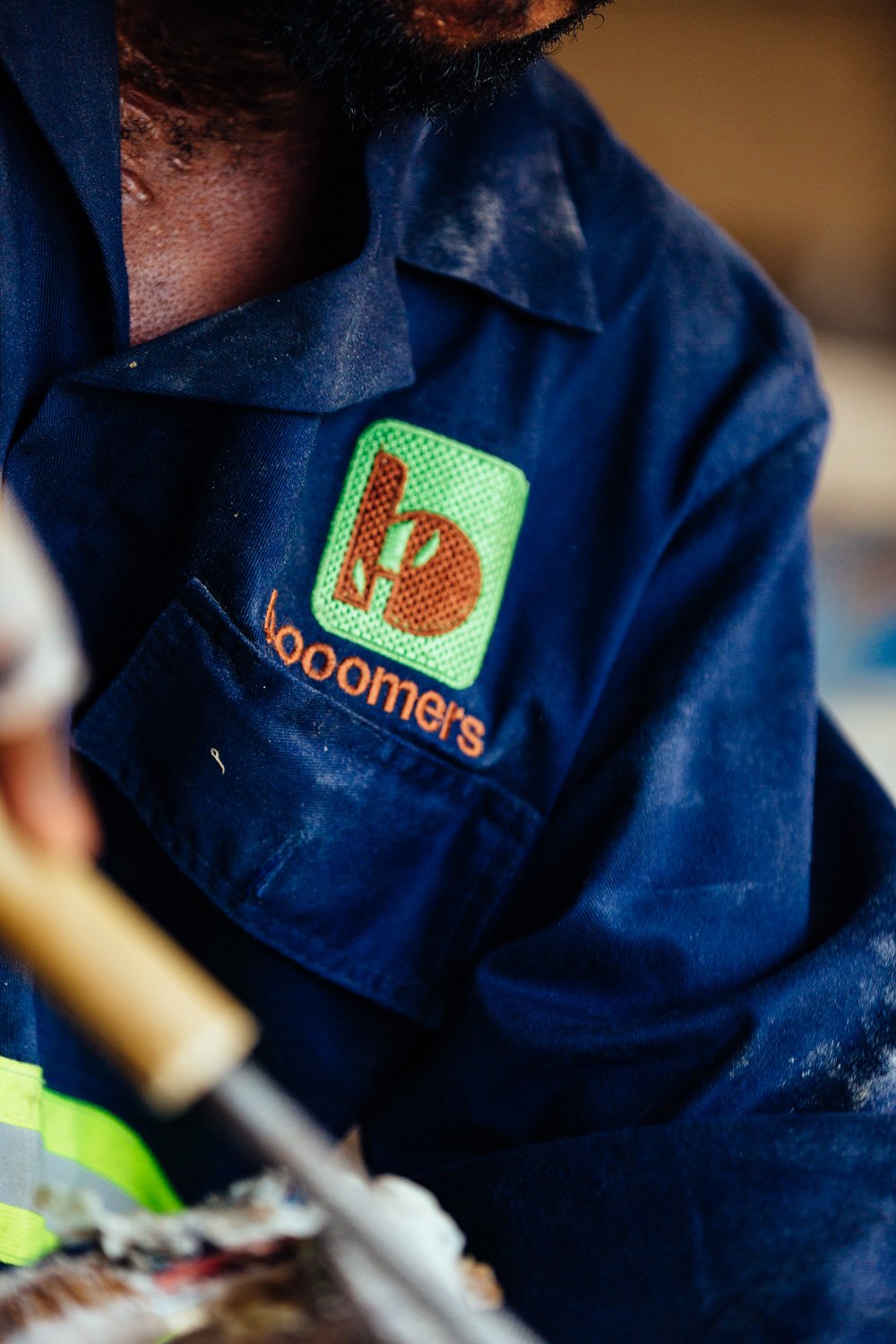
Booomers is a social enterprise started by Kwabena Danso as a way to bring jobs, skills, and education to the village where he grew up. Most of the families in the village are subsistence farmers and have no way to pay for education for their children.
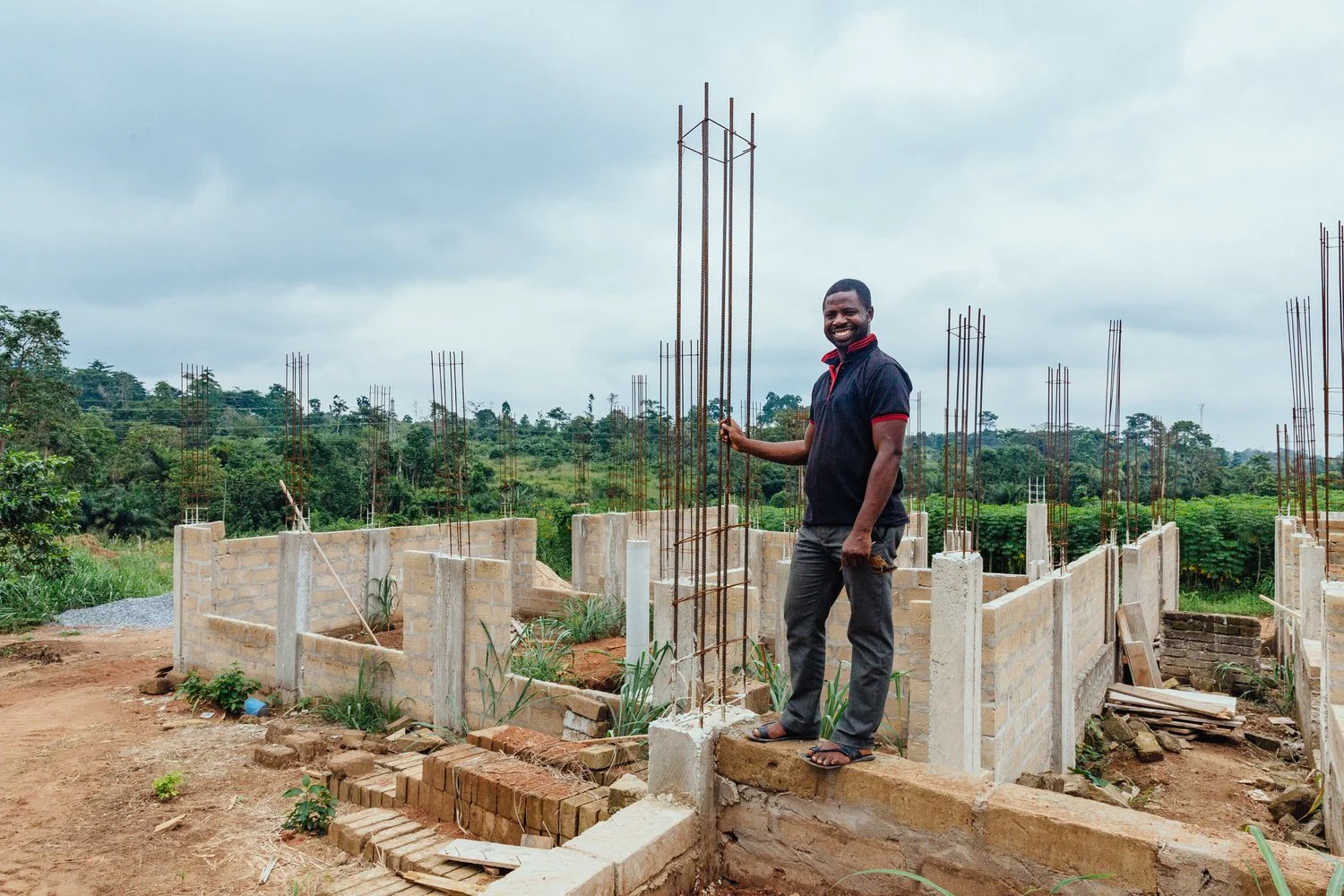
With the profits from Booomers bicycles, Danso has already laid the foundation for what will become the school for his village outside of Jamasi.
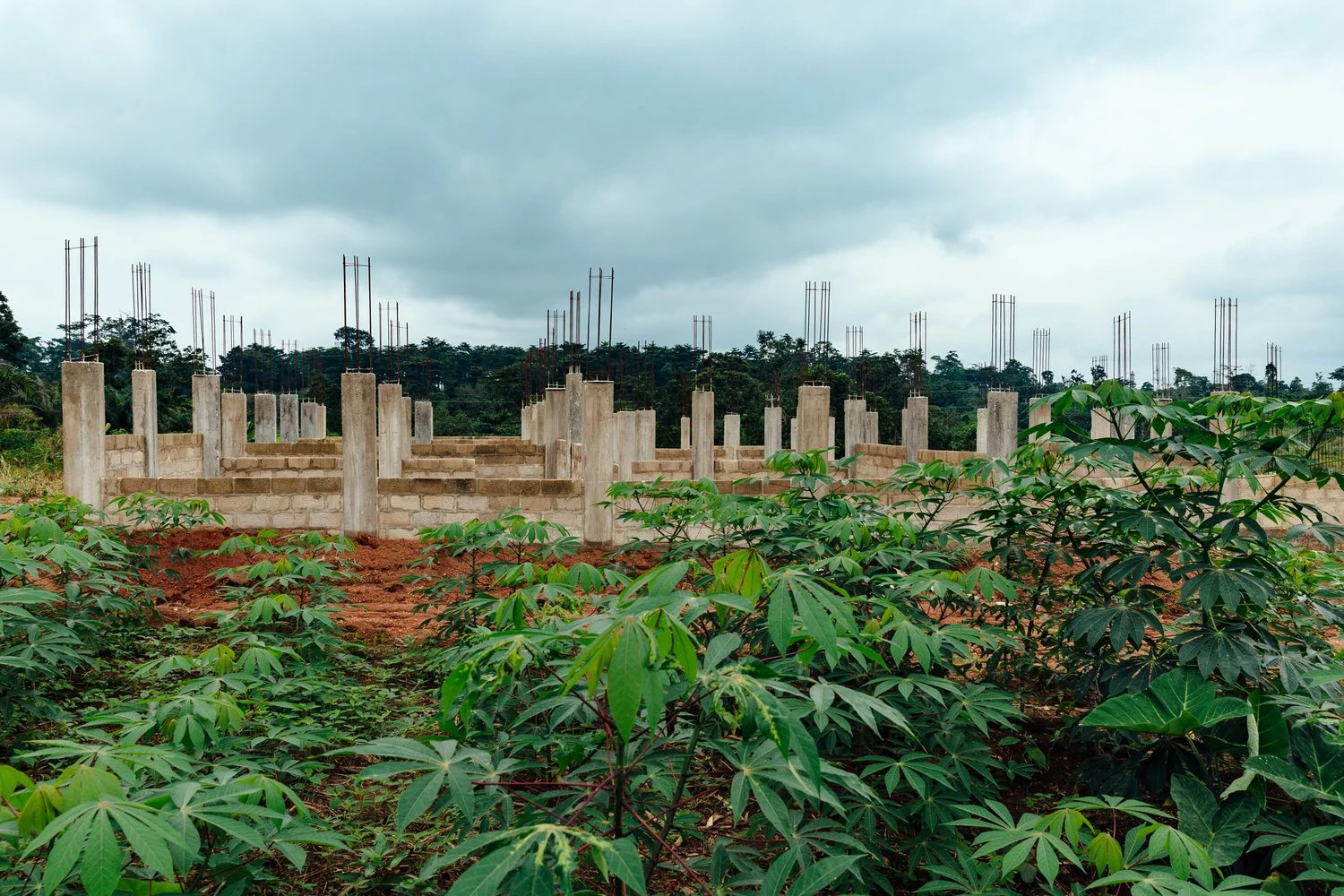
The school will have room for students of all ages and the profits from selling the bamboo bicycles will allow children to receive an education without any cost to the families.
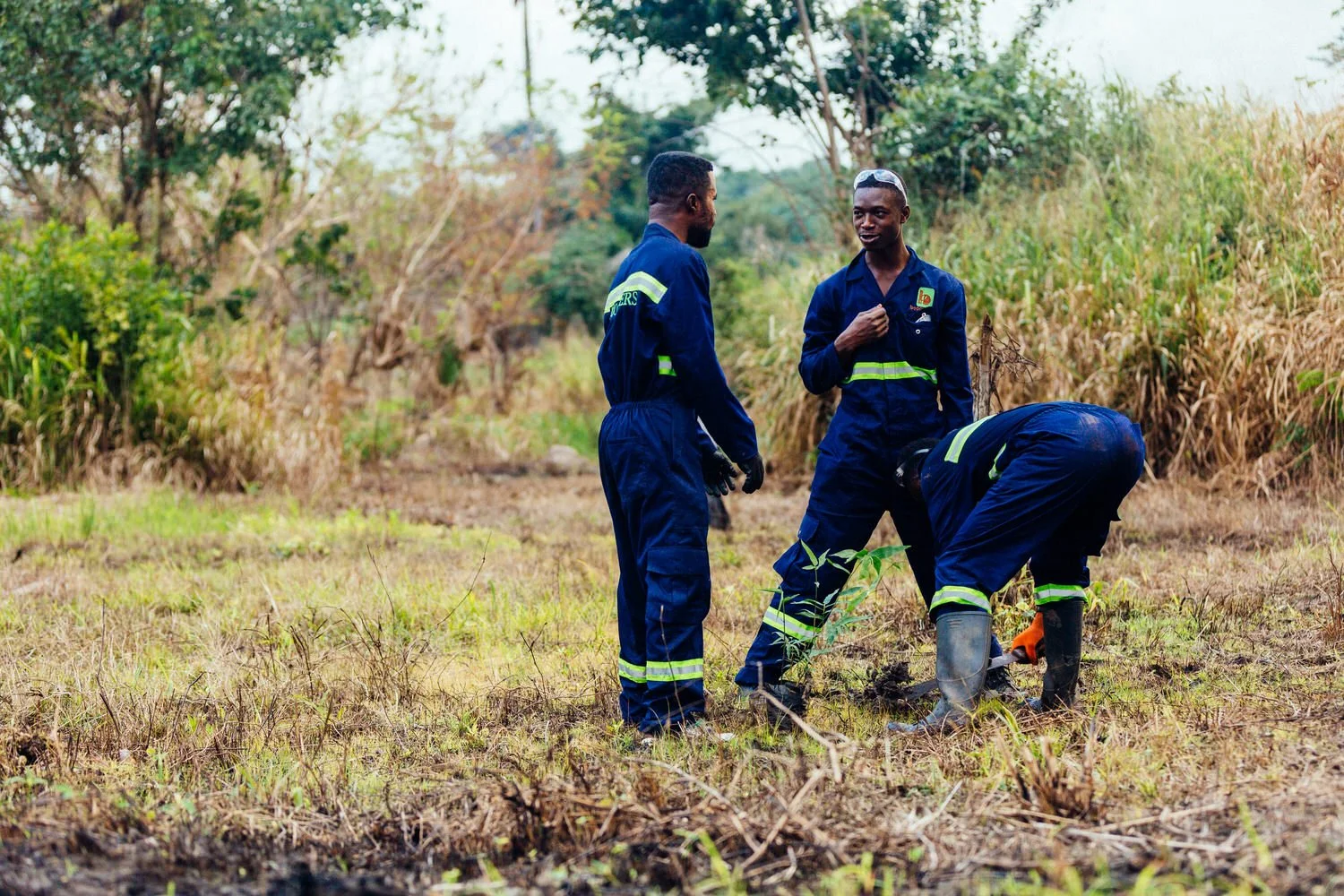
It starts with bamboo. Mr. Danso hires subsistence farmers to tend to his bamboo plants, providing them with additional income. The bamboo, which is native to the region, grows quickly in the warm and humid climate.
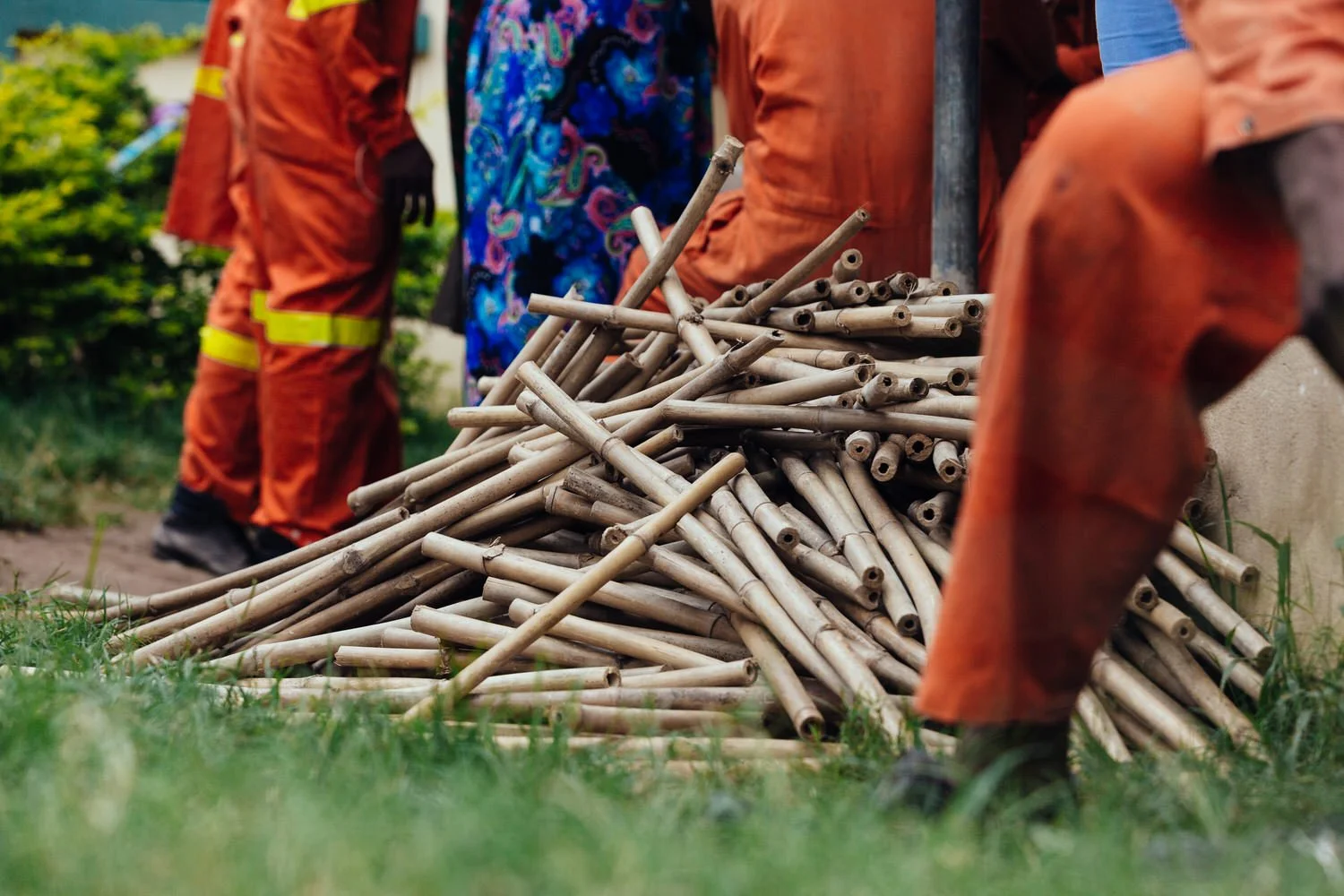
Once the bamboo is harvested, it is cut and dried at the Booomers factory. It is then treated for insects and dried again. The result is a material almost as strong as carbon fiber.
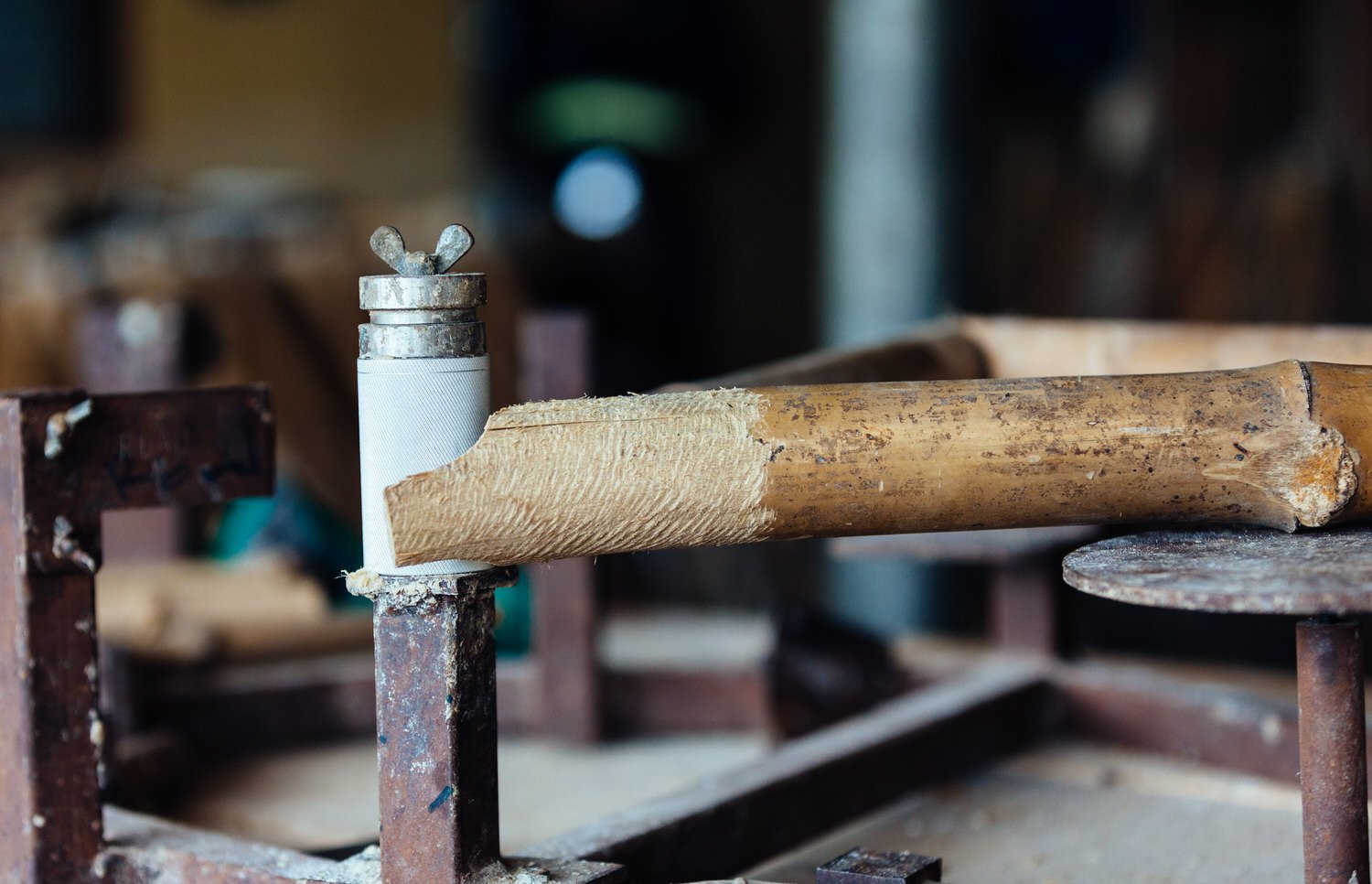
Mr. Danso hires young adults to make the bicycle frames from the bamboo. By making them by hand, they avoid work outages due to loss of power and he can employ more people. They receive lunch every day as part of their wages, along with health care, transportation to and from work, and financial education.
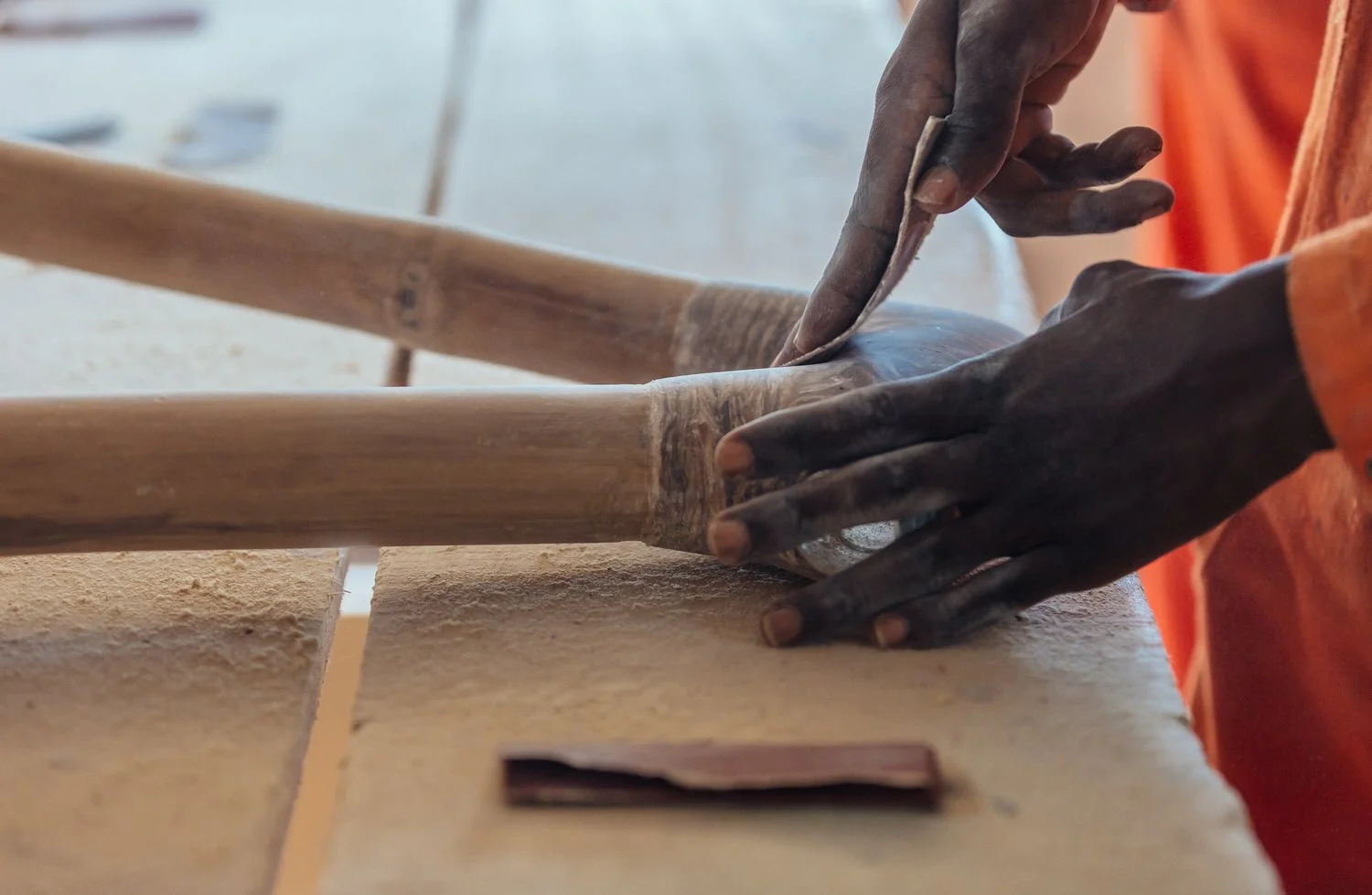
The bamboo is joined together with sisal and epoxy, creating a strong joint that provides for flexibility while in motion.
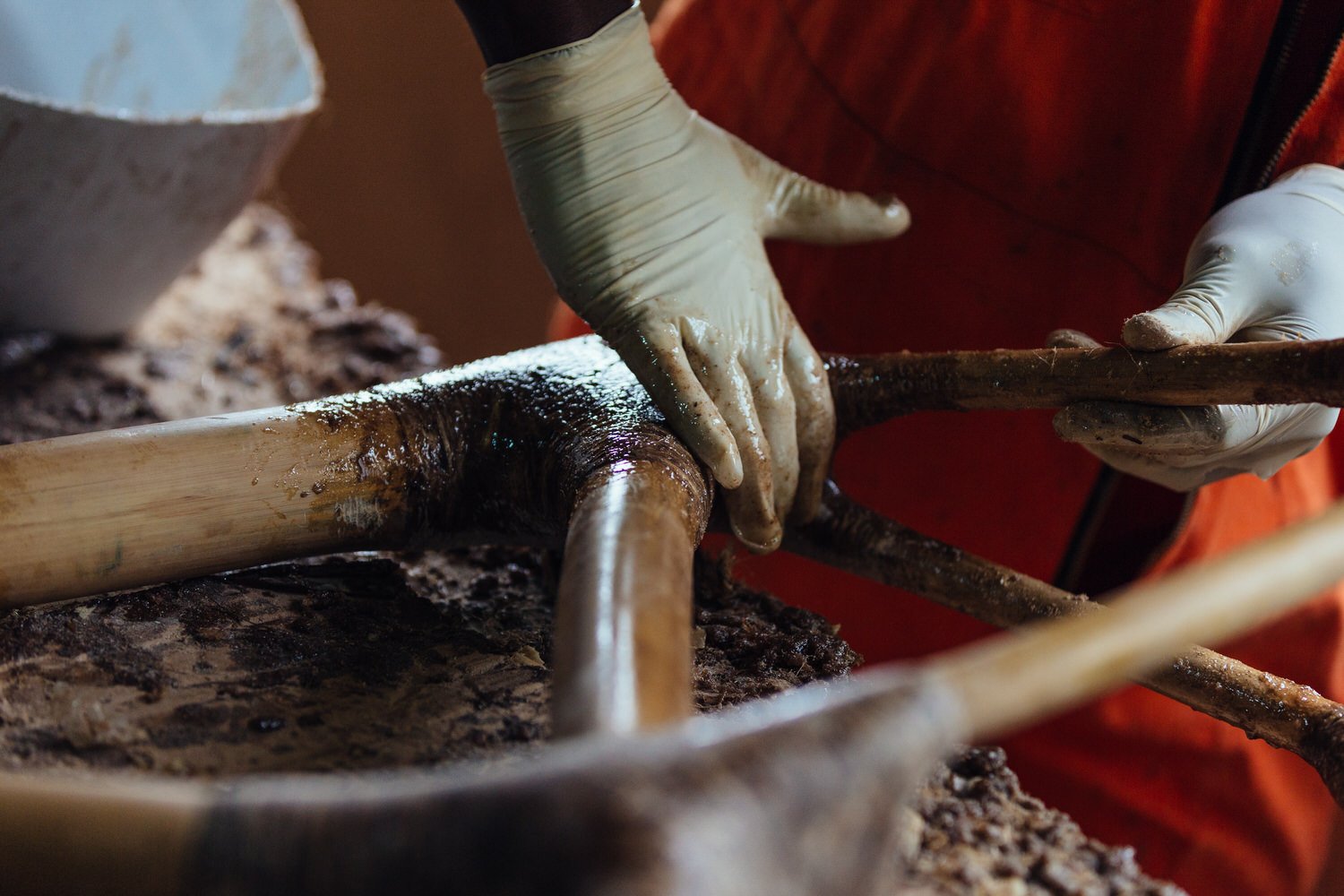
Each application of the epoxy is applied by hand and must dry thoroughly before being sanded again.
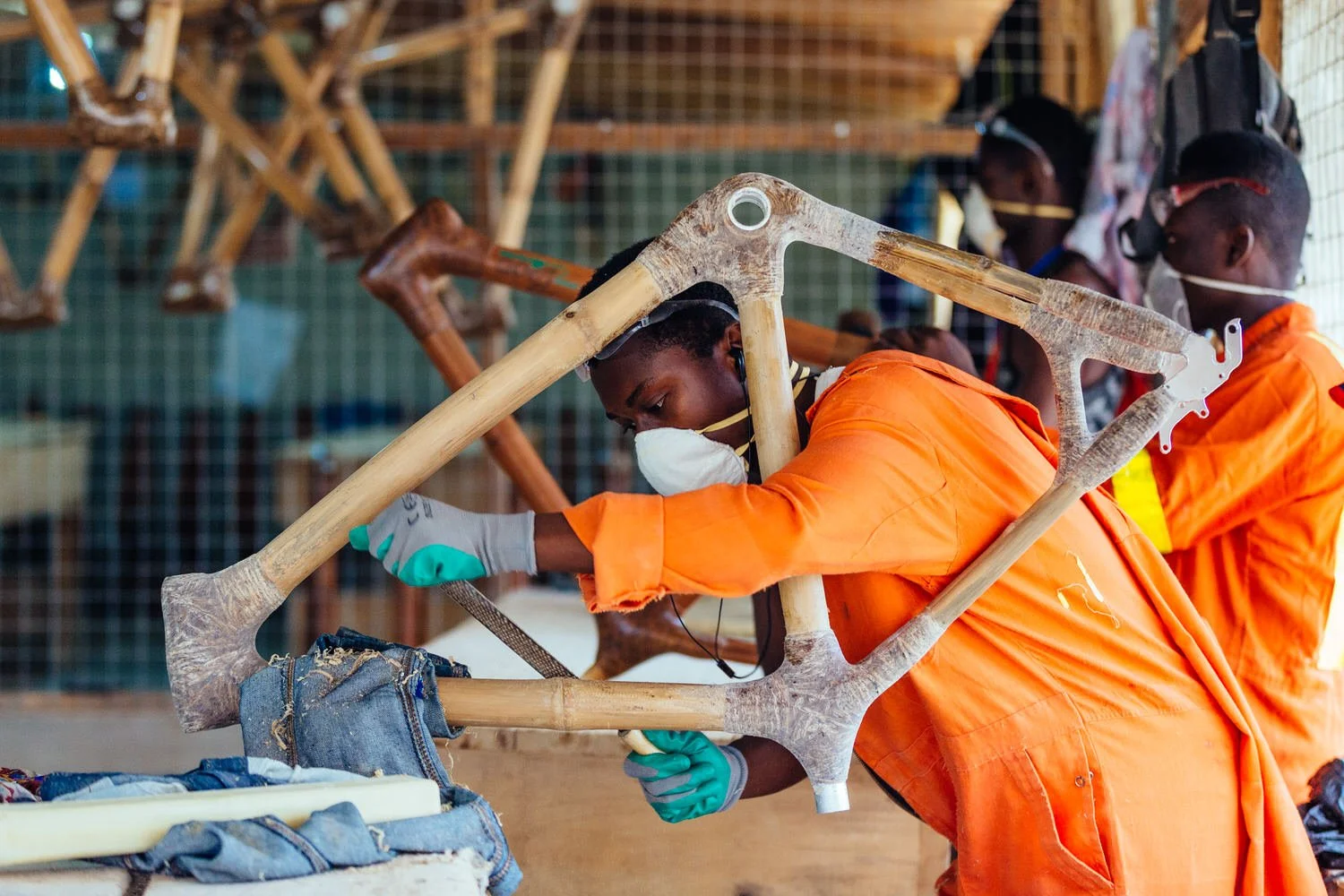
The entire bicycle frame is constructed with bamboo and sisal, creating a lightweight and strong frame completely crafted by hand.
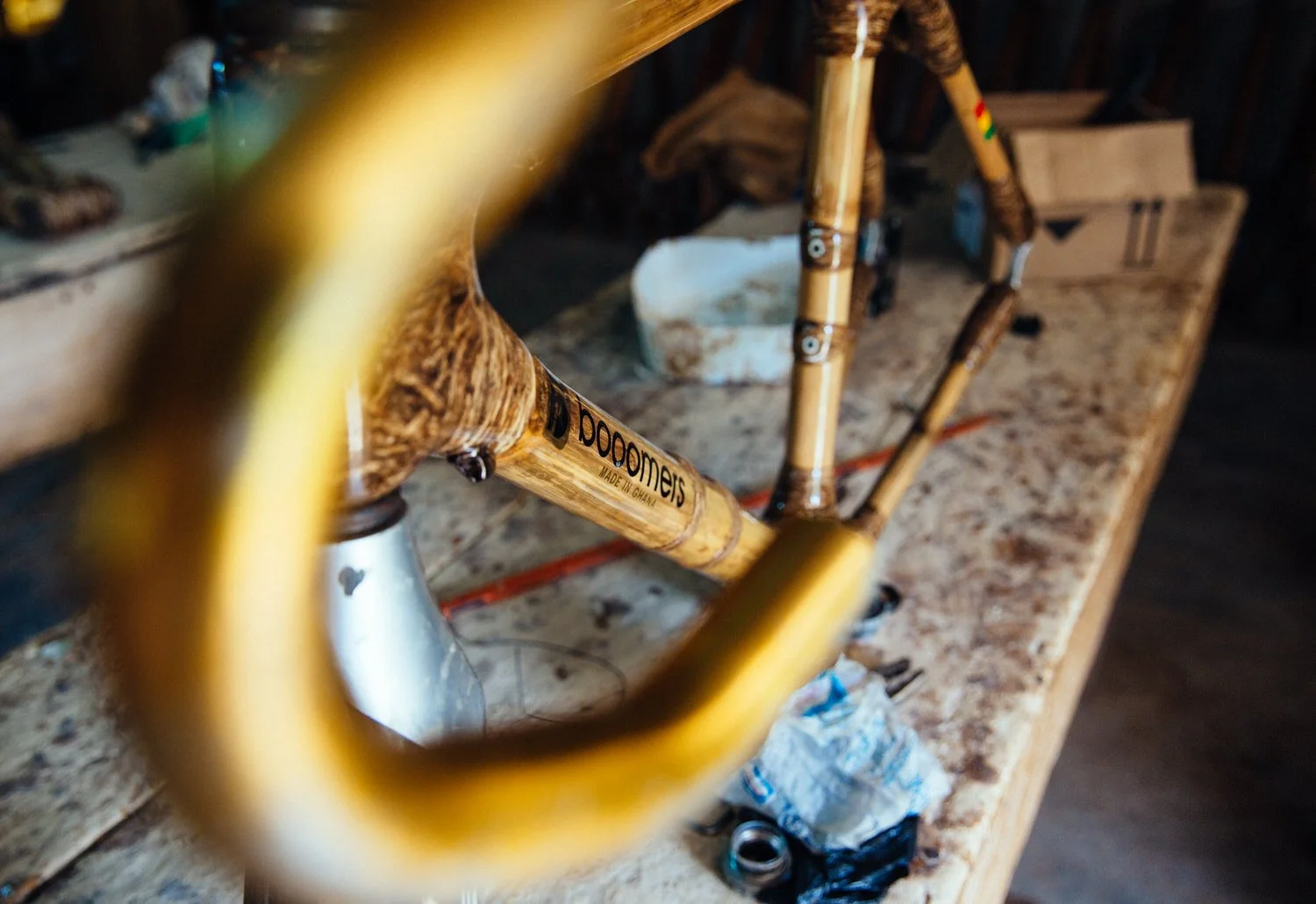
Once the frame has been sanded and lacquered, the logo is applied and it moves into the finishing phase where the handlebars, and mechanical parts are added.
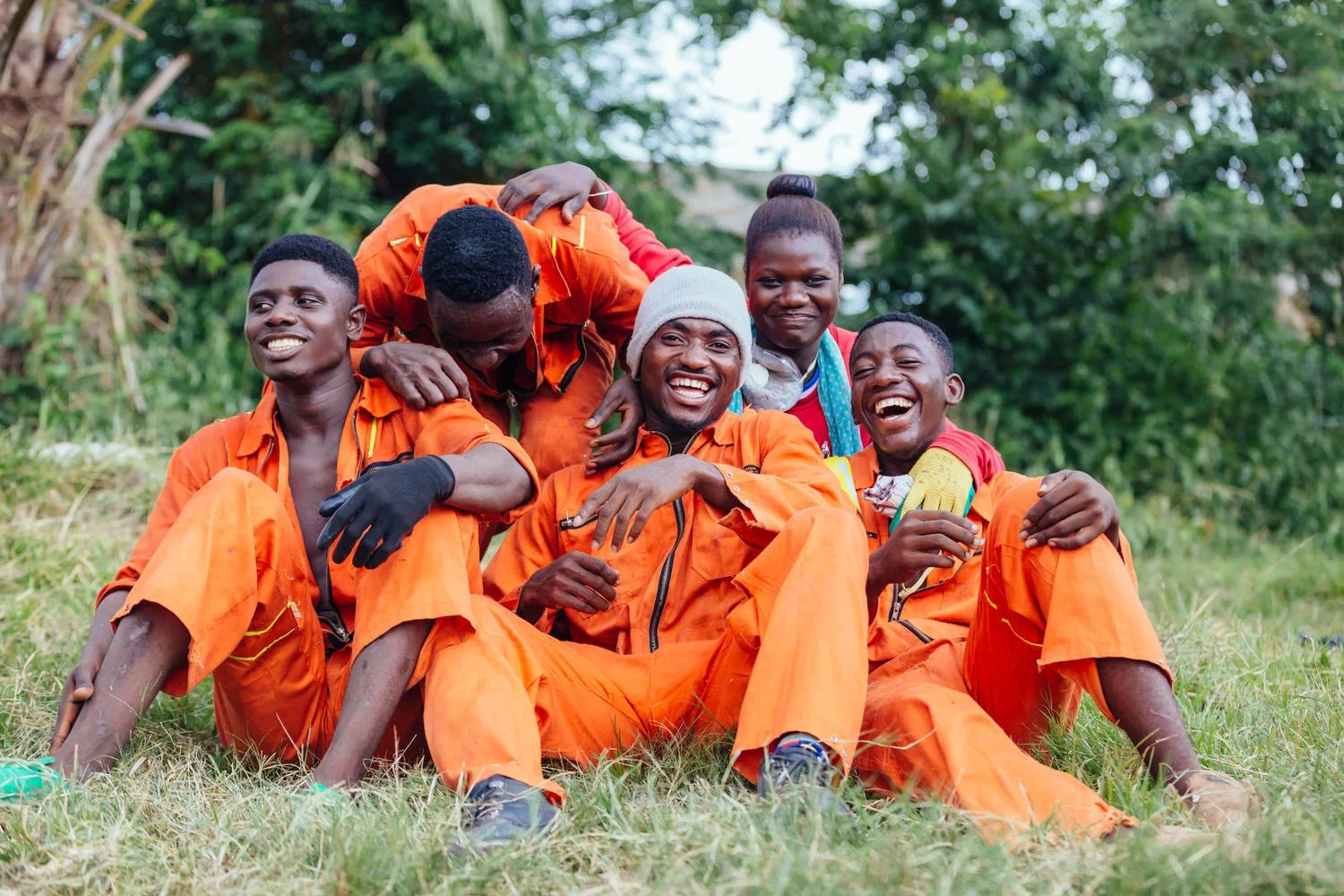
The workers at Booomers are a big family, playing pick up football games during lunch and spending a lot of time together outside of work, as well. Every day they ride to and from work together, often singing and dancing during the commute.
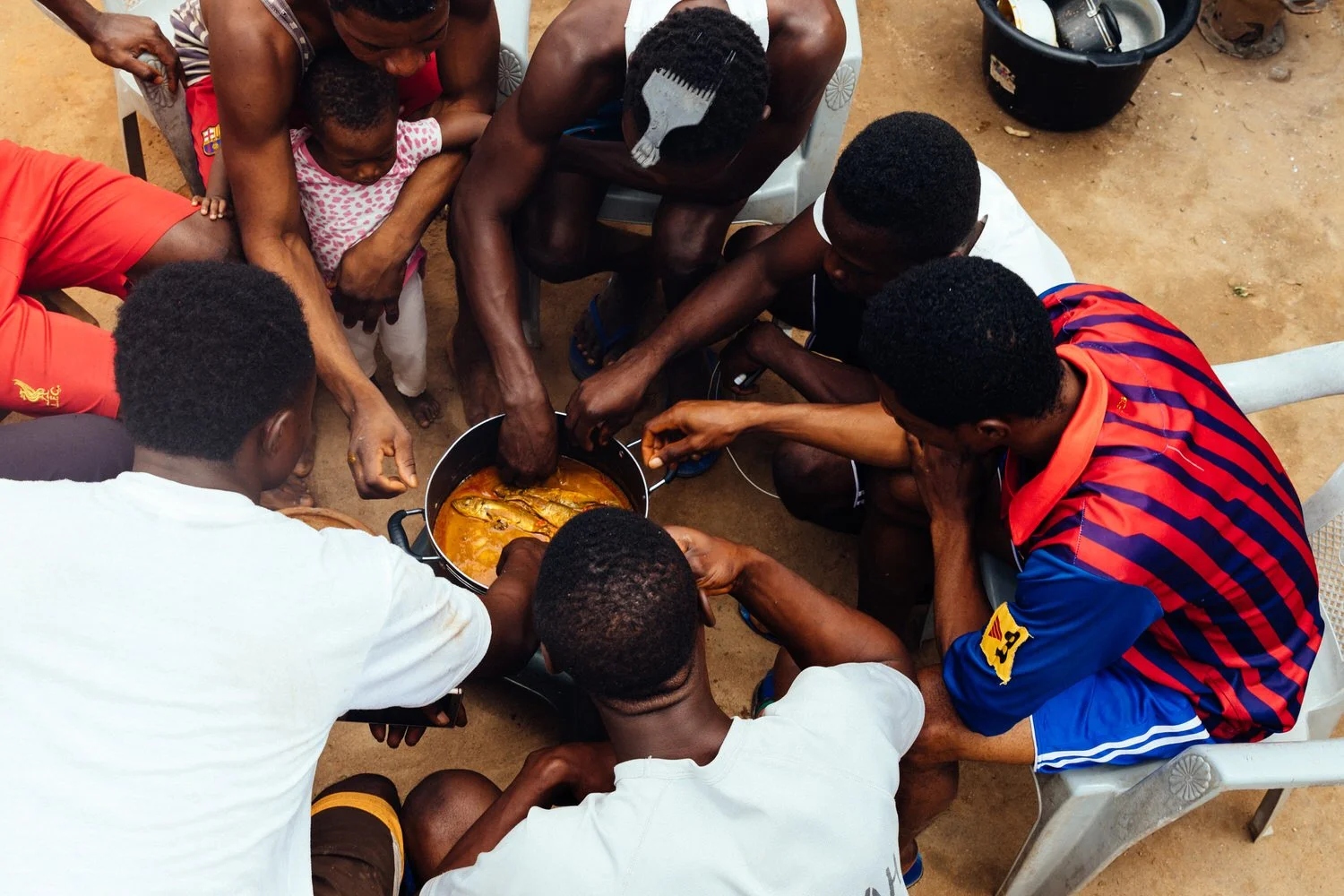
On the weekends, the workers like to gather outside the home of Kwabena Danso and make Pupu, the national dish of Ghana while they listen to the broadcast of the football game.
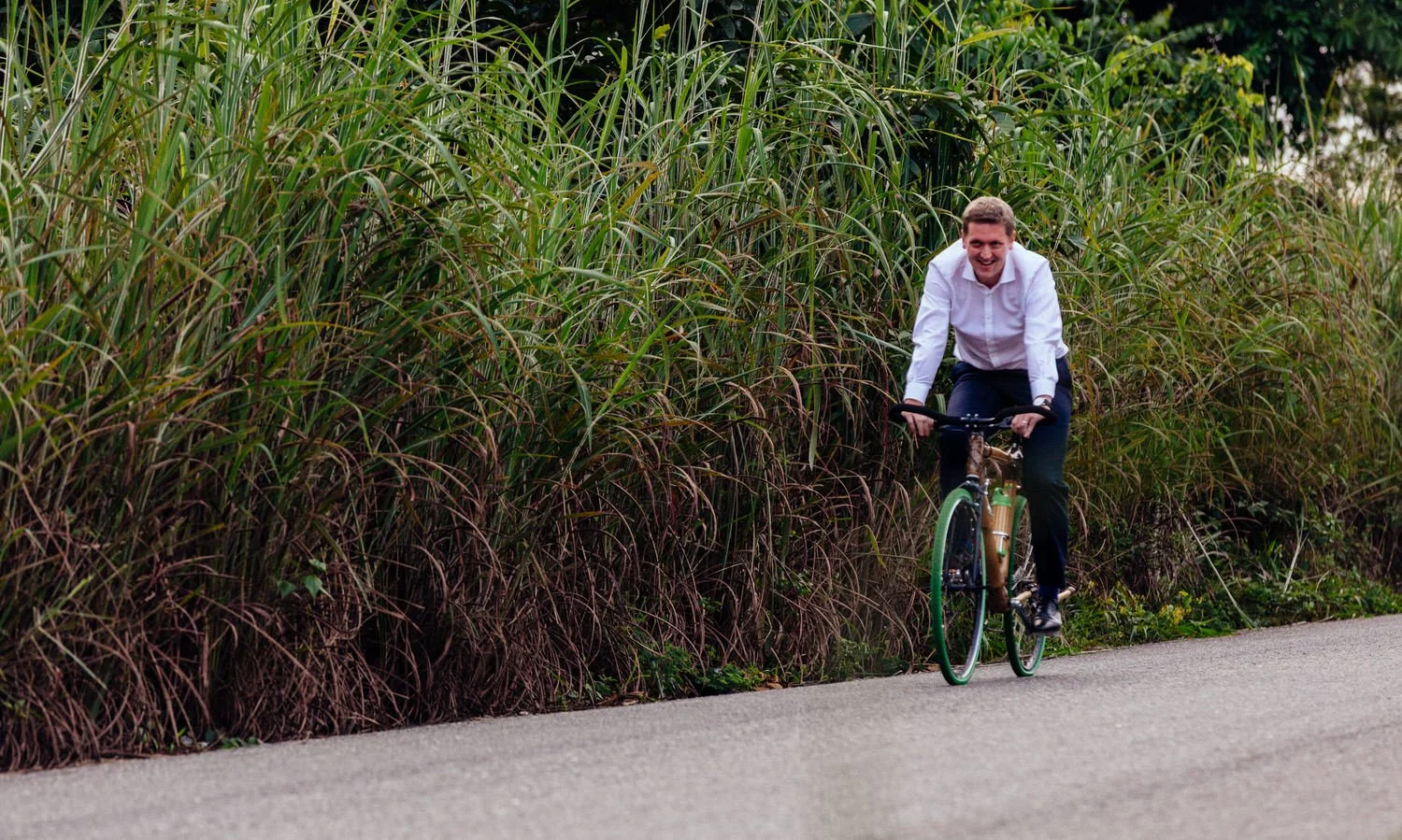
British High Commissioner to Ghana (2017) Iain Walker visits the Booomers factory and gives one of the bicycles a test run.
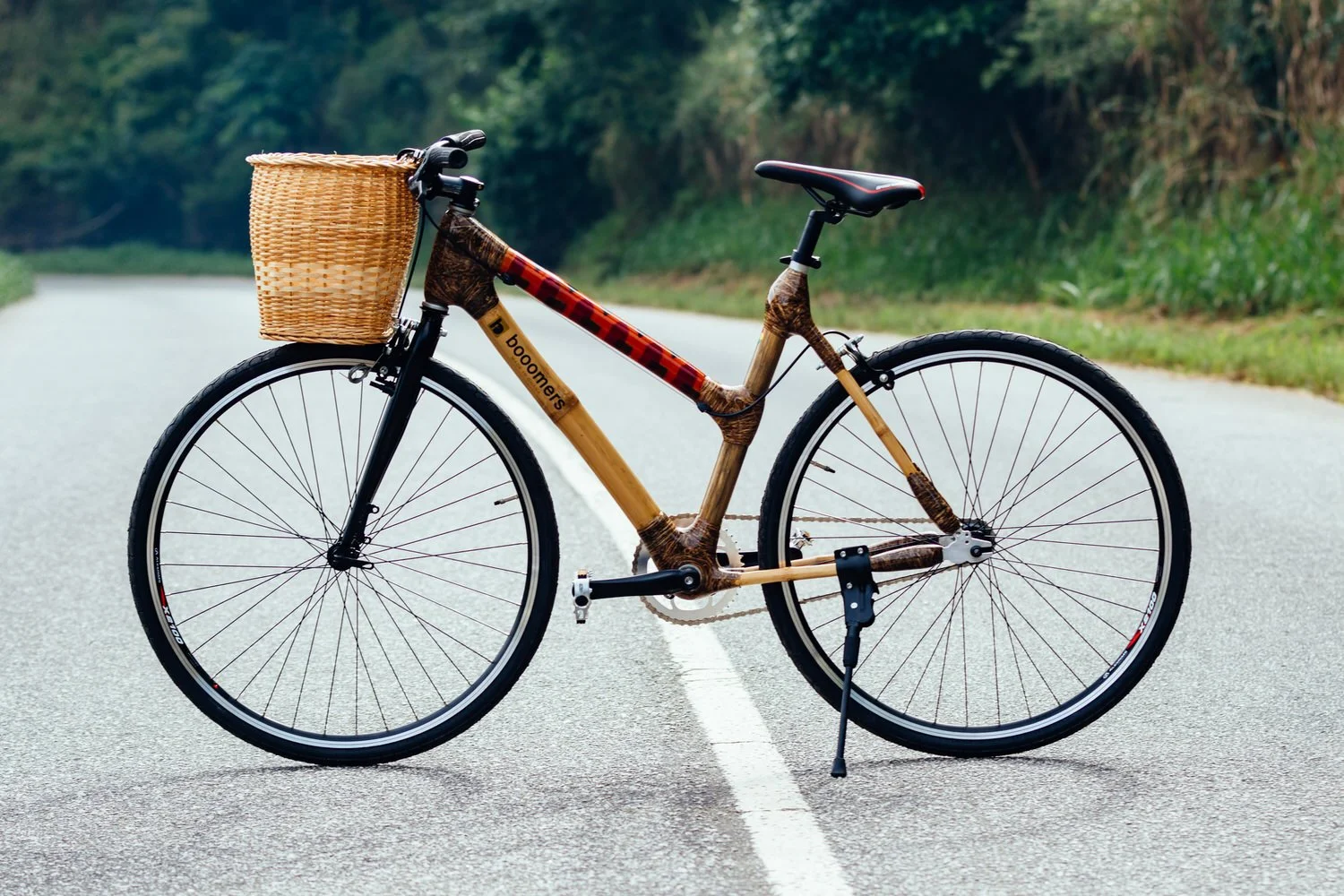
One of the finished bicycles made out of a bamboo frame and accessorized with a basket hand woven by one of the workers at the Booomers factory.