Skip to Content
Annalise Kaylor
Wildlife
NGO + Non-profit
Tear Sheets
blog
about
workshops
shop
contact
0
0
Annalise Kaylor
Wildlife
NGO + Non-profit
Tear Sheets
blog
about
workshops
shop
contact
0
0
Folder: portfolio
Back
Wildlife
NGO + Non-profit
Tear Sheets
blog
about
workshops
shop
contact
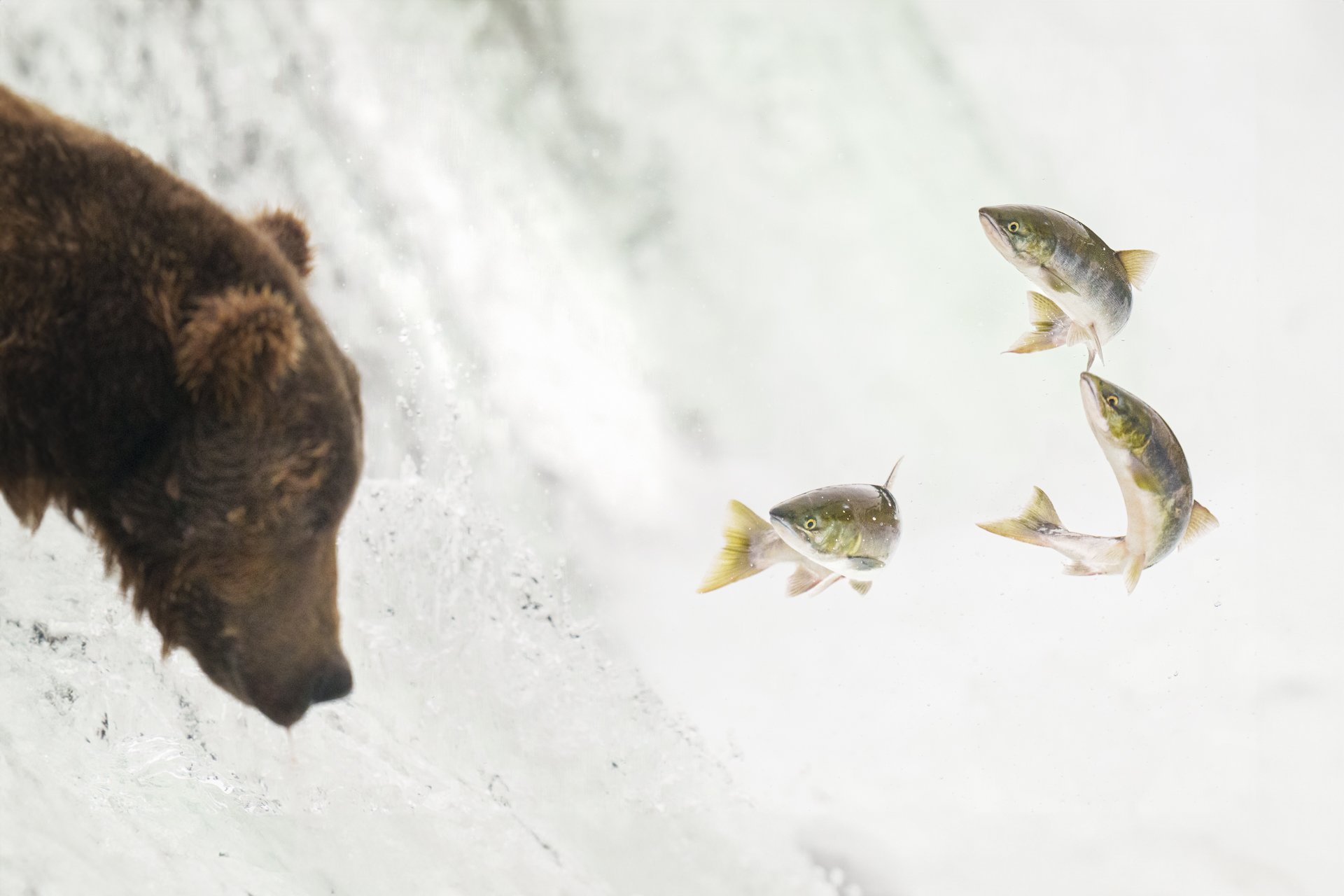
Brooks Falls may be known for its fat bears, but this concentration of coastal brown bears (Ursus arctos) wouldn’t be here without the salmon. Relying on their sense of smell and internal GPS system, millions of salmon make their way from the open wa View fullsize
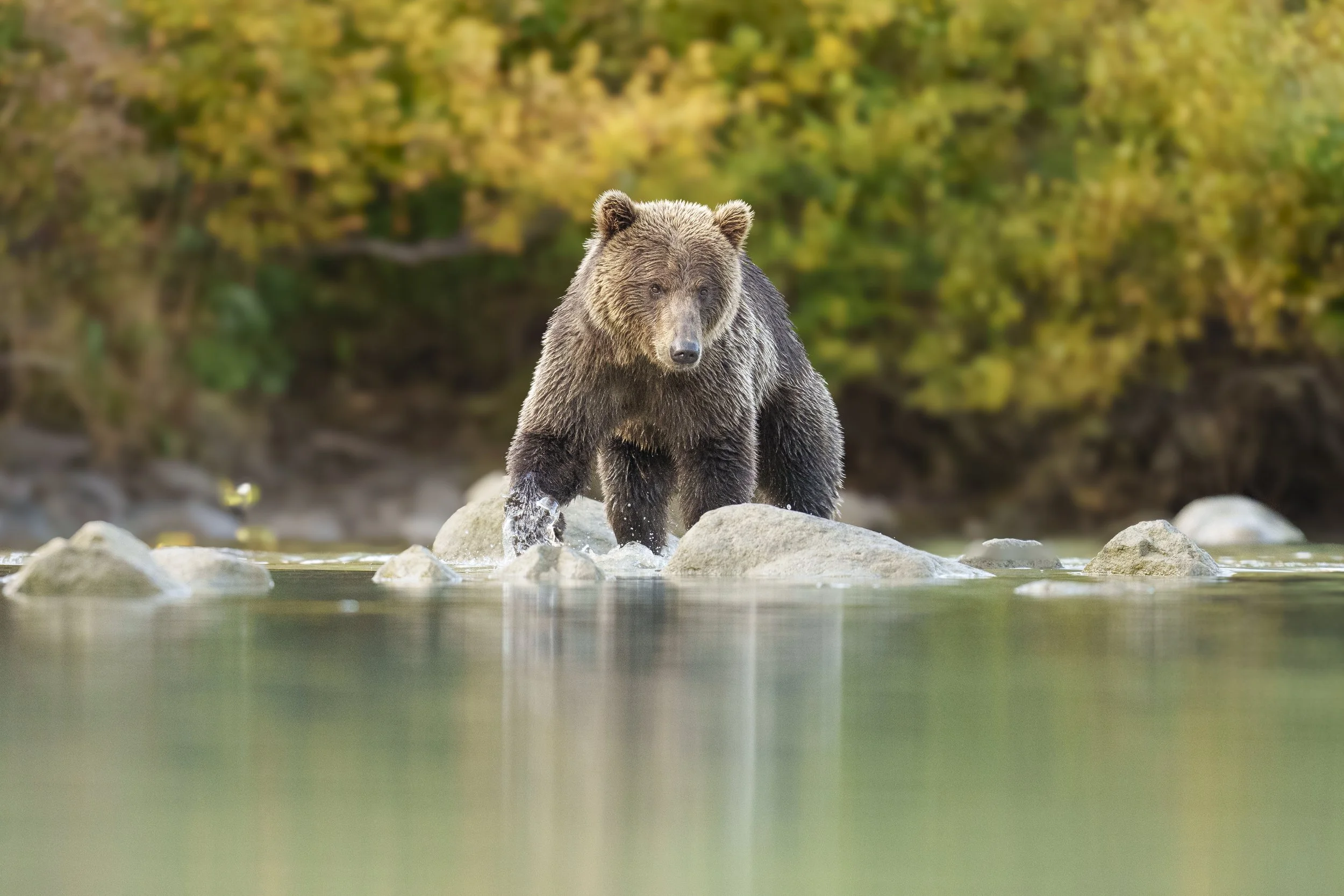
 A coastal brown bear (Ursus arctos), navigates the rocky shores of a glacier-fed lake in Alaska looking for a meal of salmon. In the fall, these bears are looking to put on as much weight as they can while burning as few calories as possible doing i View fullsize
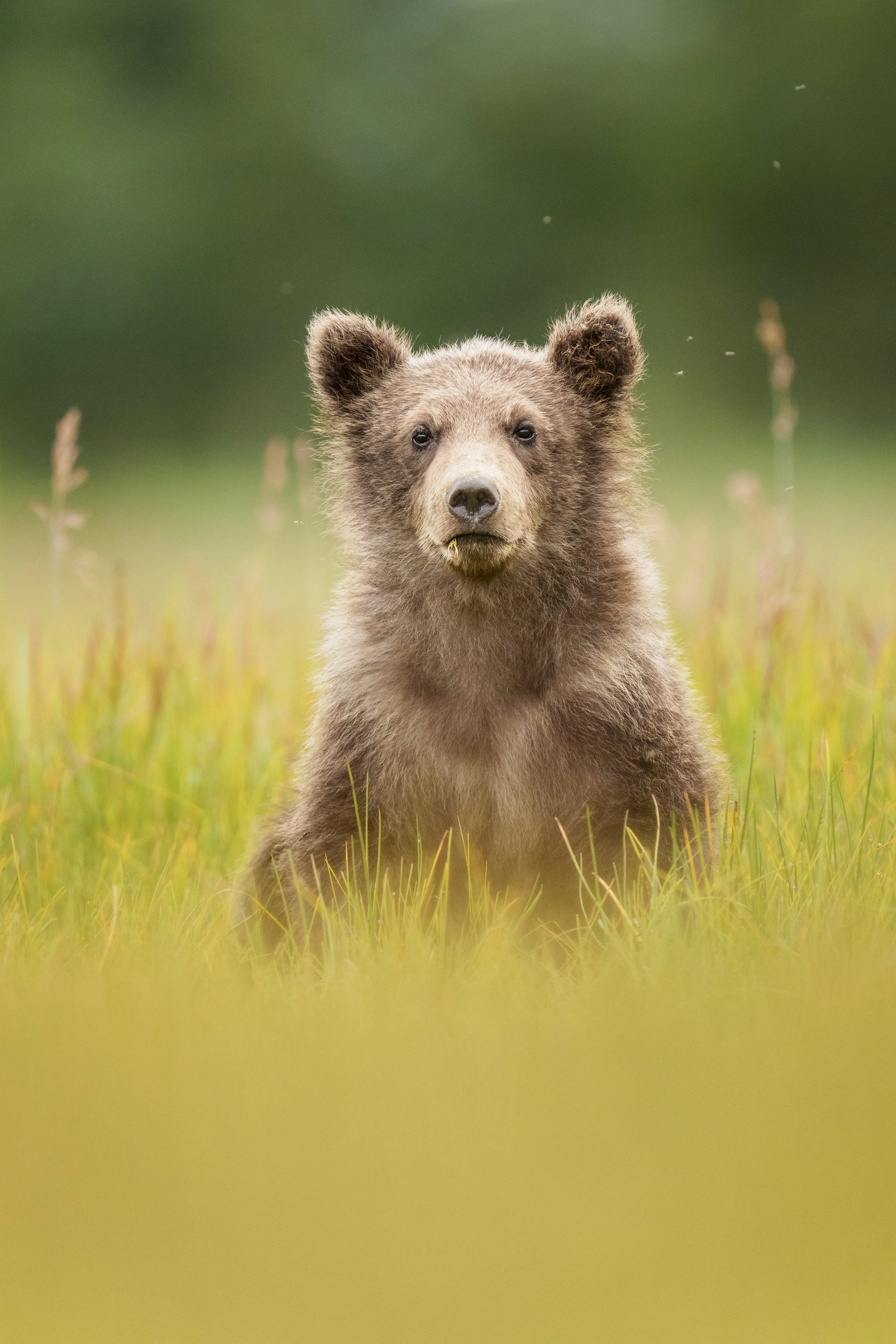
 Bear cubs will stay with their mother for two or three years. When the sow believes the cubs are ready to live on their own, she emancipates them, often going to great lengths to haze the cubs with charges, growls, and other defensive behavior to ru View fullsize
 Though brown bears mate in summer, they have delayed implantation. This means that the fertilized eggs (blastocysts) remain dormant and do not attach themselves to the uterine wall until conditions are better for birth.  This means bear cubs are bor View fullsize
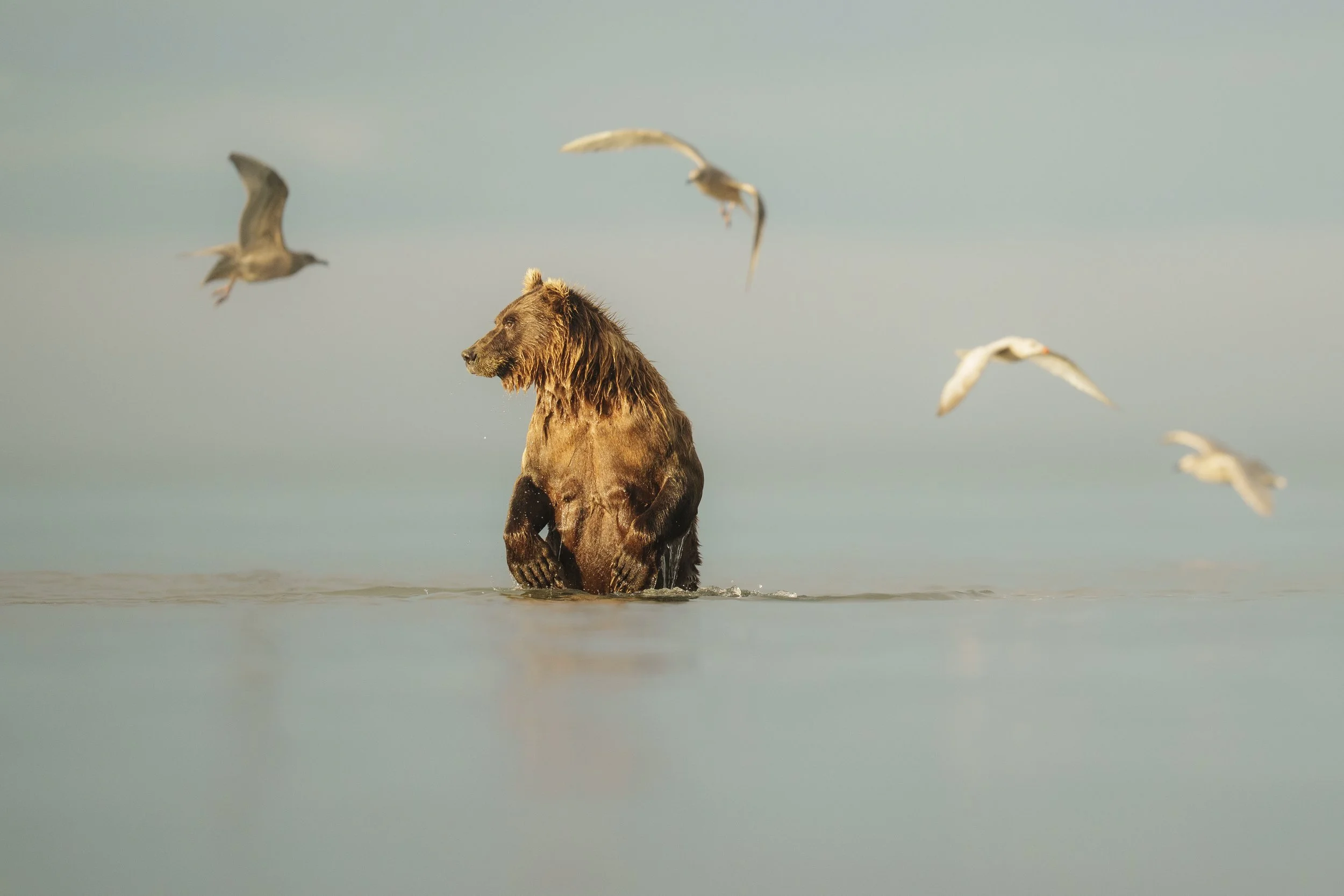
 Coastal brown bears (Ursus arctos) will often fish in the ocean while waiting for the salmon to begin their run up the rivers. Bears are excellent swimmers and will often employ a "snorkeling" method of fishing, putting their faces in the water to f View fullsize
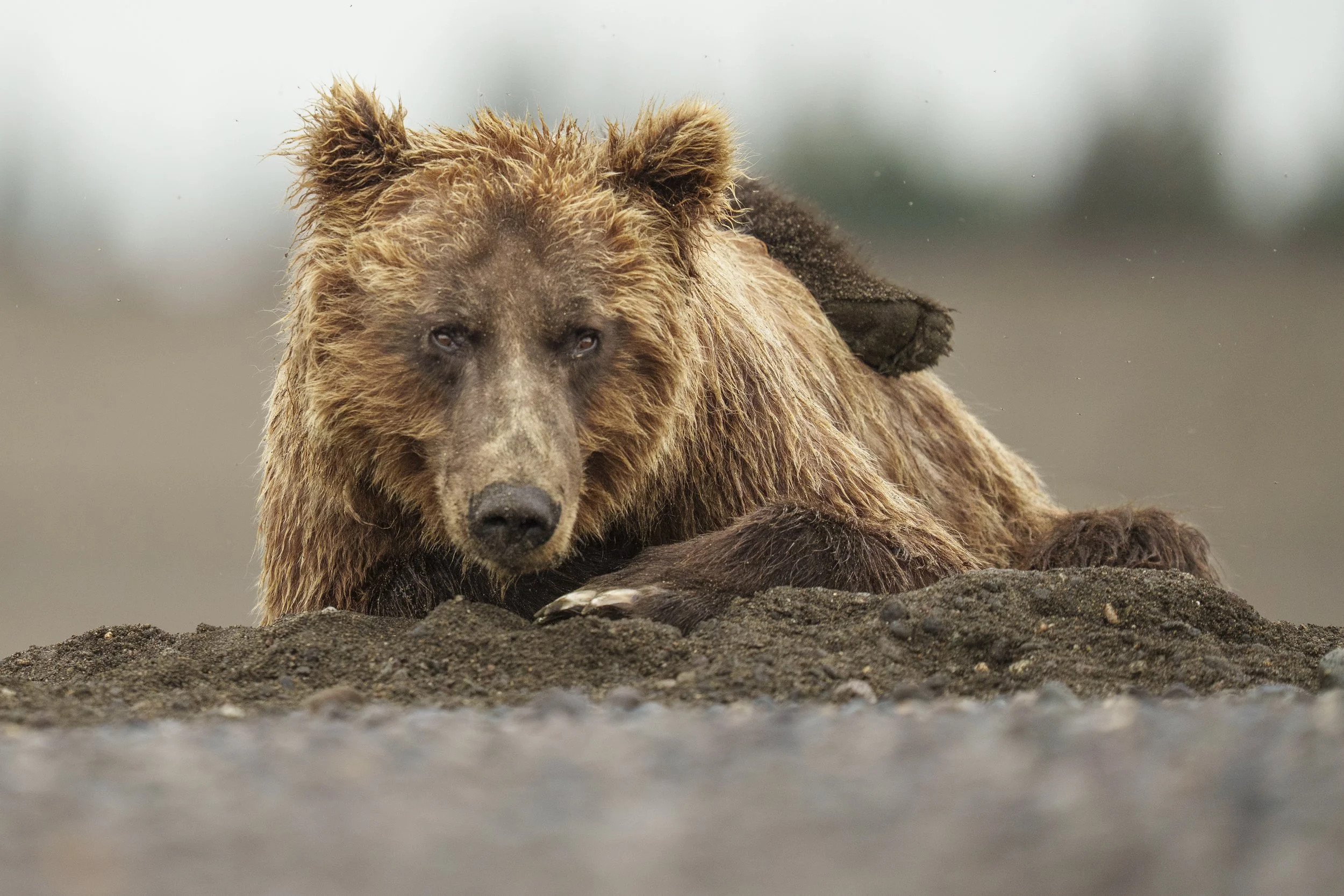
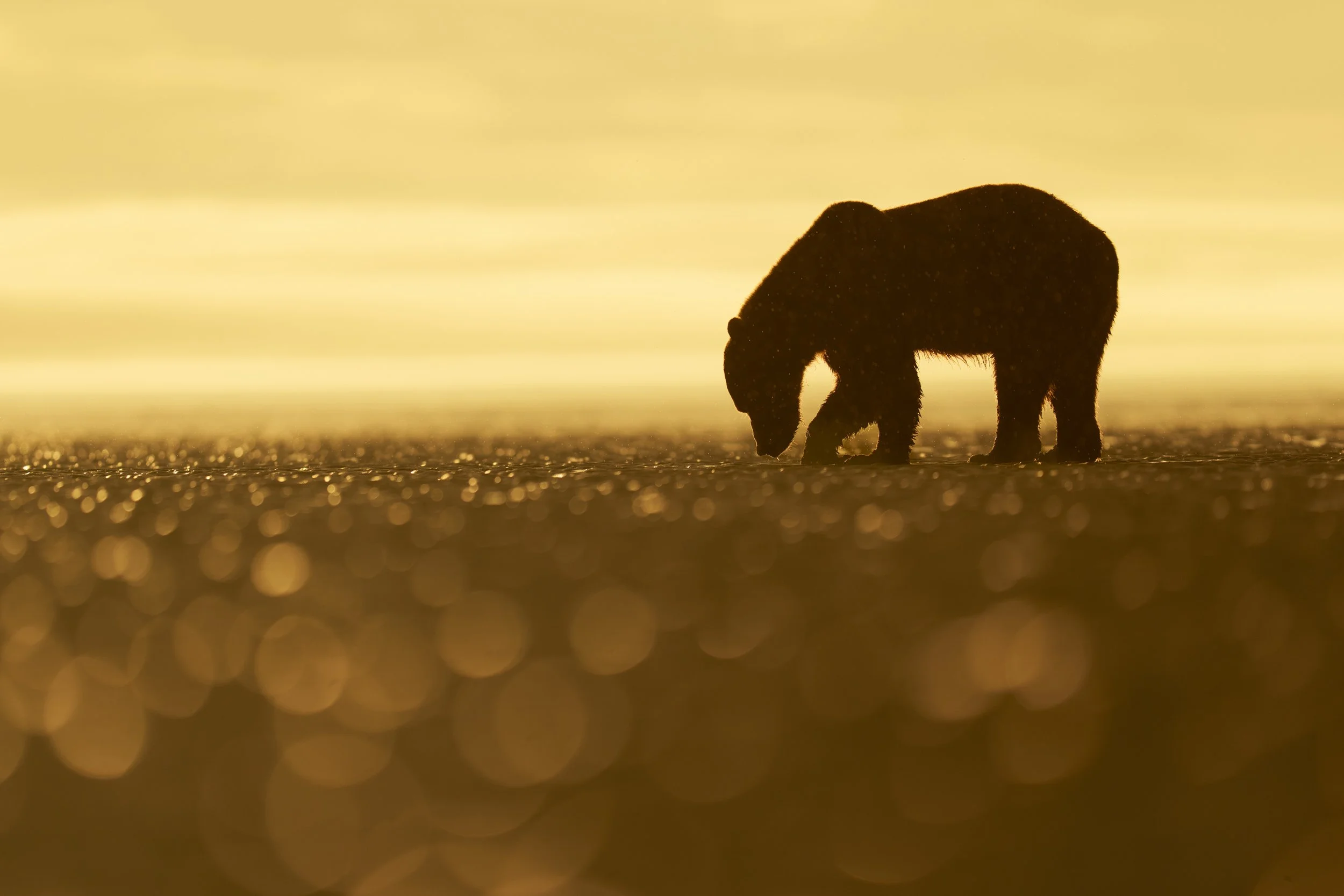
 Cook Inlet in Anchorage, Alaska, experiences dramatic tide fluctuations, sometimes as much as 35 feet. When there is a large tidal swing, coastal brown bears take advantage of the exposed area to dig for razor clams—a favorite protein source while a View fullsize
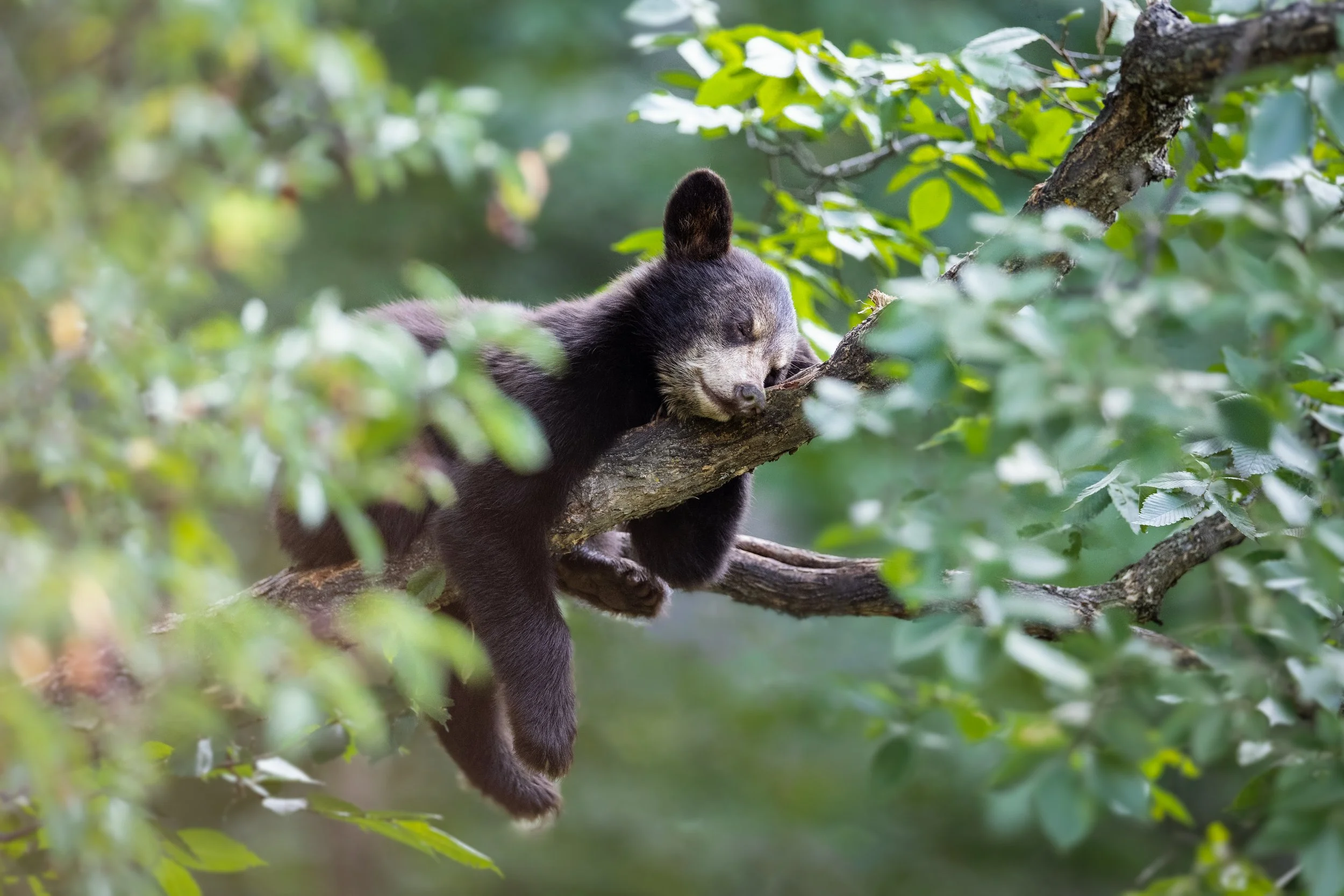
 Mothers of black bears (Ursus americanus) often send their cubs up in "nursery trees" while she goes off to forage and hunt. This helps keep them safe from predators, especially boar bears, who are known to kill cubs specifically to send the sow bac View fullsize
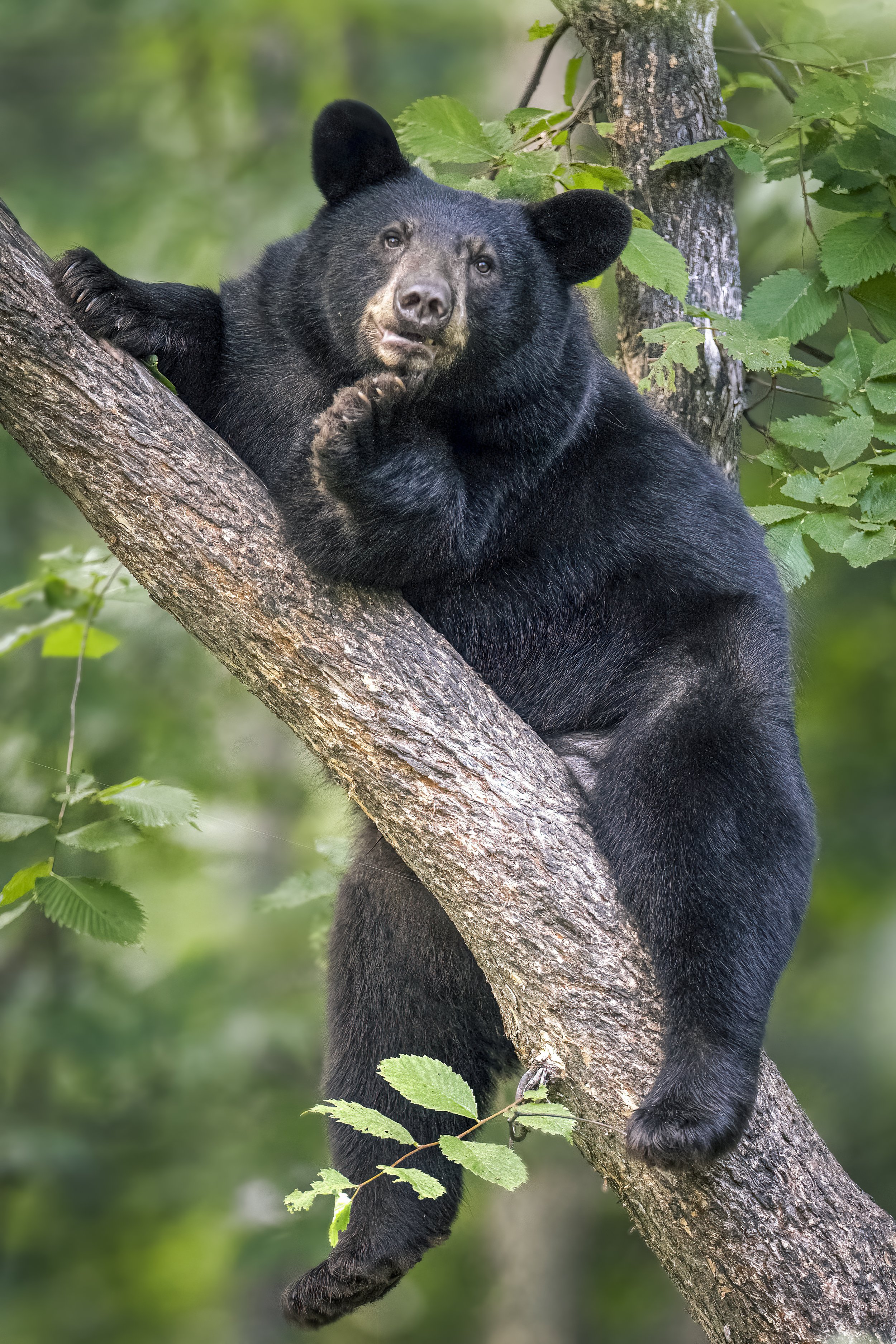
When the summer sun blazes, black bears (Ursus americanus) have clever ways to stay cool. Despite their thick fur, these adaptable mammals know how to make the most of their environment. They often seek out shady forests, dense underbrush, or cool ca View fullsize
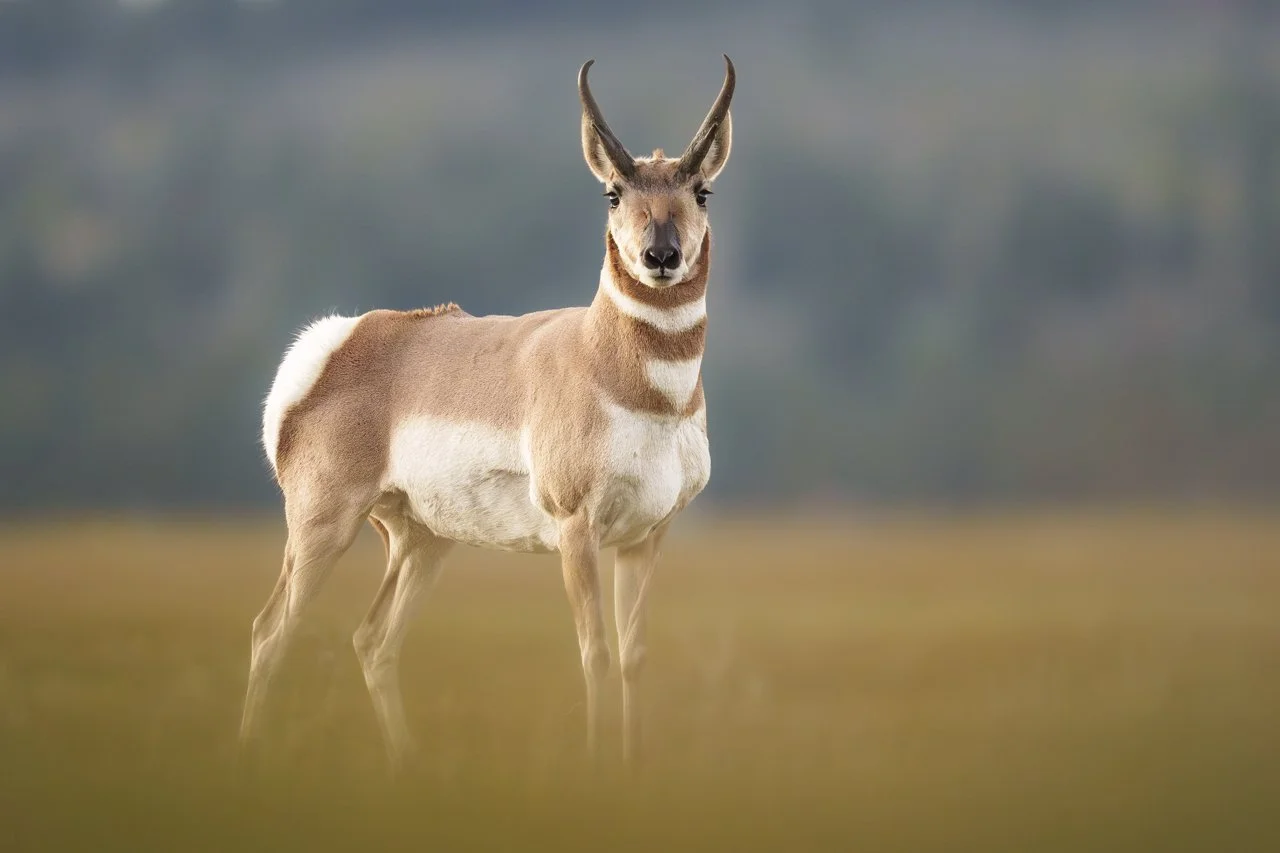
Often misidentified as part of the antelope family, the Pronghorn (Antilocapra americana) is the only member of its family to survive the Pleistocene extinction. As the second-fastest land mammal on Earth, the Pronghorn can run as fast as 55 miles pe View fullsize
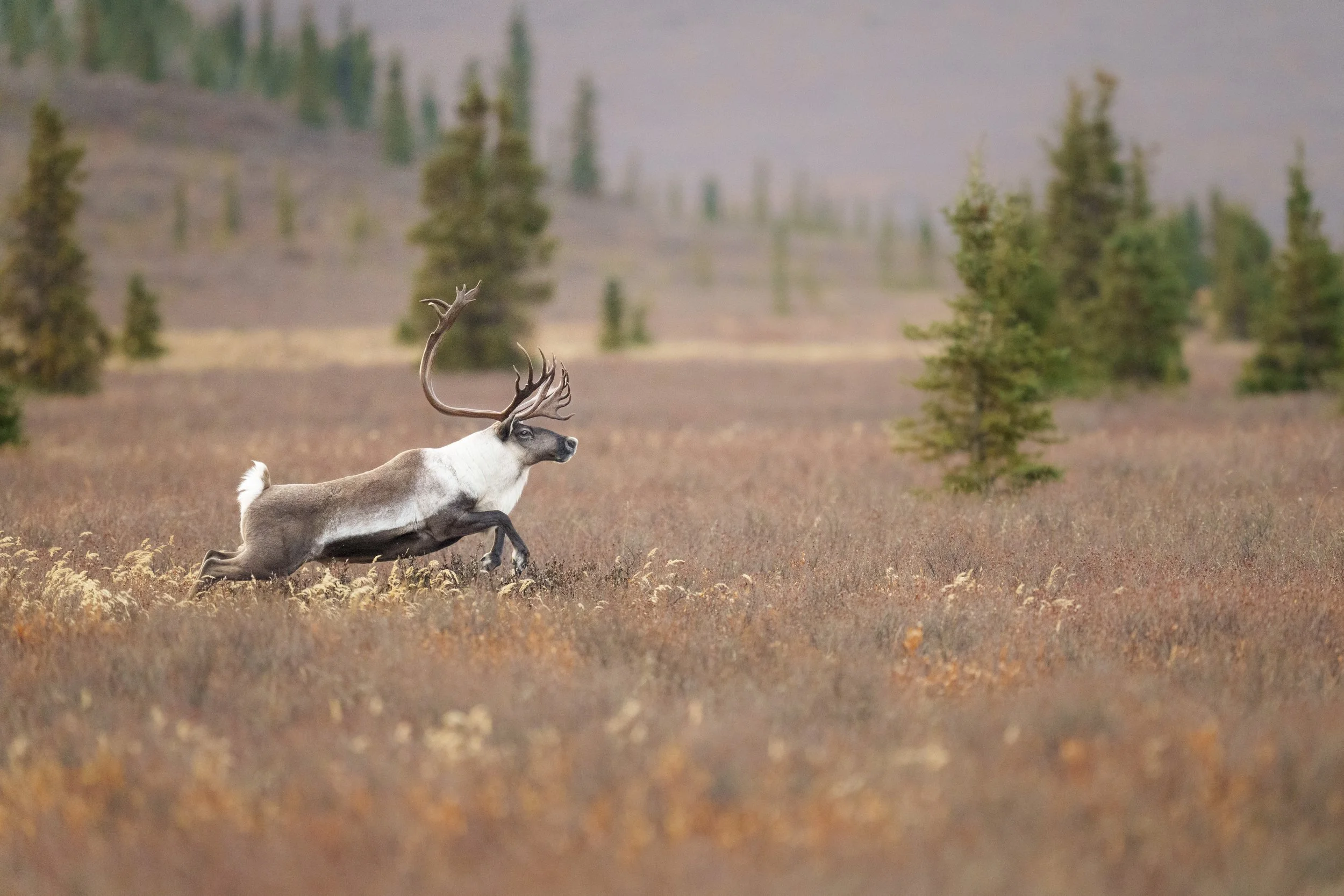
 In Alaska, the average caribou (Rangifer tarandus) loses four pounds of blood to mosquitoes. Alaska is home to 28 mosquito species which appear in quantities so great in caribou territory, that they are the primary driver of the caribou migration. Y View fullsize
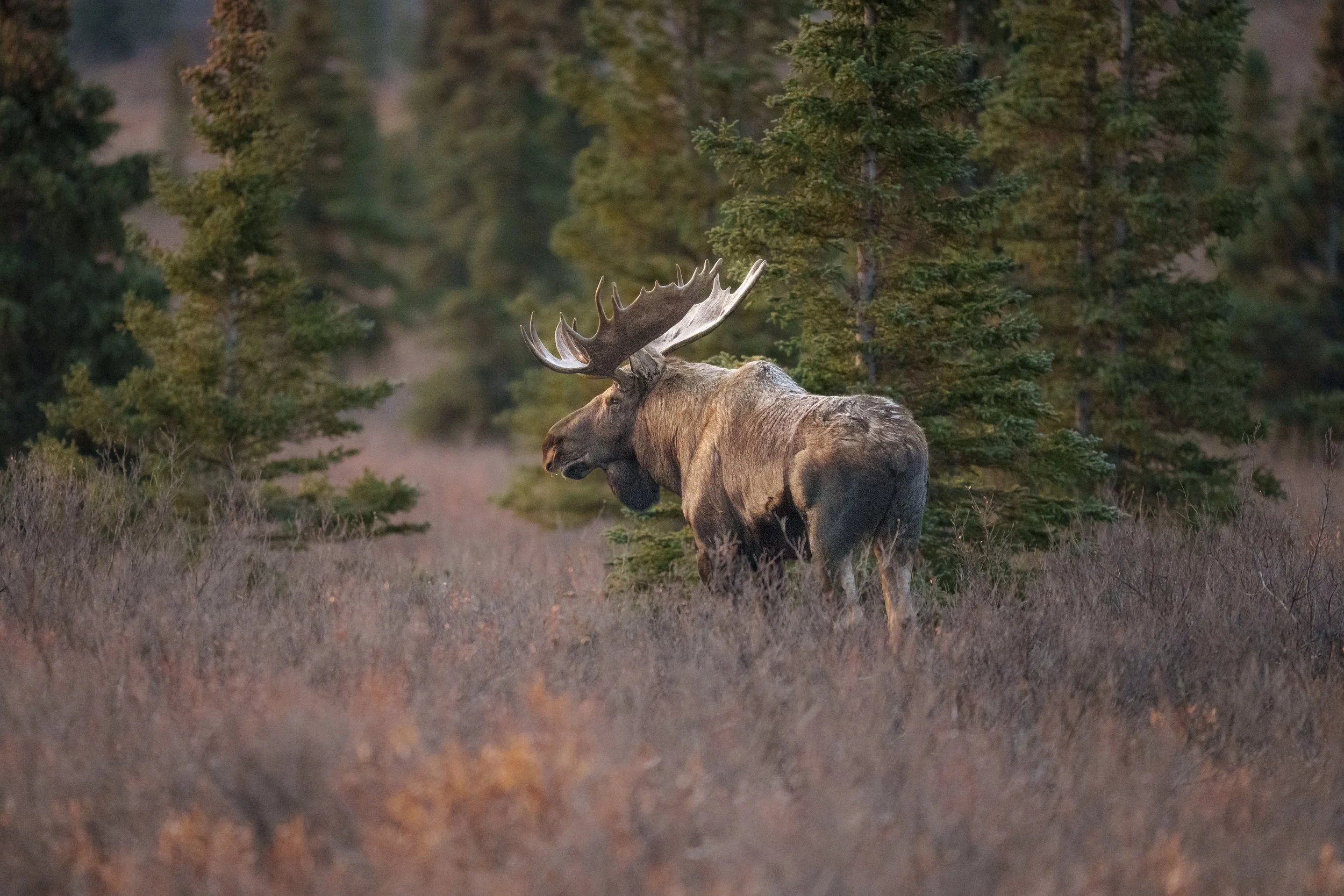
 The moose (Alces alces) of Denali National Park are amongst the largest in the world. Bull moose here often hit 6.5-7 feet at the shoulder and can weight as much as 1,400 pounds. During the rut, these bulls will lost as much as 20% of their weight i View fullsize
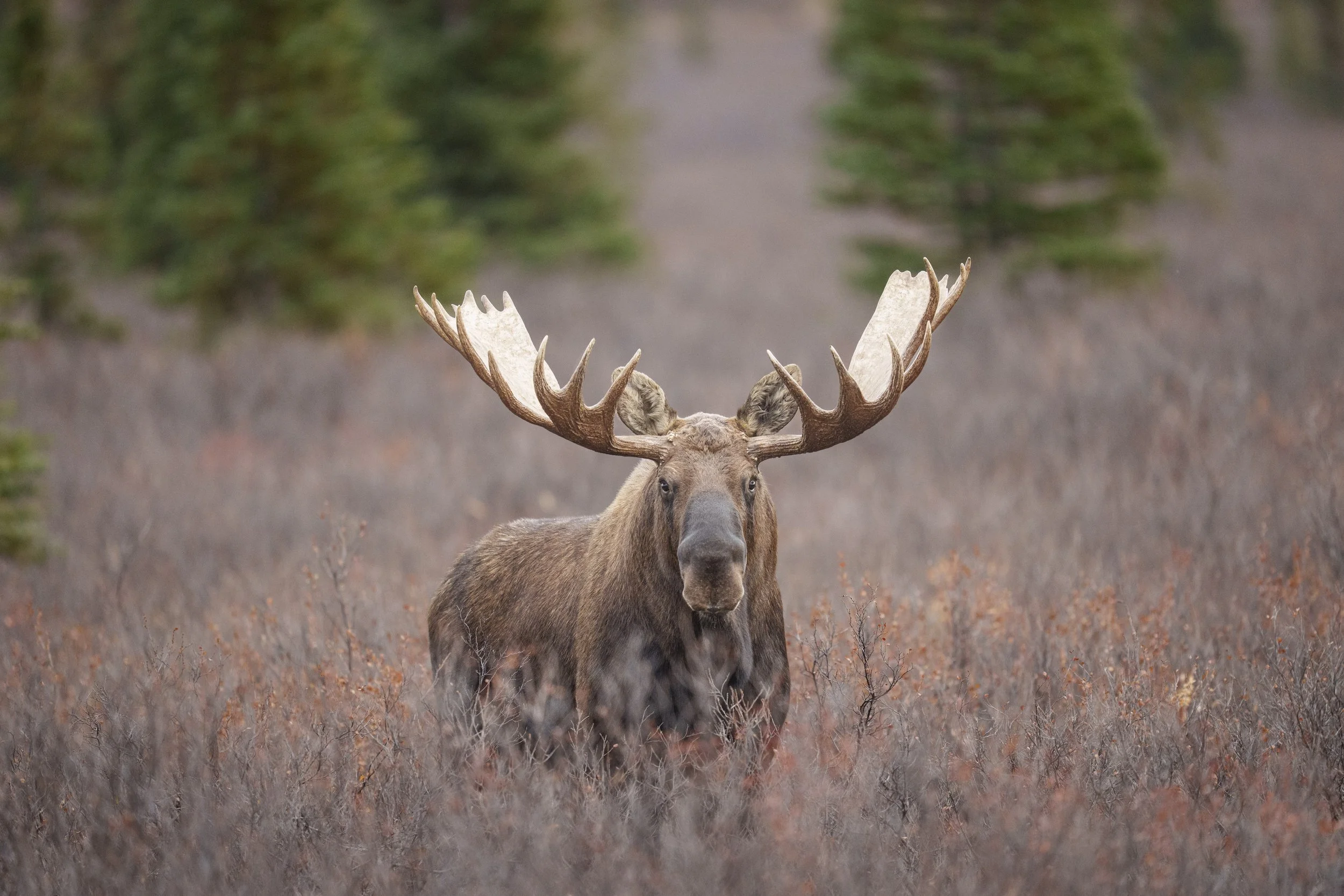
 During the rut, bull moose compete with one another for the attention of the cows and the right to breed with them. They'll fight, using their powerful antlers to attack one another and defend themselves. Bull moose with the largest antlers, which t View fullsize
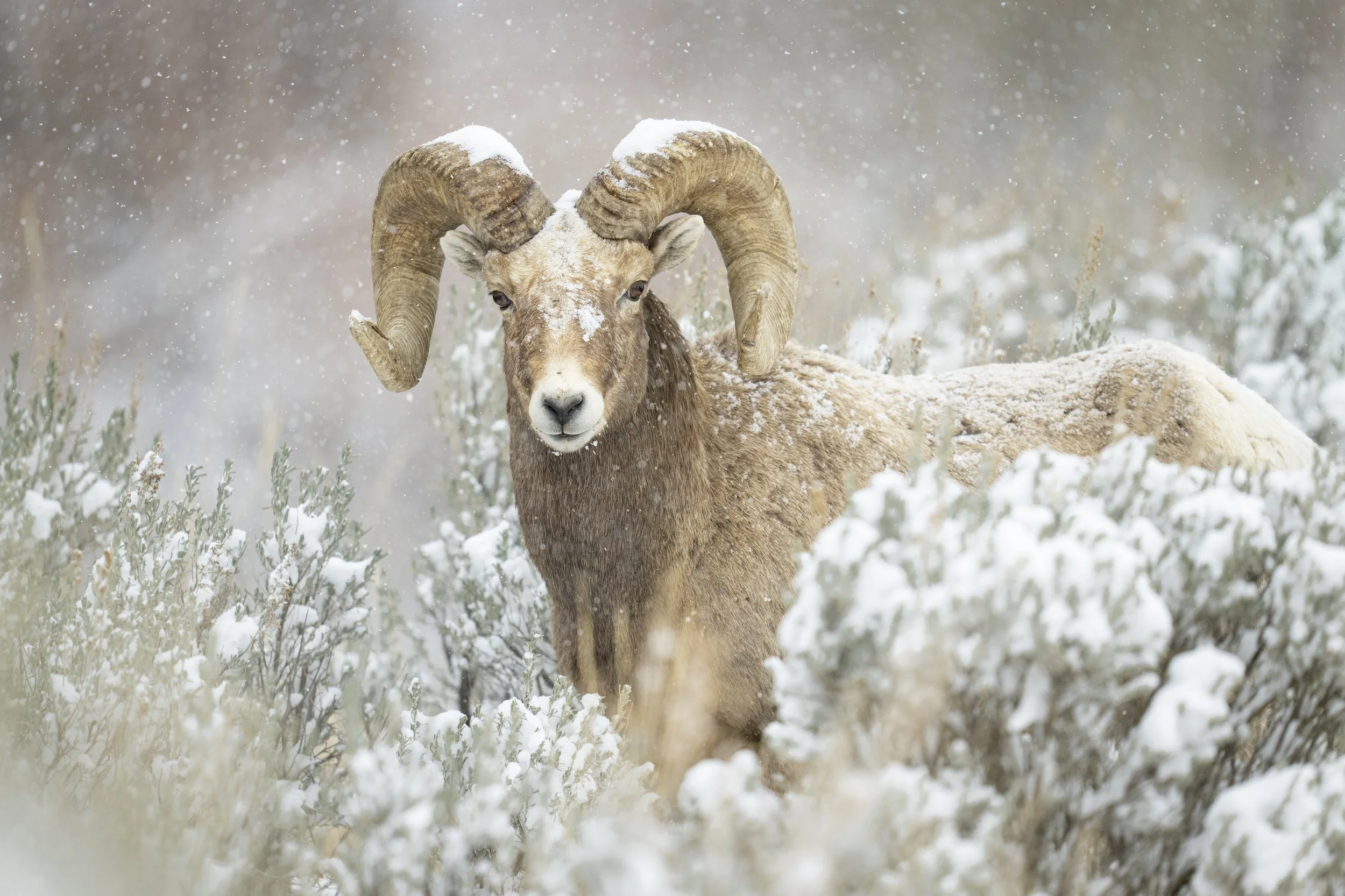
Like many other ungulates, the bighorn sheep (Ovis canadensis) existed in abundance in the North American west prior to the arrival of settlers in the region. Early conservation efforts of the 1900s helped the threatened population rebound, but their View fullsize
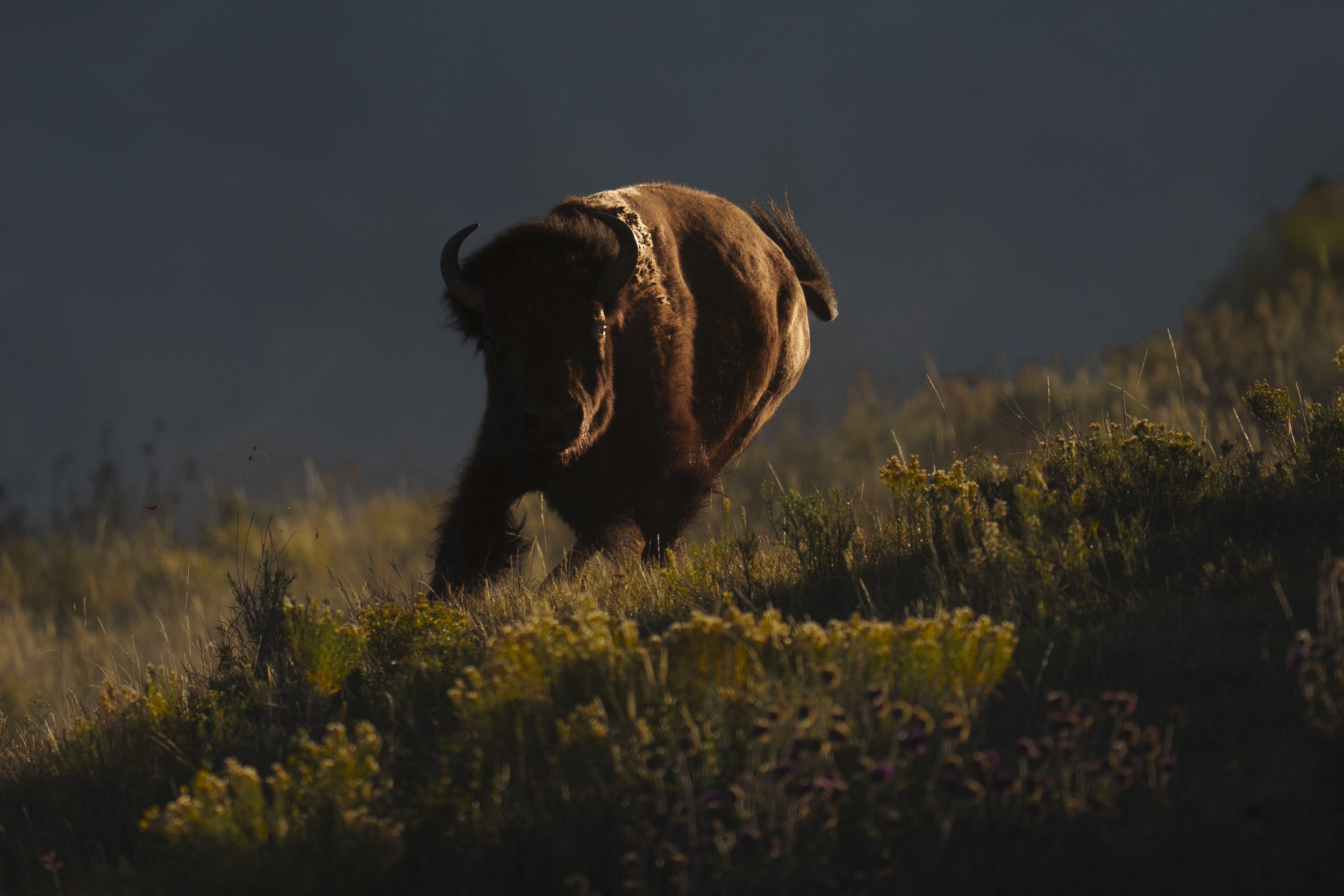
The American bison (Bison bison bison) of Yellowstone park have the distinction of being unique among the other bison herds around the United States. After almost going extinct due to settler overhunting and demand for their hides, the population of View fullsize
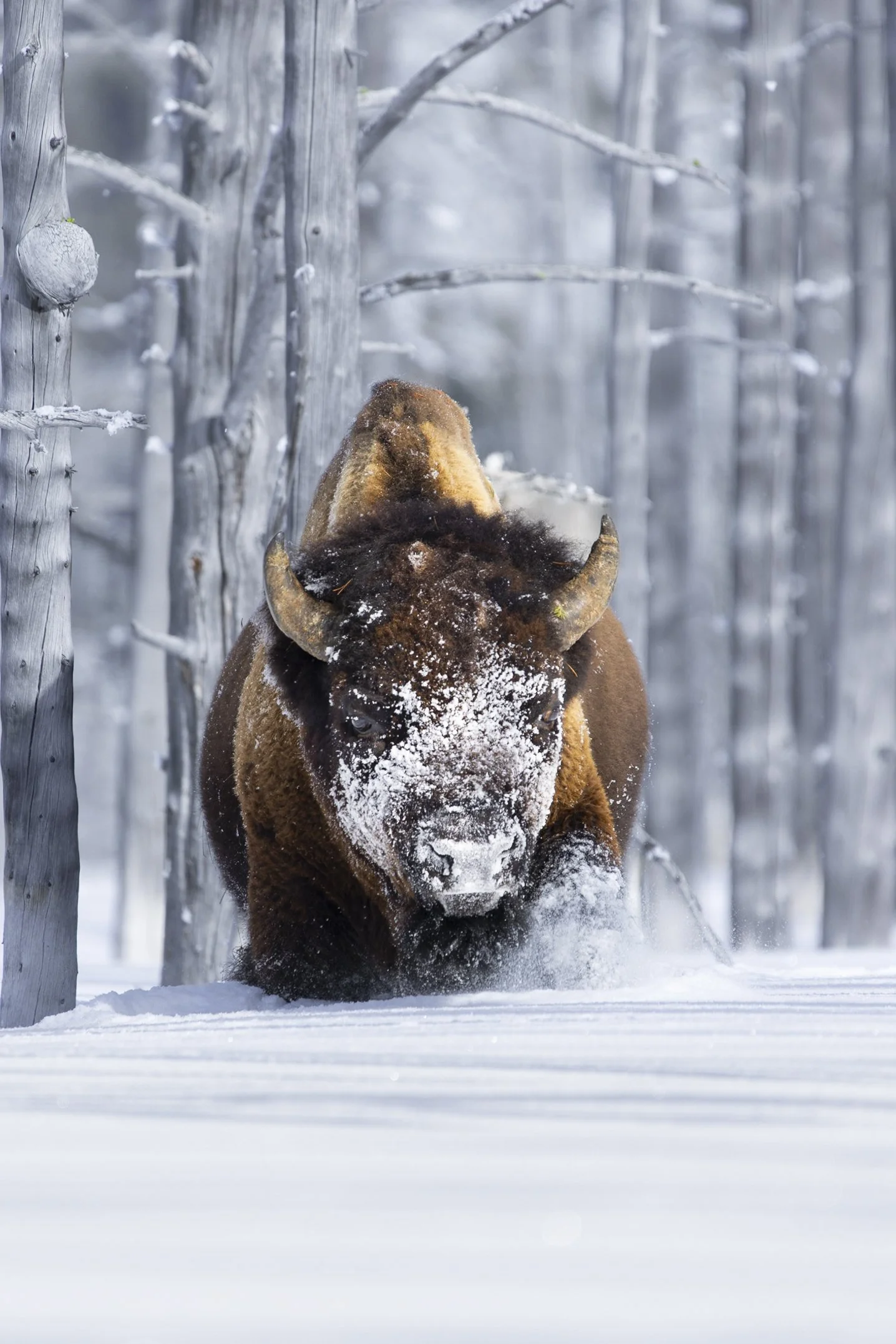
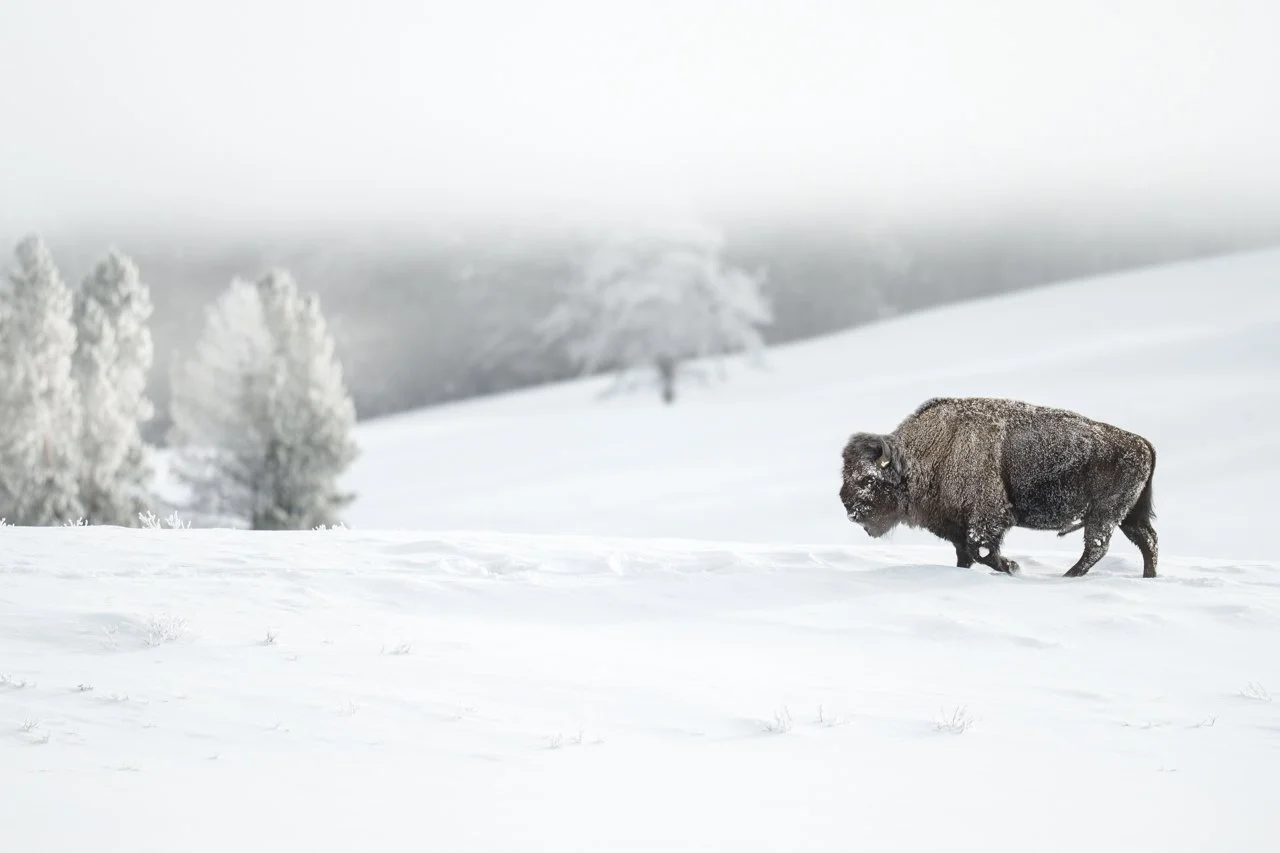
 The large humps that develop on the back of the American bison (Bison bison) are their neck and shoulder muscles, whose combined strength comes in extra handy during cold winter months. Face first in the snow, bison plow away the snow to get to the View fullsize
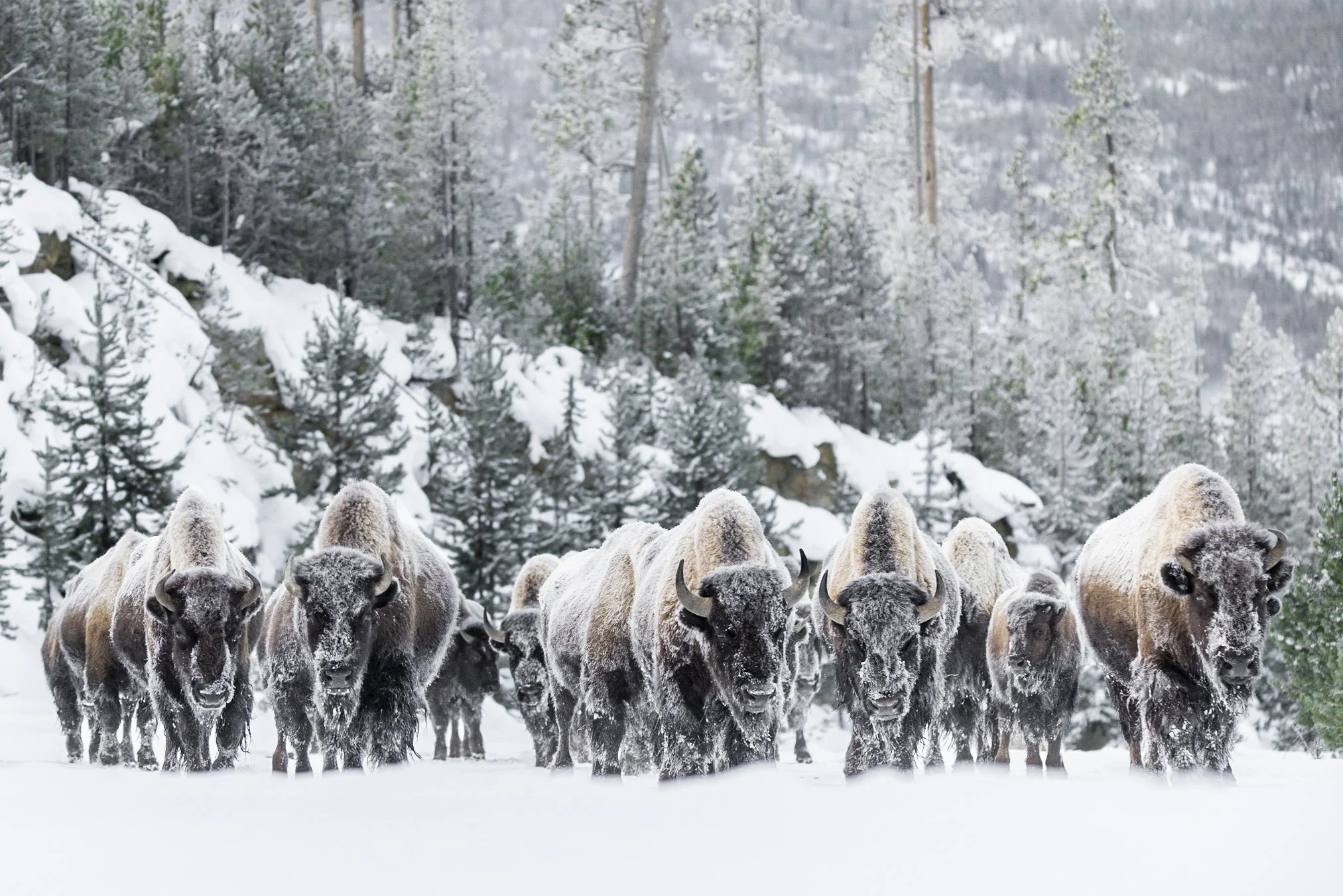
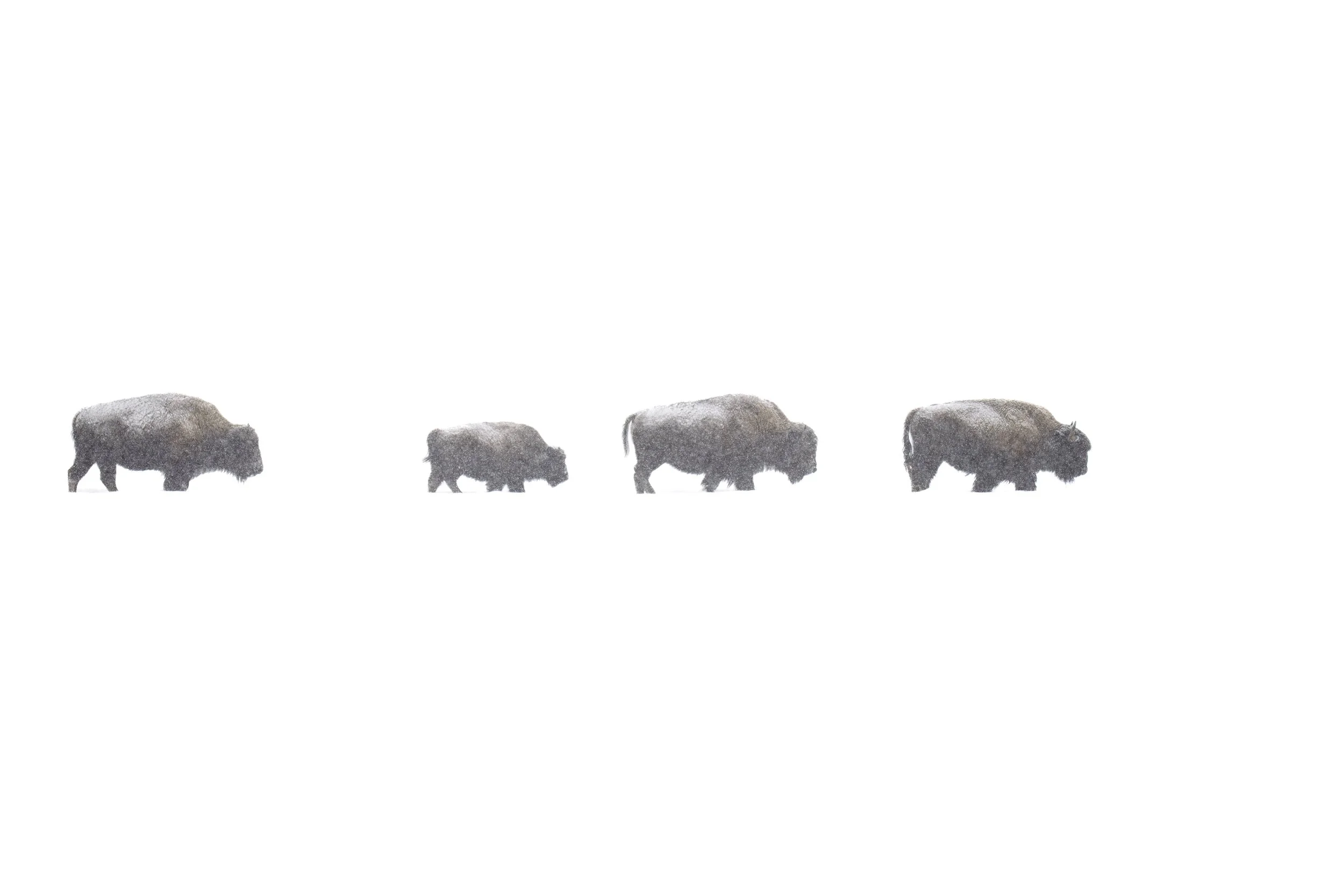
 In winter, the herds of bison are comprised primarily of females, with their young tagging along and an occasional young bull in the mix. While most species of herd animals are "selfish" herds, looking out for their individual safety, bison are one View fullsize
 The thick, wooly coat of the bison is so well insulating that snow collecting on the backs of the animals will not melt from their body heat. In addition to their thick coats, their skin gets thicker in response to the cold and fatty deposits also a View fullsize
A hearty species, American bison (Bison bison) live throughout the continent in places that experience both extreme heat and cold climates. While the grasses they eat are easily found in the summer months, they are buried under a blanket of snow come View fullsize
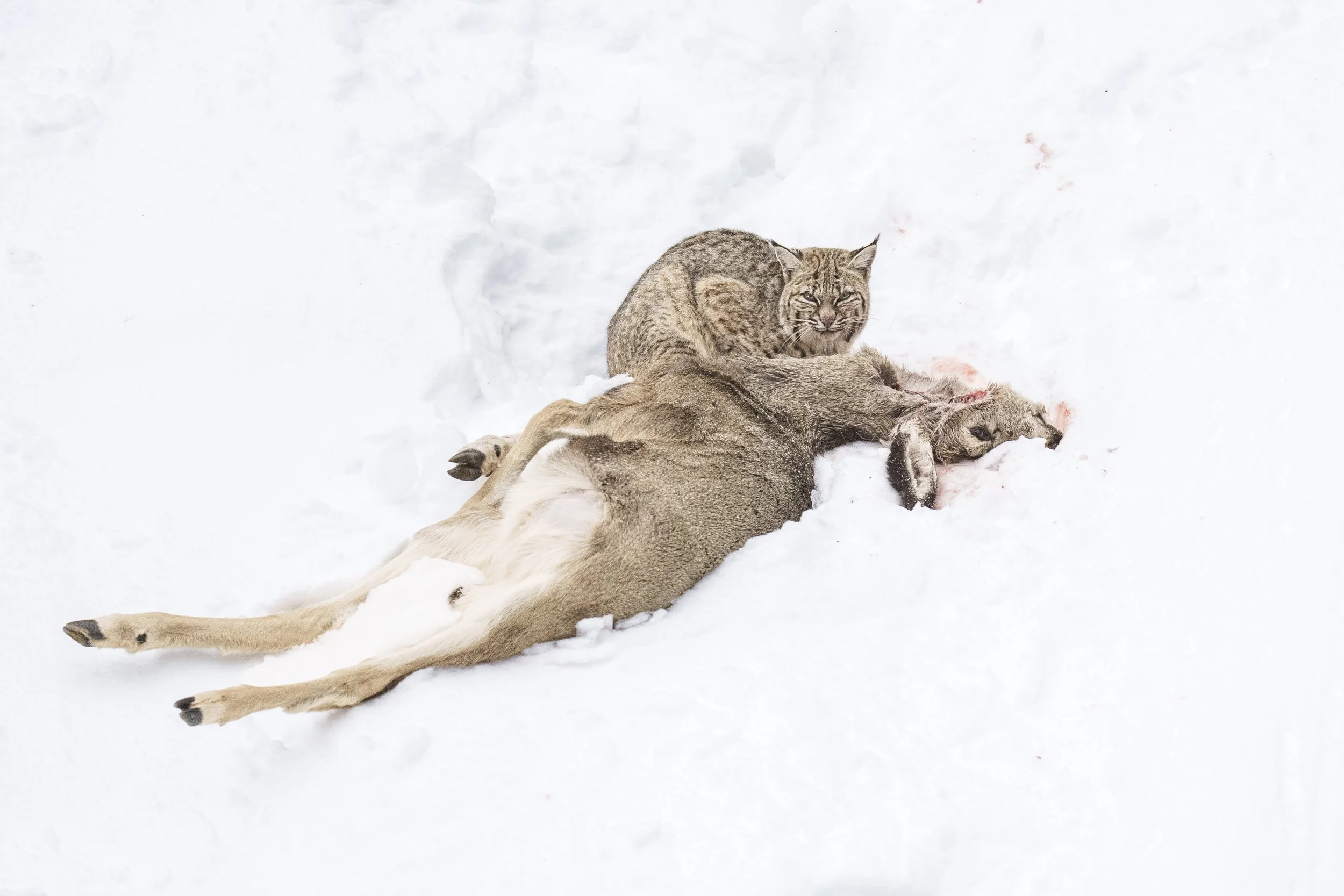
The elusive bobcat (Lynx rufus) mostly feasts on small mammals like hares, voles, squirrels and some birds like grouse and wrens, but will take down a deer or pronghorn if the right opportunity comes along. With large prey that cannot be eaten in one View fullsize
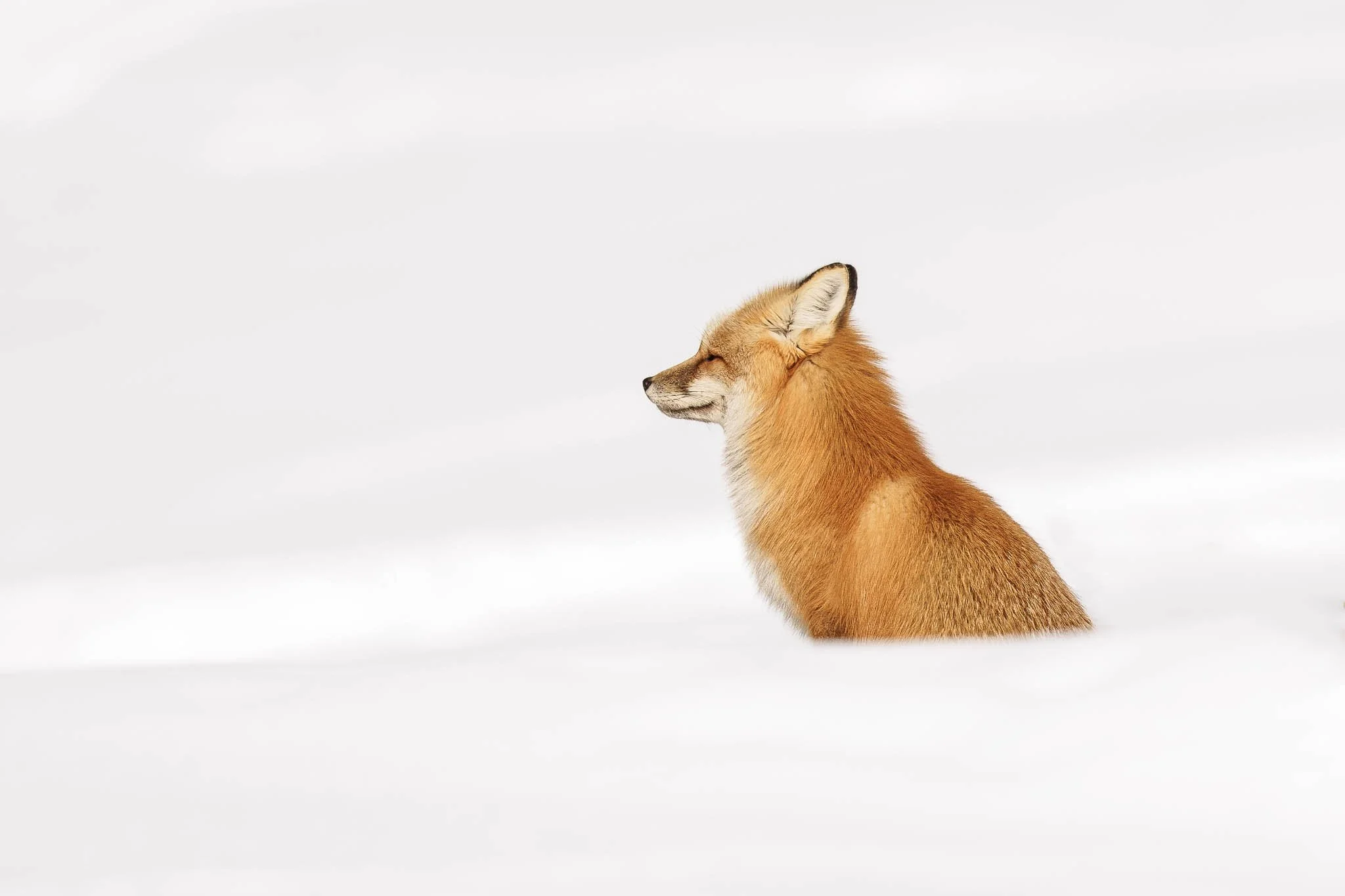
Beneath its fiery coat, the American Red Fox (Vulpes vulpes) hides a toolkit of survival strategies, perfectly tuned for winter. These small canids are masters of the pounce—a technique called “mousing,” where they leap high and dive nose-first into View fullsize
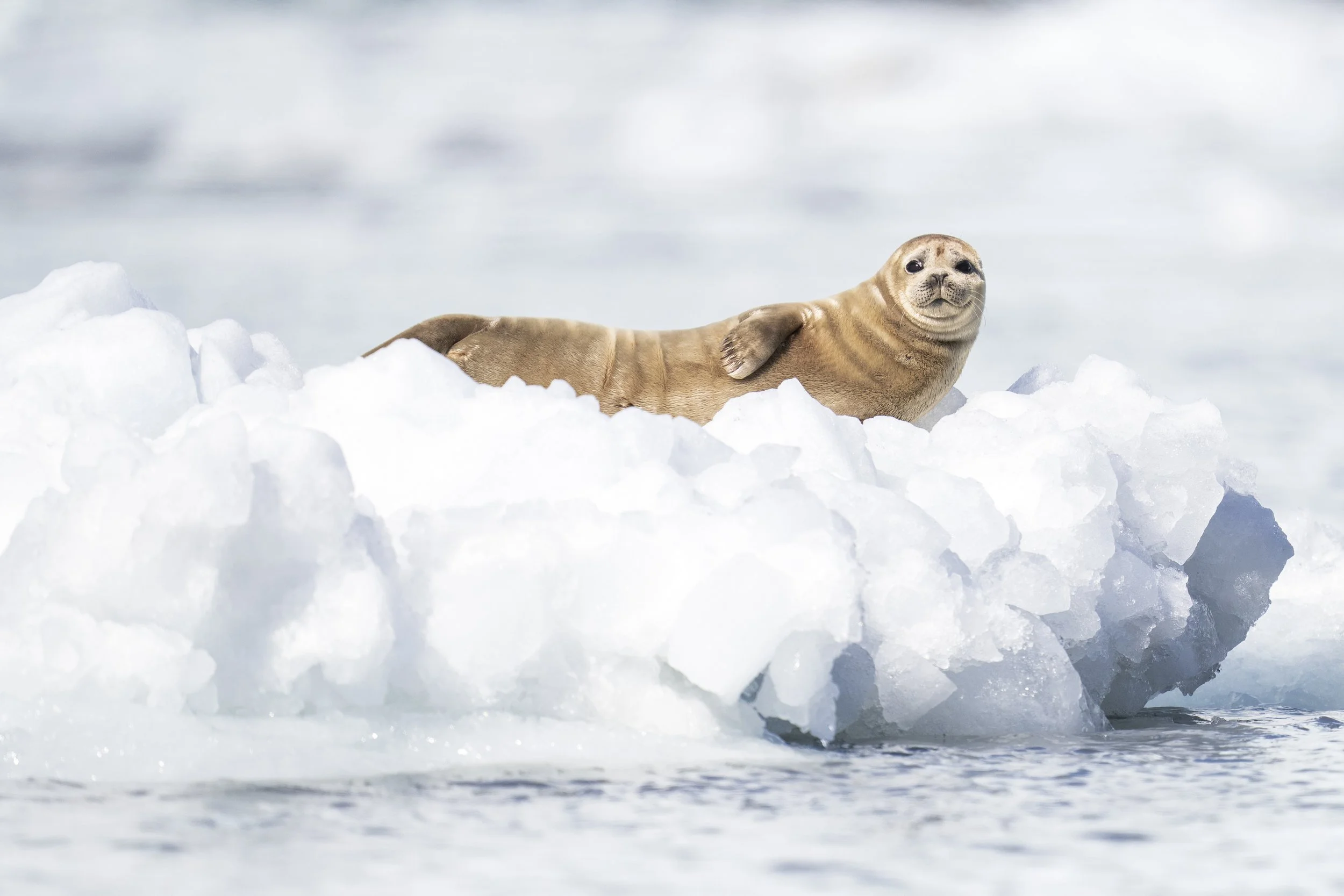
When tidewater glaciers calve icebergs into the water, harbor seals (Phoca vitulina richardii) take advantage of all they have to offer. Using the icebergs for resting, molting, giving birth, and raising their young, harbor seals have a seasonal loya View fullsize
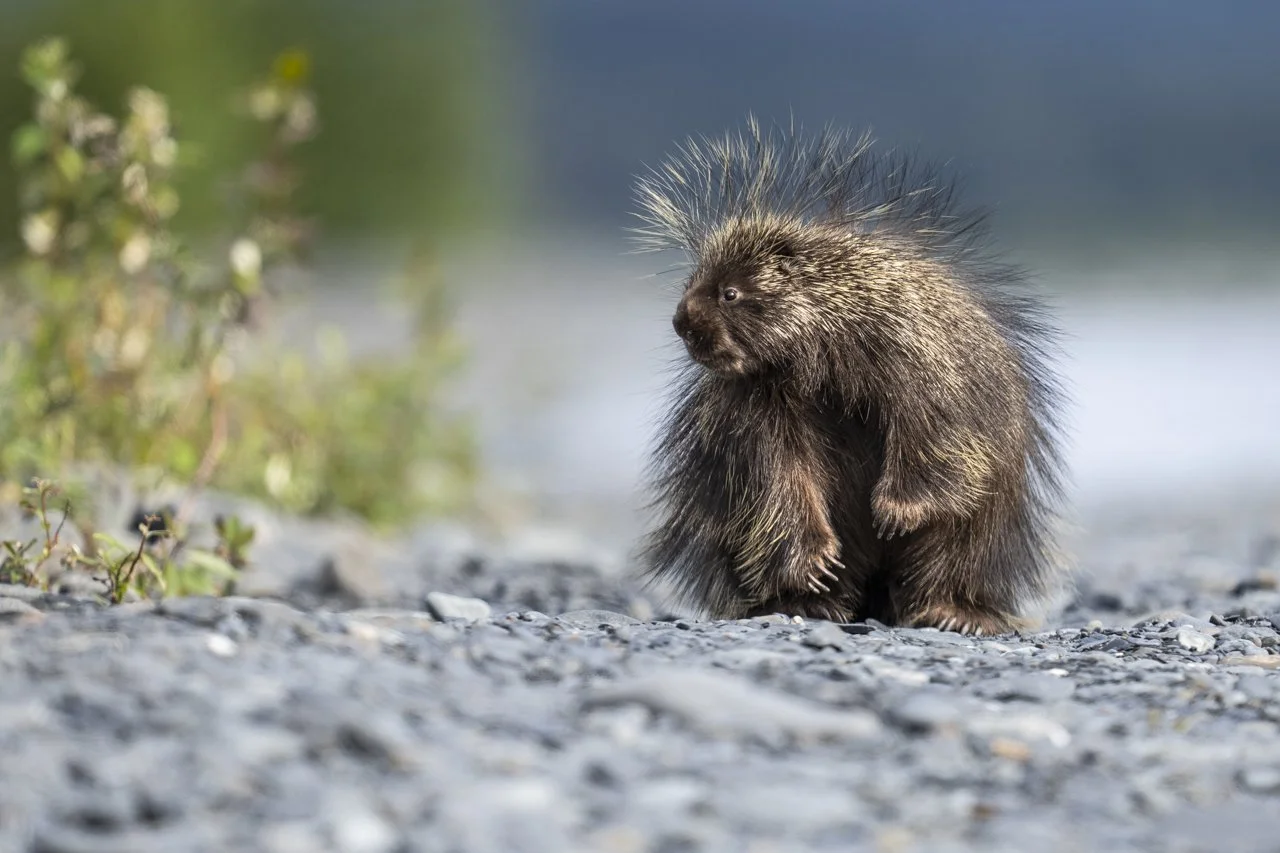
The North American porcupine (Erethizon dorsatum) can be found all over the state of Alaska, but these primarily nocturnal animals are experts at remaining out of sight. These vegetarian rodents enjoy a diet consisting of willow bark, spruce needles, View fullsize
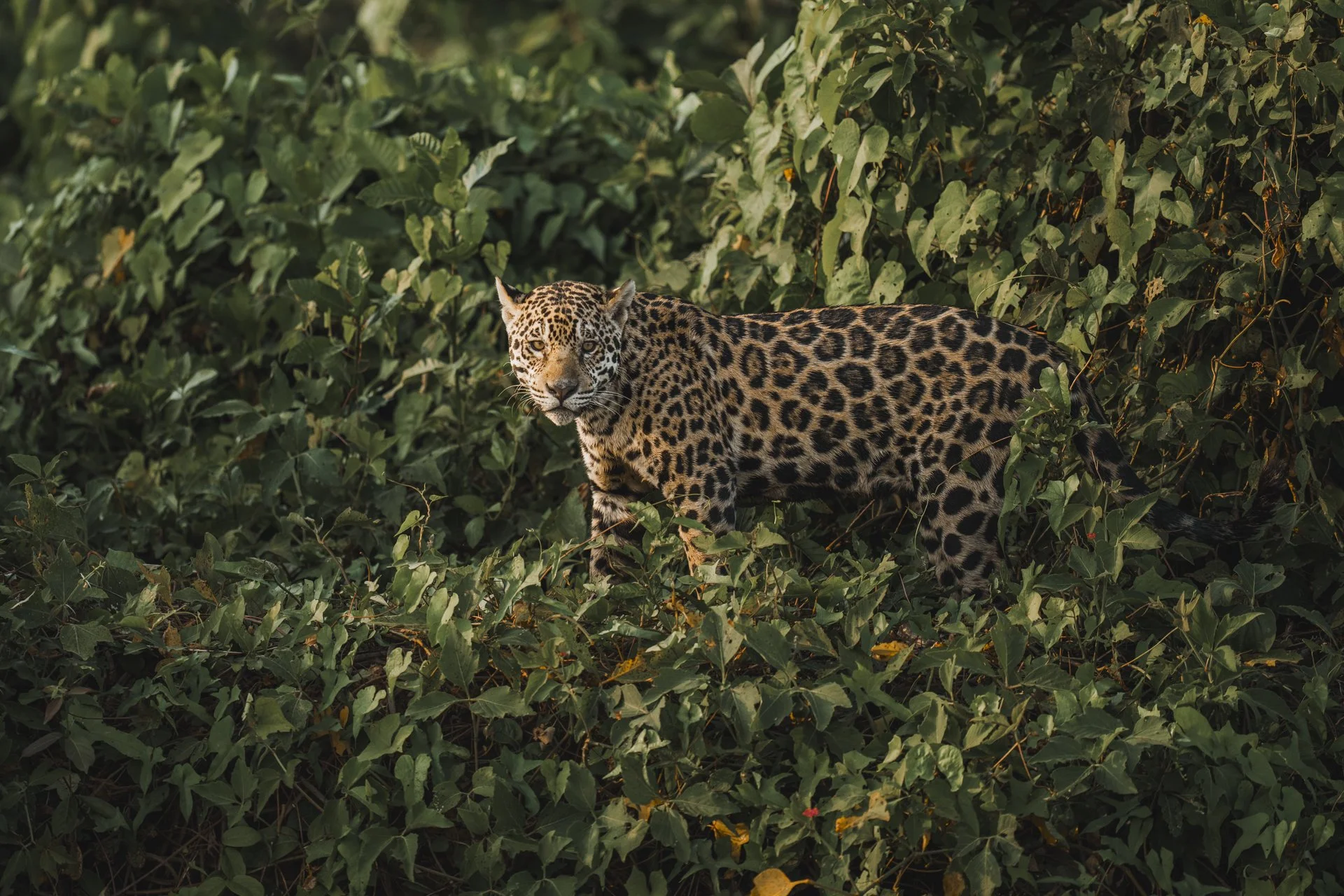
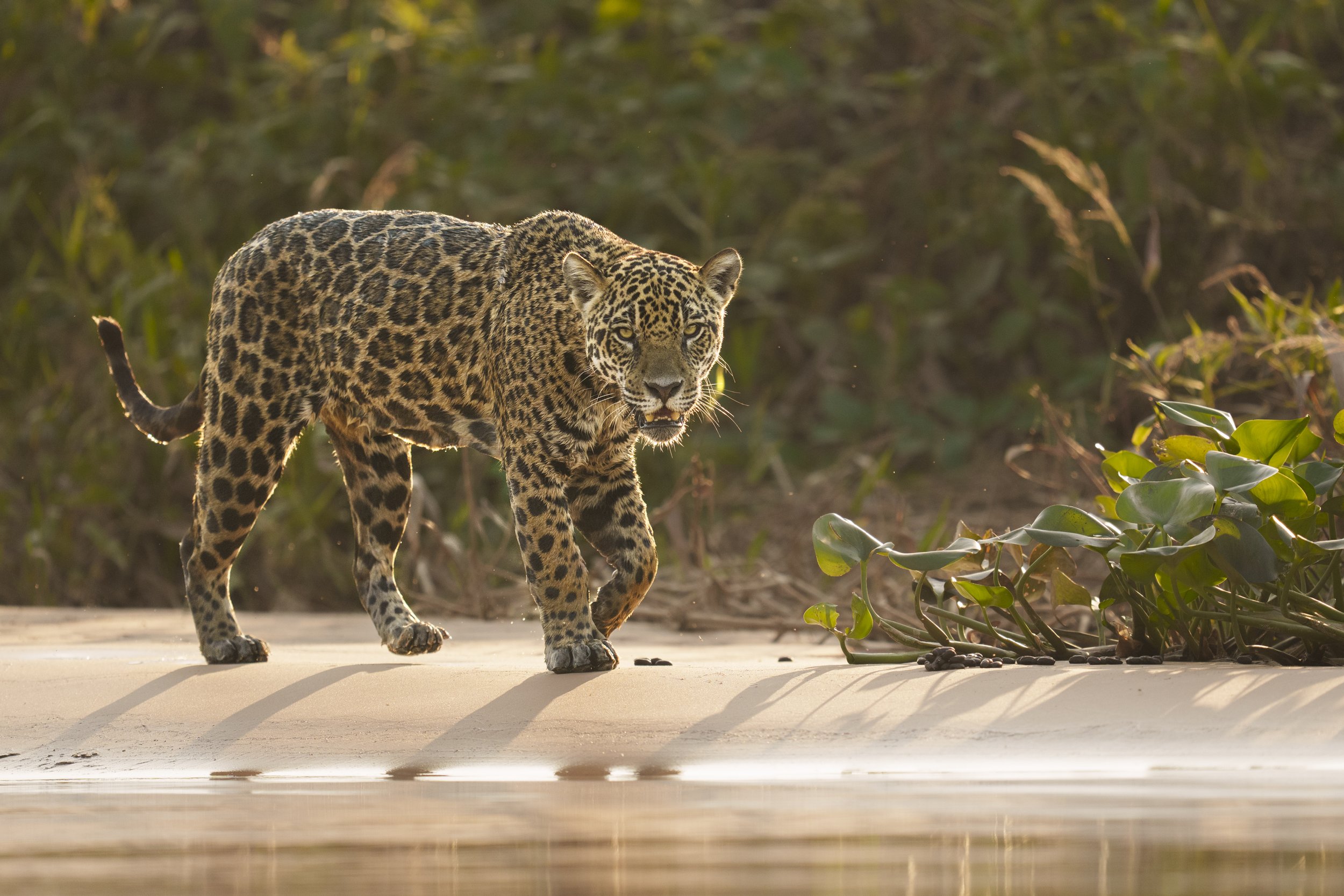
The jaguars (Panthera onca) of the Pantanal region of Brazil aren’t afraid of water, and in fact, will often use it to their benefit while hunting their favorite prey - the caiman. Using dense mats of hyacinth leaves as cover, jaguars will often snea View fullsize
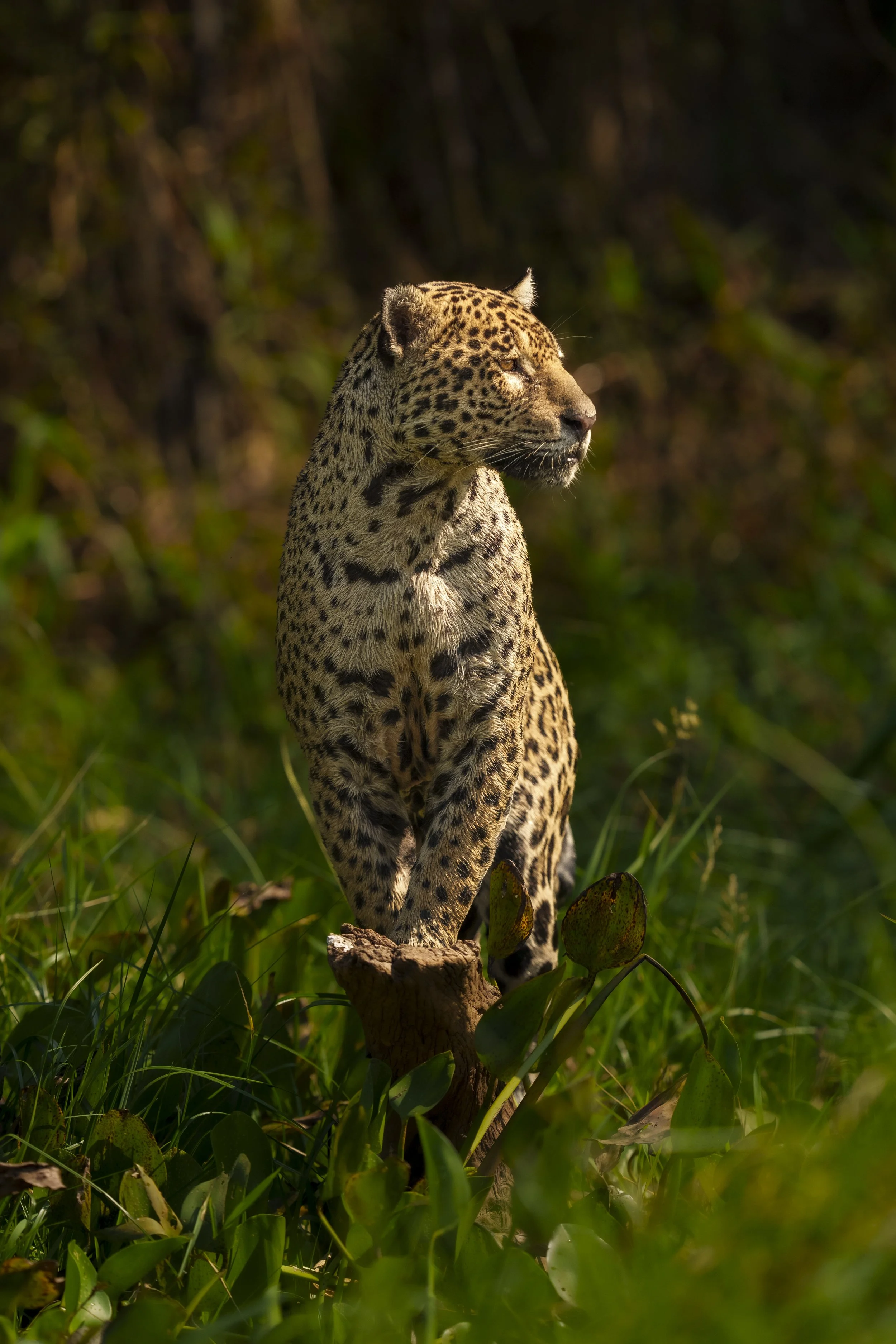
Ecotourism and interest in seeing jaguars (Panthera onca) in the wild has played a key role in driving the economy of the northern Pantanal region of Brazil. Conservation organization Panthera, which works to mitigate conflict between these apex pred View fullsize
The Pantanal, the largest topical wetland system in the world, is a biodiversity hotspot and home to one of the highest densities of jaguars (Panthera onca) in the world. Over the last few decades, the jaguar has come under intense pressure from habi View fullsize
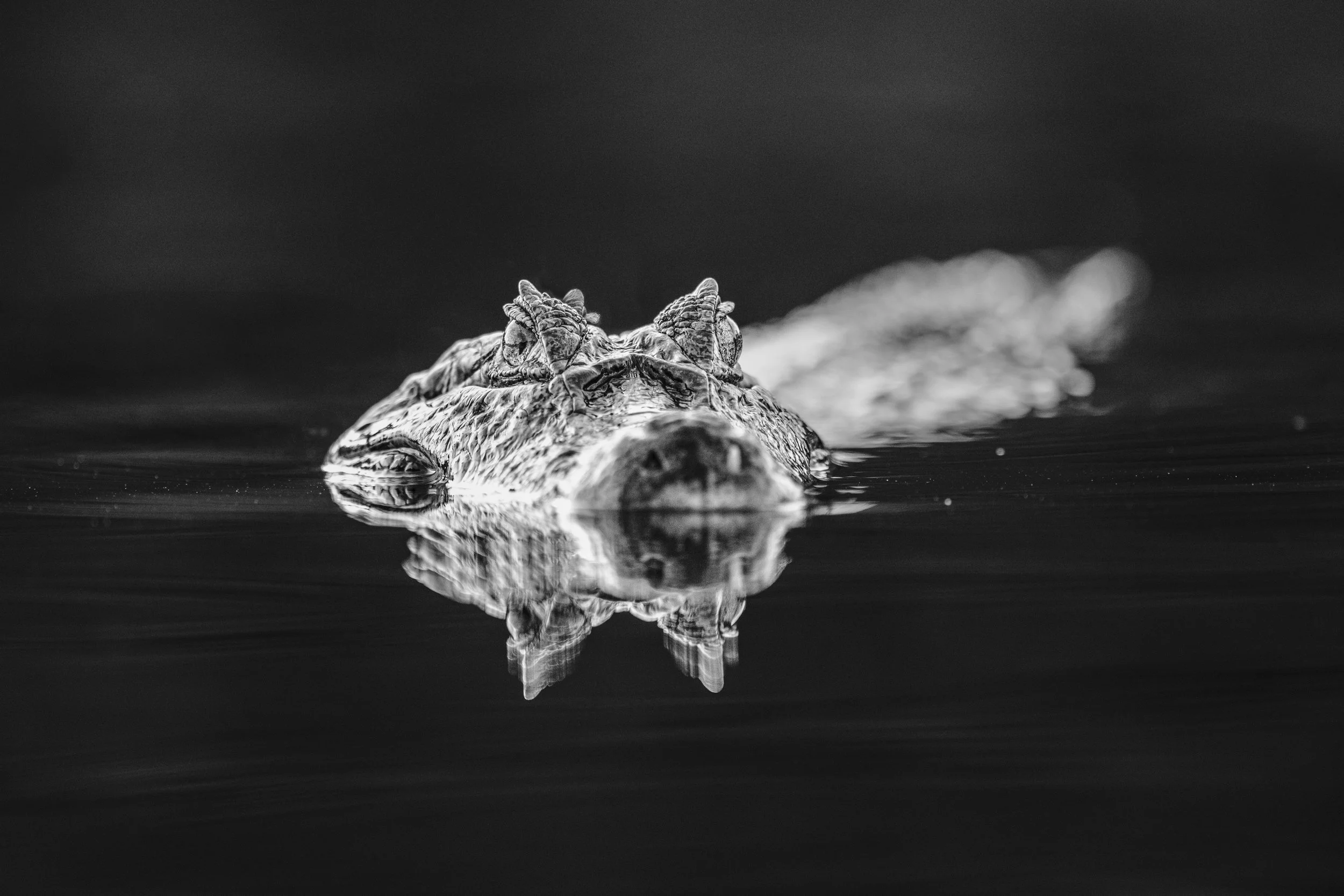
In the wetlands of South America, the Brazilian caiman (Caiman crocodilus) stands as both predator and protector of its ecosystem. During the breeding season, these remarkable reptiles show their softer side. Females build intricate nests from vegeta View fullsize
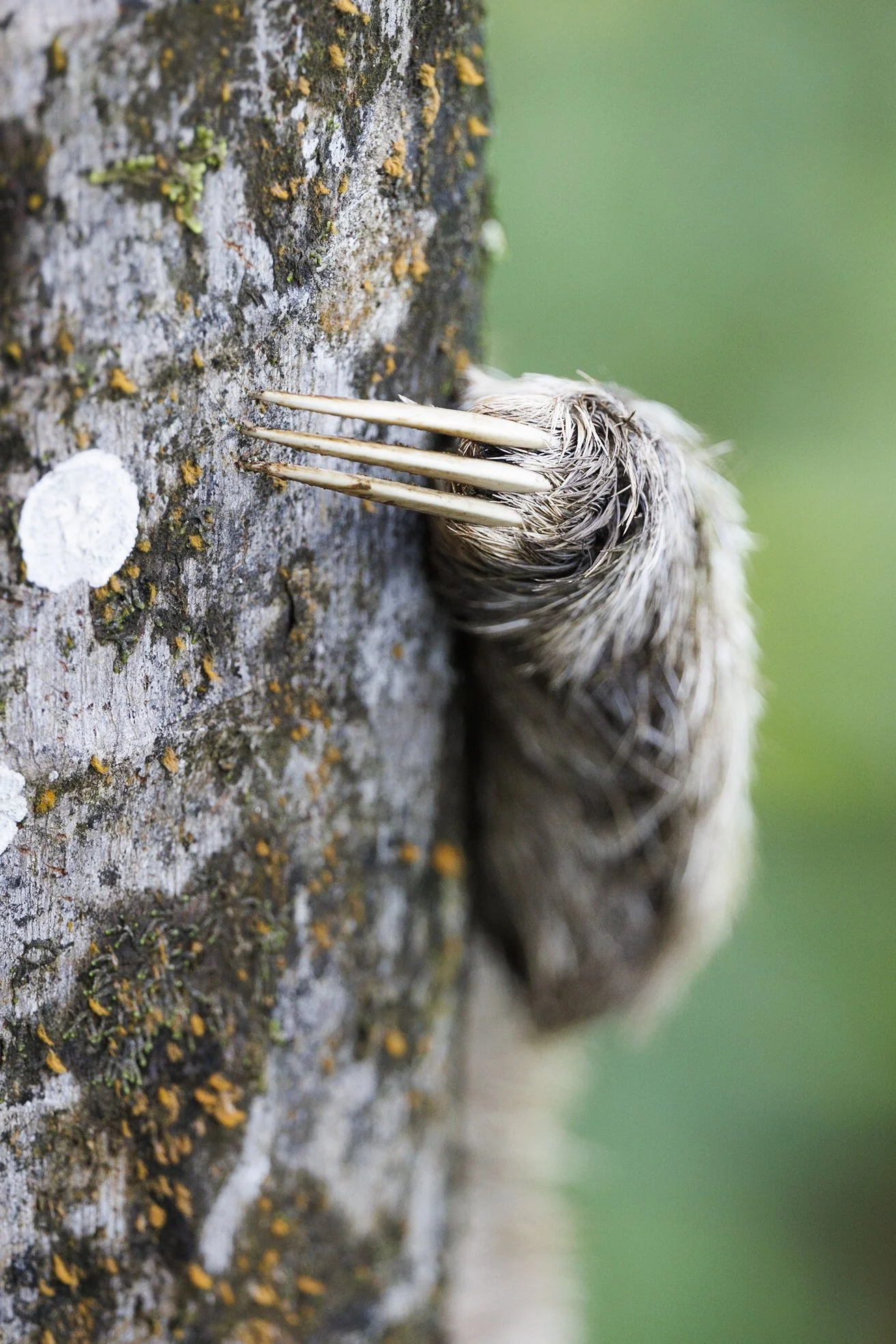
 At first glance, the Brown-throated three-toed sloth (Bradypus variegatus) appears to have "claws" that help them climb, but these  are actually elongated, curved phalange bones. A keratin sheath covers the bone. View fullsize
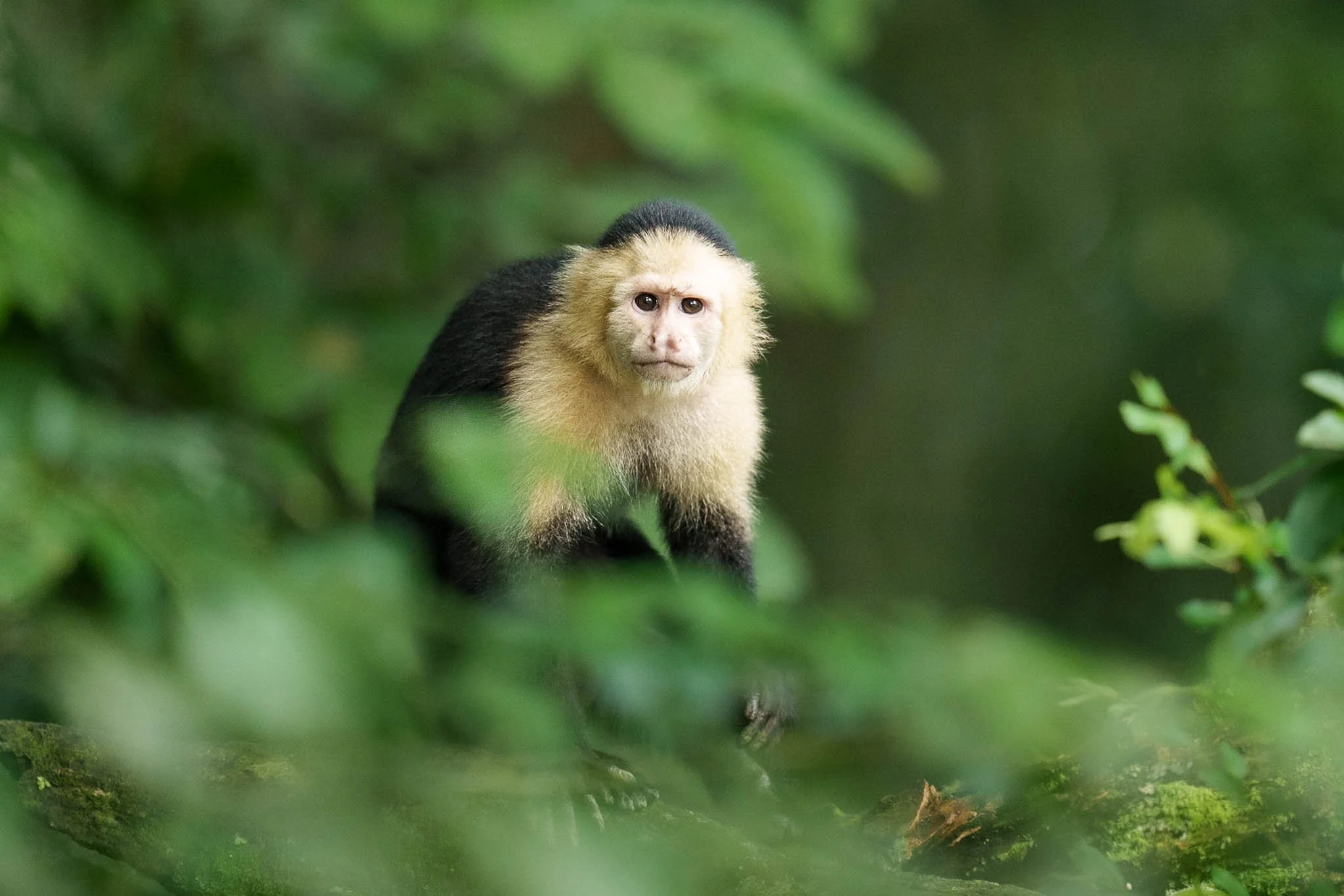
 Largely considered the most intelligent of the New World monkeys, the White-faced capuchin (Cebus imitator) monkey is an adept problem solver and quick learner. In Panama, these monkeys have been observed using rocks as a hammer to open small snails View fullsize
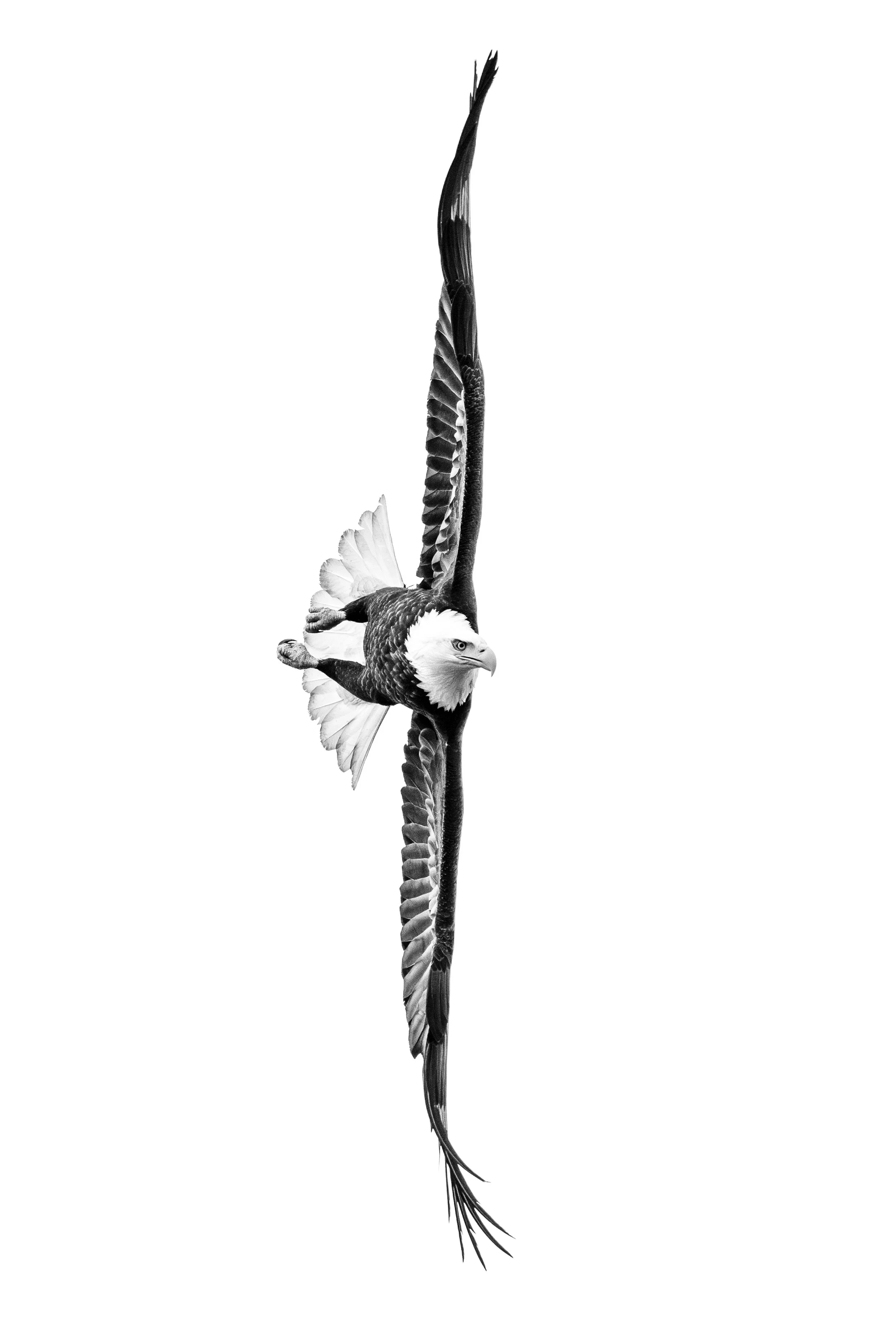
A bald eagle (Haliaeetus leucocephalus) demonstrates its agility in mid-air, changing course with an effortless twist of its wings. This powerful predator can shift direction instantly, making it a master of aerial maneuvers. These birds can reach sp View fullsize
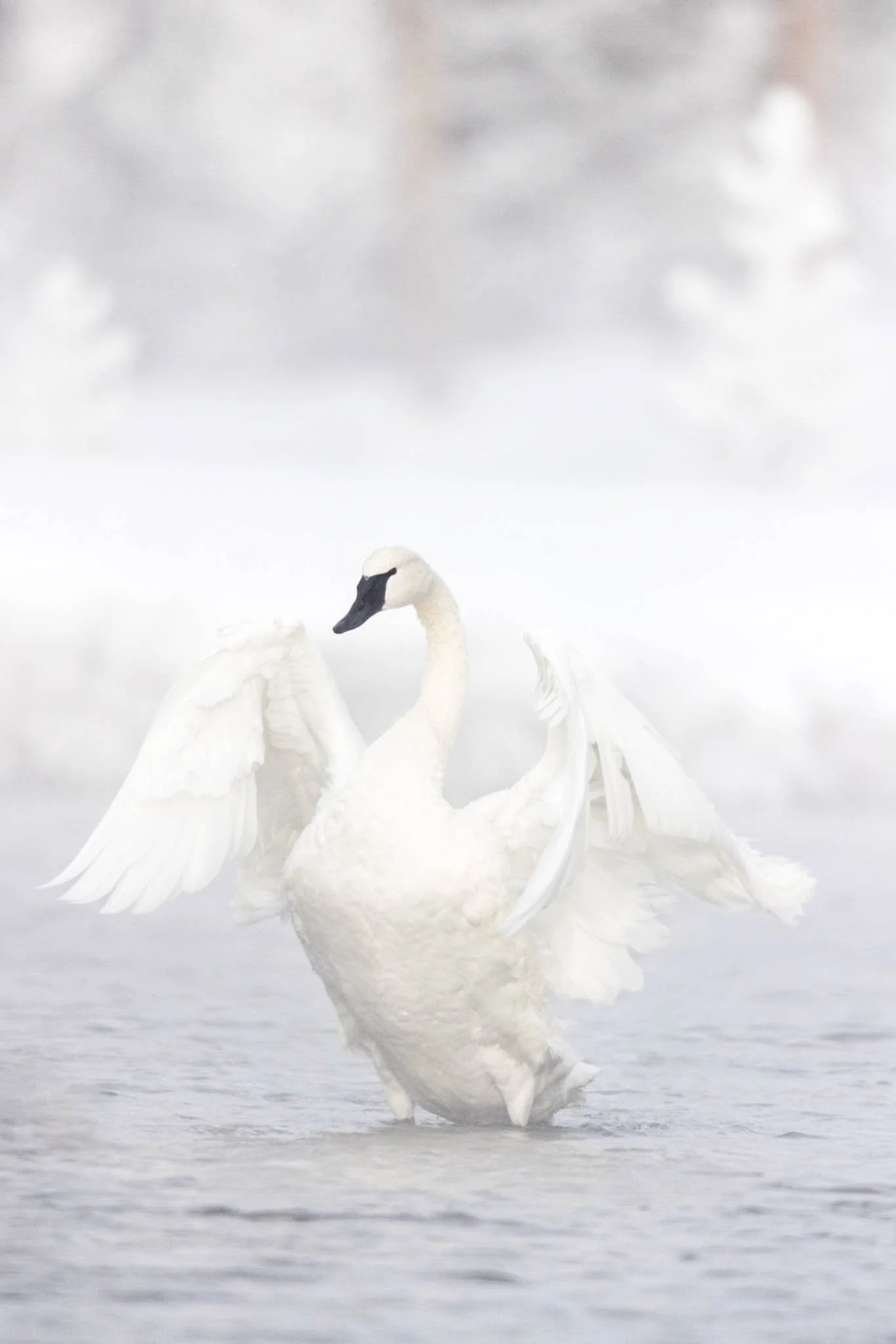
The overall population of trumpeter swans (Cygnus buccinator) has rebounded in the decades since they were driven to the brink of extinction, there is one trumpeter swan population that is still holding on by a thread. The swans calling Yellowstone N View fullsize
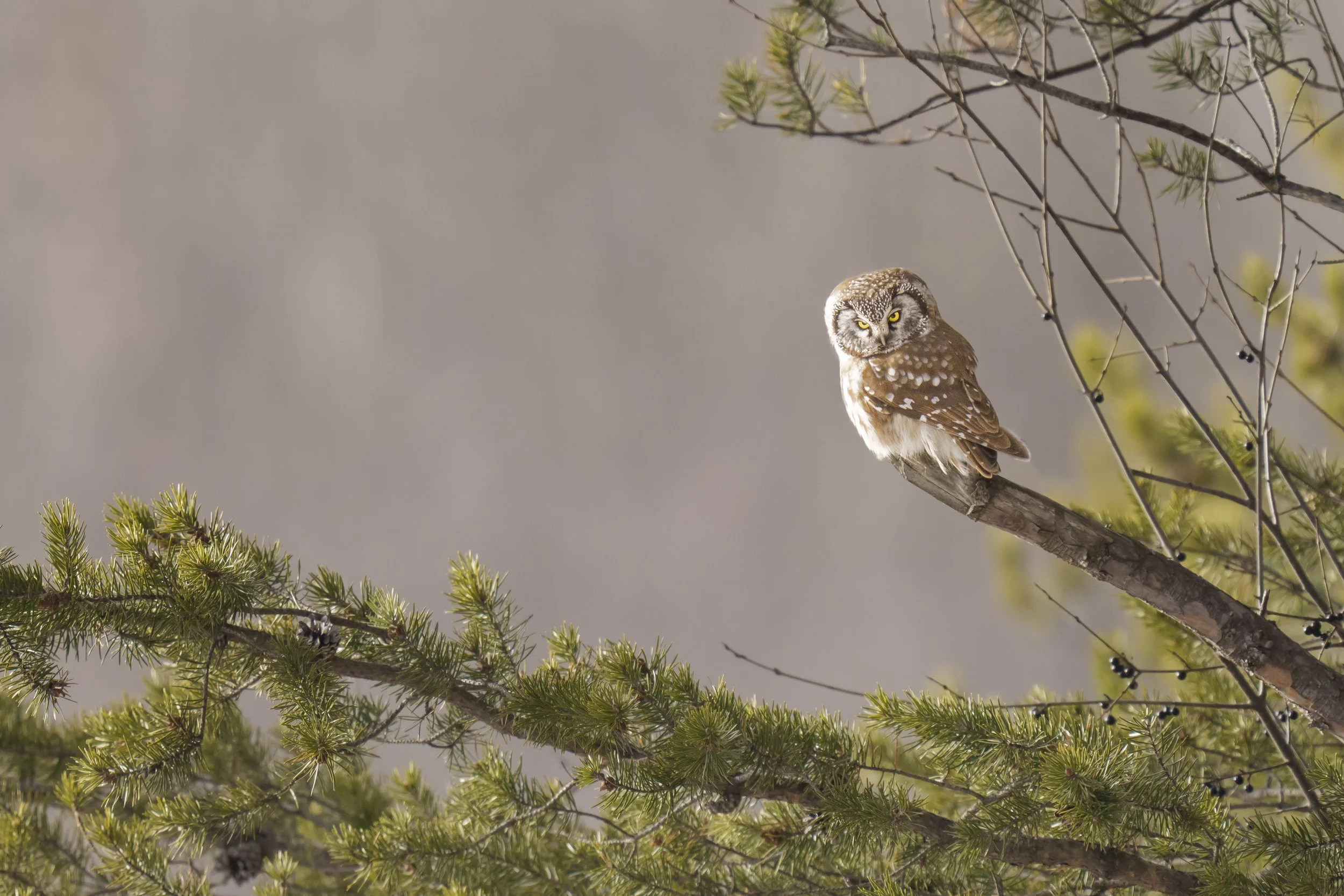
Deep in the boreal forest, where spruce and fir dominate the landscape, lives one of North America’s most elusive predators, the boreal owl (Aegolius funereus).  
  
Most people will never encounter this 8-inch tall raptor because their lives are tuc View fullsize
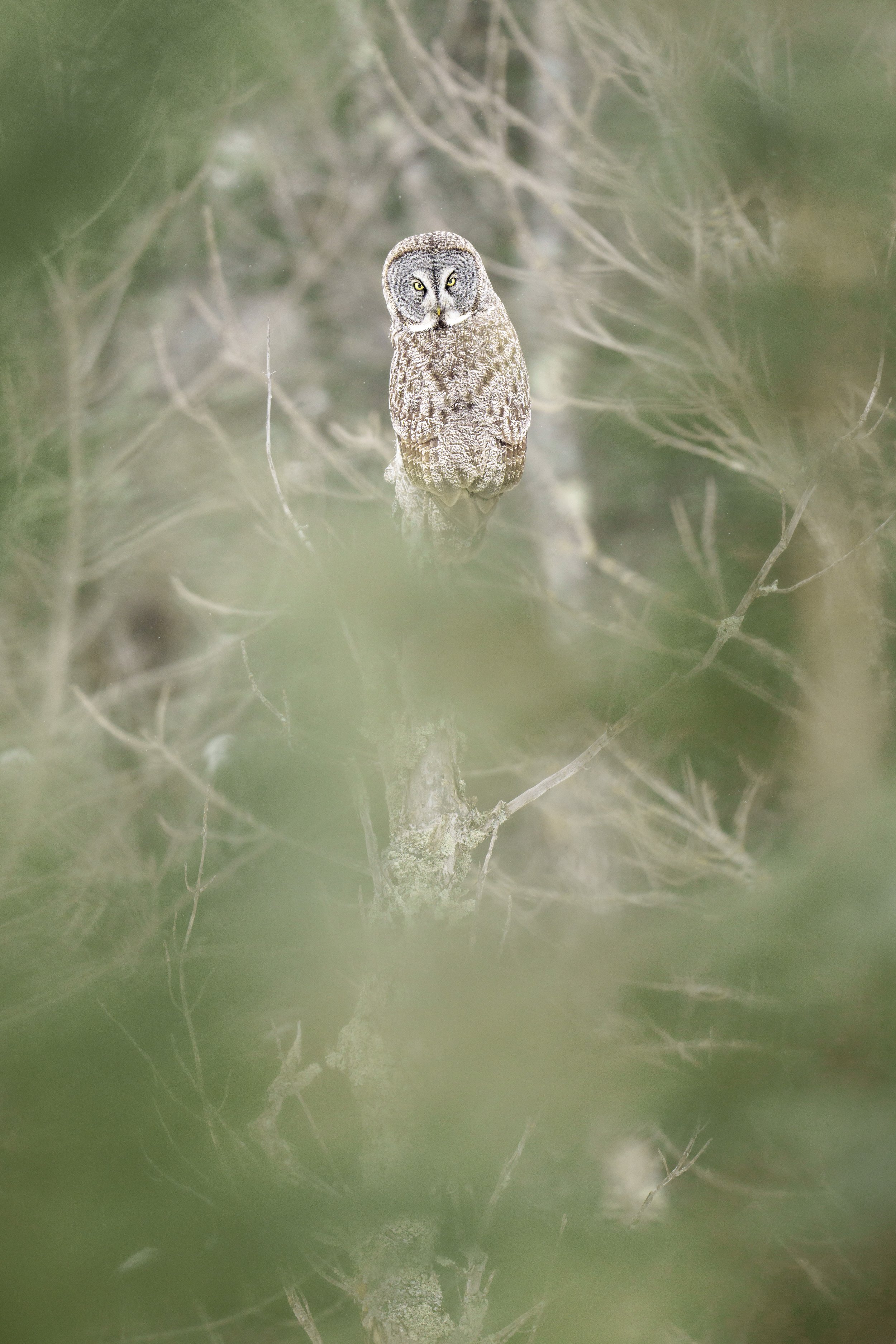
 Great grey owls, the royalty of the boreal forest, are an absolute marvel. With asymmetrical ears situated near their large disc-shaped faces, hearing is the superpower of this incredible bird. With their remarkable hearing, they can locate a tiny v View fullsize
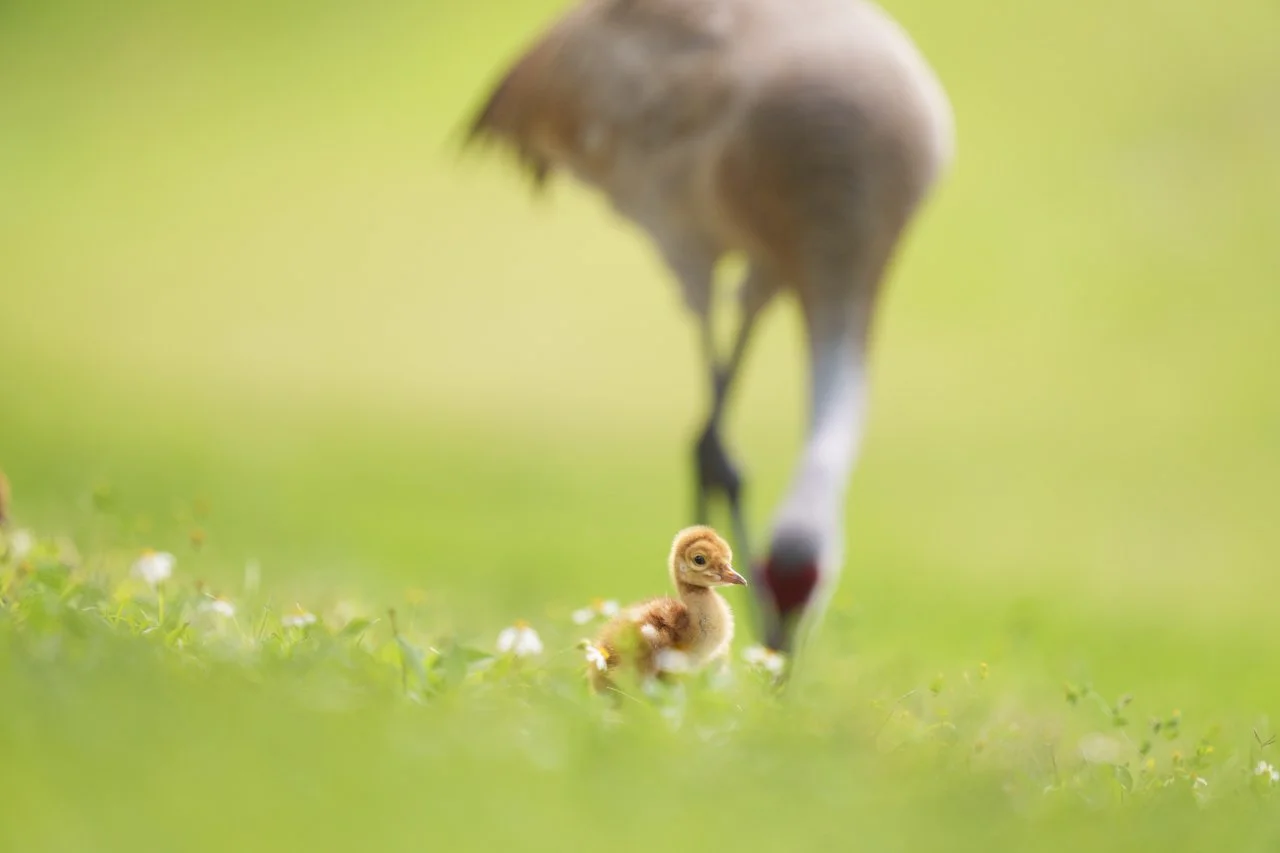
The sandhill cranes (Antigone canadensis pratensis) of Florida are a little bit different than other sandhil cranes found around North America. This population, unlike the others, does not migrate and stays in Florida all year long. Each winter, thes View fullsize
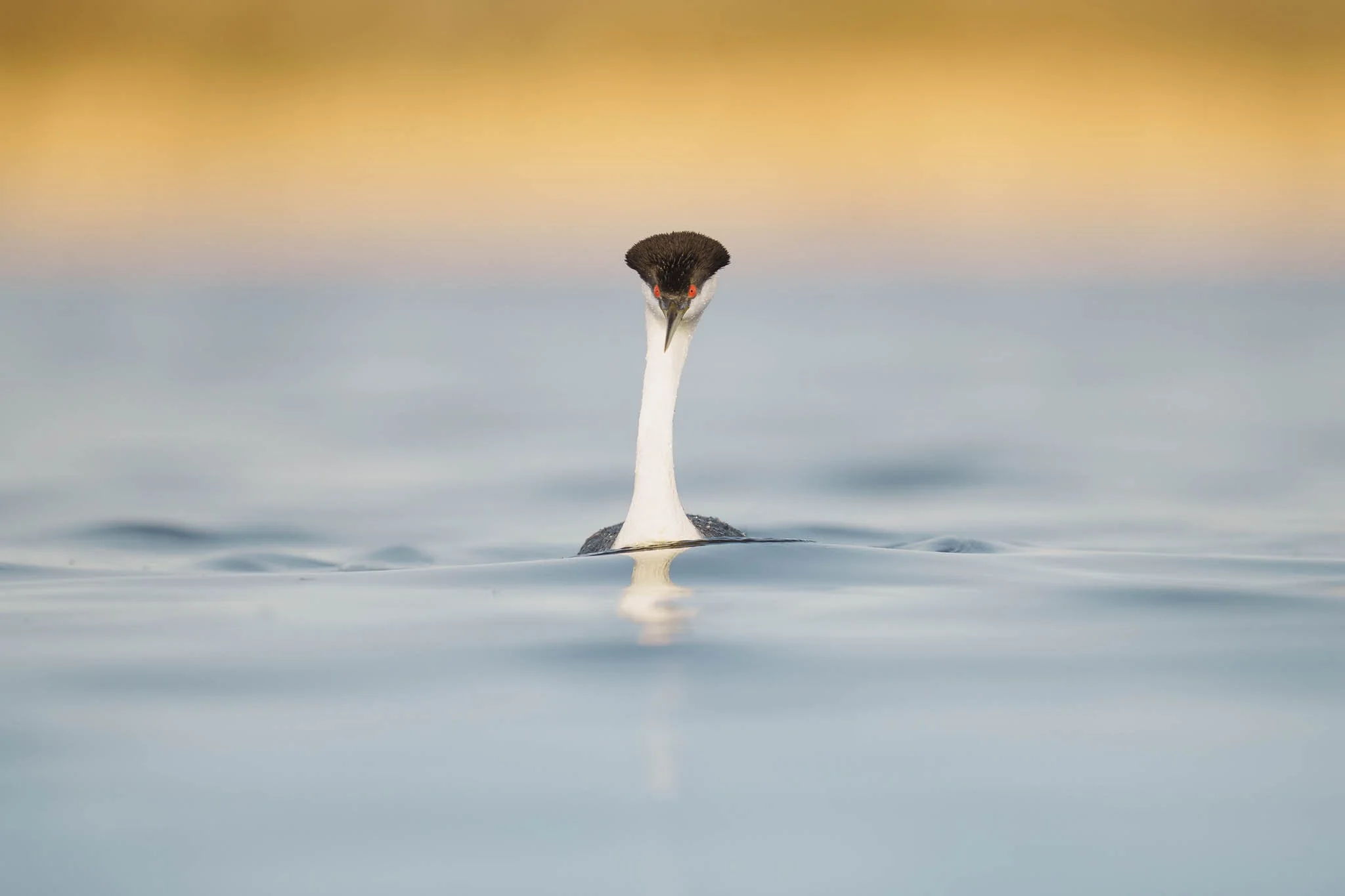
 The Western Grebe (Aechmophorus occidentalis) turns its breeding season into a spectacle of grace and coordination. Famous for their elaborate courtship rituals, these birds perform a stunning “rushing” display, where pairs run side-by-side across t View fullsize
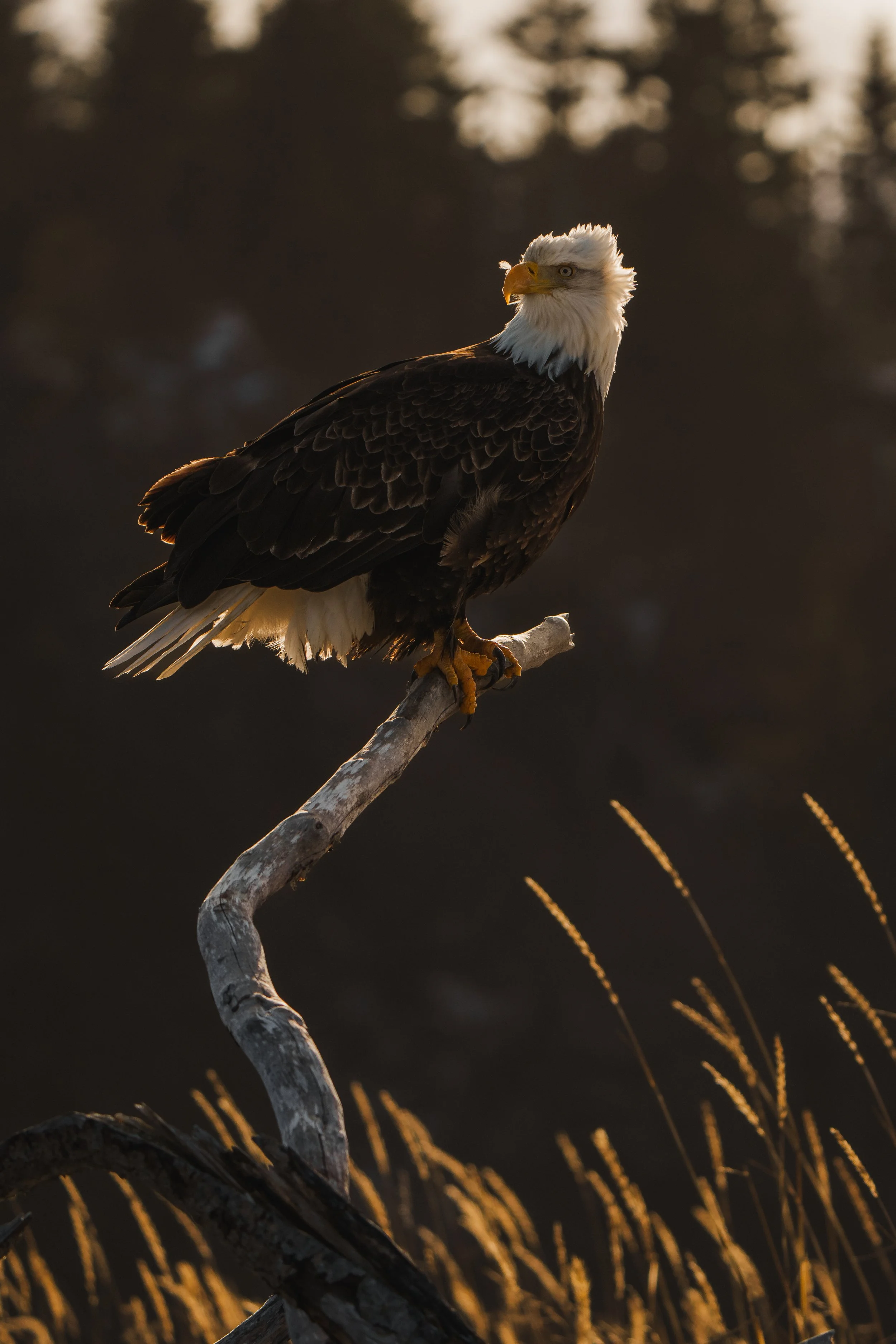
A bald eagle (Haliaeetus leucocephalus) perches on a piece of driftwood in the Kenai peninsula of Alaska. This precision hunter stands ready to defend its territory or claim a meal as the sun begins to dip behind the horizon.
View fullsize
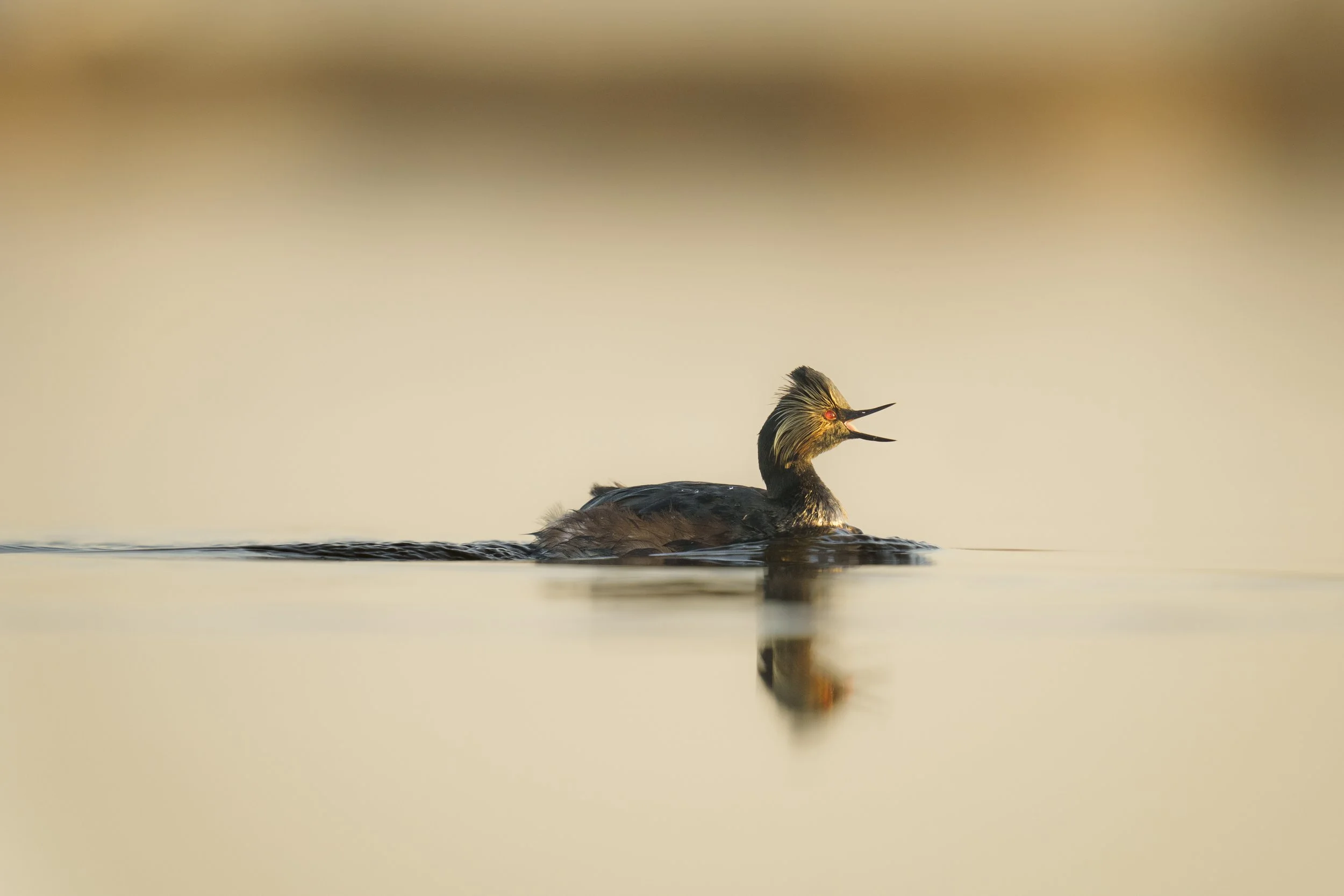
Though the International Ornithological Committee classifies this bird as the black-necked grebe (Podiceps nigricollis), in North America it is still referred to as the eared grebe.  While the eared grebe is among the most abundant in the family, its View fullsize
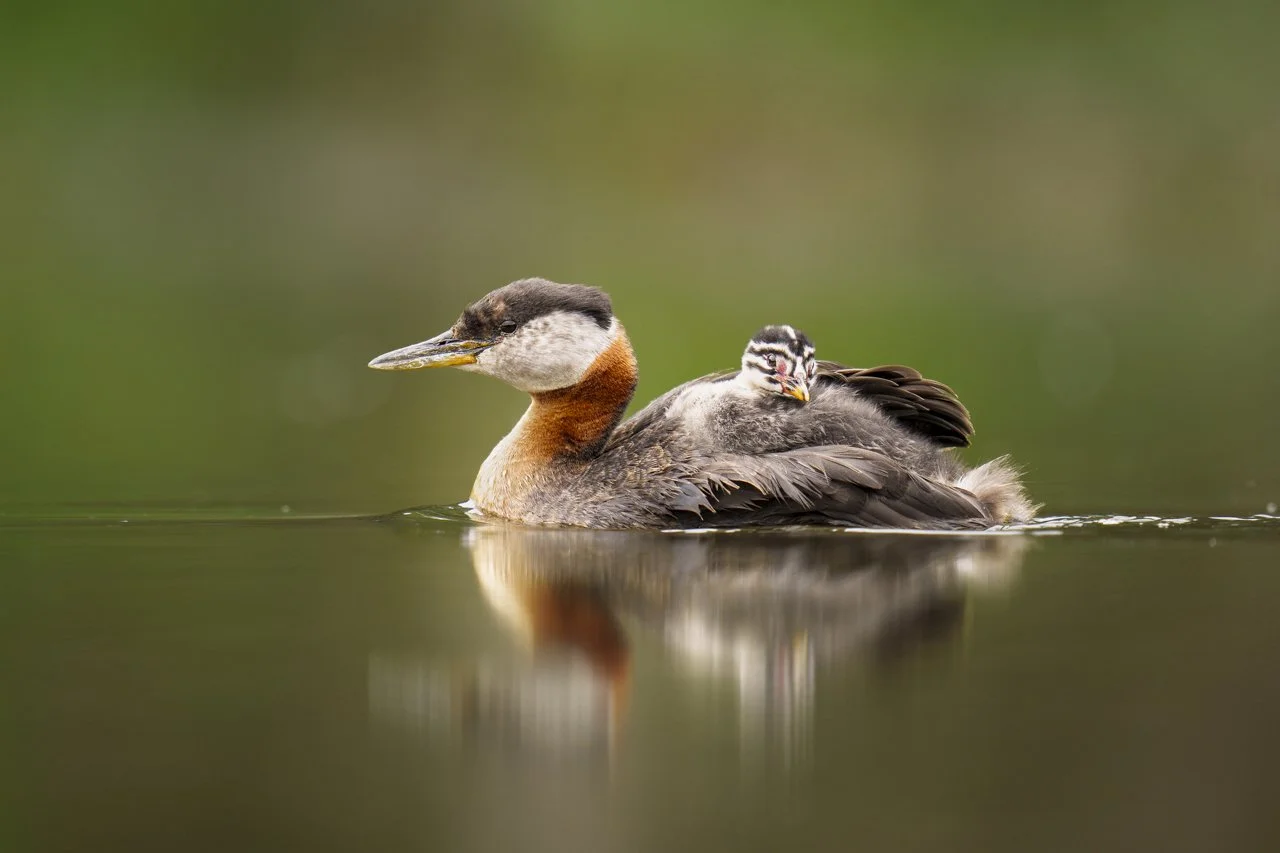
 Larger than other species of grebes, the red-necked grebe (Podiceps grisegena) loves northern coasts and marshes, especially during breeding season. Striped young position themselves on the feathered crib of the adults’ back as they learn how to for View fullsize
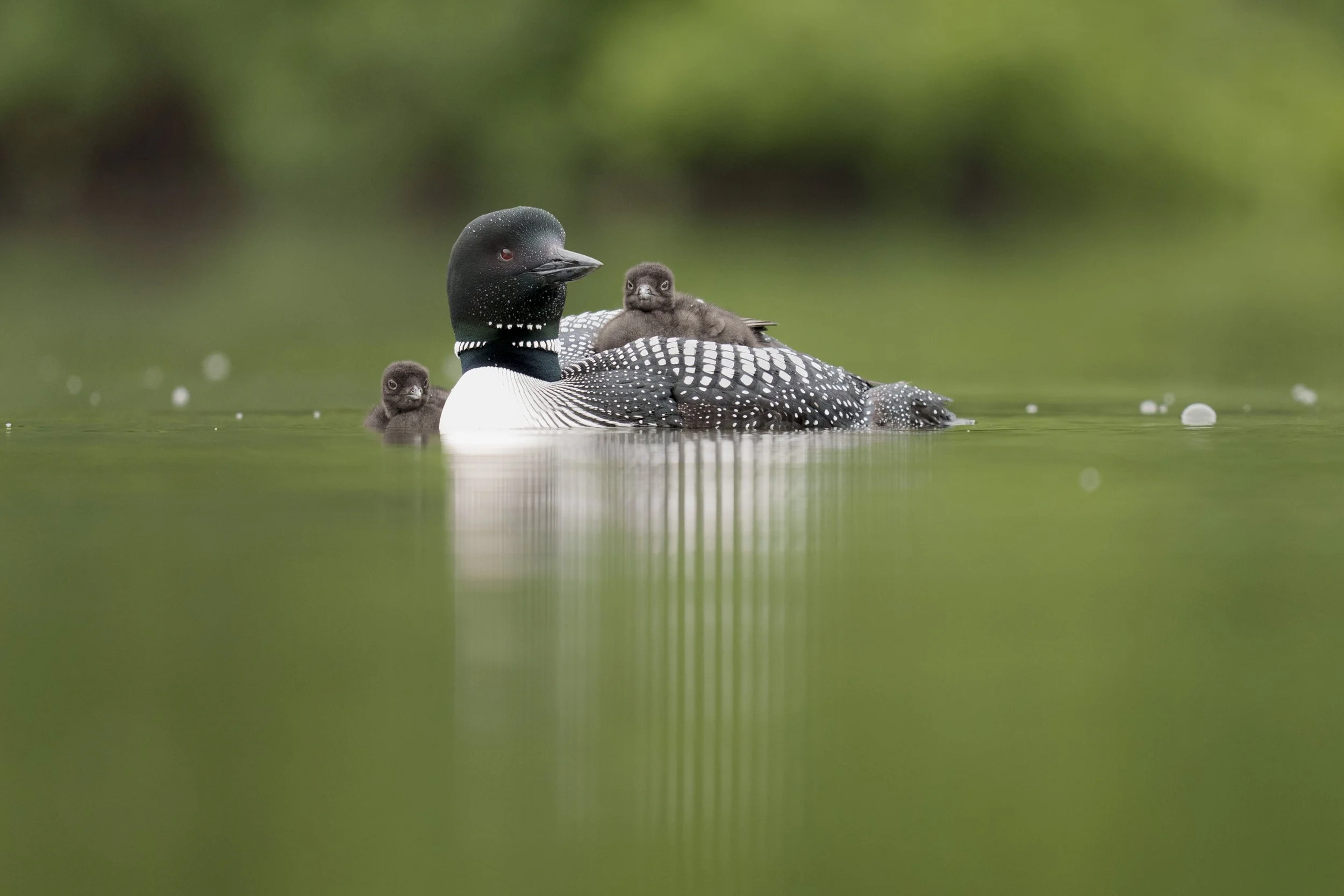
 A Common Loon (Gavia immer) glides across a calm lake, one downy chick nestled on its back while another paddles closely alongside. The still water reflects the lush green foliage of the surrounding forest, creating a serene scene of early summer. L View fullsize
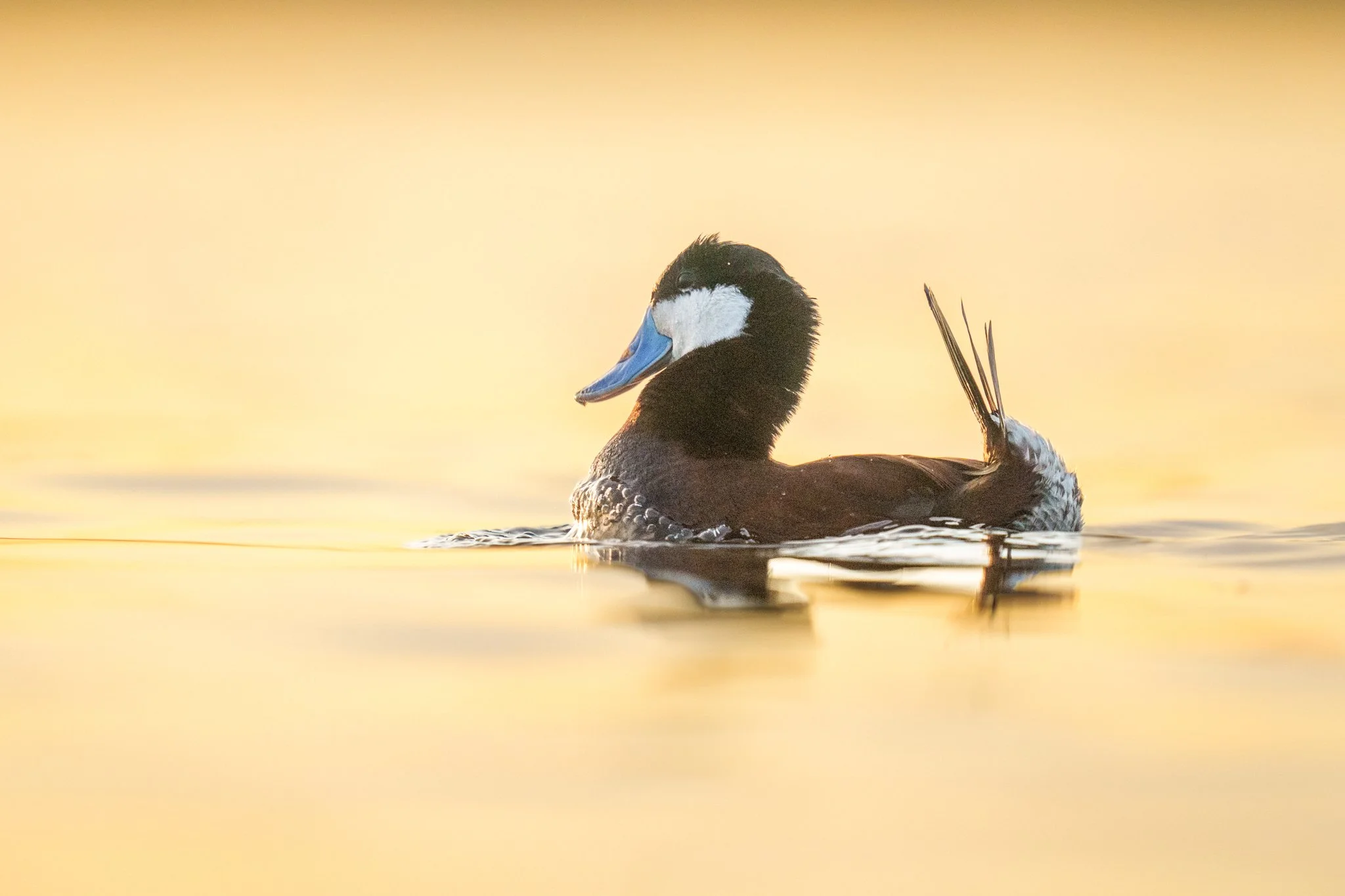
Ruddy Duck Bubble 0542.jpg View fullsize
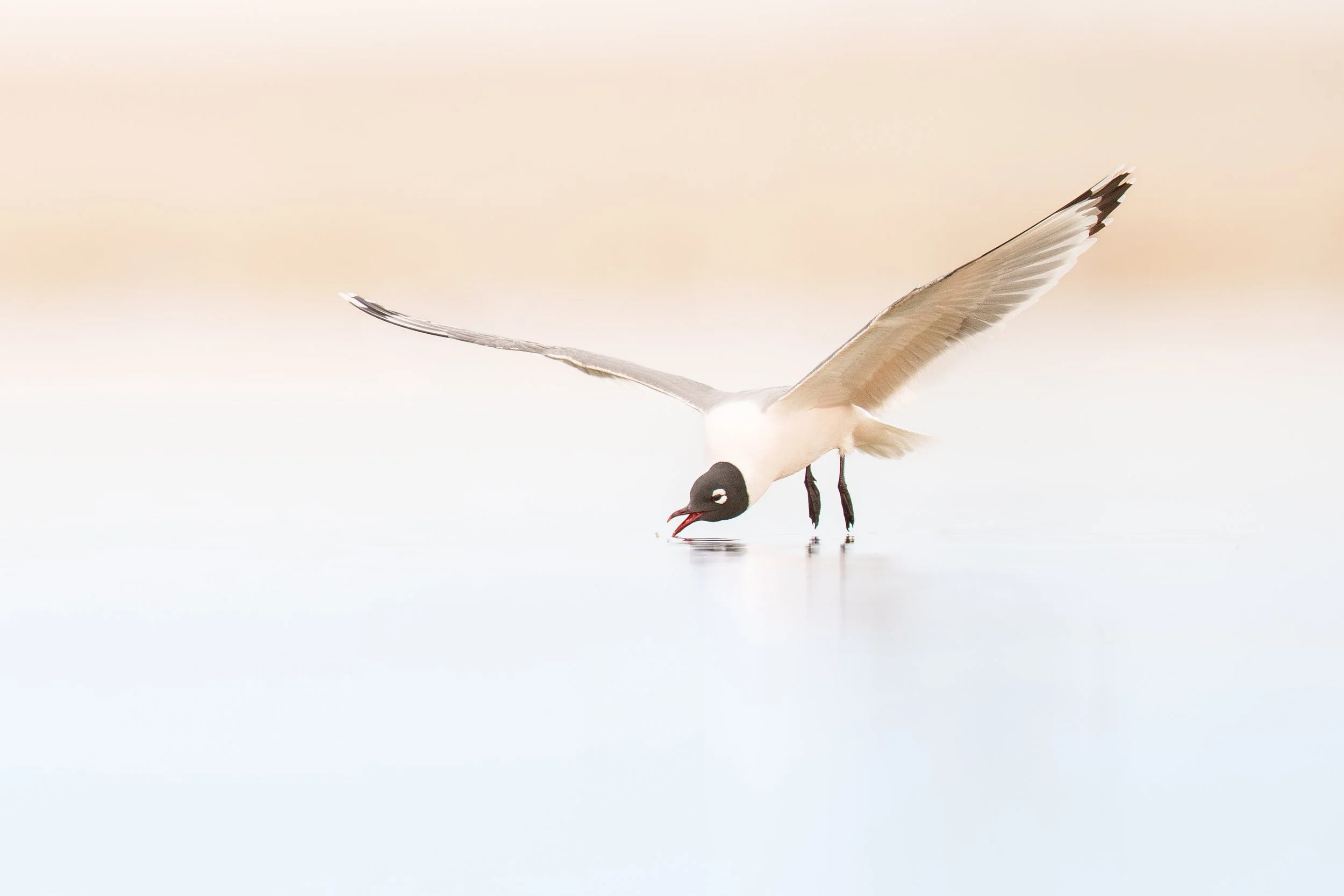
Franklin's Gull in Prairie Potholes Region-04313.jpg View fullsize
Brooks Falls may be known for its fat bears, but this concentration of coastal brown bears (Ursus arctos) wouldn’t be here without the salmon. Relying on their sense of smell and internal GPS system, millions of salmon make their way from the open wa
 A coastal brown bear (Ursus arctos), navigates the rocky shores of a glacier-fed lake in Alaska looking for a meal of salmon. In the fall, these bears are looking to put on as much weight as they can while burning as few calories as possible doing i
 Bear cubs will stay with their mother for two or three years. When the sow believes the cubs are ready to live on their own, she emancipates them, often going to great lengths to haze the cubs with charges, growls, and other defensive behavior to ru
 Though brown bears mate in summer, they have delayed implantation. This means that the fertilized eggs (blastocysts) remain dormant and do not attach themselves to the uterine wall until conditions are better for birth.  This means bear cubs are bor
 Coastal brown bears (Ursus arctos) will often fish in the ocean while waiting for the salmon to begin their run up the rivers. Bears are excellent swimmers and will often employ a "snorkeling" method of fishing, putting their faces in the water to f
 Cook Inlet in Anchorage, Alaska, experiences dramatic tide fluctuations, sometimes as much as 35 feet. When there is a large tidal swing, coastal brown bears take advantage of the exposed area to dig for razor clams—a favorite protein source while a
 Mothers of black bears (Ursus americanus) often send their cubs up in "nursery trees" while she goes off to forage and hunt. This helps keep them safe from predators, especially boar bears, who are known to kill cubs specifically to send the sow bac
When the summer sun blazes, black bears (Ursus americanus) have clever ways to stay cool. Despite their thick fur, these adaptable mammals know how to make the most of their environment. They often seek out shady forests, dense underbrush, or cool ca
Often misidentified as part of the antelope family, the Pronghorn (Antilocapra americana) is the only member of its family to survive the Pleistocene extinction. As the second-fastest land mammal on Earth, the Pronghorn can run as fast as 55 miles pe
 In Alaska, the average caribou (Rangifer tarandus) loses four pounds of blood to mosquitoes. Alaska is home to 28 mosquito species which appear in quantities so great in caribou territory, that they are the primary driver of the caribou migration. Y
 The moose (Alces alces) of Denali National Park are amongst the largest in the world. Bull moose here often hit 6.5-7 feet at the shoulder and can weight as much as 1,400 pounds. During the rut, these bulls will lost as much as 20% of their weight i
 During the rut, bull moose compete with one another for the attention of the cows and the right to breed with them. They'll fight, using their powerful antlers to attack one another and defend themselves. Bull moose with the largest antlers, which t
Like many other ungulates, the bighorn sheep (Ovis canadensis) existed in abundance in the North American west prior to the arrival of settlers in the region. Early conservation efforts of the 1900s helped the threatened population rebound, but their
The American bison (Bison bison bison) of Yellowstone park have the distinction of being unique among the other bison herds around the United States. After almost going extinct due to settler overhunting and demand for their hides, the population of
 The large humps that develop on the back of the American bison (Bison bison) are their neck and shoulder muscles, whose combined strength comes in extra handy during cold winter months. Face first in the snow, bison plow away the snow to get to the
 In winter, the herds of bison are comprised primarily of females, with their young tagging along and an occasional young bull in the mix. While most species of herd animals are "selfish" herds, looking out for their individual safety, bison are one
 The thick, wooly coat of the bison is so well insulating that snow collecting on the backs of the animals will not melt from their body heat. In addition to their thick coats, their skin gets thicker in response to the cold and fatty deposits also a
A hearty species, American bison (Bison bison) live throughout the continent in places that experience both extreme heat and cold climates. While the grasses they eat are easily found in the summer months, they are buried under a blanket of snow come
The elusive bobcat (Lynx rufus) mostly feasts on small mammals like hares, voles, squirrels and some birds like grouse and wrens, but will take down a deer or pronghorn if the right opportunity comes along. With large prey that cannot be eaten in one
Beneath its fiery coat, the American Red Fox (Vulpes vulpes) hides a toolkit of survival strategies, perfectly tuned for winter. These small canids are masters of the pounce—a technique called “mousing,” where they leap high and dive nose-first into
When tidewater glaciers calve icebergs into the water, harbor seals (Phoca vitulina richardii) take advantage of all they have to offer. Using the icebergs for resting, molting, giving birth, and raising their young, harbor seals have a seasonal loya
The North American porcupine (Erethizon dorsatum) can be found all over the state of Alaska, but these primarily nocturnal animals are experts at remaining out of sight. These vegetarian rodents enjoy a diet consisting of willow bark, spruce needles,
The jaguars (Panthera onca) of the Pantanal region of Brazil aren’t afraid of water, and in fact, will often use it to their benefit while hunting their favorite prey - the caiman. Using dense mats of hyacinth leaves as cover, jaguars will often snea
Ecotourism and interest in seeing jaguars (Panthera onca) in the wild has played a key role in driving the economy of the northern Pantanal region of Brazil. Conservation organization Panthera, which works to mitigate conflict between these apex pred
The Pantanal, the largest topical wetland system in the world, is a biodiversity hotspot and home to one of the highest densities of jaguars (Panthera onca) in the world. Over the last few decades, the jaguar has come under intense pressure from habi
In the wetlands of South America, the Brazilian caiman (Caiman crocodilus) stands as both predator and protector of its ecosystem. During the breeding season, these remarkable reptiles show their softer side. Females build intricate nests from vegeta
 At first glance, the Brown-throated three-toed sloth (Bradypus variegatus) appears to have "claws" that help them climb, but these  are actually elongated, curved phalange bones. A keratin sheath covers the bone.
 Largely considered the most intelligent of the New World monkeys, the White-faced capuchin (Cebus imitator) monkey is an adept problem solver and quick learner. In Panama, these monkeys have been observed using rocks as a hammer to open small snails
A bald eagle (Haliaeetus leucocephalus) demonstrates its agility in mid-air, changing course with an effortless twist of its wings. This powerful predator can shift direction instantly, making it a master of aerial maneuvers. These birds can reach sp
The overall population of trumpeter swans (Cygnus buccinator) has rebounded in the decades since they were driven to the brink of extinction, there is one trumpeter swan population that is still holding on by a thread. The swans calling Yellowstone N
Deep in the boreal forest, where spruce and fir dominate the landscape, lives one of North America’s most elusive predators, the boreal owl (Aegolius funereus).  
  
Most people will never encounter this 8-inch tall raptor because their lives are tuc
 Great grey owls, the royalty of the boreal forest, are an absolute marvel. With asymmetrical ears situated near their large disc-shaped faces, hearing is the superpower of this incredible bird. With their remarkable hearing, they can locate a tiny v
The sandhill cranes (Antigone canadensis pratensis) of Florida are a little bit different than other sandhil cranes found around North America. This population, unlike the others, does not migrate and stays in Florida all year long. Each winter, thes
 The Western Grebe (Aechmophorus occidentalis) turns its breeding season into a spectacle of grace and coordination. Famous for their elaborate courtship rituals, these birds perform a stunning “rushing” display, where pairs run side-by-side across t
A bald eagle (Haliaeetus leucocephalus) perches on a piece of driftwood in the Kenai peninsula of Alaska. This precision hunter stands ready to defend its territory or claim a meal as the sun begins to dip behind the horizon.
Though the International Ornithological Committee classifies this bird as the black-necked grebe (Podiceps nigricollis), in North America it is still referred to as the eared grebe.  While the eared grebe is among the most abundant in the family, its
 Larger than other species of grebes, the red-necked grebe (Podiceps grisegena) loves northern coasts and marshes, especially during breeding season. Striped young position themselves on the feathered crib of the adults’ back as they learn how to for
 A Common Loon (Gavia immer) glides across a calm lake, one downy chick nestled on its back while another paddles closely alongside. The still water reflects the lush green foliage of the surrounding forest, creating a serene scene of early summer. L
Ruddy Duck Bubble 0542.jpg
Franklin's Gull in Prairie Potholes Region-04313.jpg

DON'T MISS A THING

Join me for field stories, photography insights, and the occasional deep dive into our natural world — delivered to your inbox when inspiration strikes.

(I’m not a jerk, so I won’t spam you or sell your information)

Thank you! Watch your Inbox to confirm your subscription!

Annalise KAYLOR

hello@annalisekaylor.com //404.304.2789