
THE WILD WINTER OF YELLOWSTONE
Step outside the hotel in Gardiner, Montana in January and the cold hits you like a door swung open onto another world. The temperature might read ten degrees. It might hover at a frigid minus forty degrees. Either way, there is simply no other feeling like the one where cold air and anticipation collide.
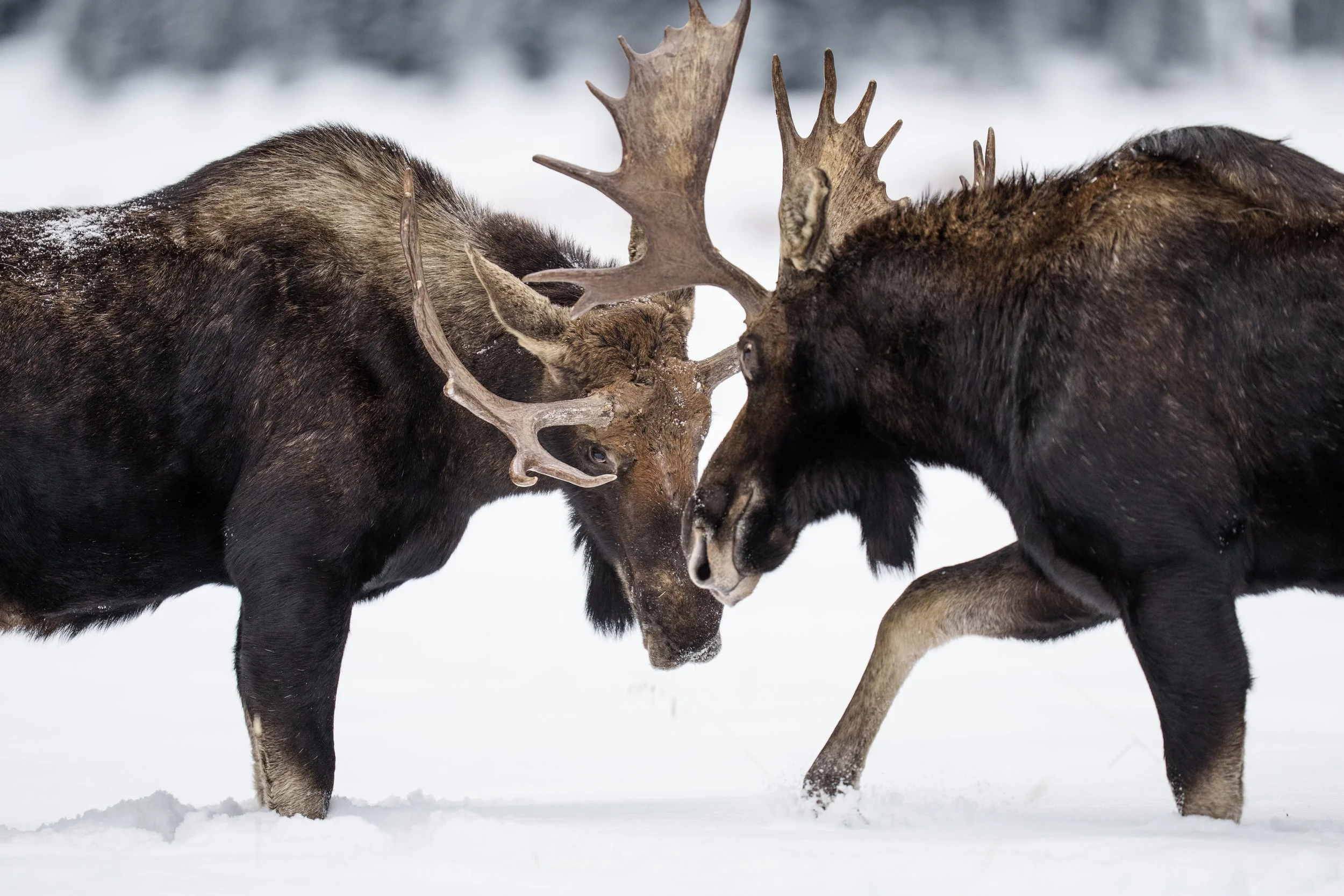
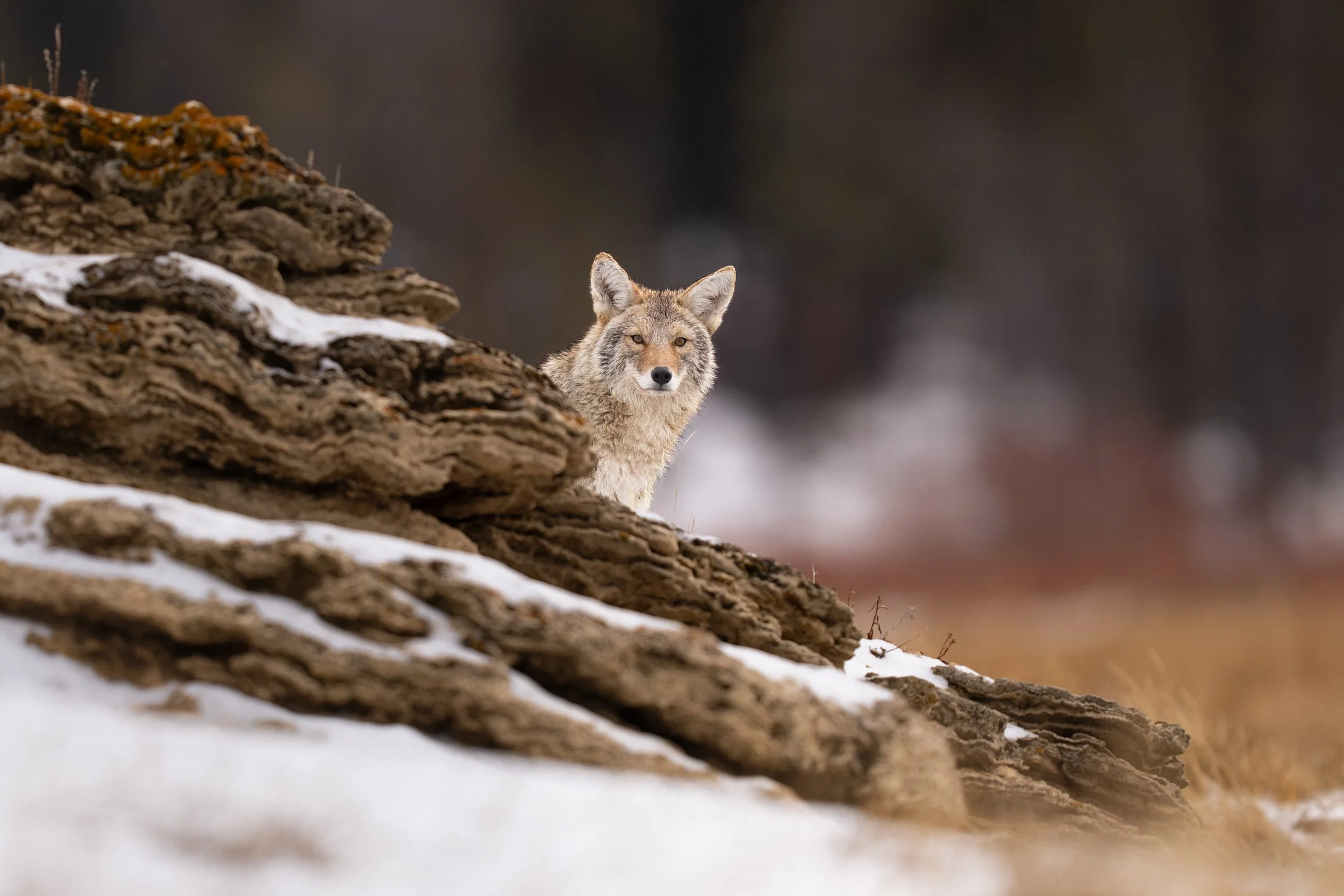
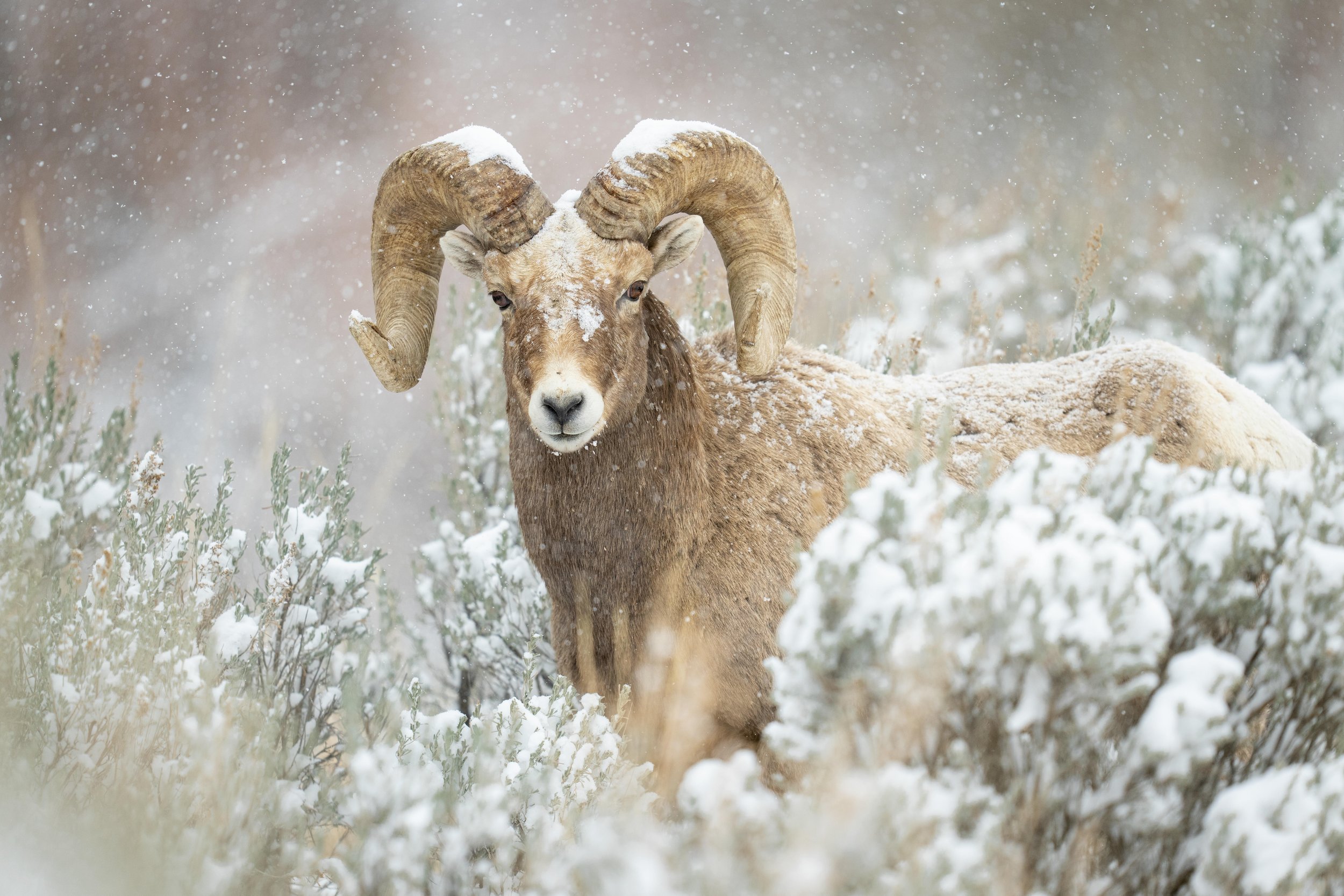
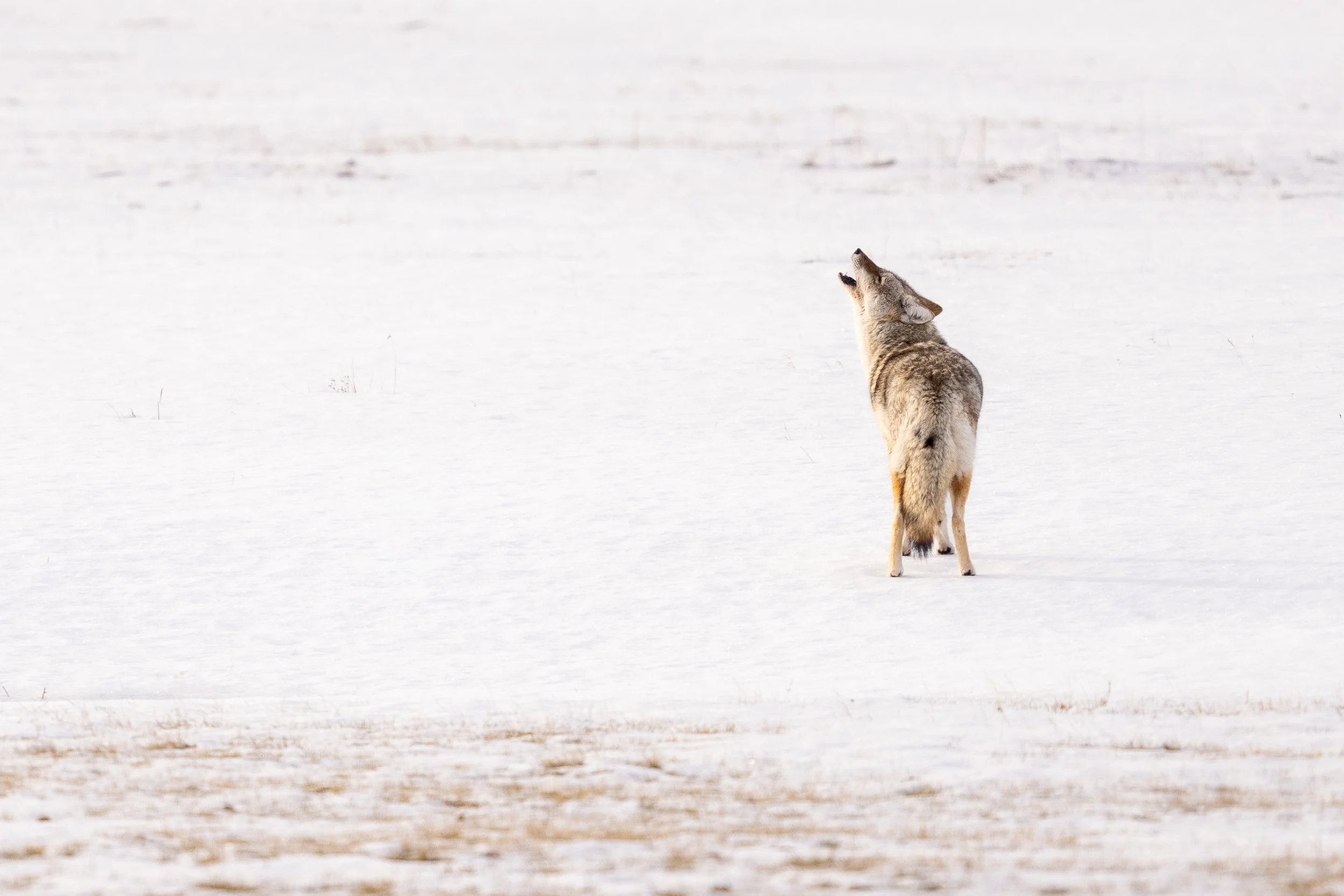
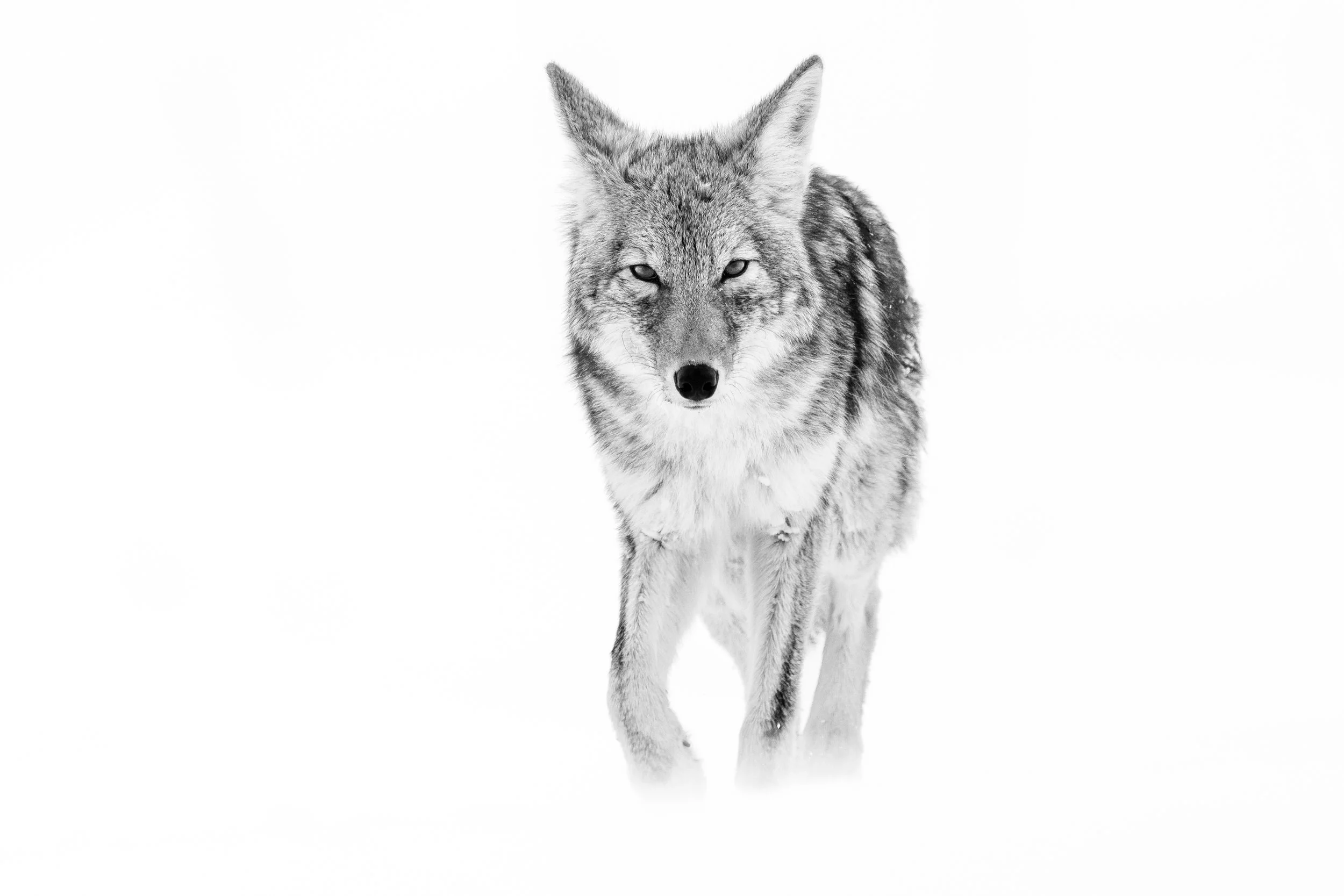
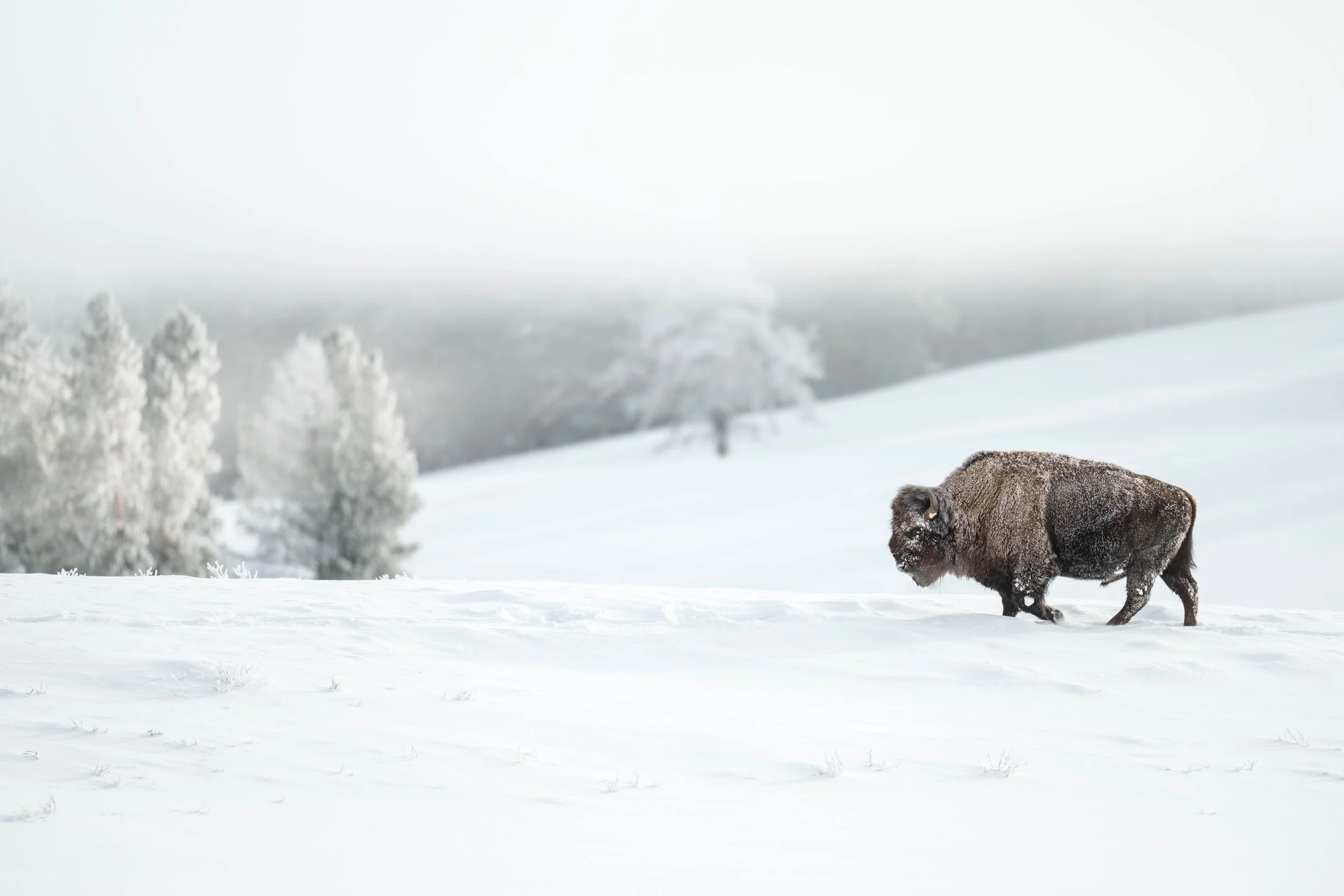
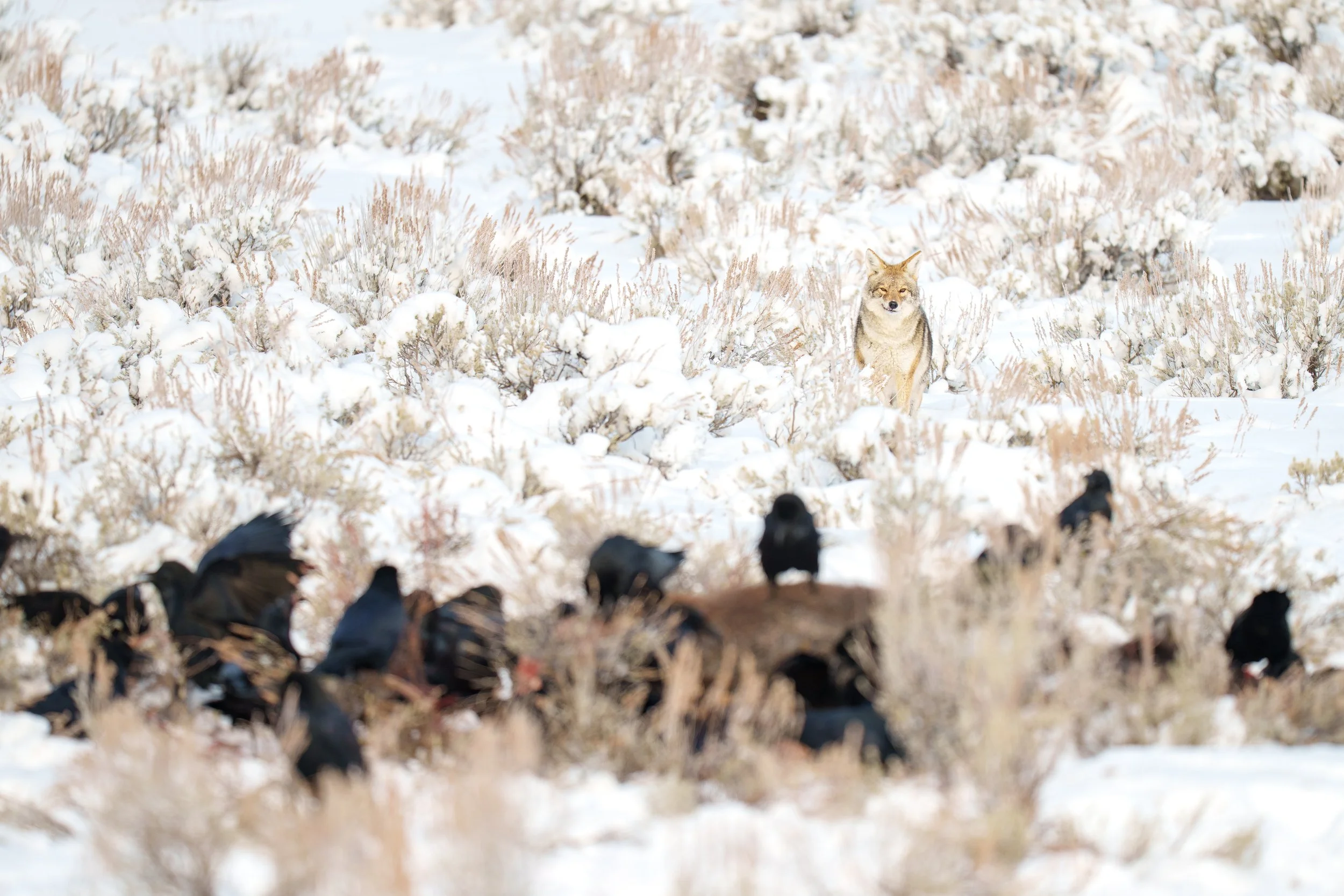
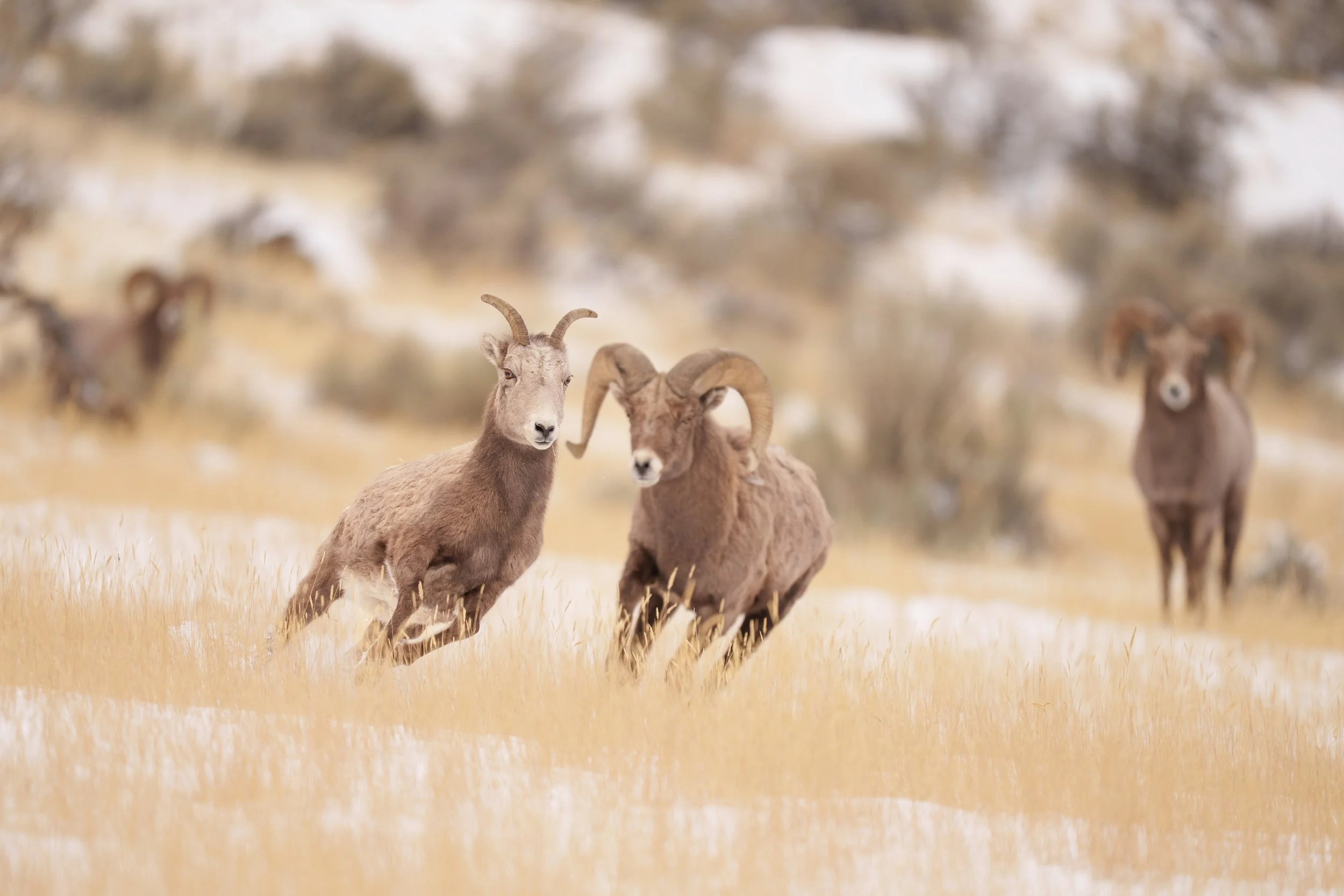
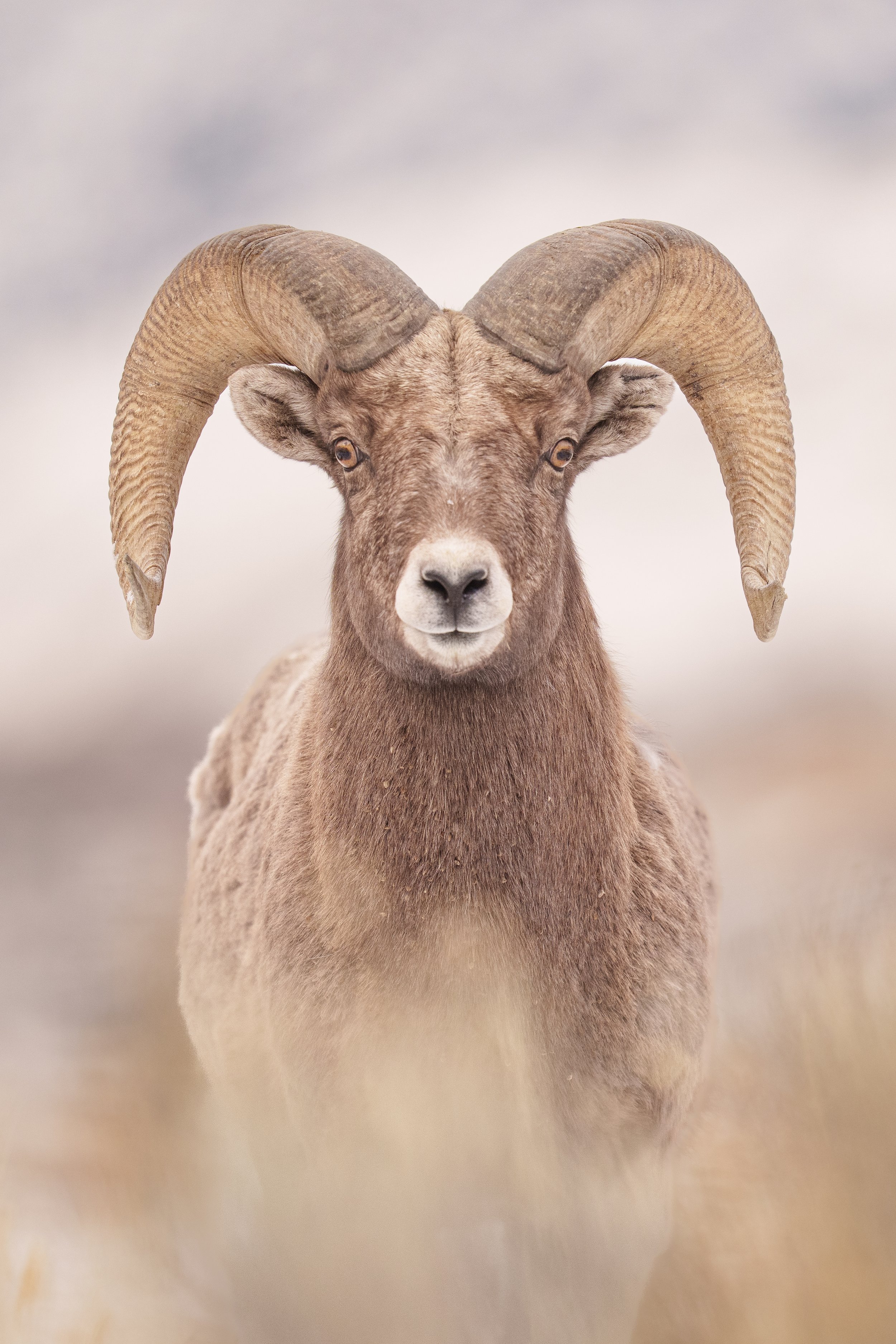
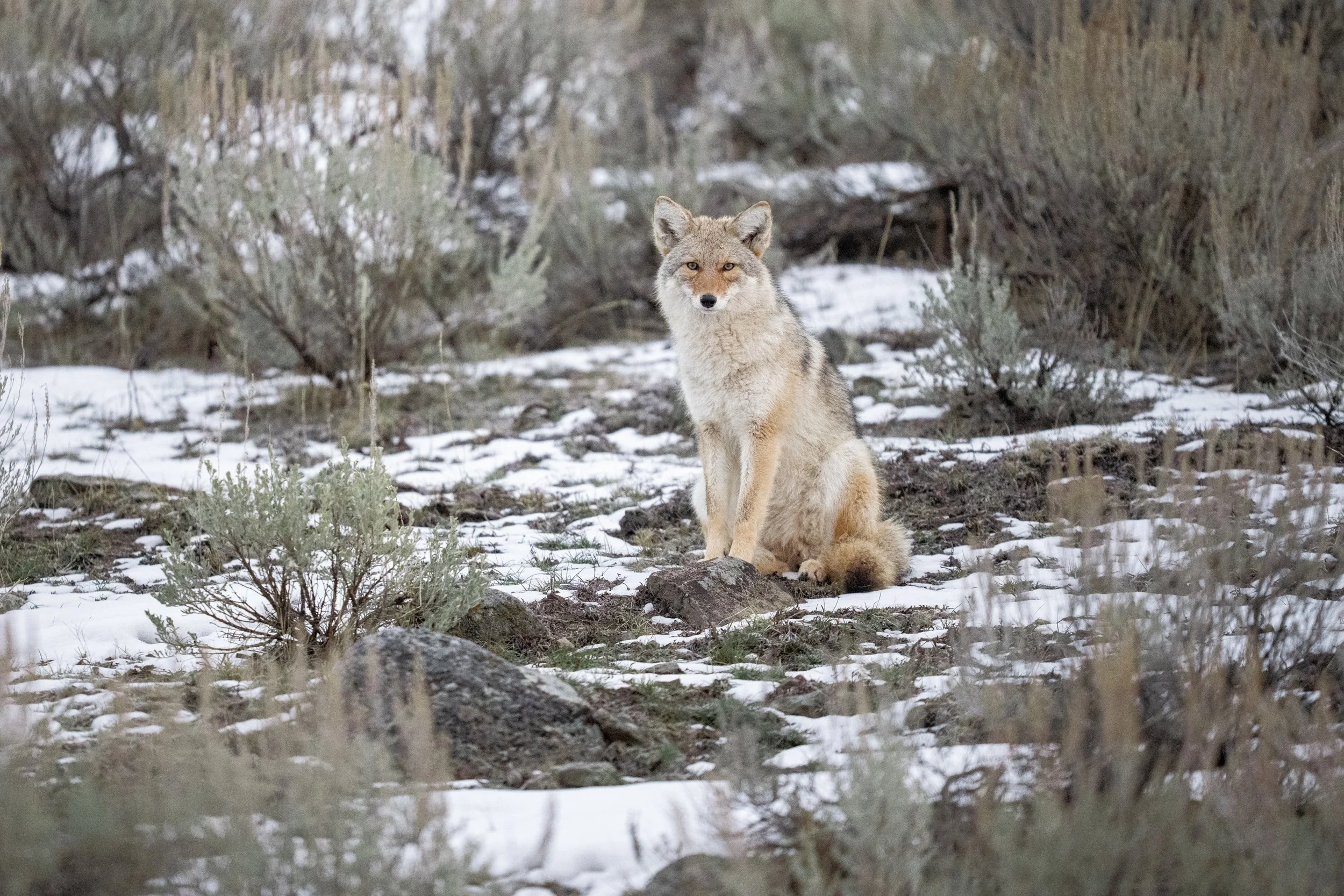
Winter is the season that strips Yellowstone down to just the essentials. The two million-plus visitors who crowd the roads in the summers are long gone. The bison that spend the summertime dispersed across millions of acres have moved into the lower elevations and river valleys where the thermal ground keeps the grass a little more accessible and the air carries the breath of a still-active volcano beneath their hooves. Moose move into the willows, bighorn sheep leave their cliffs during the daytime, and fox and coyotes patrol the subnivean zone around the sage brush for prey.
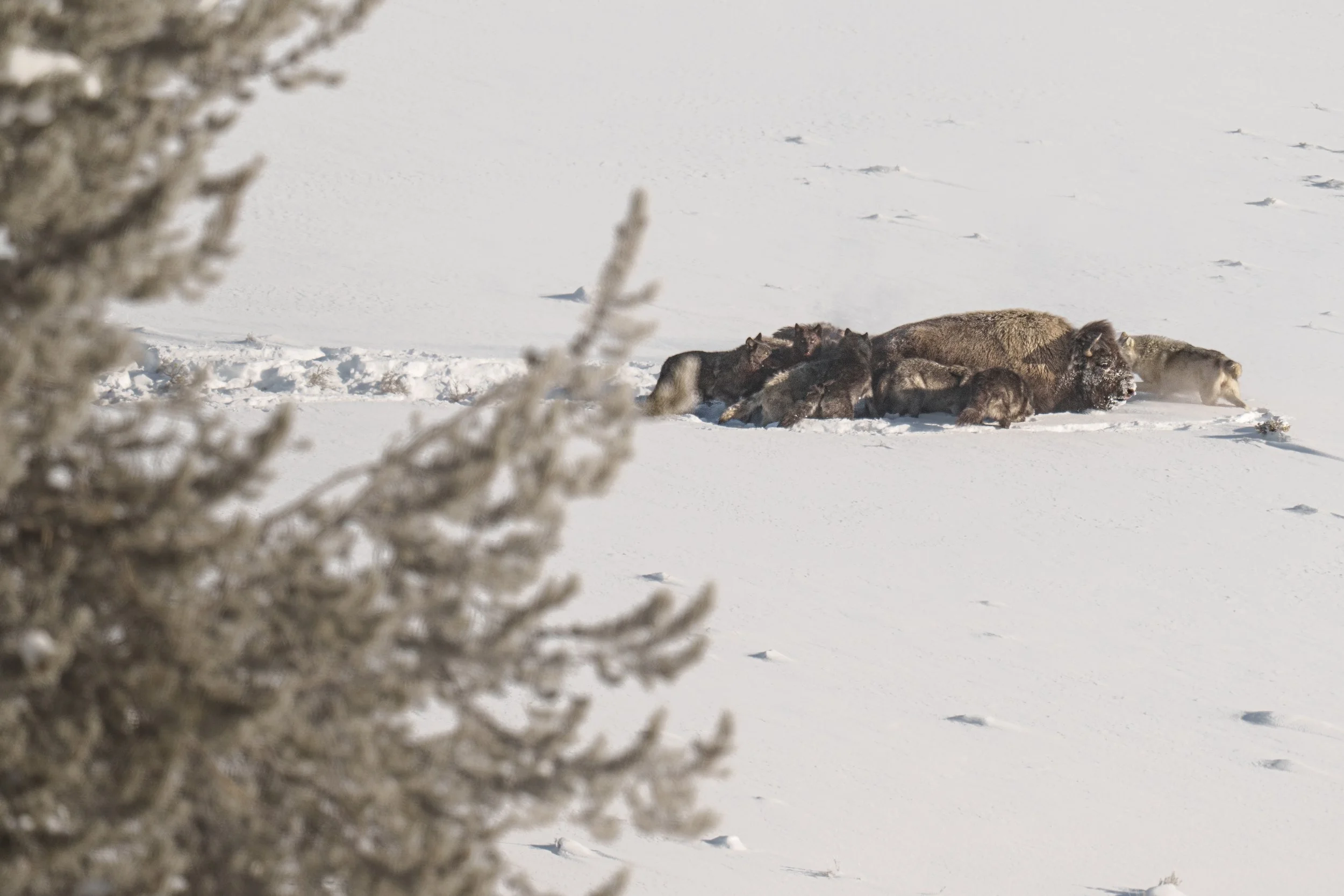
Then there are the wolves. Wolf predation ecology in winter is one of the more remarkable things a wildlife photographer can witness. Deep snow gives the legendary wolves of Yellowstone a physics advantage over their prey, the ungulates. Elk and bison, with their weight distributed over hooves, punch through the crust. But the wolves, with their lighter bodies running on four broad paws spread wide, float across the surface with an almost magical ease.
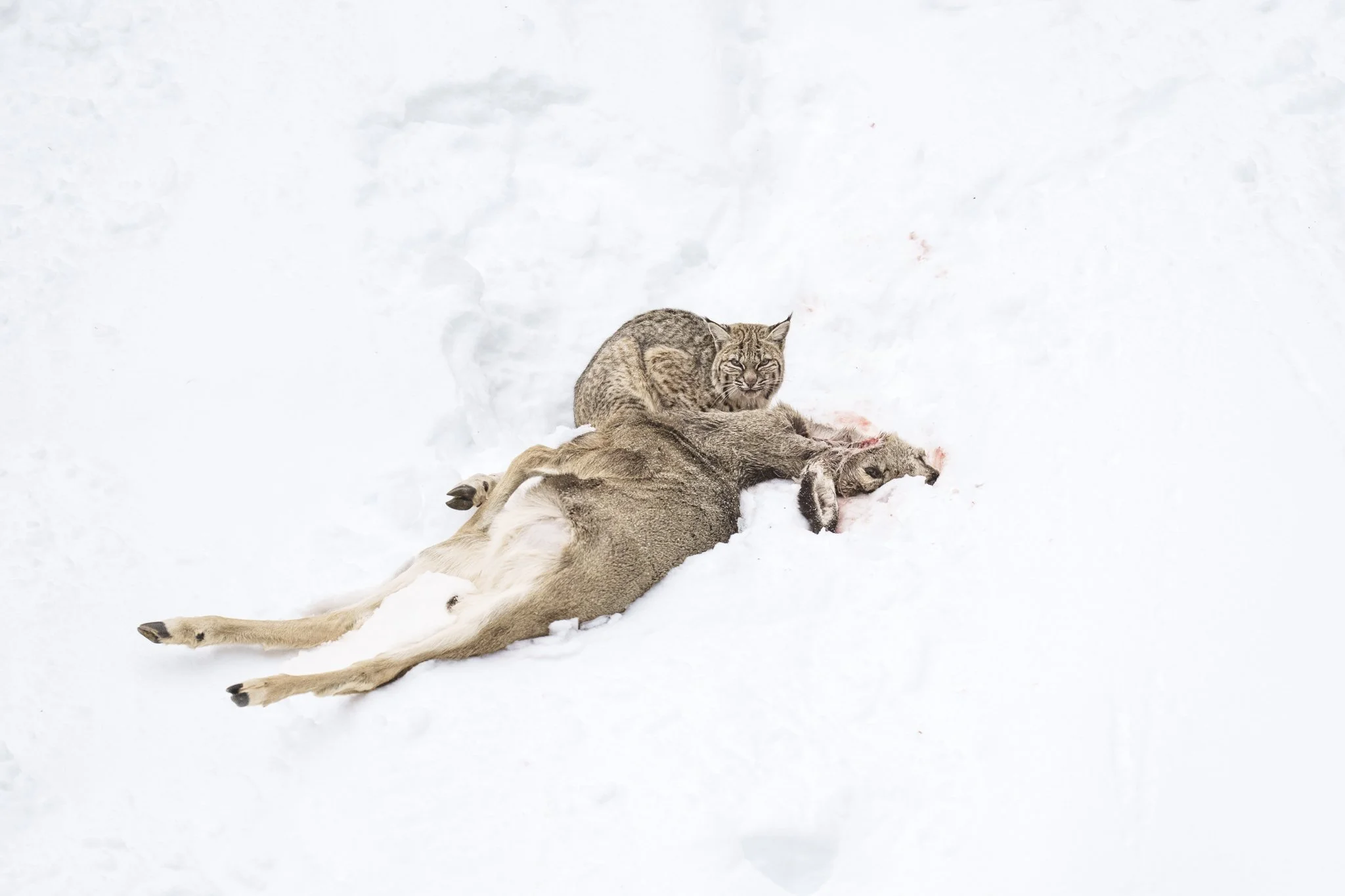
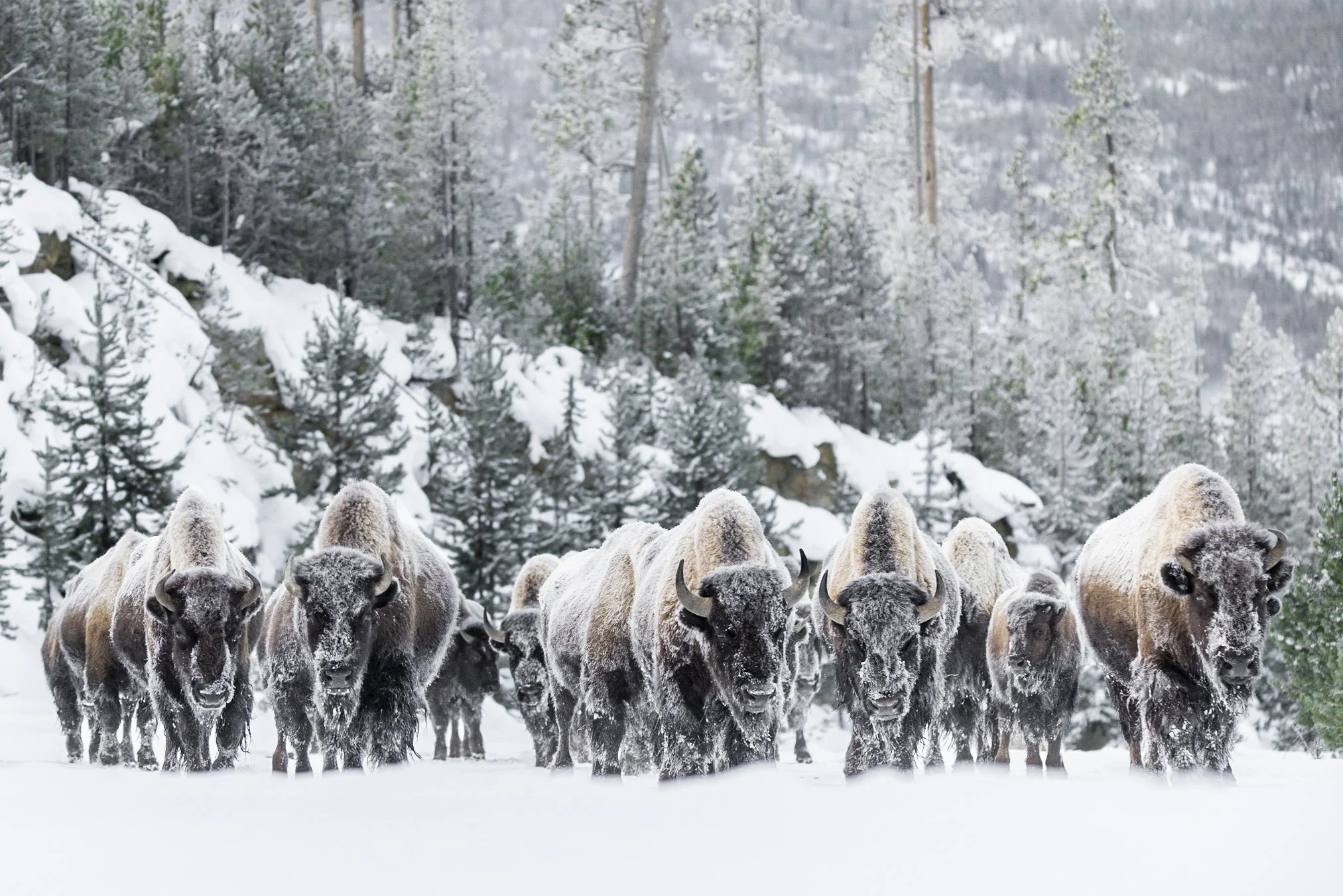
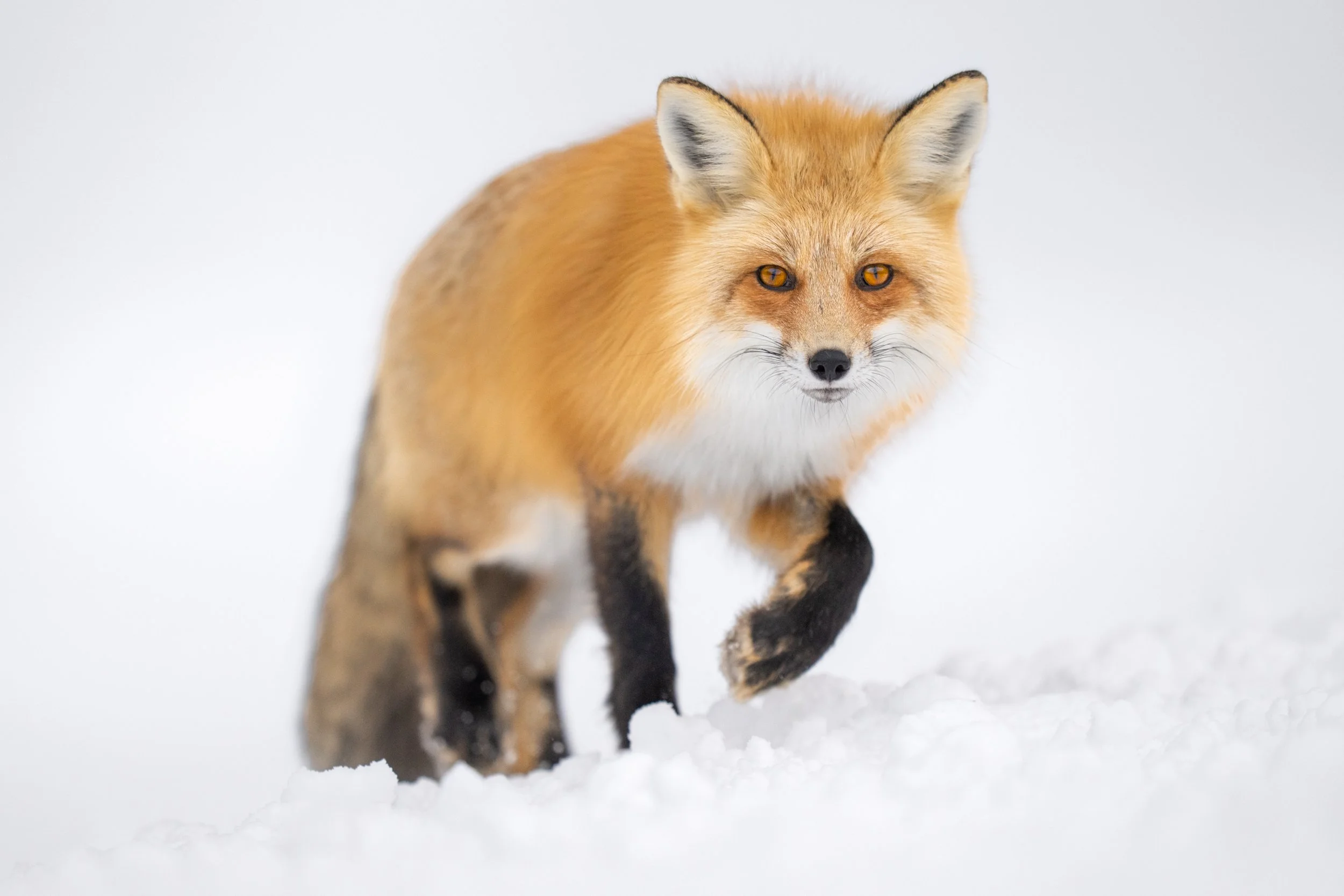
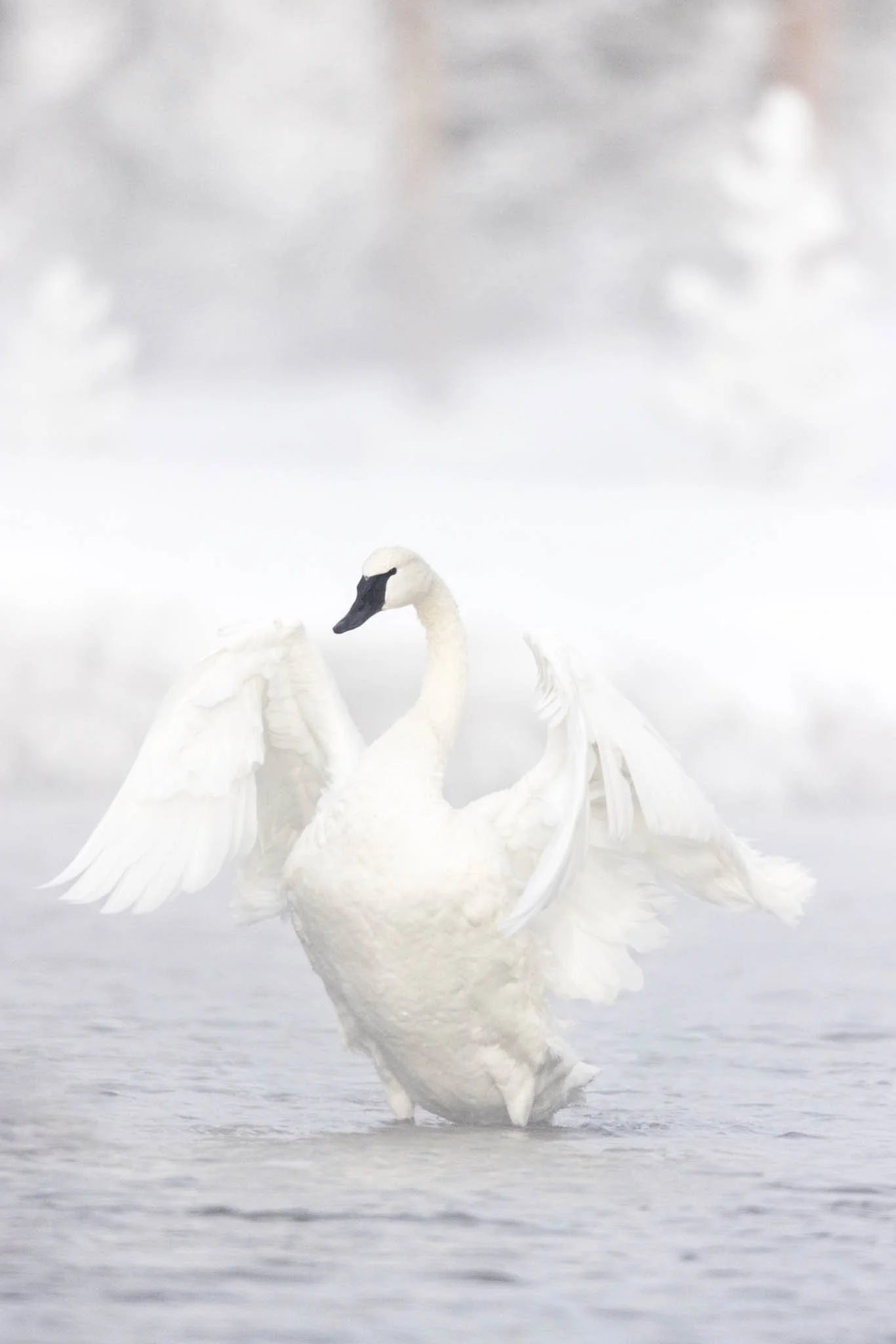
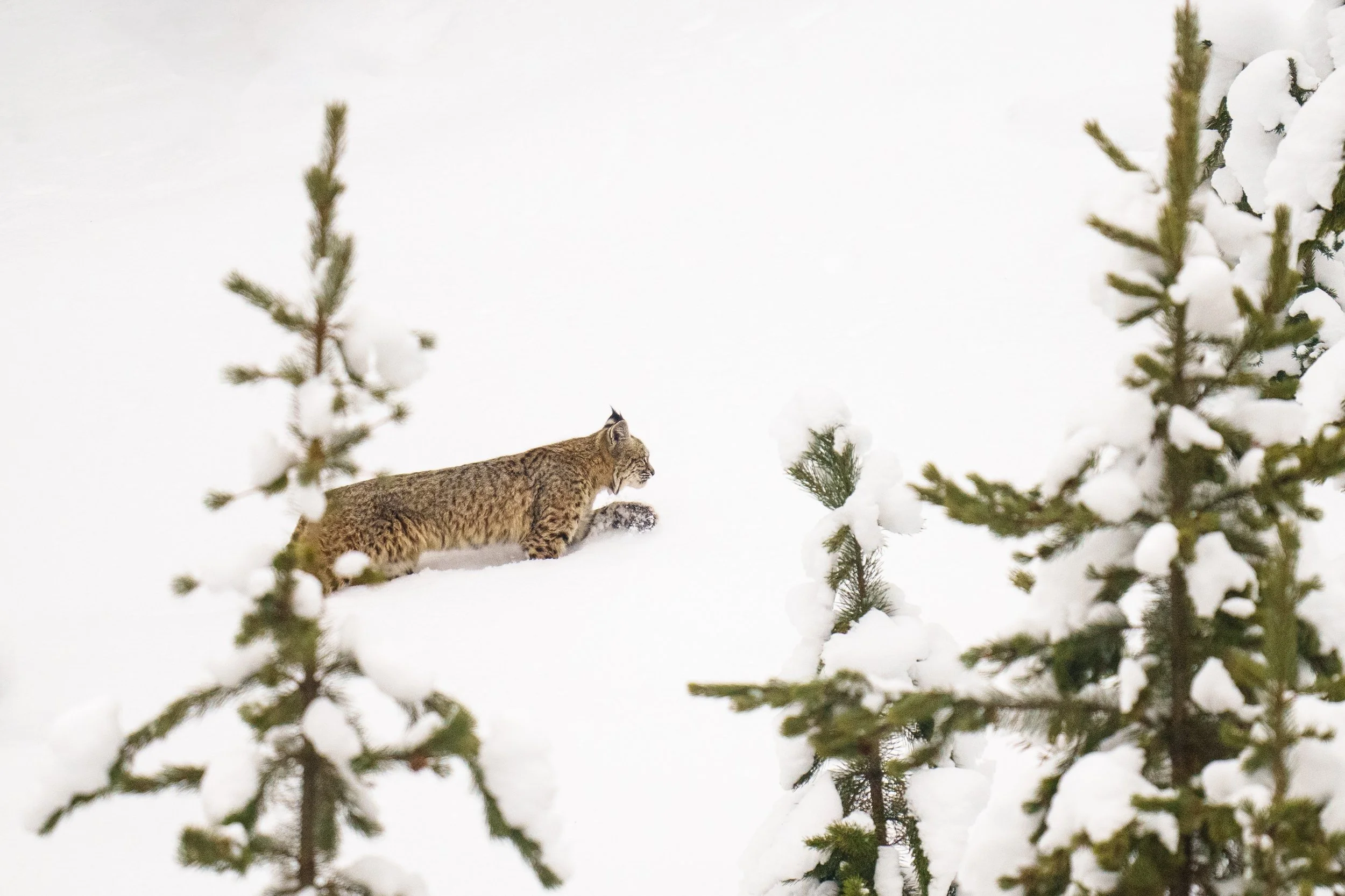
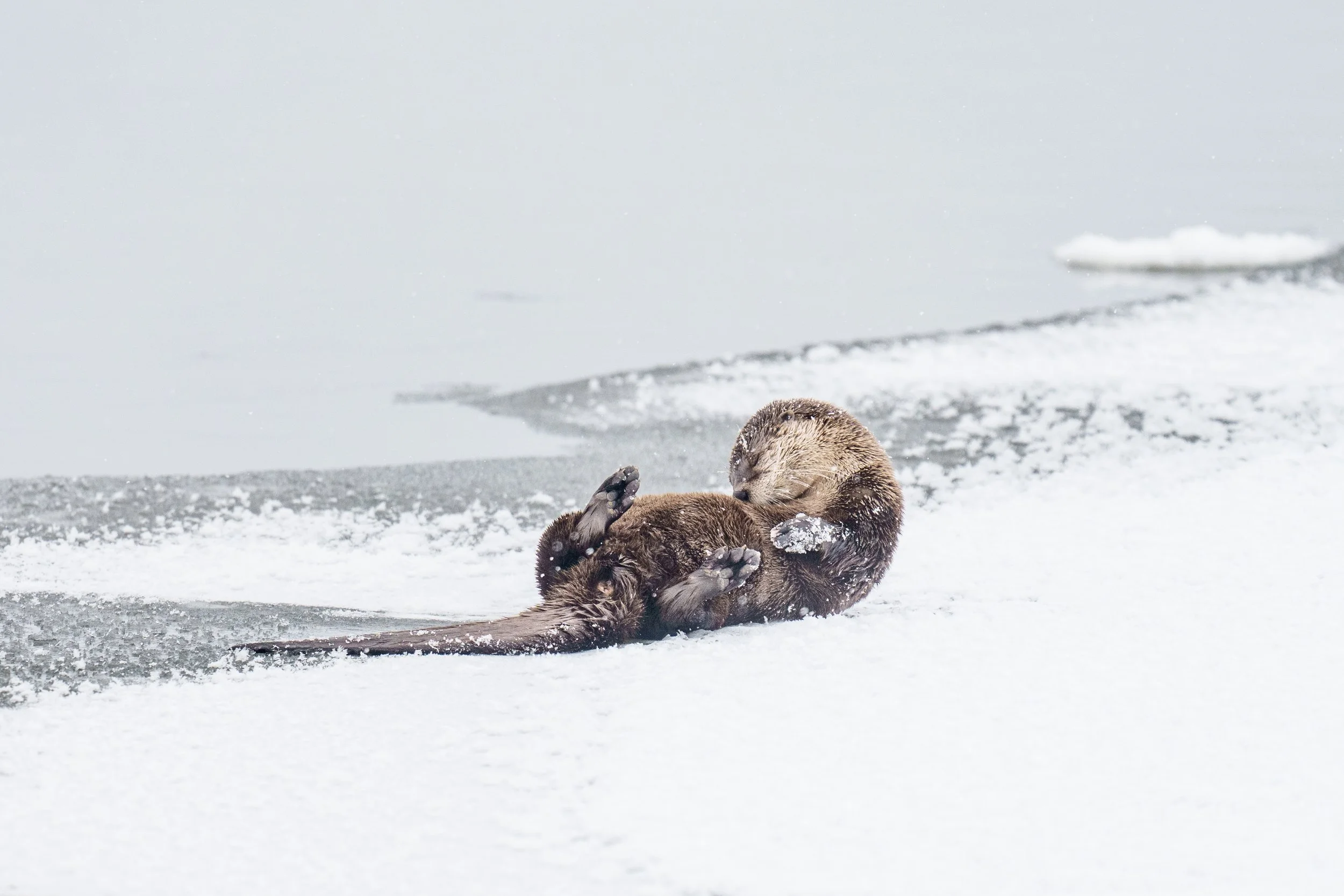
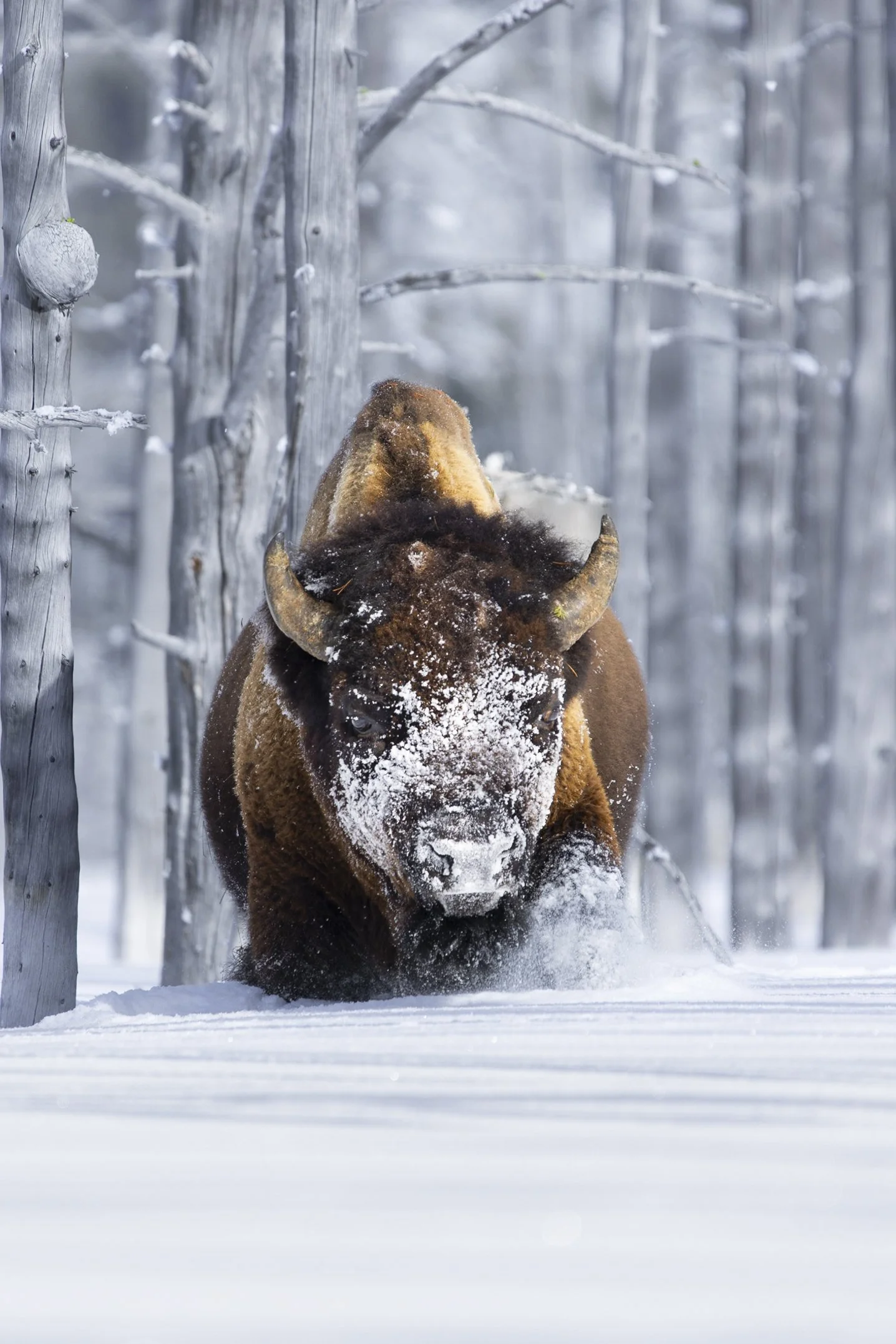
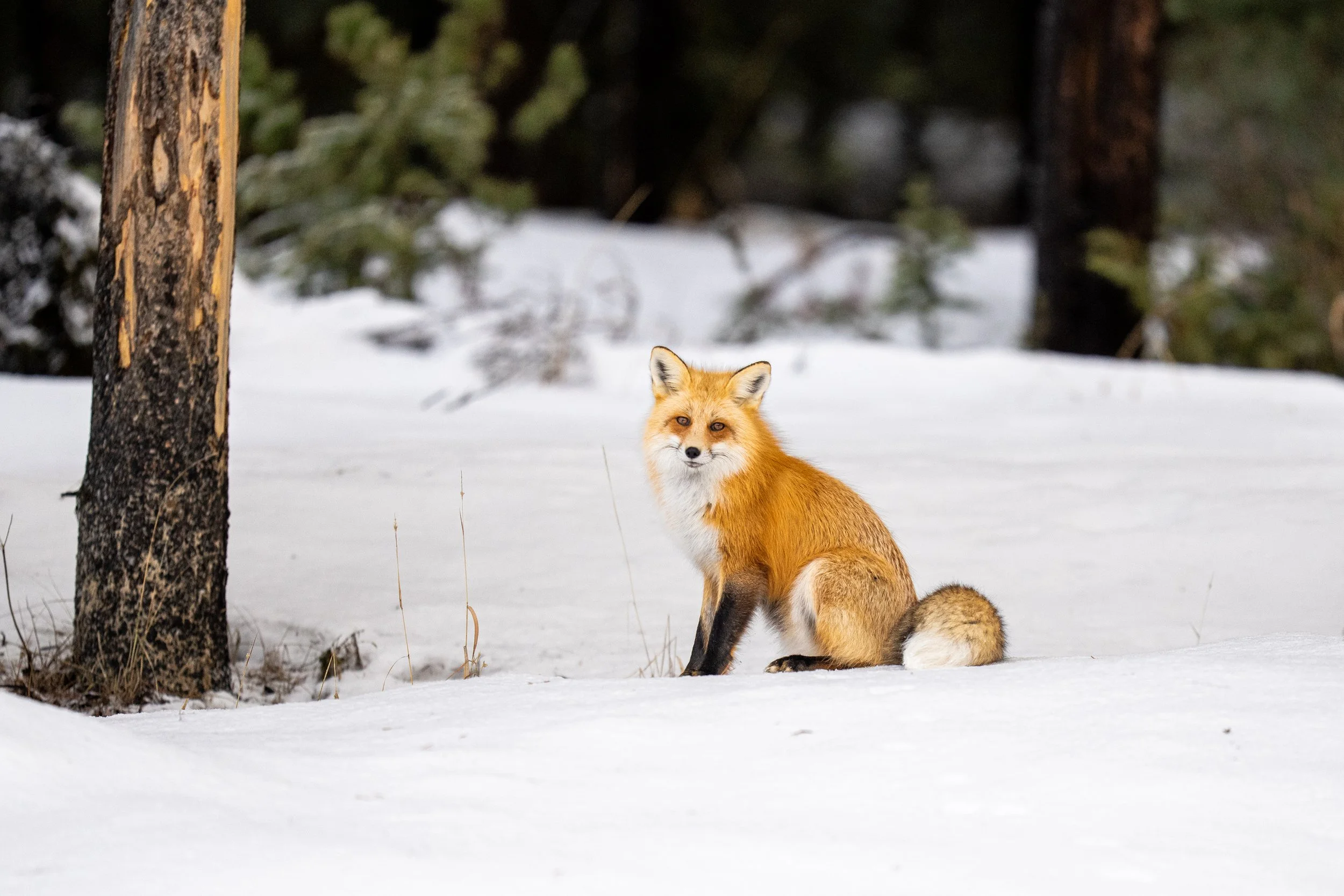
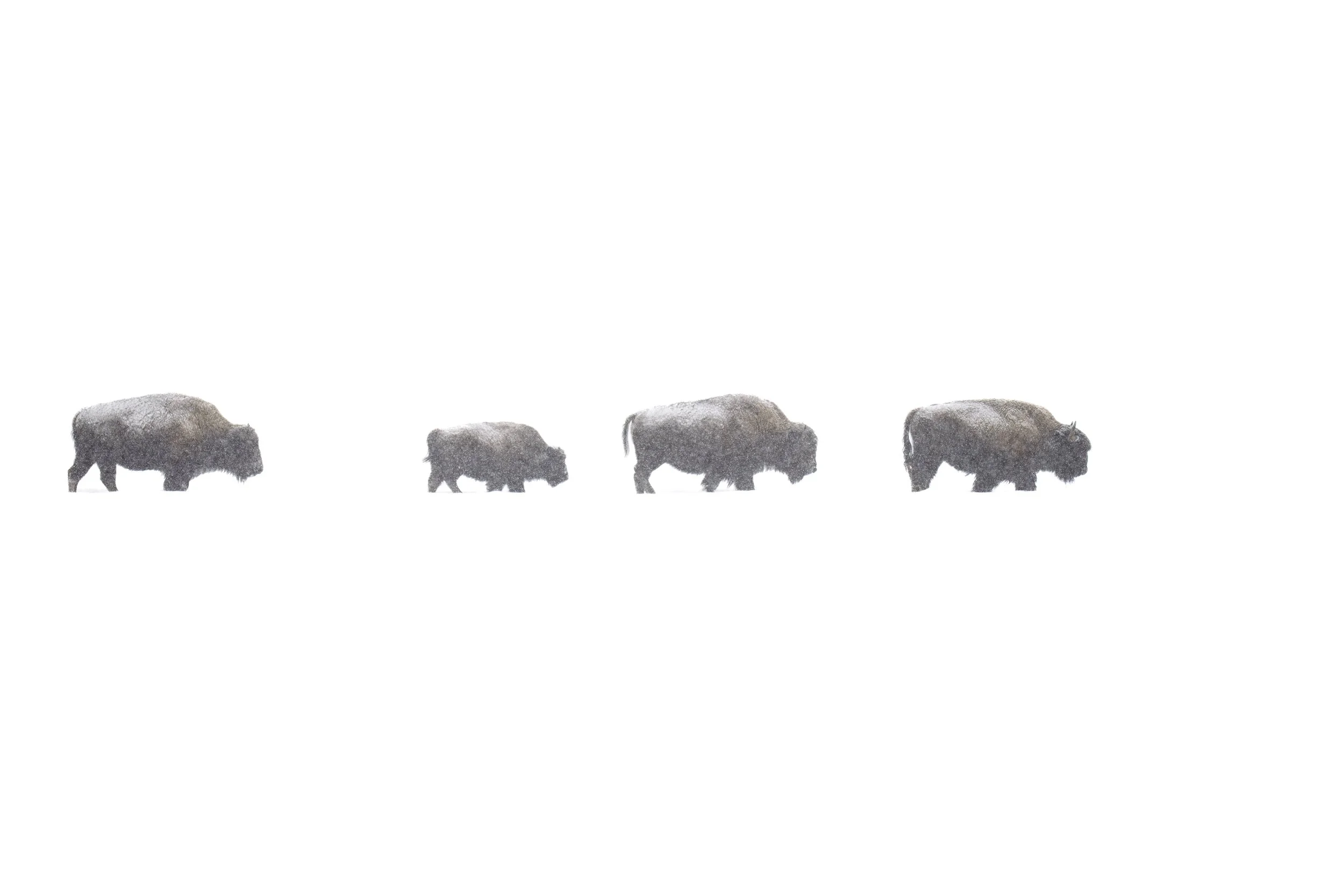
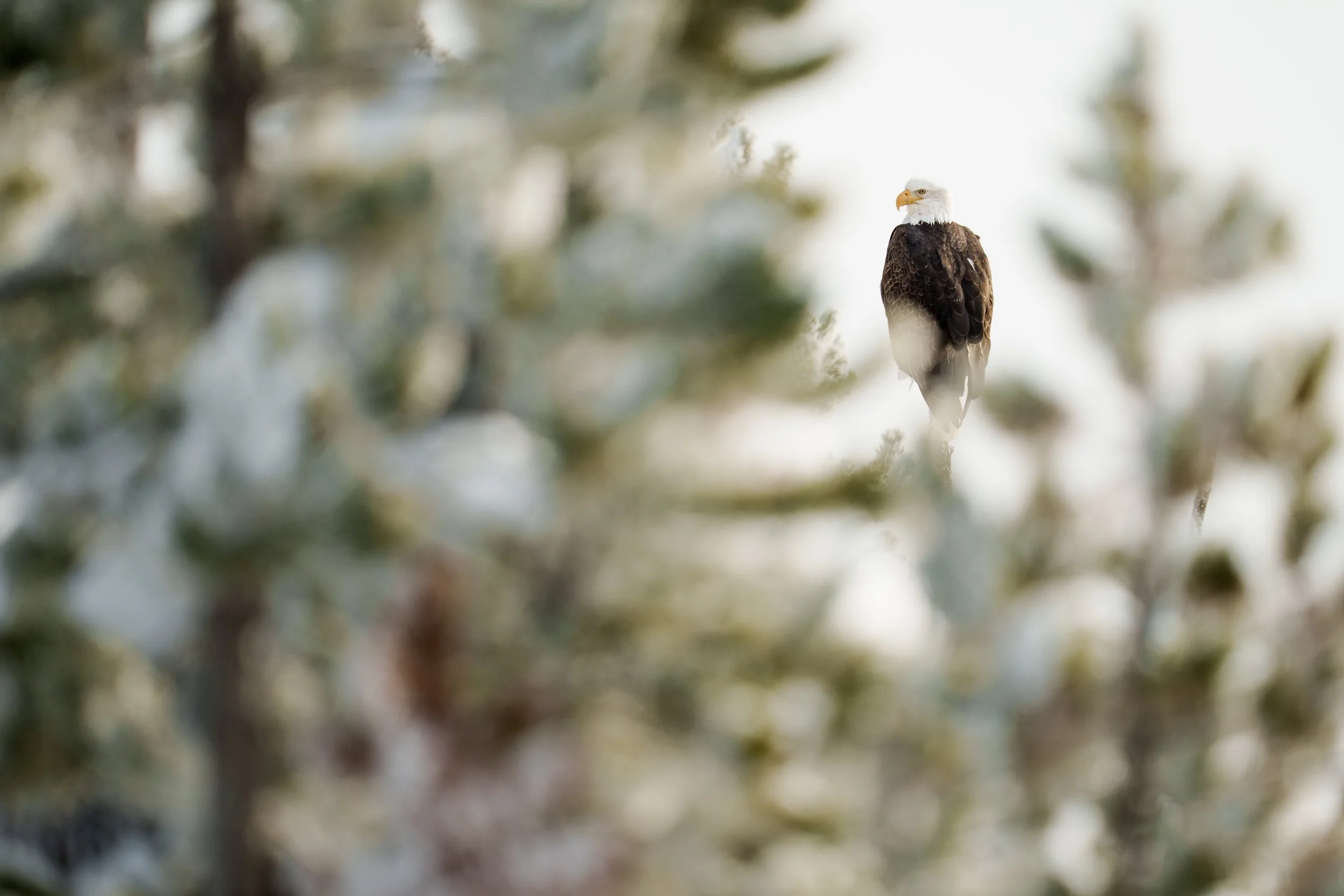
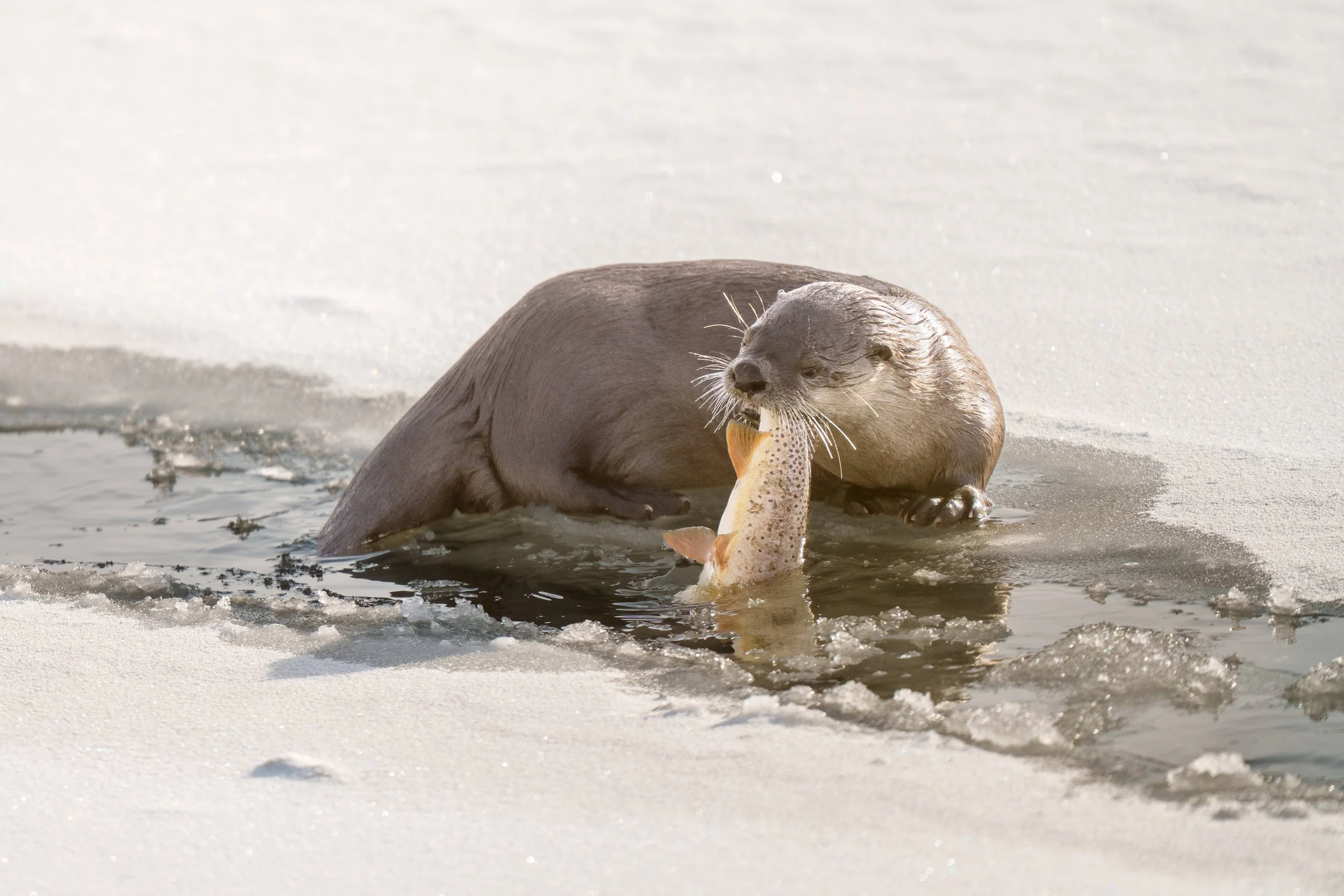
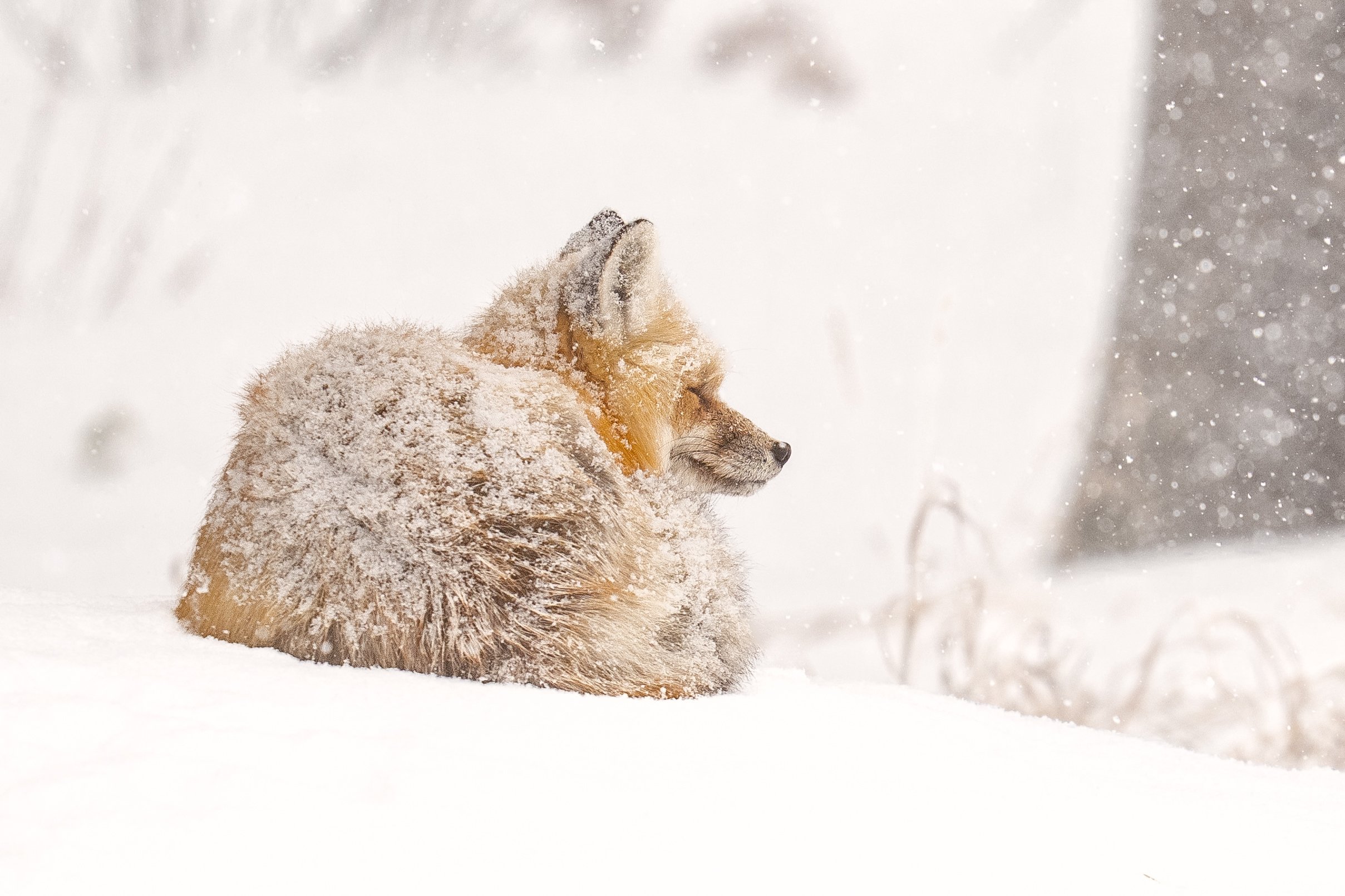
But Yellowstone is not just about the wolves. It is bobcats prowling the boulder-strewn banks of the Madison River, invisible until they are not. It is red fox in full winter coat, moving through the snow, pausing, listening, then launching straight down through three feet of powder after a vole they heard but could not possibly have seen. It is bison standing in blizzard conditions with snow caked into their woolly foreheads, patient in a way that suggests they have been doing this longer than we’ve been watching — which, of course, they have. It is trumpeter swans on the geothermically warmed stretches of water, river otters working the edges of open water in the Lamar Valley, and bald eagles clustered in the cottonwoods.
I have spent the last five winters leading photographers through this ecosystem, and I can tell you with some confidence that every year is a new and different experience, magical in its own way. The diversity of large mammals in the Greater Yellowstone Ecosystem is unmatched in the Northern Hemisphere outside of a handful of African parks, and in winter, when snow concentrates that diversity into the thermal corridors and valley bottoms, the photographic opportunities are simply astounding.
Two Landscapes, One Extraordinary Week
This workshop is structured around the fact that Yellowstone in winter is really two different photographic environments, each with its own character, its own wildlife community, and its own demands on the photographer.
The trip has two areas of focus: The northern range, based out of Gardiner, Montana, and West Yellowstone, with a focus on the interior of the park.
The northern range, made up of the Lamar Valley and the Yellowstone River corridor, is accessible by road in winter, which means we travel in a private Sprinter van, moving quickly and quietly when we need to, stopping the moment something happens. And things happen constantly here. The northern range is wolf country in the most fundamental sense. It is also where you’ll find the highest density of coyotes, along with red fox, raptors, bighorn sheep, elk, pronghorn, river otters, and anything else Mother Nature wants to send our way.
After three full days on the northern range, we transfer to West Yellowstone and shift into a completely different mode. The interior of Yellowstone is accessible only by snowcoach or snowmobile during the winter, no private vehicles allowed. For three days, we travel by private snowcoach, which gives us the flexibility to stop where we want, for as long as we want.
The interior takes us deep into the thermal basins, through the lodgepole forests, past the geyser fields where bison stand in clouds of steam so thick you sometimes have to wait for the wind to shift before you can make the frame. This is a different Yellowstone. Quieter, more remote, more elemental, this part of the park produces different images.
Together, the two halves of this workshop give you a more complete picture of what winter actually is in this ecosystem than any single-location workshop can provide.
GENERAL INFORMATION
INVESTMENT: $8,000 | Deposit $2000, then two payments of $3000
GROUP SIZE: Limited to 6
SKILL LEVEL: Beginners to Advanced
INCLUDED IN PRICE:
Single-occupancy lodging ($500 pp discount for shared occupancy)
Ground transportation to/from Bozeman airport on first and last days
Ground transportation for the northern range and snowcoach for interior
Instruction and guidance
Lunch each day, snacks in the vehicles
All entrance and park fees
NOT INCLUDED:
Transportation to/from Bozeman
Lodging outside of the workshop days
Alcoholic beverages
Items of a personal nature (e.g., laundry, souvenirs)
Travel insurance (highly recommended)
Gratuities for the snowcoach driver/guide
Incidentals incurred by participants at lodging
PHYSICAL DIFFICULTY: This itinerary is more about observation than physical exertion, with most of our wildlife photography happening roadside. Due to park guidelines, we are not hiking into any areas, though we may walk short distances occasionally.
The main physical aspects of this workshop are staying warm in the frigid winter temperatures that can be as chilly as -40°F and as warm as 40°F all in the same week. Participants will be given a workshop guide detailing recommended clothing and gear. While we can stay out in those temperatures for the right photo opportunities, we will also spend a lot of time inside the vehicles looking for wildlife.
INSURANCE: The weather in the Greater Yellowstone Ecosystem in winter can vary wildly. I strongly recommend protecting your investment with travel insurance. More details and recommendations are available inside the workshop registration portal.

ITINERARY
This general itinerary is designed to give you an overview of what to expect during your workshop. Winters in Yellowstone can be unpredictable and weather changes can happen quickly. Like all wildlife photography, where we work for the day inside of each part of the park will be based on real-time information and weather.
DAY ONE | Bozeman, Montana
Fly into the Bozeman airport (BZN). At 2pm, you’ll be met and transported by private Sprinter van south through Paradise Valley to Gardiner, Montana. This drive takes roughly 90 minutes under normal winter conditions, longer if we have high winds or flurries. The Yellowstone River runs alongside the highway and by the time we arrive in Gardiner, you will already feel the shift in scale that this place produces.
After taking some time to settle in, we’ll meet as a group for a briefing on the days ahead, and talk shop, going over some of the skills that will come in handy while we’re in the field. Then we’ll have a group dinner and retire early.
DAYS TWO, THREE, and FOUR | The Northern Range
We are out before first light each one of these mornings! The northern range rewards the early and the patient, and we will be both! Our private Sprinter van becomes our warm and comfortable mobile field station. Midday, when the light flattens and animals tend to rest, we’ll make a stop for lunch before heading back out until the light dictates our departure for the evening.
Where exactly we go during these days depends entirely on what the park is giving us. Wildlife moves, conditions change, territories shift. Each day will be a little different, but we’ll be well-prepared for whatever wildlife activity comes our way!
DAY FIVE | Transition to West Yellowstone
Taking advantage of the time mid-trip, we’ll get a later start this day (but not by much)! After breakfast at the hotel, we’ll hit the road north to Bozeman and then west and south to West Yellowstone, Montana, a small town that exists almost entirely in service of Yellowstone’s western entrance and the operations that launch from here. We’ll check into our hotel, have dinner, and review the game plan for the coming days on the snowcoach in the interior of the park.
DAYS SIX, SEVEN, and EIGHT | Interior by Private Snowcoach
Once you cross into Yellowstone from the west entrance in winter, the world changes completely. The roads are groomed for snowcoaches and snowmobiles only, and we will spend the next three days in our own private snowcoach. We stop when and where we want, and we can linger for two hours on a single animal in good light if that’s what the day calls for. Our driver knows the terrain the way only someone who has spent hundreds of hours moving through it in winter can, and combined with my own years on the ground here, we’ll make smart decisions about where our time is best spent. Thermal basins steaming in cold air, bison moving through the lodgepole forests like slow dark ships, Rocky Mountain trumpeter swans on open stretches of water, wolves, bobcats on the Madison — it’s all possible on this side of the park.
DAY NINE | Departure
After breakfast, we transfer back to Bozeman to say our farewells. The drive is timed to have you at the Bozeman airport no later than early afternoon, with time built-in for the unpredictability that winter roads in Montana occasionally insist upon. Plan your departure for flight for 1:00 PM or later.
We do our best to adhere as closely as possible to the planned itinerary, but it is subject to change due to requirements from our vendors and travel partners, force majeure, safety, and other unforeseen circumstances.FAQs
-
Once you fill out the form and indicate you’re ready to secure your spot, we’ll send you our registration paperwork along with an invoice for your deposit. When the paperwork is complete and the deposit has been paid, you are officially registered!
While you’re waiting for your departure time to arrive, you’ll receive our Winter in Yellowstone Guide, which goes over a more detailed itinerary, gear recommendations, clothing recommendations, and has a packing list.
-
This itinerary is more about observation than physical exertion, with most of our wildlife photography happening roadside. Due to park guidelines, we are not hiking into any areas, though we may walk short distances occasionally.
The main physical aspects of this workshop are staying warm in the frigid winter temperatures that can be as chilly as -40°F and as warm as 40°F all in the same week. Participants will be given a workshop guide detailing recommended clothing and gear. While we can stay out in those temperatures for the right photo opportunities, we will also spend a lot of time inside the vehicles looking for wildlife.
-
As is the saying, “There is no such thing as bad weather, just bad clothing.”
A complete guide to packing for comfort and warmth will be provided to photographers on the trip. The key is layers, understanding what each layer does, and how to put it together. While we may “sit” on a photo opportunity for a long while if the situation arises, the majority of the time we will be going in and out of heated vehicles and we’ll always be within a short walk to our vehicle, too. As such, proper clothing is important and I’ll guide you through it, but few and far between are the times we’ll be braving the elements for too long. -
Included in the price of the workshop is single-occupancy lodging, both in Gardiner and in West Yellowstone. A discount is offered to friends/partners who opt to share a room.
Lunch is included every day to make logistics in the field easy, but breakfast and dinner are not included. Most people opt to keep something in their fridge/room for breakfast in Gardiner and get something to go or do the buffet in West Yellowstone. Both hotel locations have a restaurant on site, and we’ll do meals at those places on field days. -
We understand that cancelling a long-anticipated trip is disappointing. But we, too, plan far ahead before each departure and continuously send non-refundable payments to hotels, other suppliers, and travel partners. Therefore, we must strictly adhere to the cancellation and refund policy. We strongly suggest that you purchase travel insurance in the event that your travel plans change or you need to cancel your trip. The following are the terms of our cancellation and trip change policy:
Cancellation & Refund Policy:
• Deposits are non-refundable after a 10-day grace period.
• If you cancel within the grace period, we will refund your deposit to the original form of payment, minus a $250 administrative fee and any payment processing fees incurred.
• After the grace period, no refunds will be issued unless we can fill your spot. If we can fill your spot, we will issue a refund minus a $250 administrative fee and any payment processing fees incurred. Refunds will be issued once the replacement deposit has cleared.
Final Payment Deadlines:
• U.S.-based workshops: Final balance is due 90 days before the start date unless otherwise indicated.
• International workshops: Final balance is due 120 days before the start date unless otherwise indicated.
By booking, you acknowledge and accept these terms. If you have any questions, we’re happy to help clarify.