
UNTAMED BRazIL: The Amazon and The Pantanal
Experience the magic of Brazil’s Pantanal and Amazon region, where savannah, wetland, and rainforest seamlessly blend together and create one of the most ecologically significant and biodiverse regions on Earth—3,500 different plants, 400 kinds of fish, more than 100 mammal species, and hundreds of reptiles and amphibians, and more. Covering more than 75,000 square miles across Brazil, Bolivia, and Paraguay, the Pantanal is the world’s largest wetland, and this workshop is designed around exploring the best of the north and south portions of this incredible wonderland.
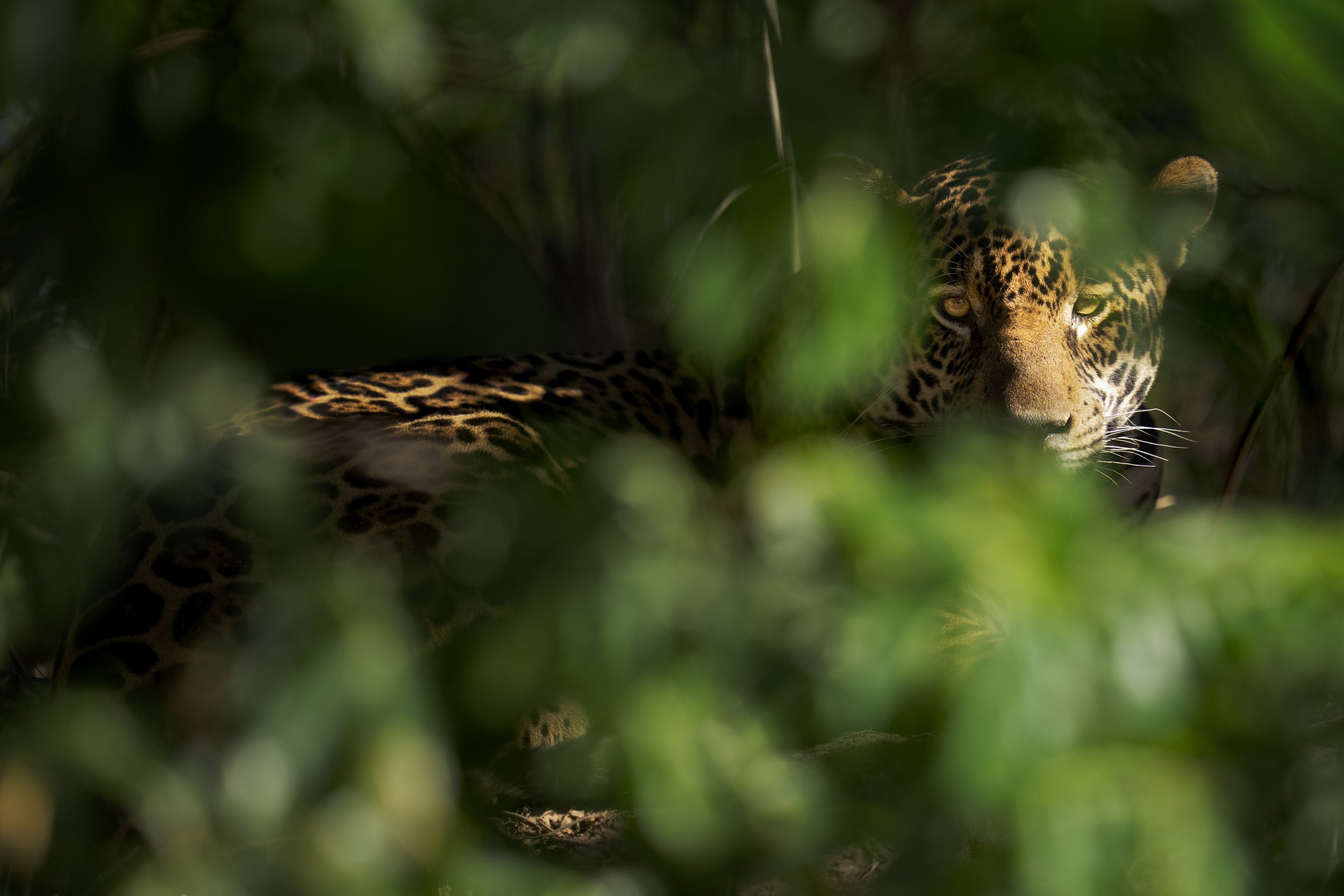
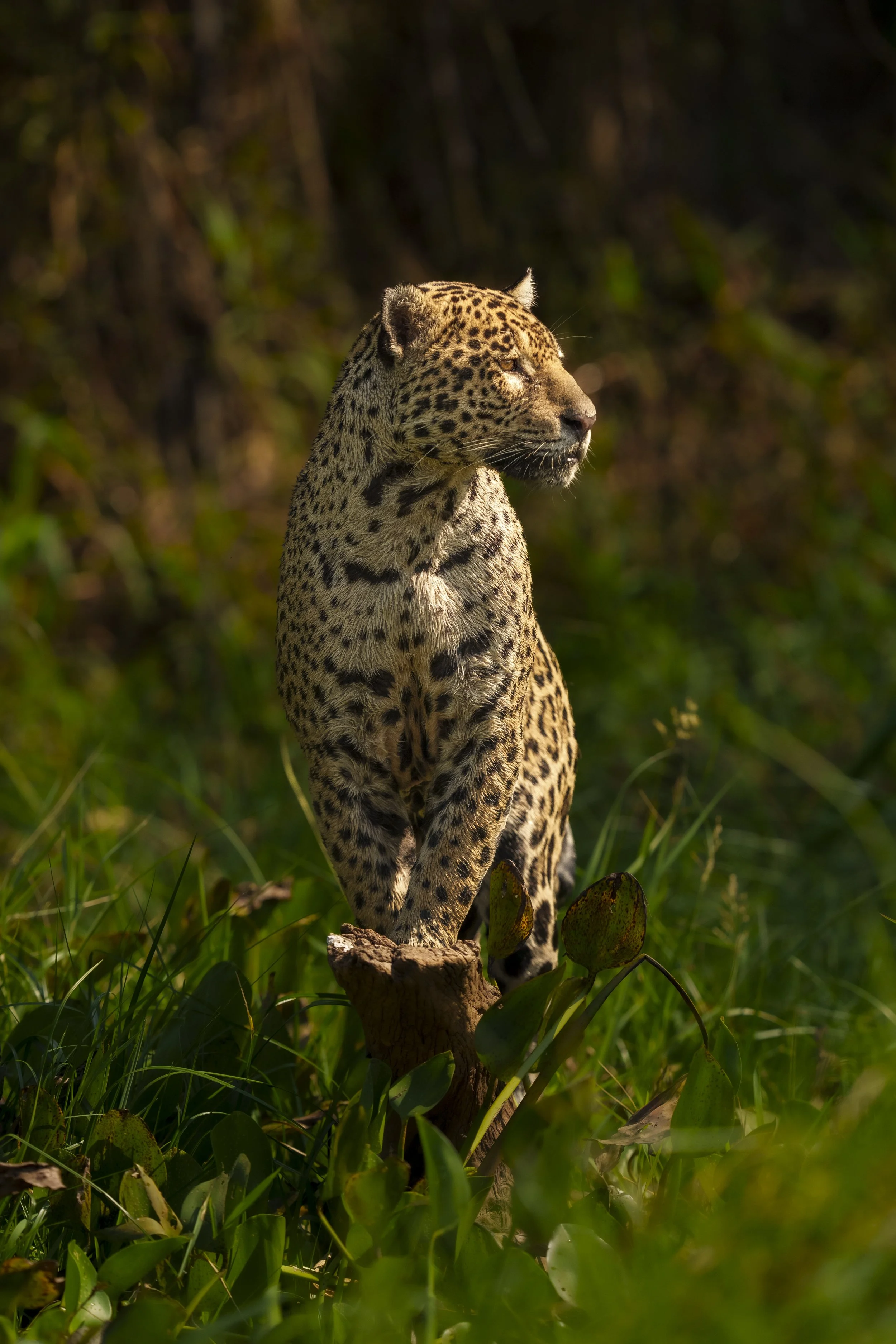
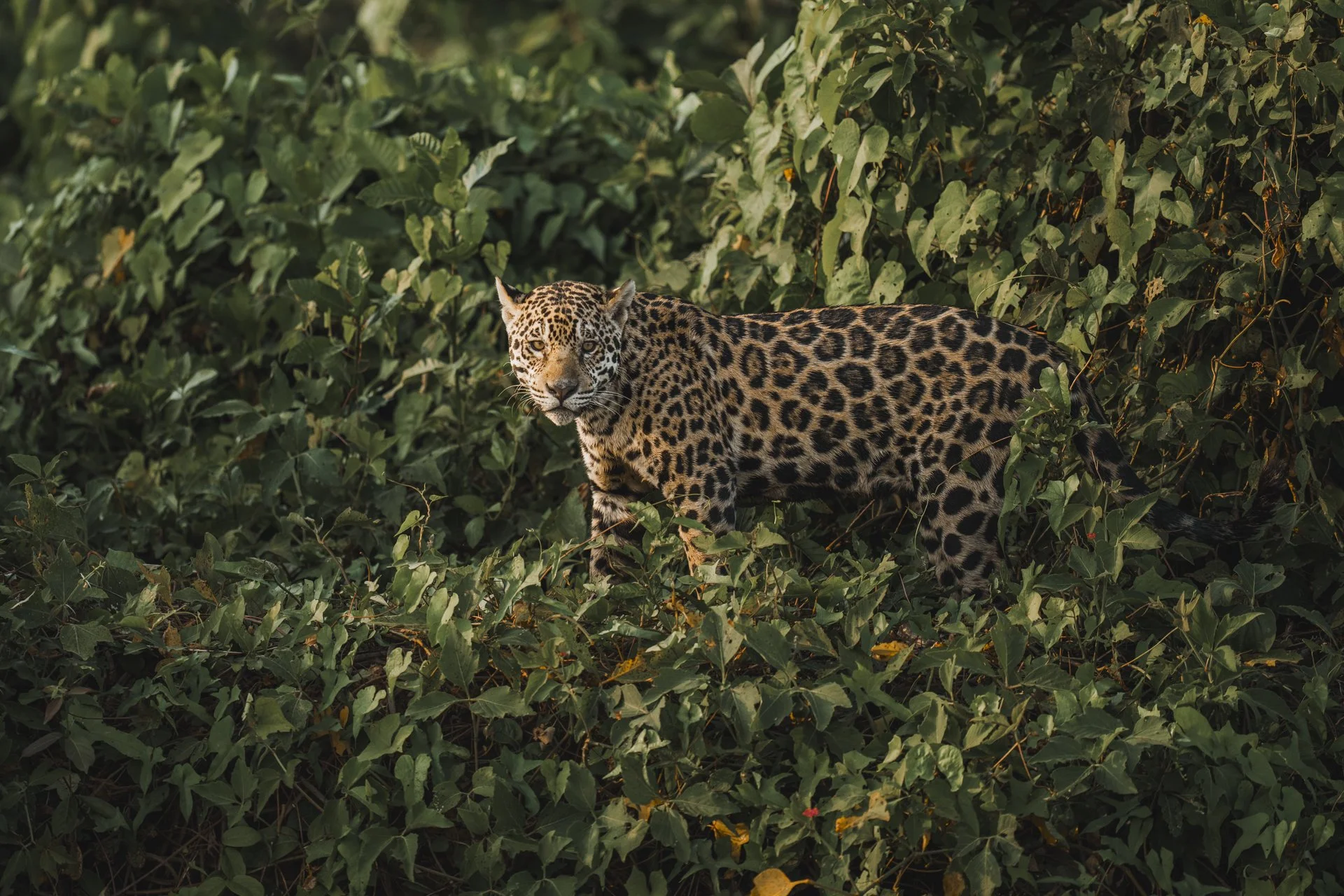
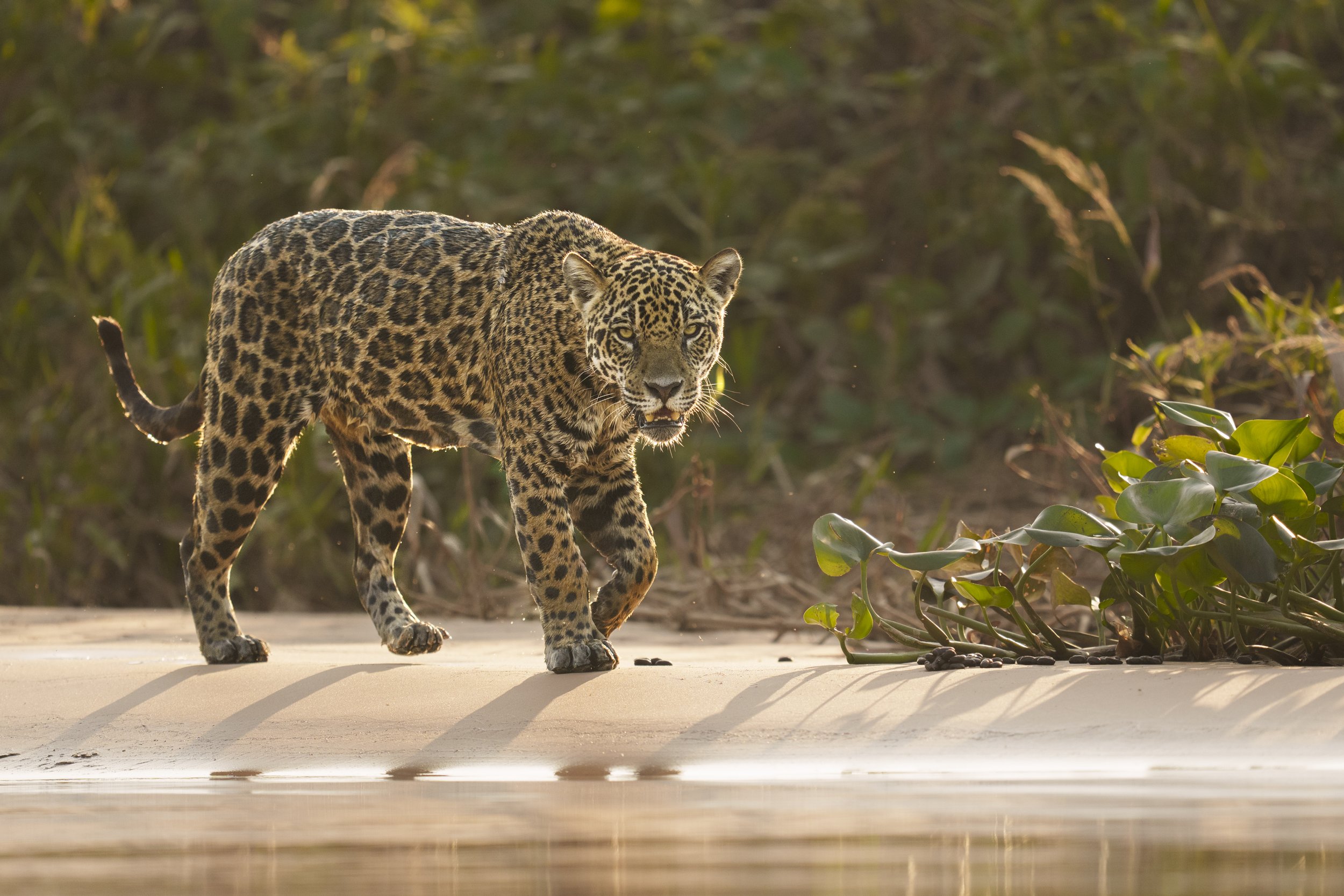
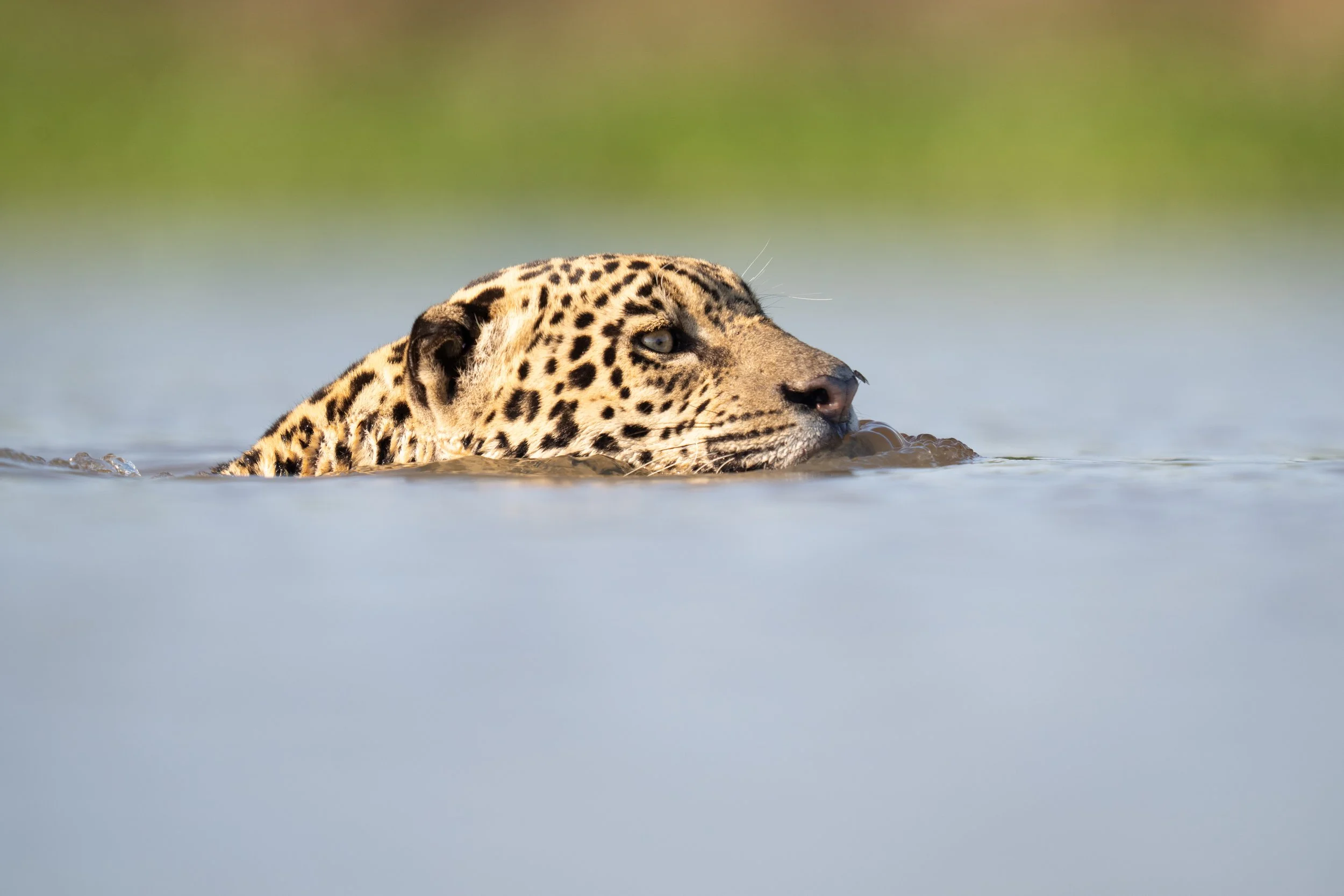
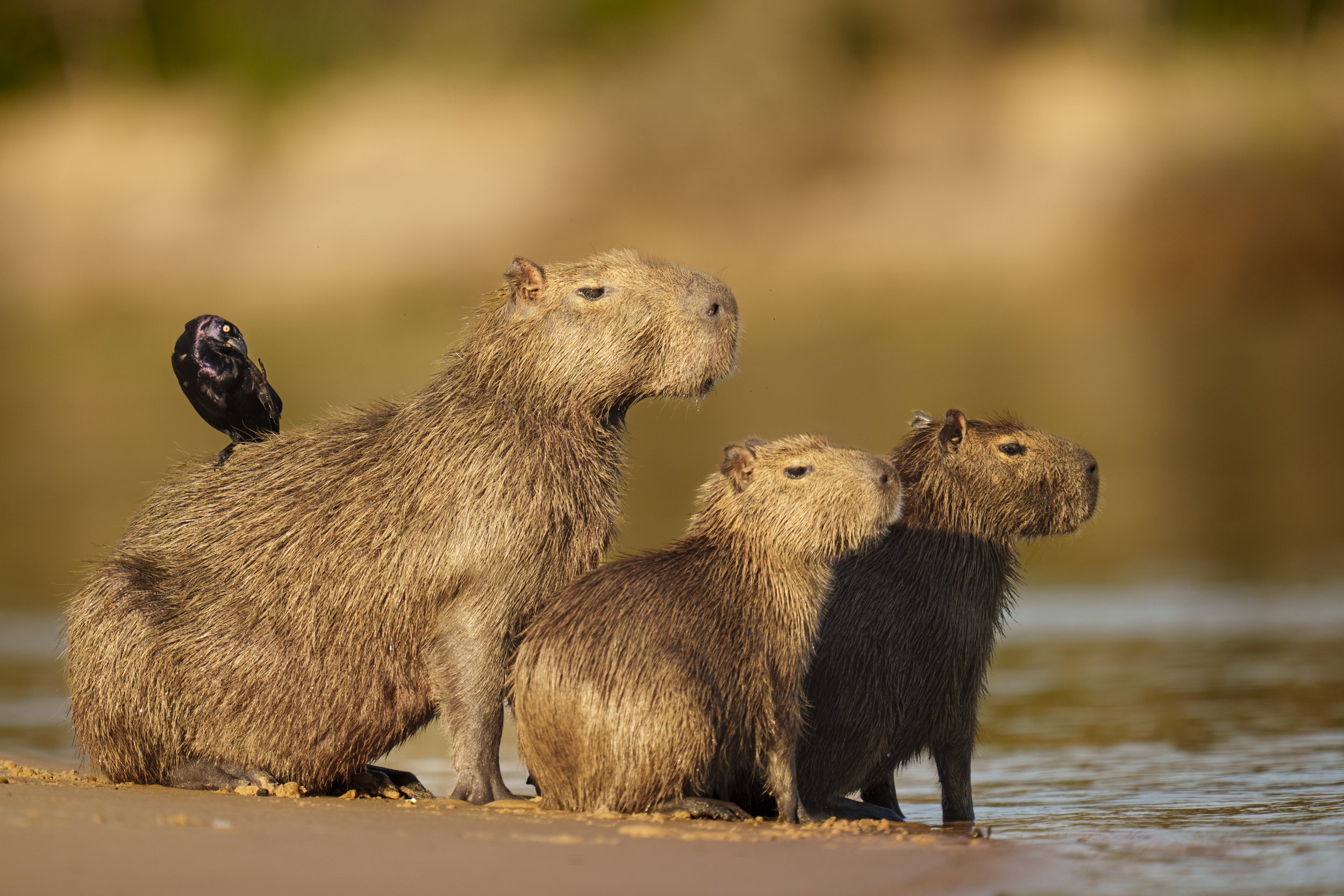
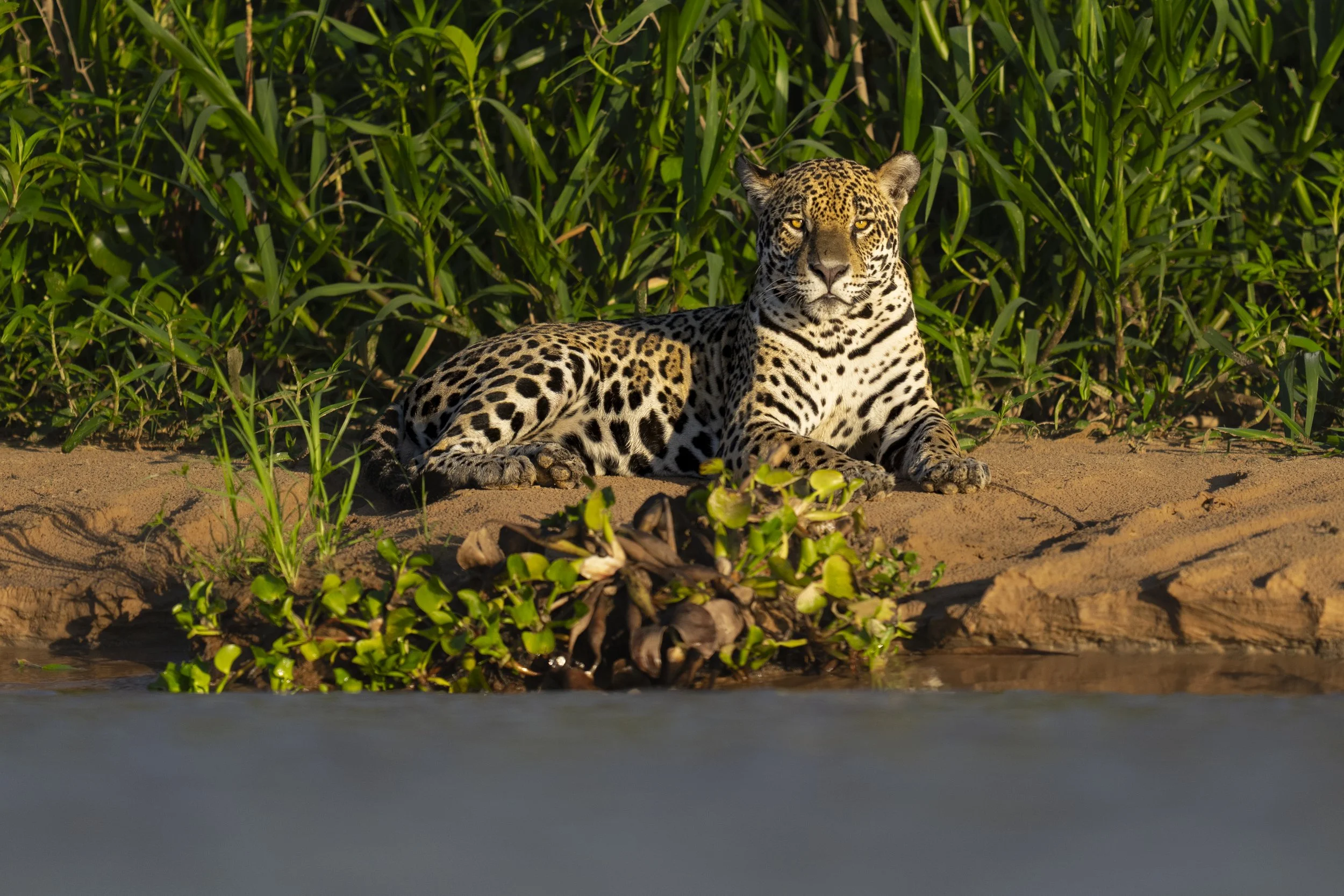
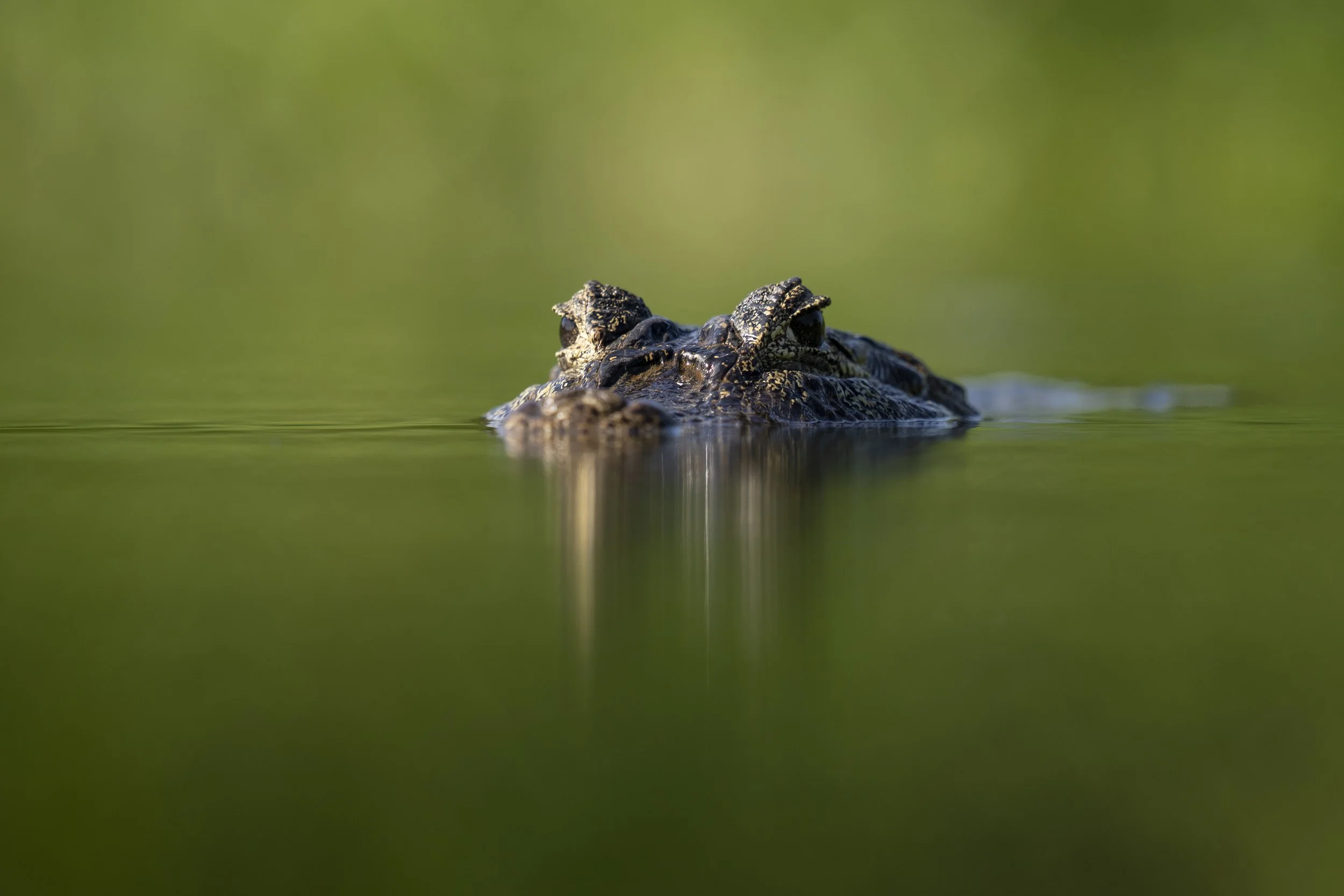
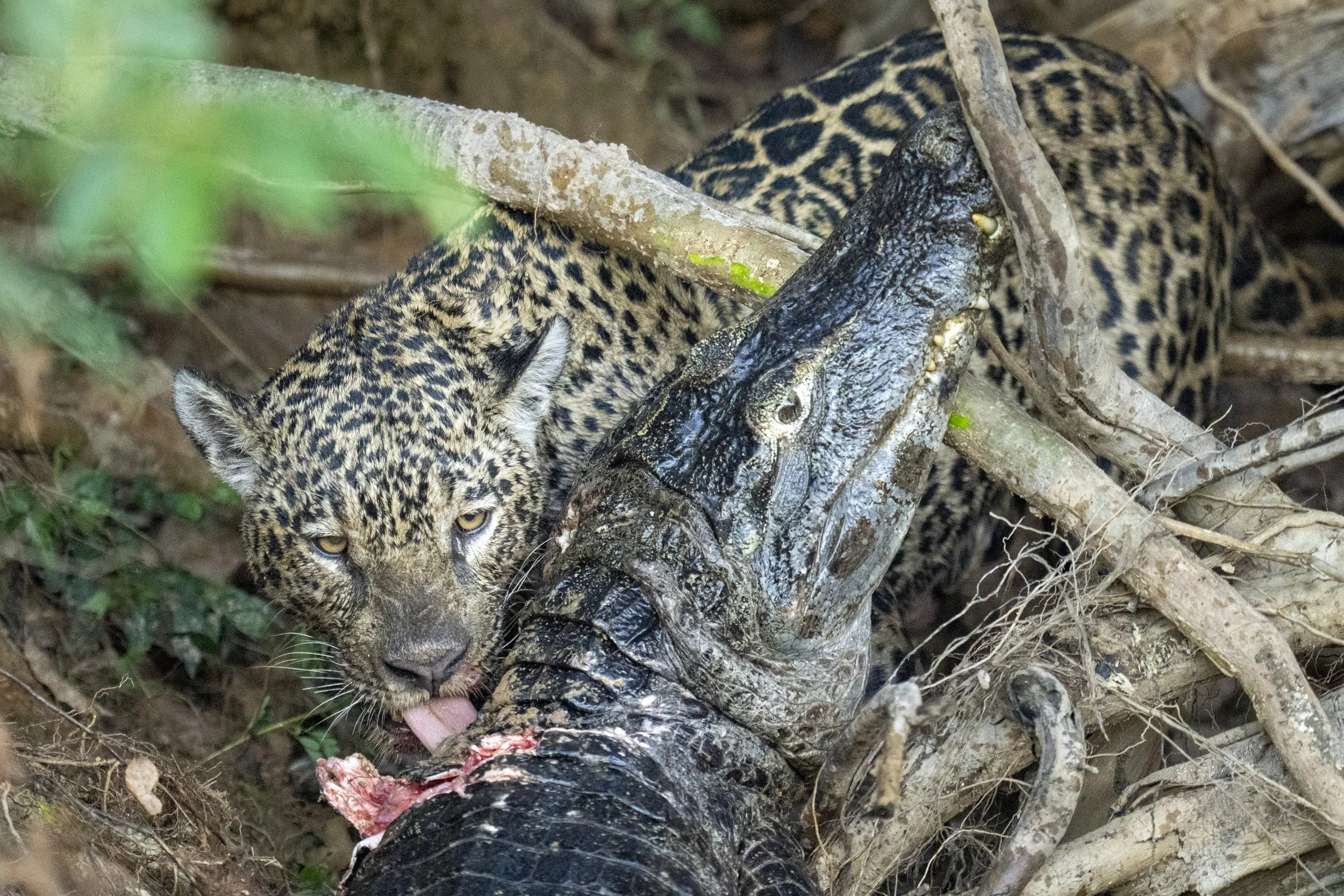
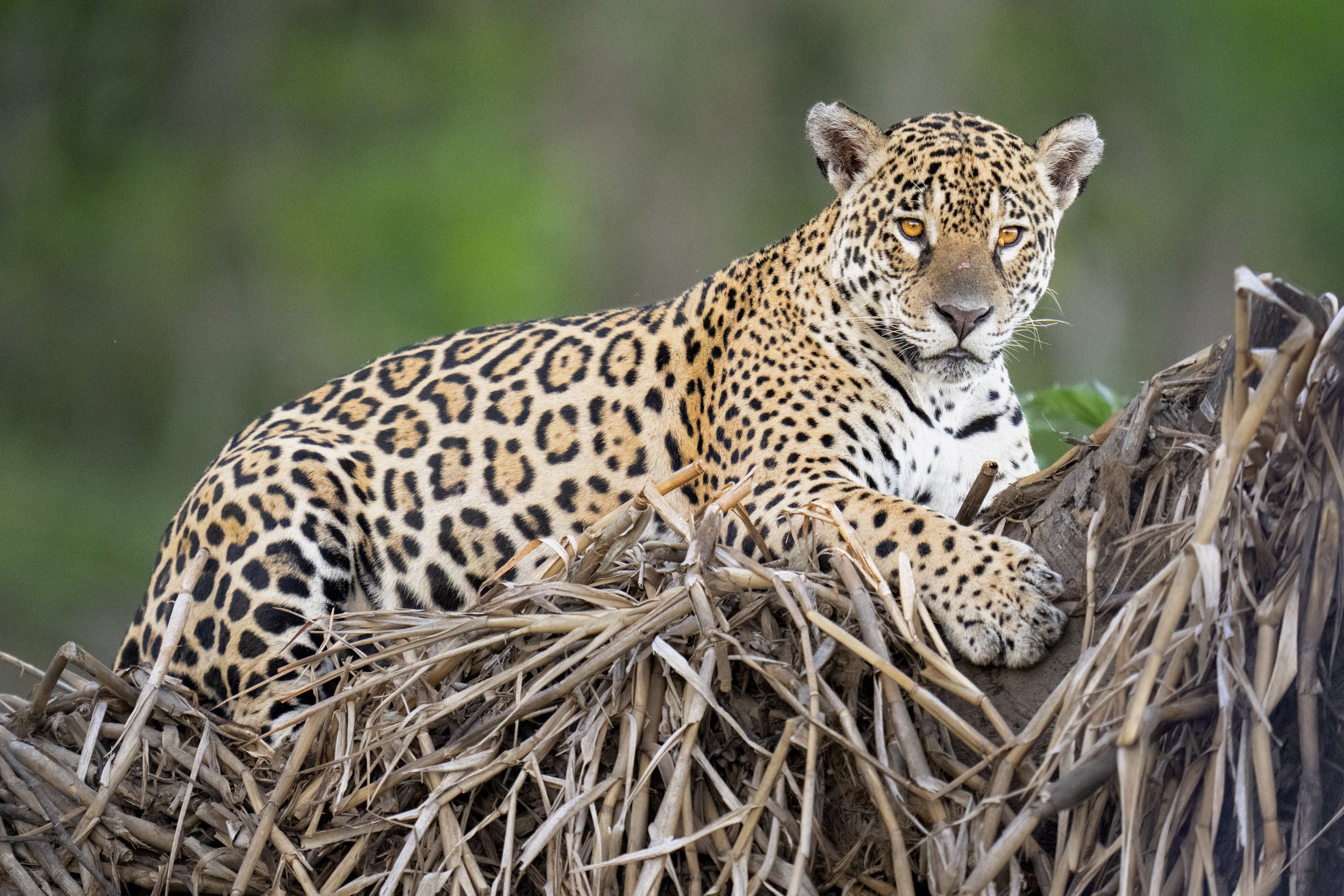
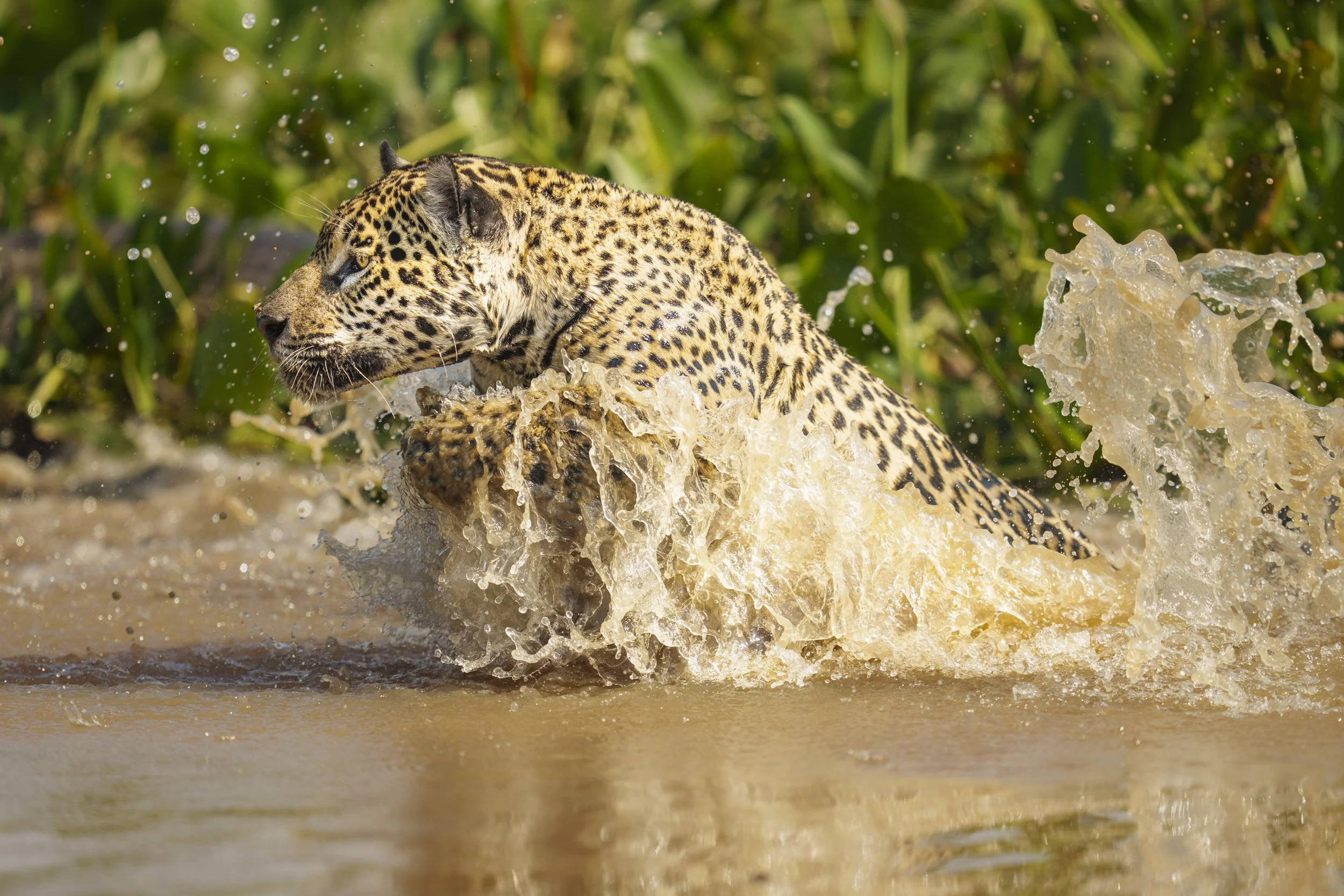
This unique mosaic is home to an extraordinary array of wildlife, including jaguars — the largest cats in the Americas — prowling the riverbanks in search of prey, mostly caimans, but sometimes the capybara, too.
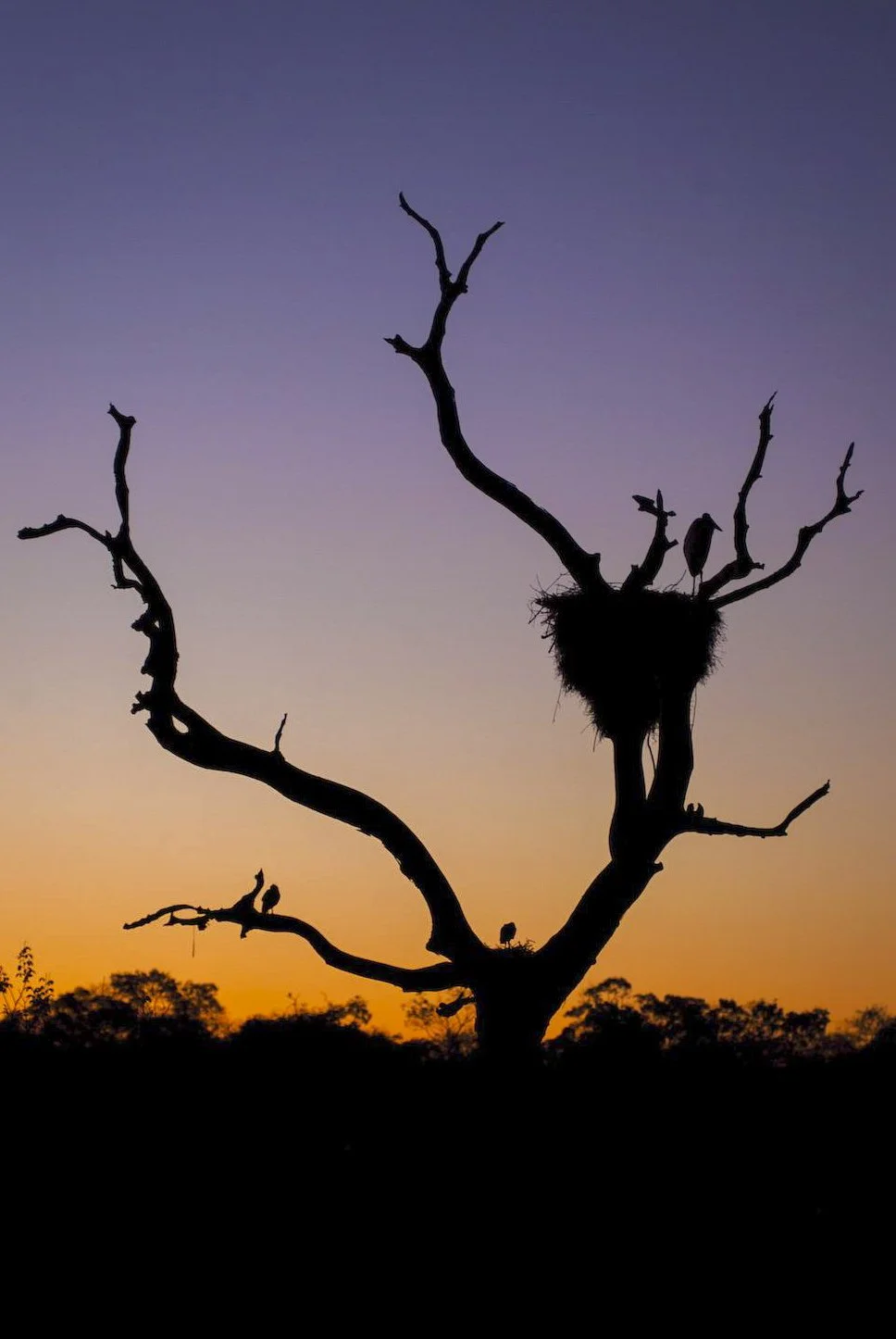
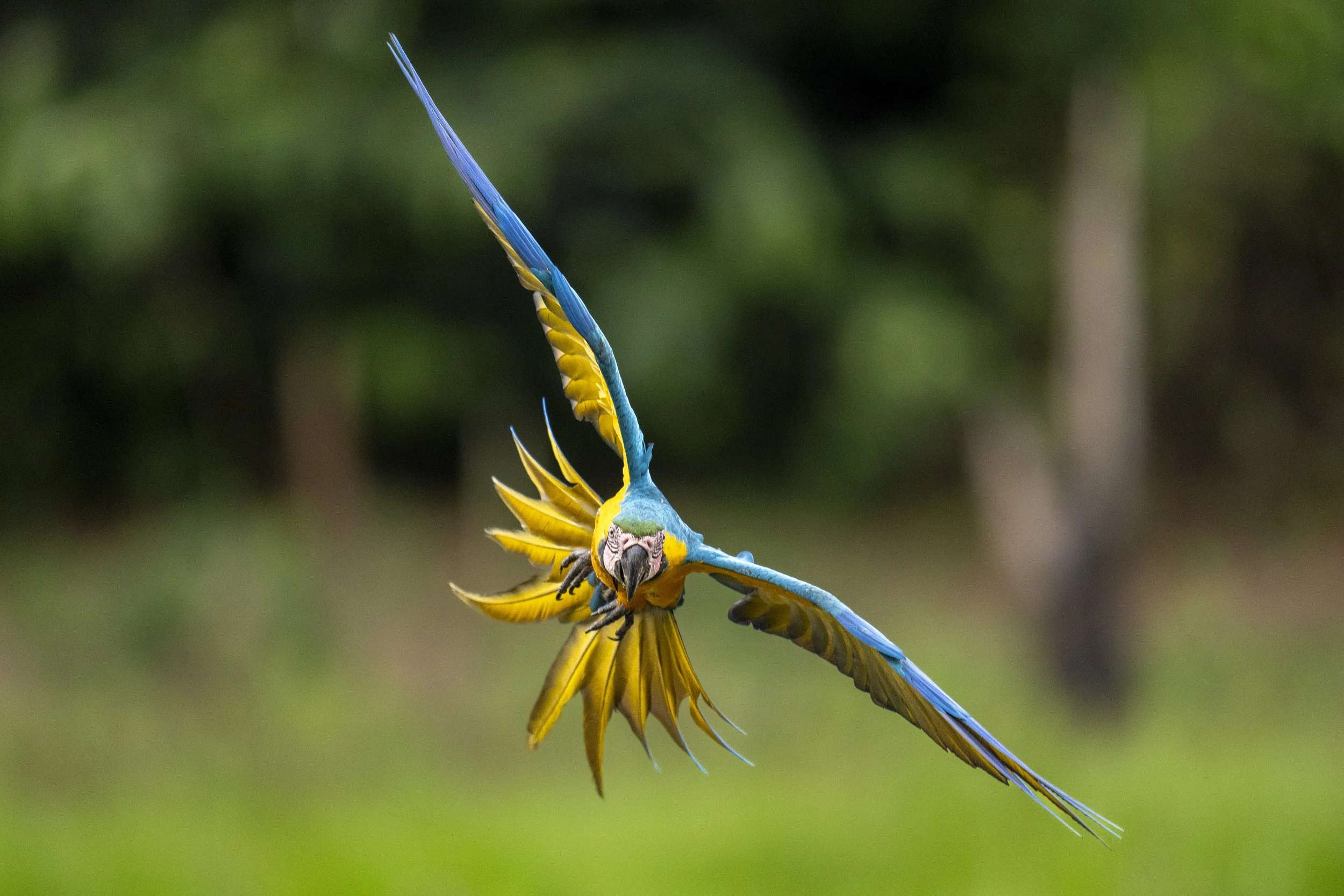
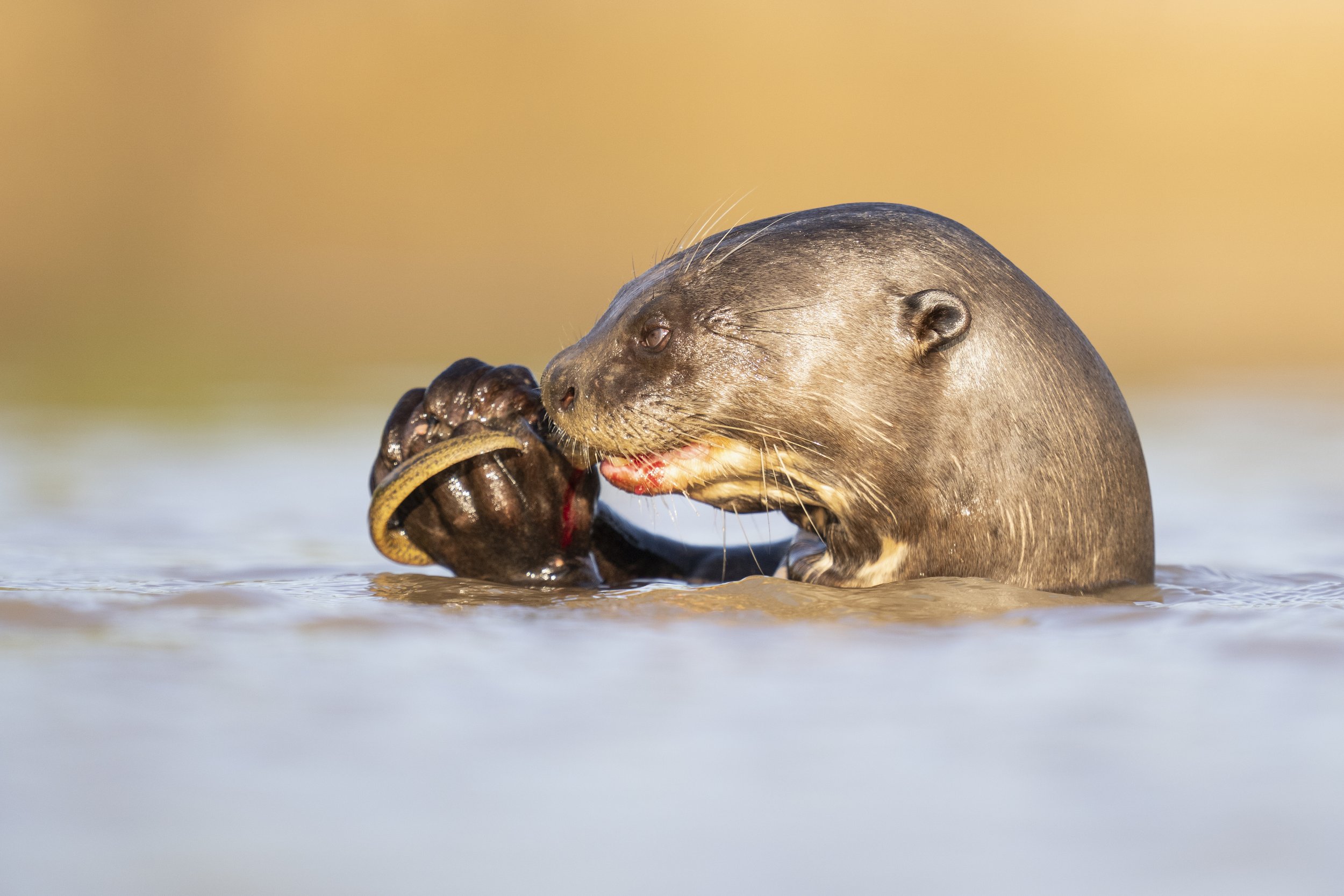
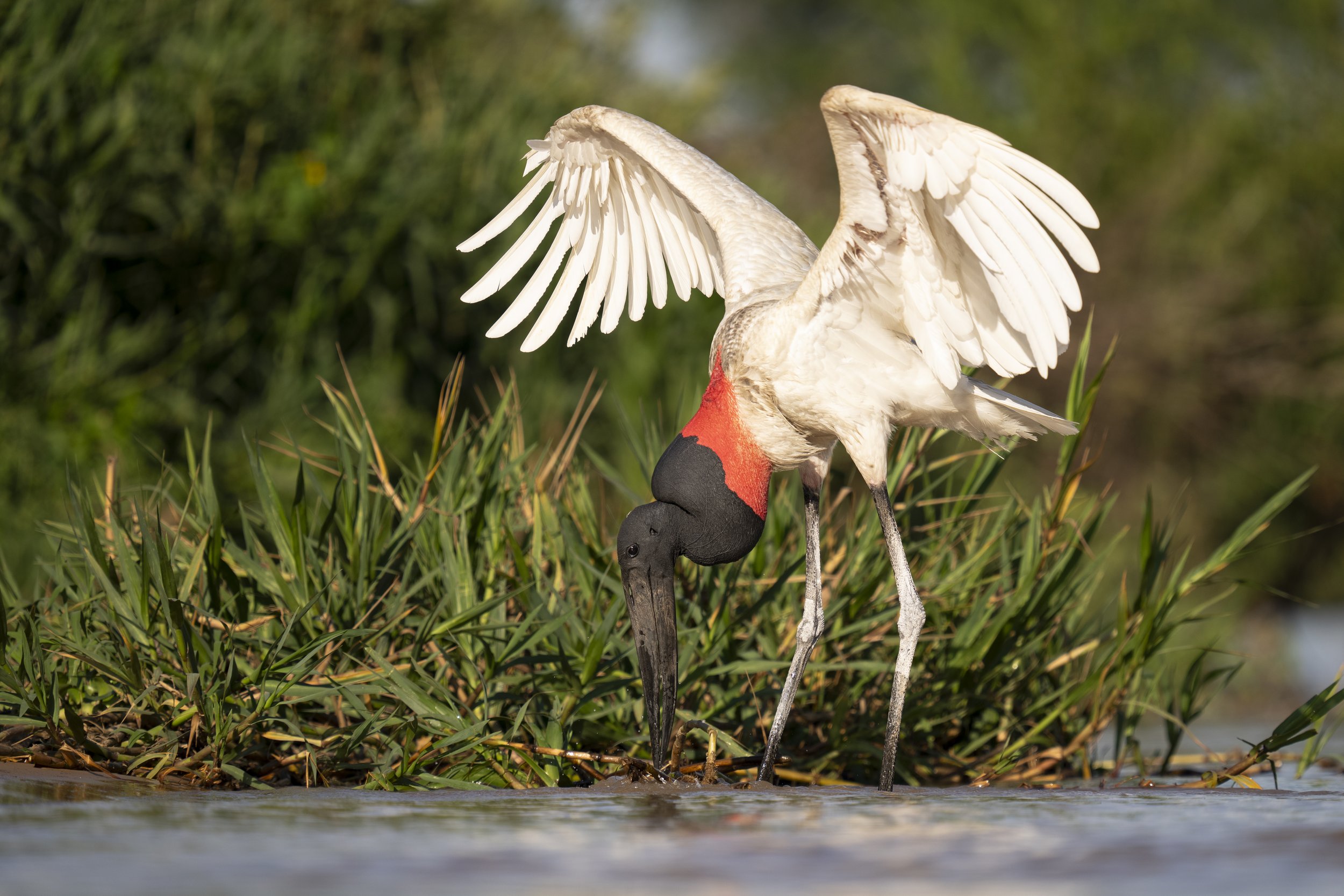
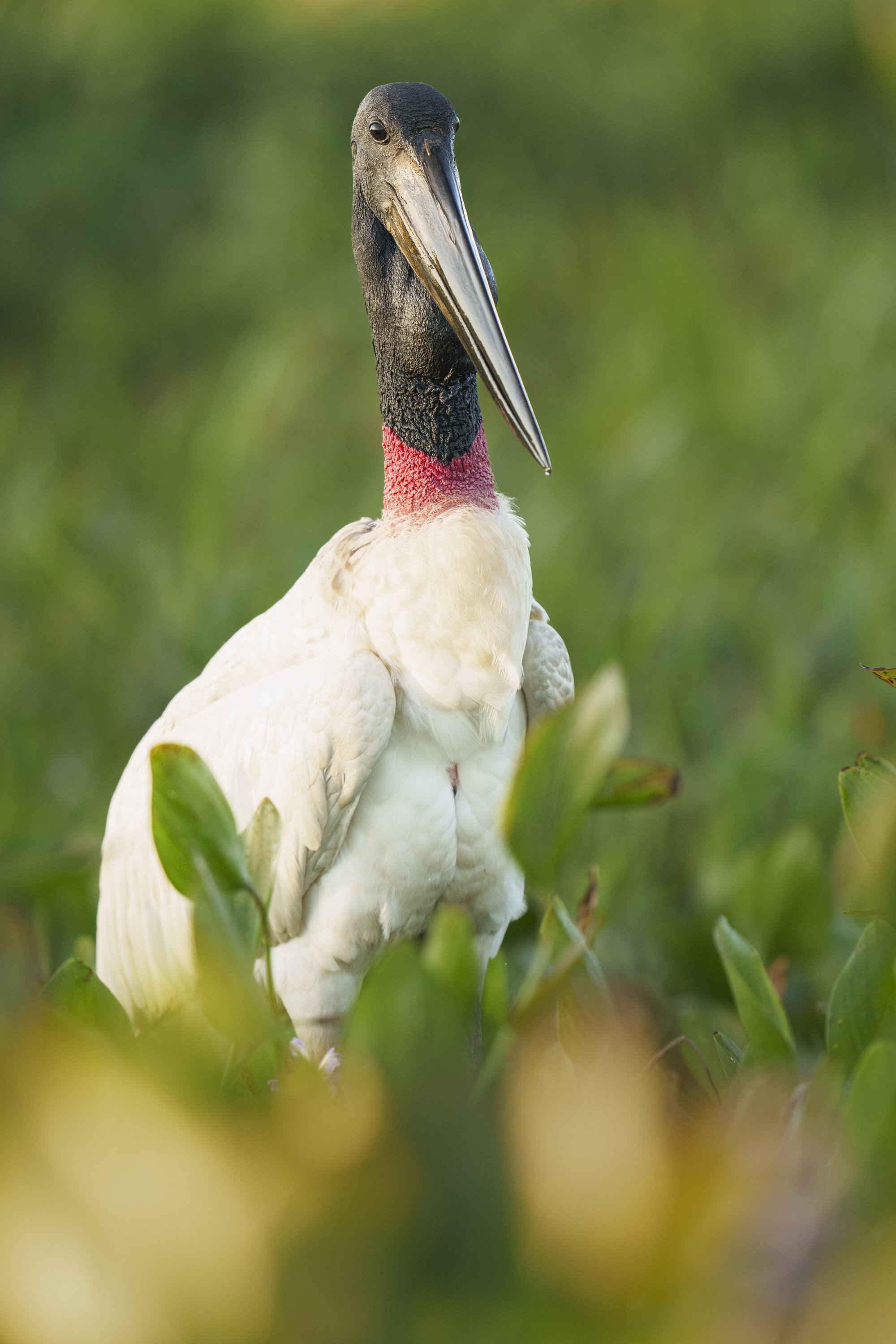
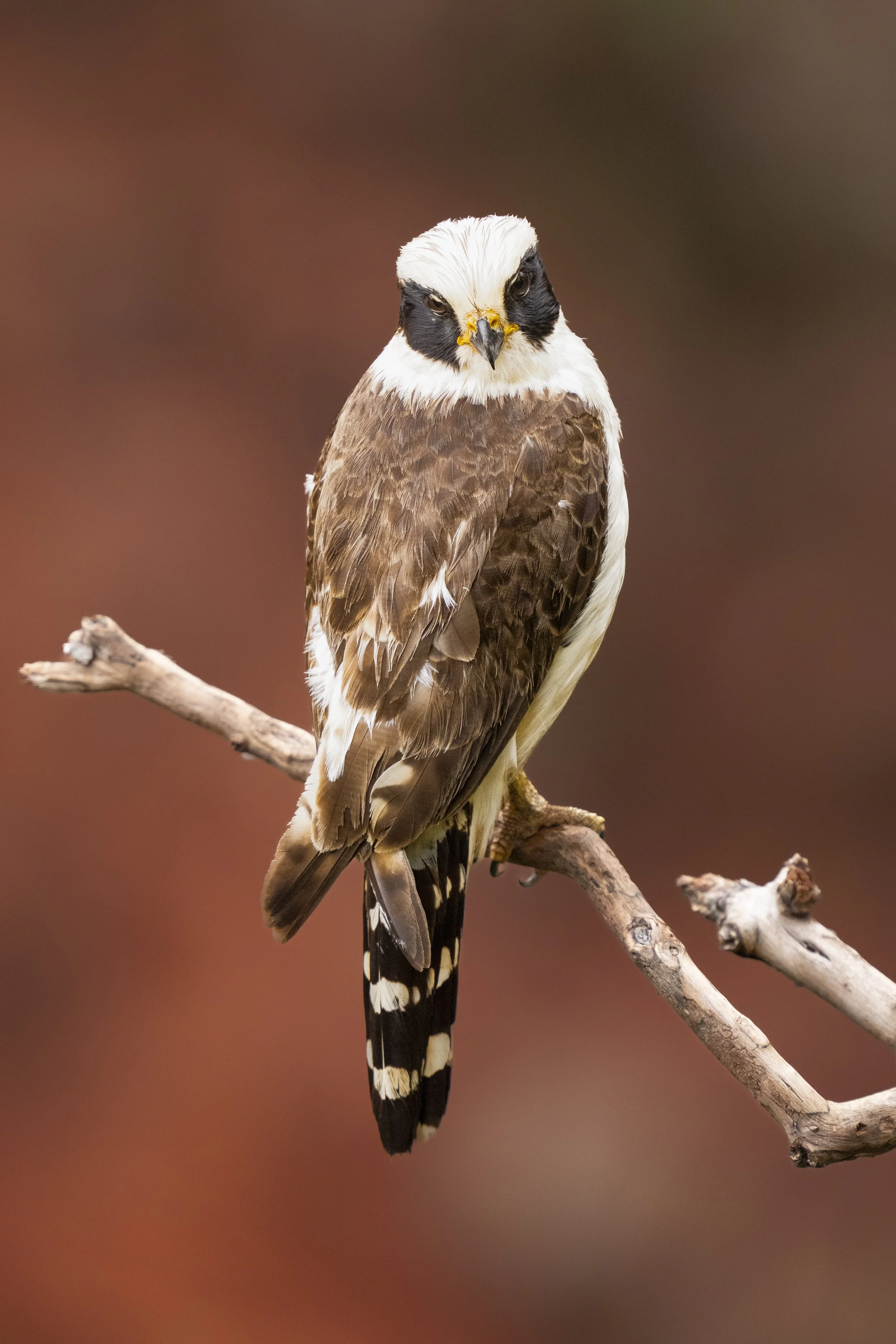
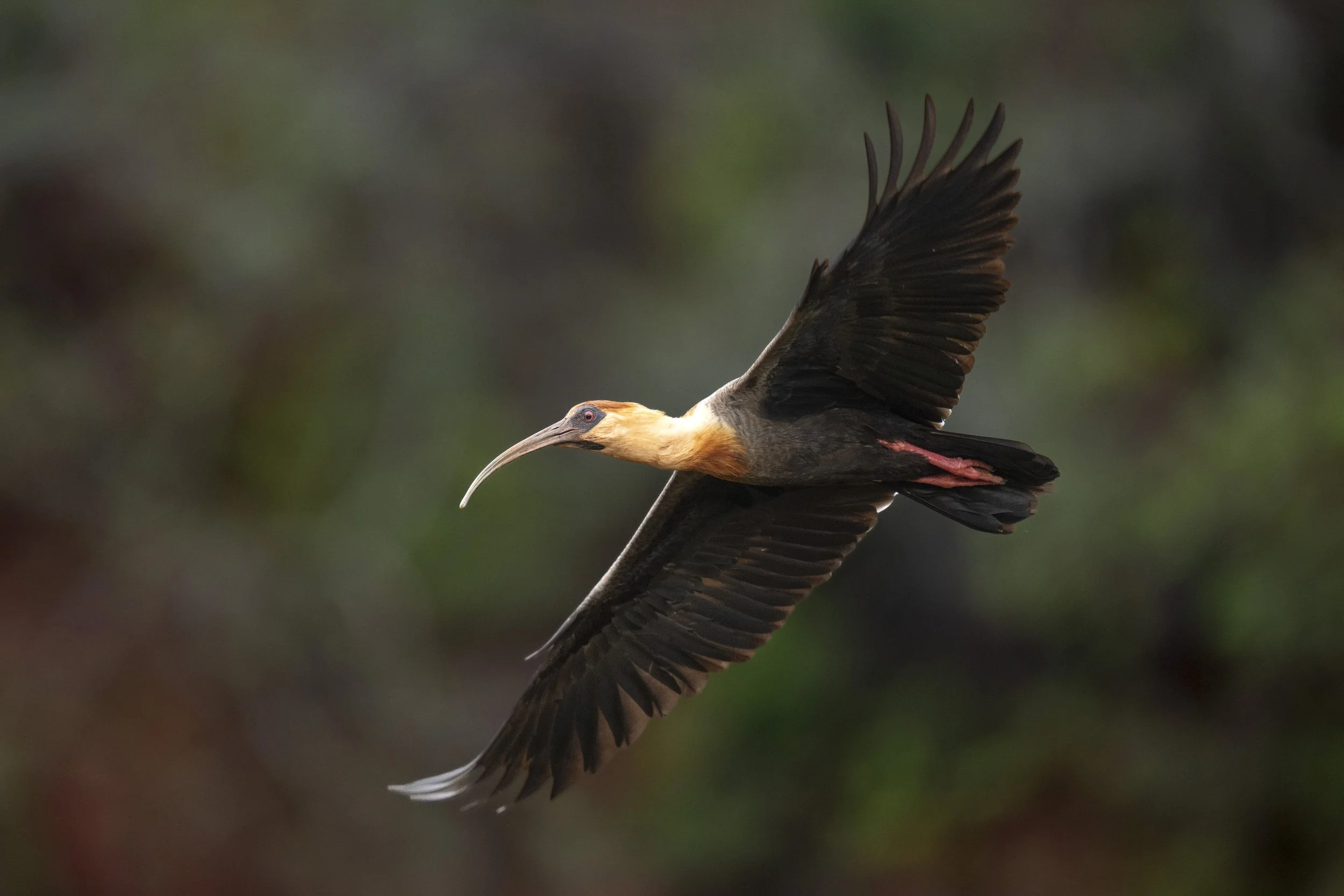
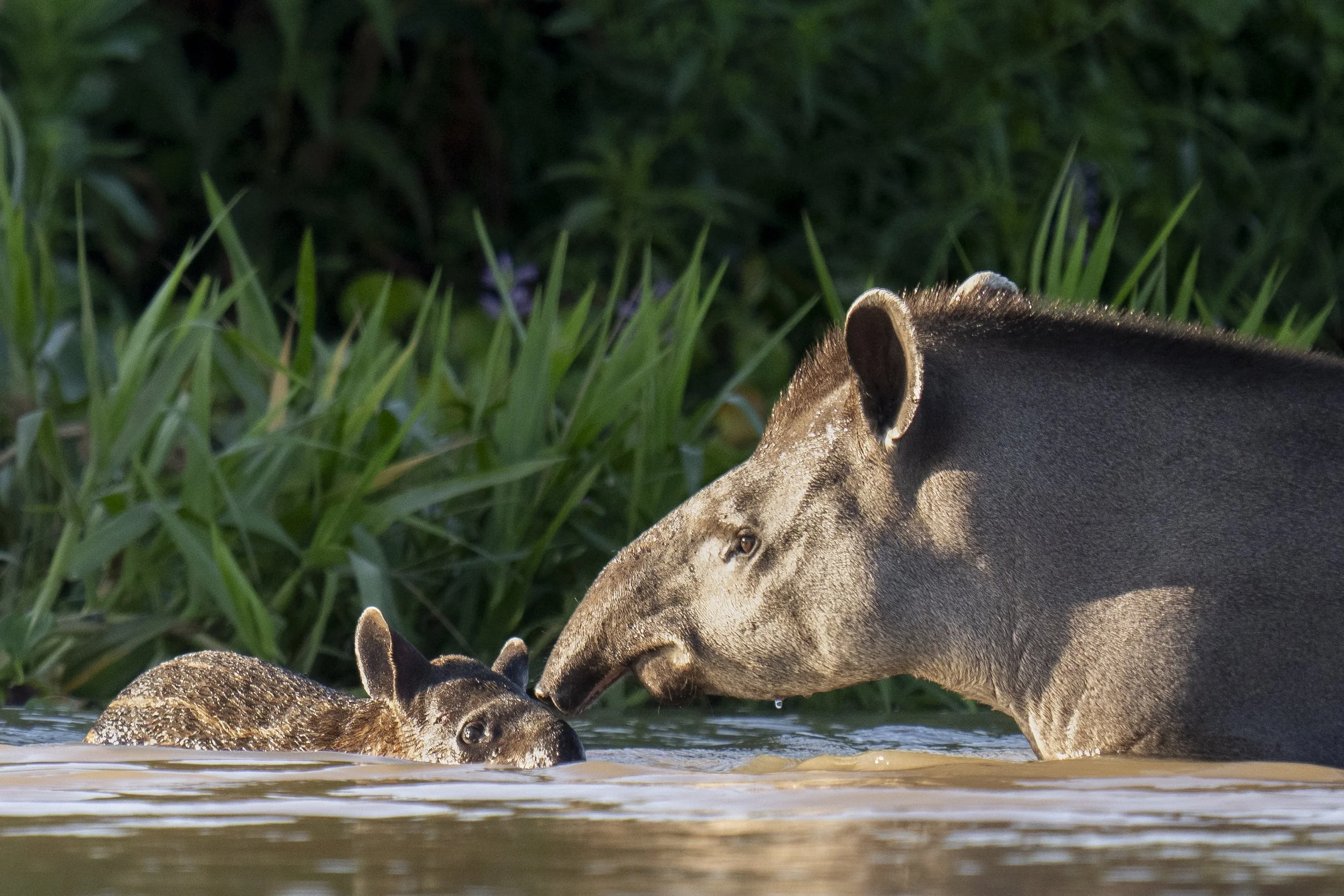
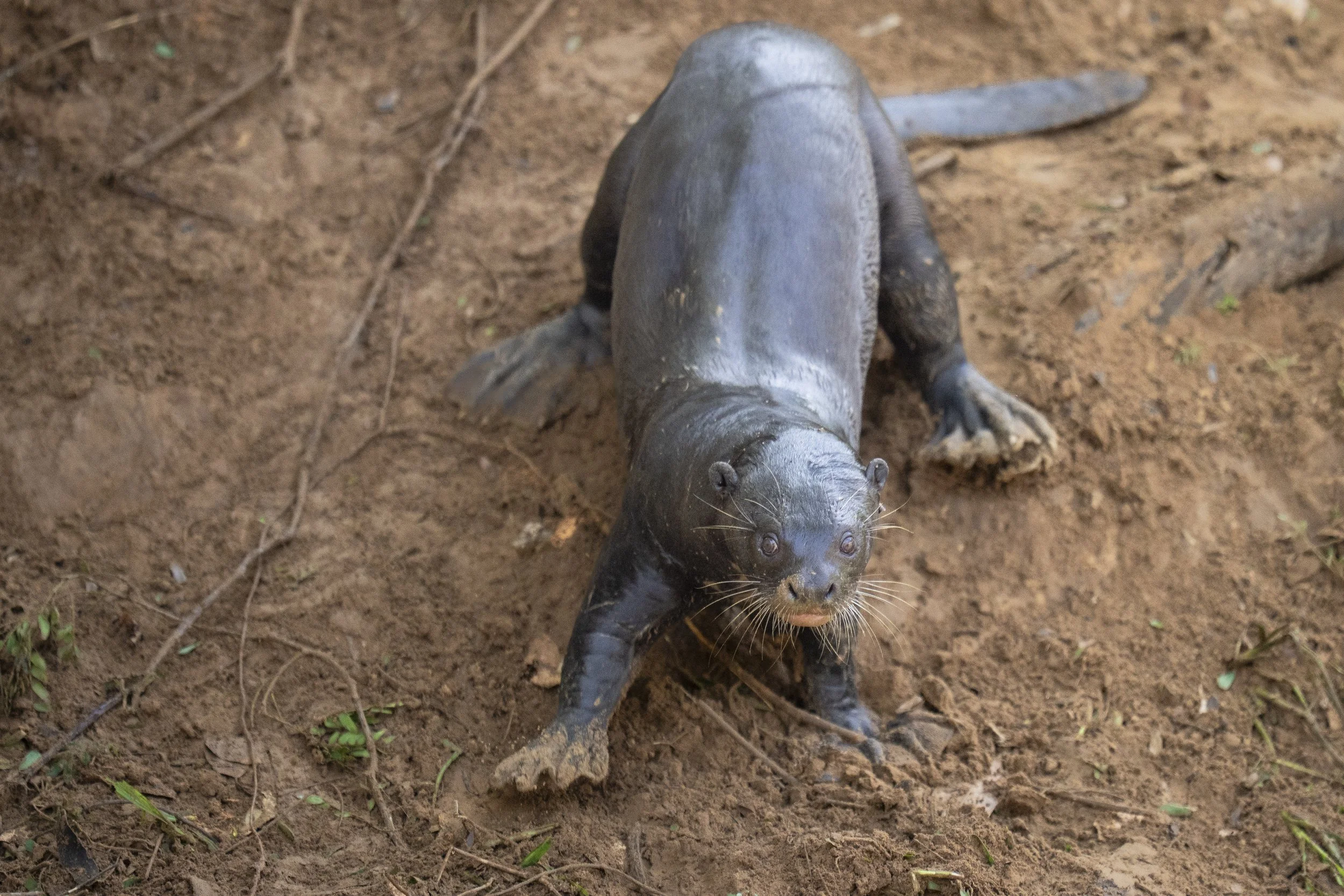
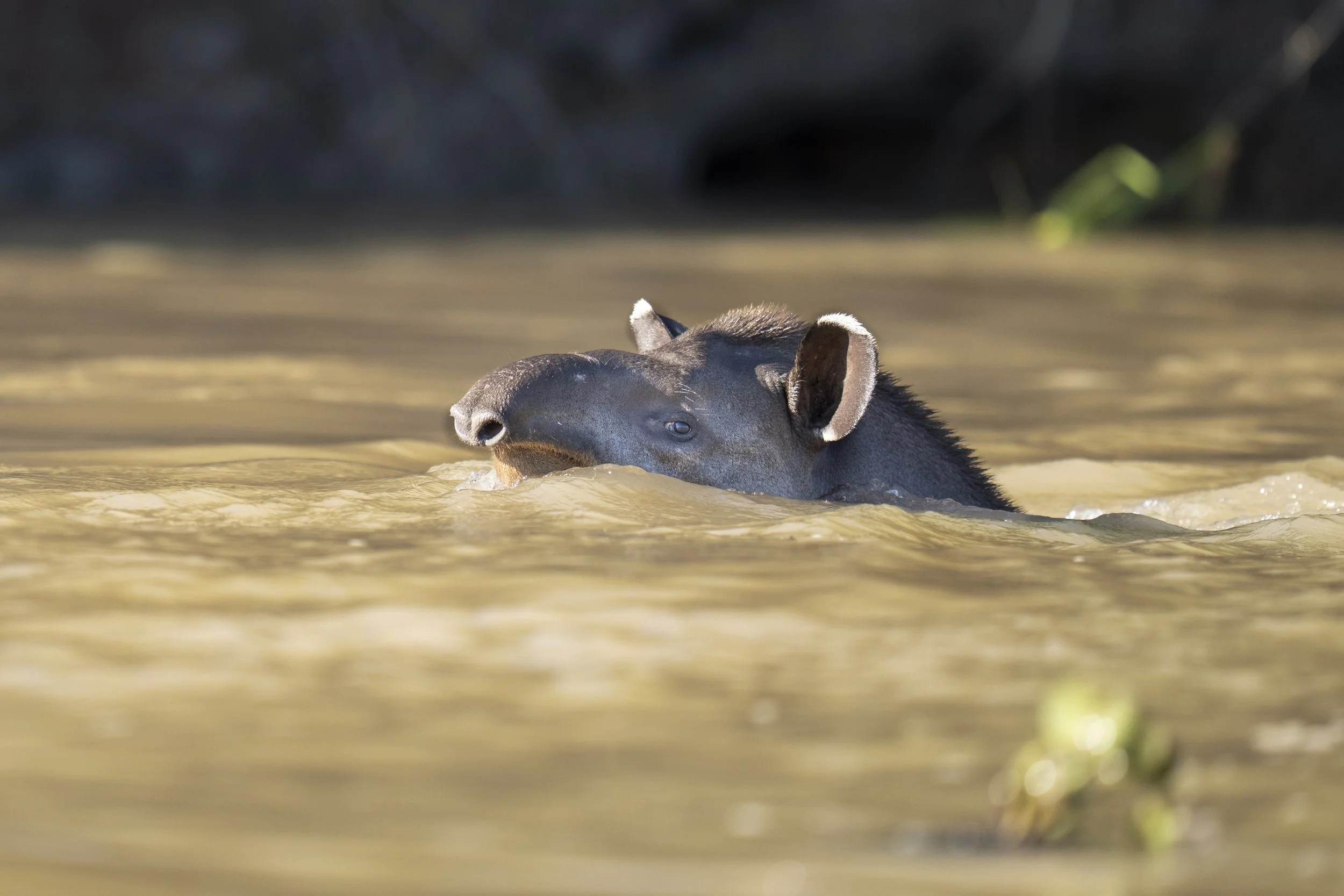
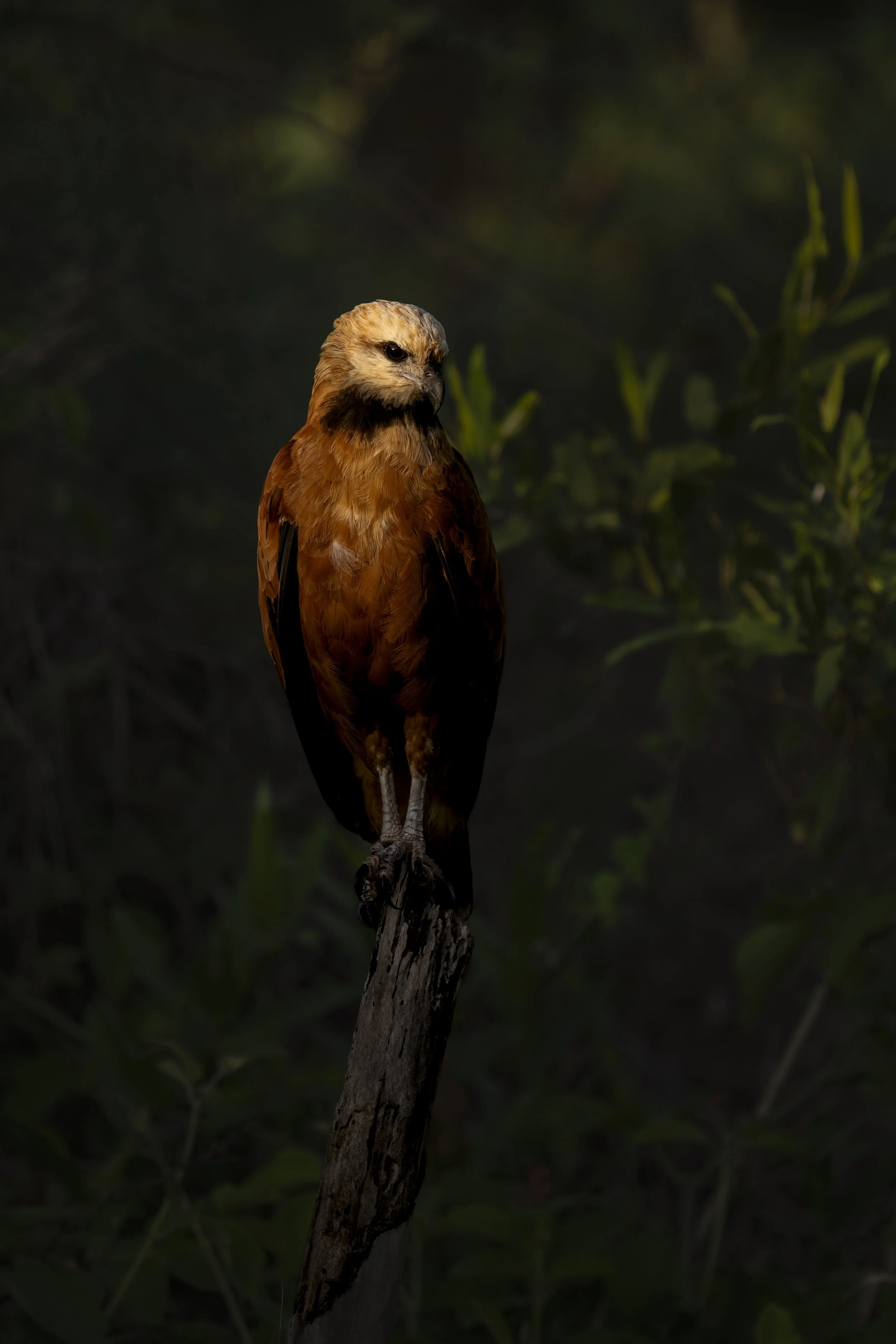
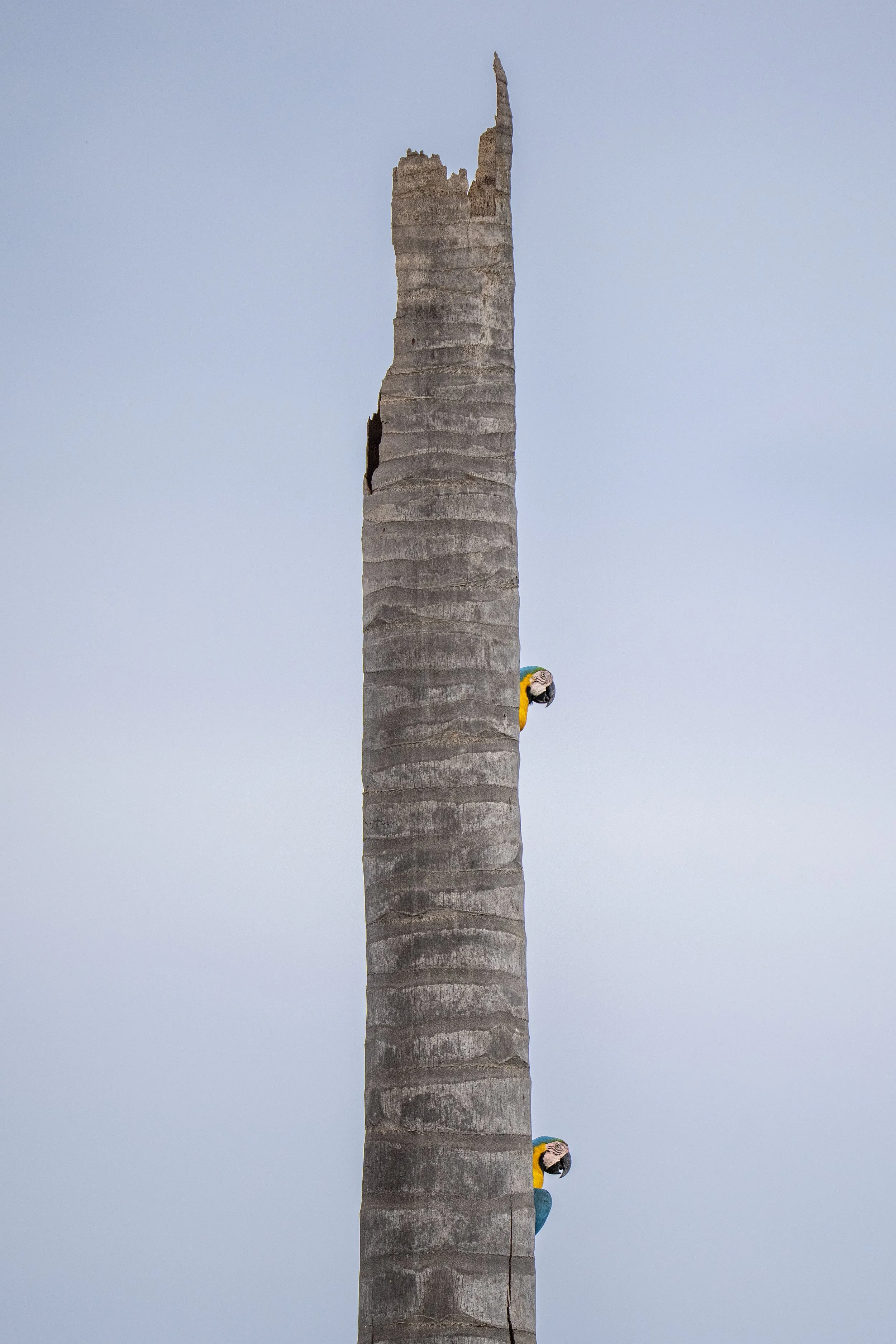
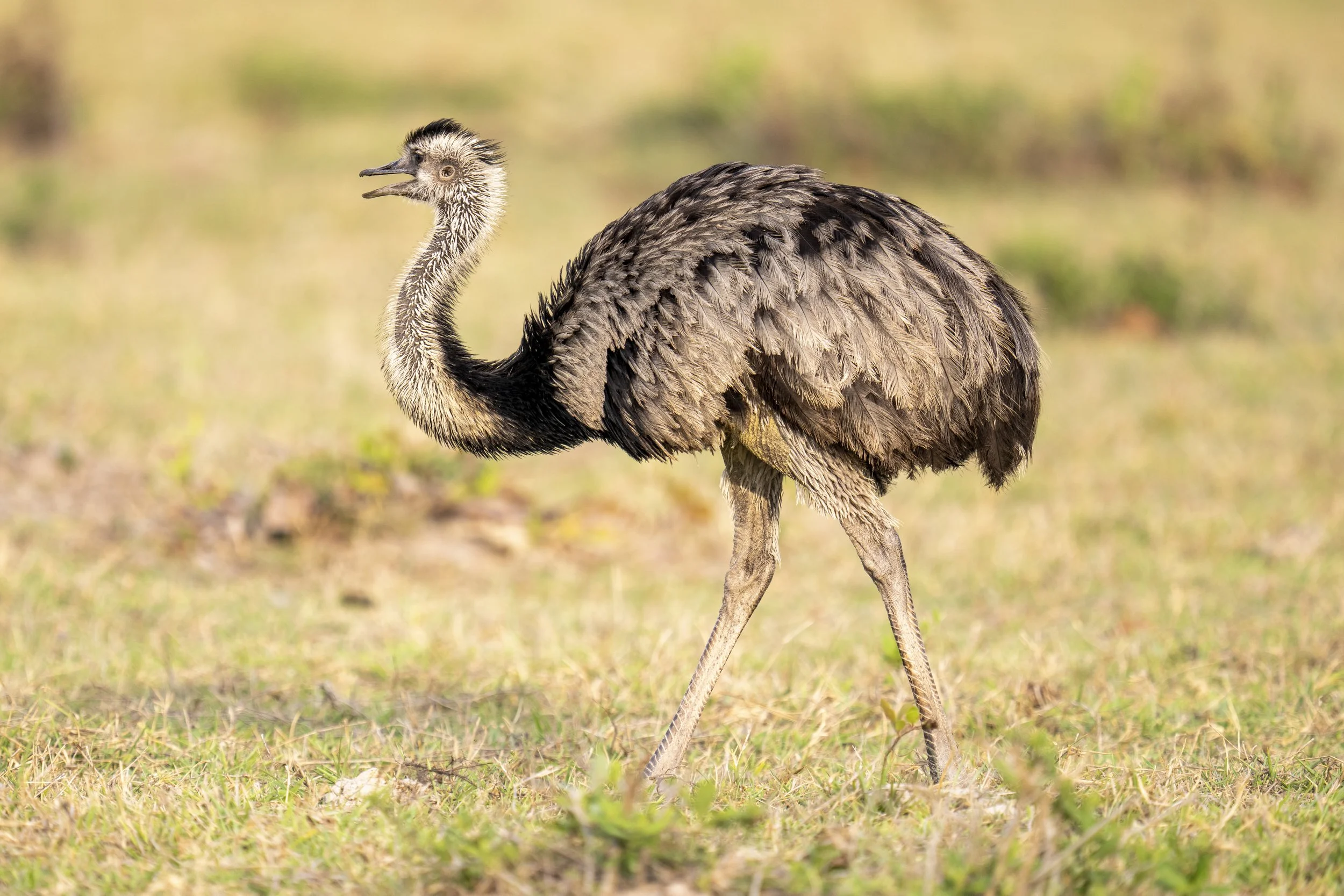
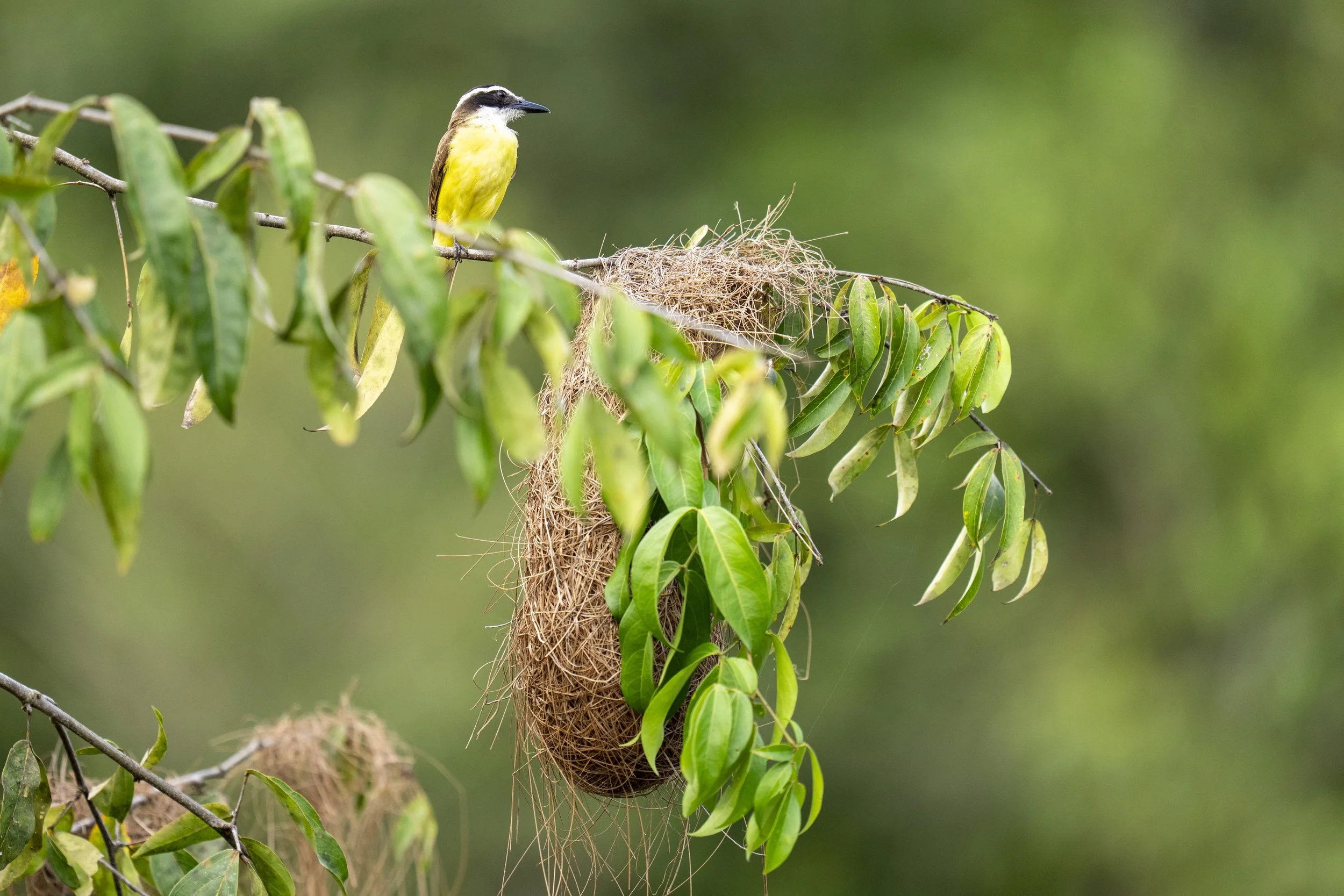
Giant river otters, playful yet fierce apex predators of the waterways, glide effortlessly through the tannin-rich waters, while tapirs and caimans thrive in the dynamic interplay of water and land. Over 650 species of birds, from vibrant toucans and hyacinth macaws to jabirus and the elusive Agami heron, fill the skies with their vibrant colors and songs, creating an unparalleled opportunity to witness and photograph the wonders of the natural world.
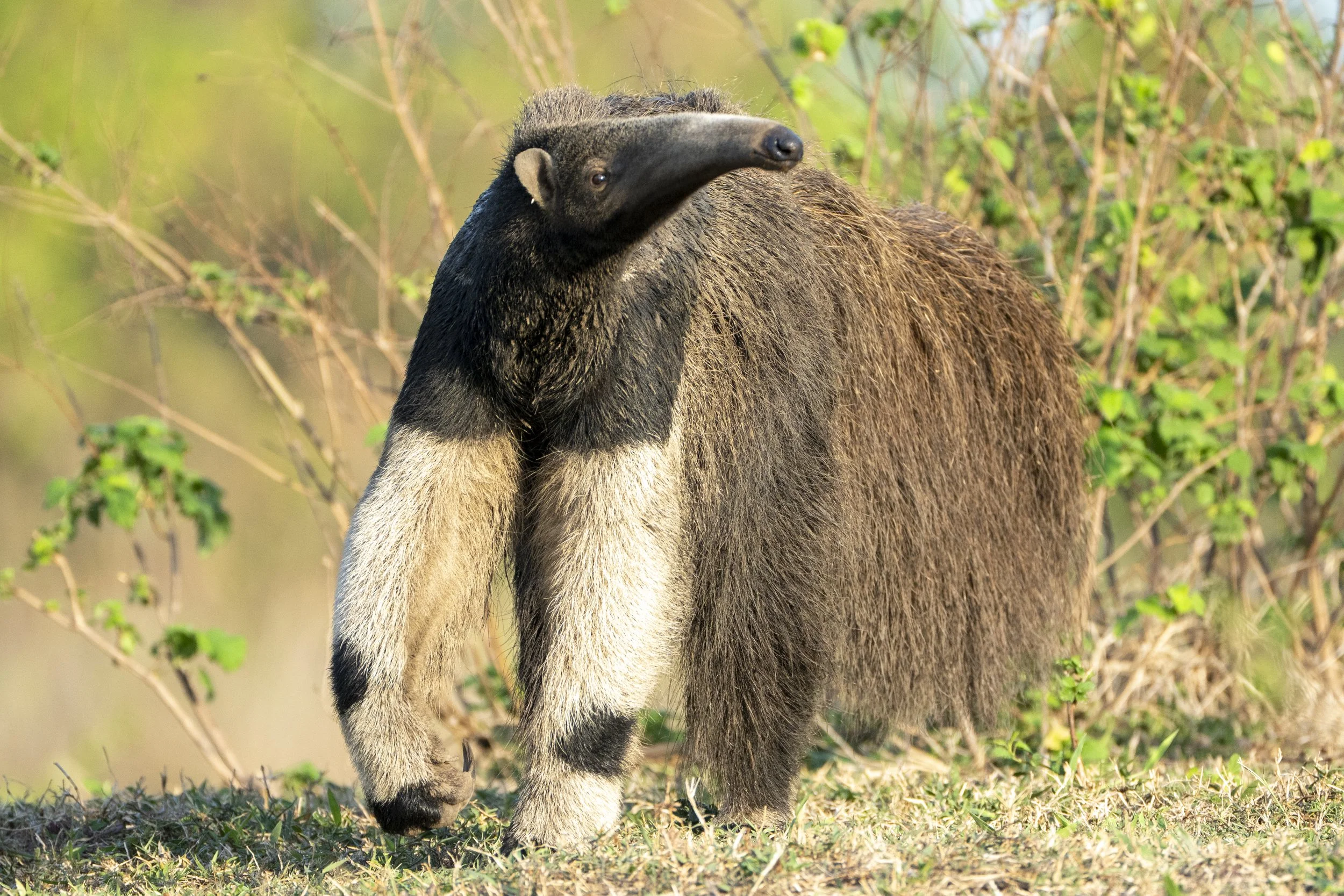
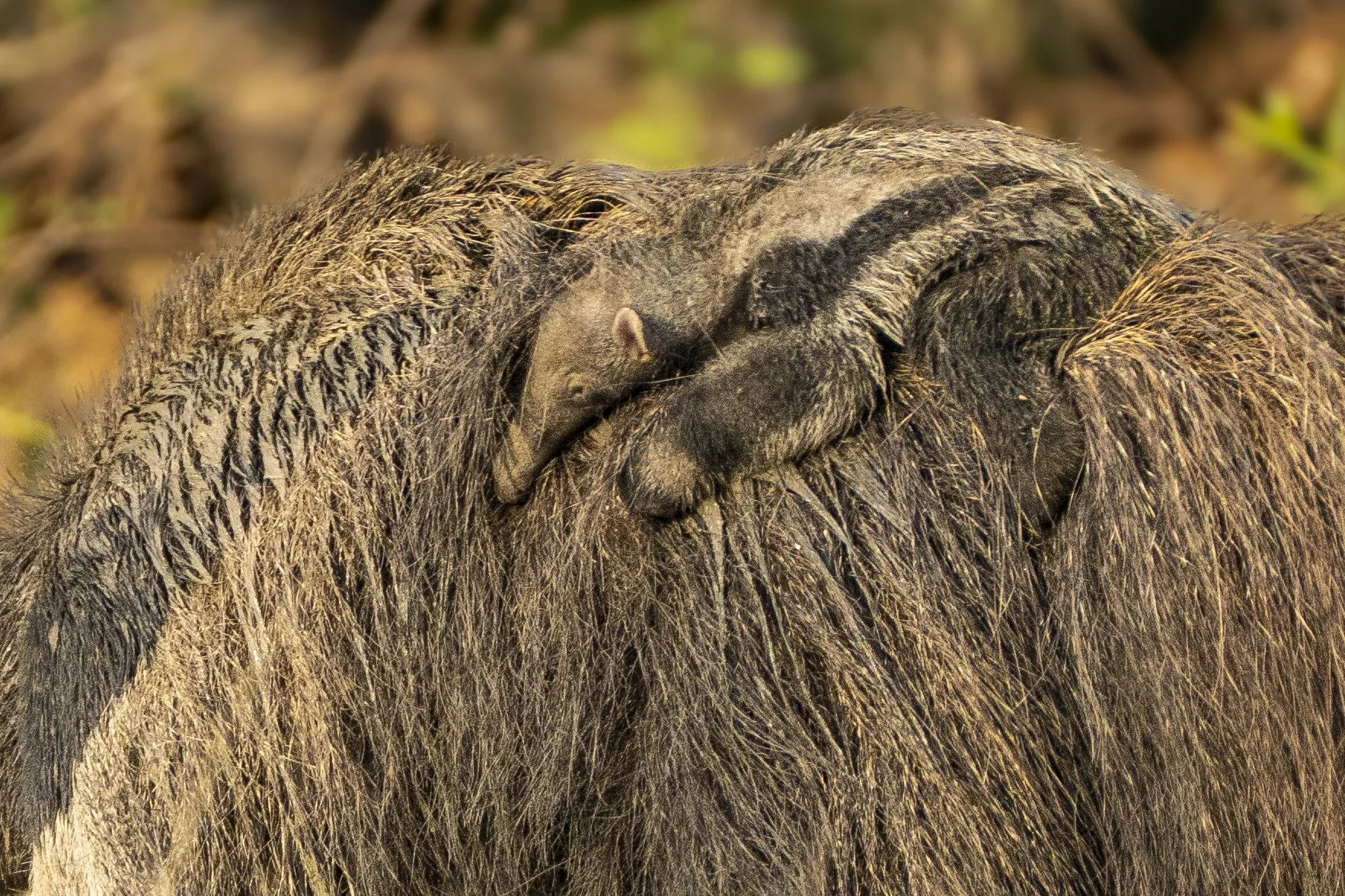
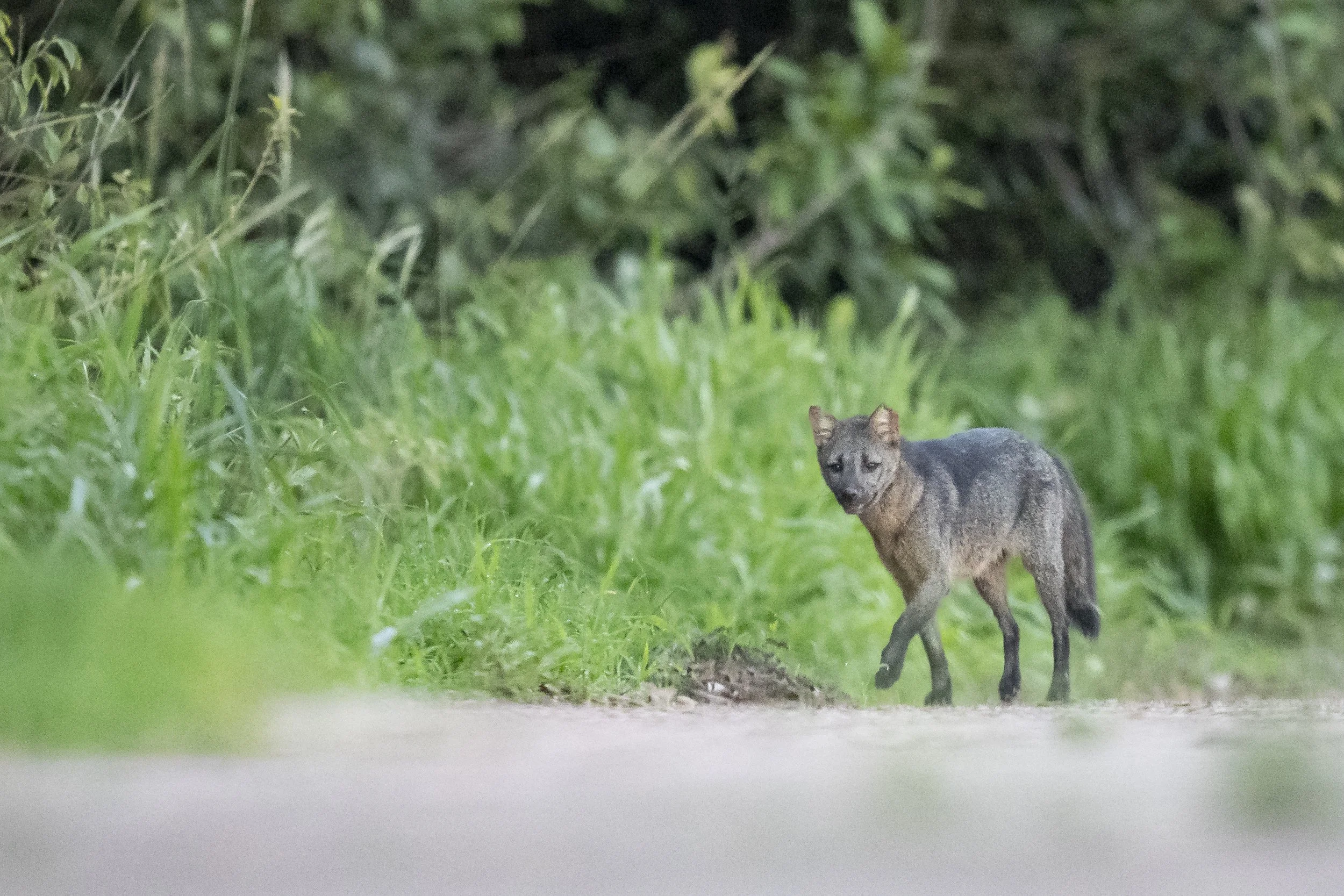
The Cerrado, often referred to as the “upside-down forest” due to its deep-rooted vegetation, is a vibrant combination of grasslands, savannas, and woodlands that sustains an extraordinary range of wildlife. It is home to iconic species like the maned wolf, known for its striking red coat and long legs, and the giant anteater, a unique mammal with a keen sense of smell and a tongue built for devouring ants and termites. These species share their habitat with armadillos, crab-eating foxes, colorful macaws, and countless reptiles and amphibians, including the green anaconda.
The Cerrado’s ecological importance extends beyond its biodiversity—it serves as a vital water reservoir for Brazil and sequesters significant amounts of carbon in its deep soil, acting as a natural defense against climate change. However, the relentless push for agriculture threatens to unravel this delicate ecosystem, putting its remarkable wildlife and critical environmental functions at risk.
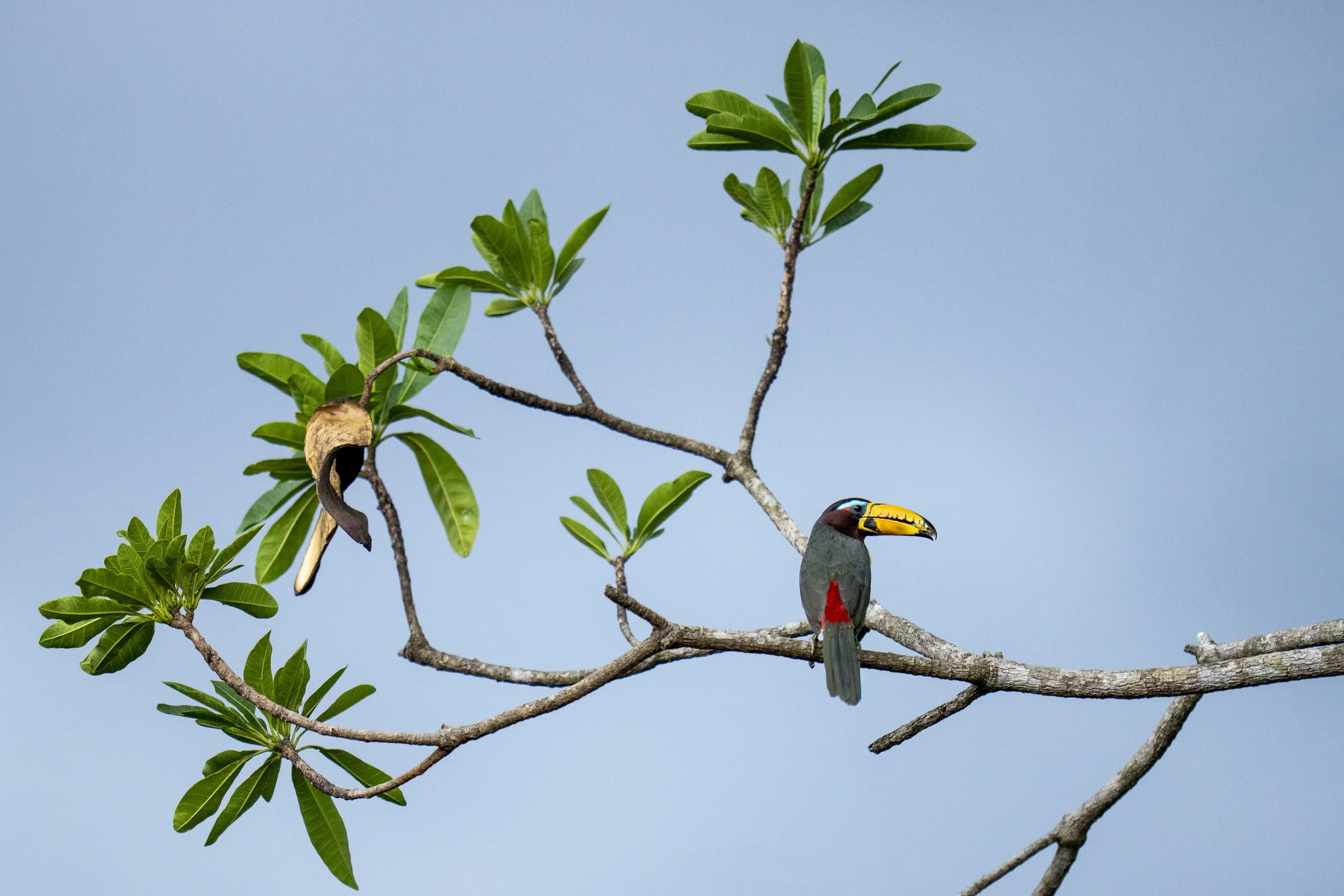
Just beyond the Pantanal lies the Brazilian Amazon. The Amazon rainforest unfolds as the world’s largest tropical forest, a living tapestry of lush vegetation supporting 10% of all known species in the world, including many that have yet to be discovered. The forest reverberates with the calls of howler monkeys, joined by marmosets, capuchins, and a plethora of other primate species. Other species we’ll target here include white-lipped peccary, collared peccary, king vultures, tapir, Gould’s toucanet, white-throated toucan, myriad of tanagers, and more!
Recognizing its significance, efforts to protect the Amazon have ramped up through a combination of government policies, indigenous stewardship, and international conservation initiatives. Protected reserves now cover approximately half of the Brazilian Amazon, safeguarding critical habitats while empowering local and indigenous communities who depend on the forest for their way of life.
Join us on a once-in-a-lifetime adventure as we explore this extraordinary convergence of ecosystems. Our responsible travel contributes directly to the local economies and supports initiatives that protect one of nature’s grandest masterpieces.
Read the 2025 trip report here, or jump down to the detailed itinerary.
GENERAL INFORMATION
DATES:
September 30 - October 13, 2026 SOLD OUT
September 15-28, 2027 | $17,595 (Two spots left)
October 13-26, 2027 | $17,595 (One spot left)
Preferred dates unavailable? Join the waitlist.
DEPOSIT: $3,000
GROUP SIZE: Limited to 6
SKILL LEVEL: Beginners to Advanced
INCLUDED IN PRICE:
Single-occupancy lodging
All meals and non-alcoholic drinks from dinner on the first night through breakfast on the last day
All scheduled in-country private charter flights during the itinerary and all ground transportation
All entrance and park fees
Gratuities for all staff except naturalist guides
NOT INCLUDED:
Transportation to/from Brazil
Visa and related fees
Alcoholic beverages
Items of a personal nature (e.g., laundry, souvenirs)
Travel insurance (highly recommended)
Medical evacuation insurance (required)
Gratuities for local naturalist guides
Incidentals incurred by participants at lodging
Airline baggage fees beyond included bags
PHYSICAL DIFFICULTY: This itinerary is more about observation than physical exertion, with most of our wildlife photography happening from boats, 4x4, and other vehicles, or directly near them. The trip can be demanding, expect early mornings, long days, and limited downtime during some parts of the trip.
Brazil’s heat and humidity adds to the challenge - the temperatures range from 85-105°F during the day. To fully participate, guests should be comfortable with hiking one to two miles twice a day over mostly flat, dry terrain while carrying their own gear unassisted.
We are always happy to answer questions to help you determine whether or not this trip is the right fit for you.
INSURANCE: Due to the remote locations we will be traveling within, medical evacuation insurance is required for this workshop. General travel insurance is highly recommended, but not required.
We use and recommend Global Rescue for medical evacuation services. Unlike travel insurance, which requires you to coordinate your way to care first and be reimbursed later, Global Rescue will deploy an evacuation team and get you to the medical care of your choice as part of their core services and membership. No claims, no coordinating care.
They offer both short-term and annual memberships and policies. Due to our partnership with Global Rescue, we are happy to initiate the quote process on your behalf, please email.
ITINERARY
This general itinerary is designed to immerse us in the heart of Brazil’s most captivating ecosystems, offering unparalleled opportunities to observe and photograph myriad wildlife species. The exact itinerary may shift with availability, but the general itinerary below touches on all destinations.
Day 1: Arrival in Campo Grande
Our adventure begins upon arrival at Campo Grande Airport (CGR), the capital of Mato Grosso do Sul. You’ll get settled into our luxury hotel for the evening and then we’ll meet as a group for dinner. After dinner, we’ll do a short orientation to prepare for the journey ahead.
Day 2: Campo Grande to Aquidauana
After breakfast, we embark on a 3.5-hour drive to our lodge in Aquidauana, a region renowned for its rich mosaic of wetlands and savannas. In the afternoon, we’ll venture out in search of the giant anteater, the iconic mammal of the Southern Pantanal, and other wildlife on the lodge’s expansive property.
Day 3: Exploring Around the Lodge
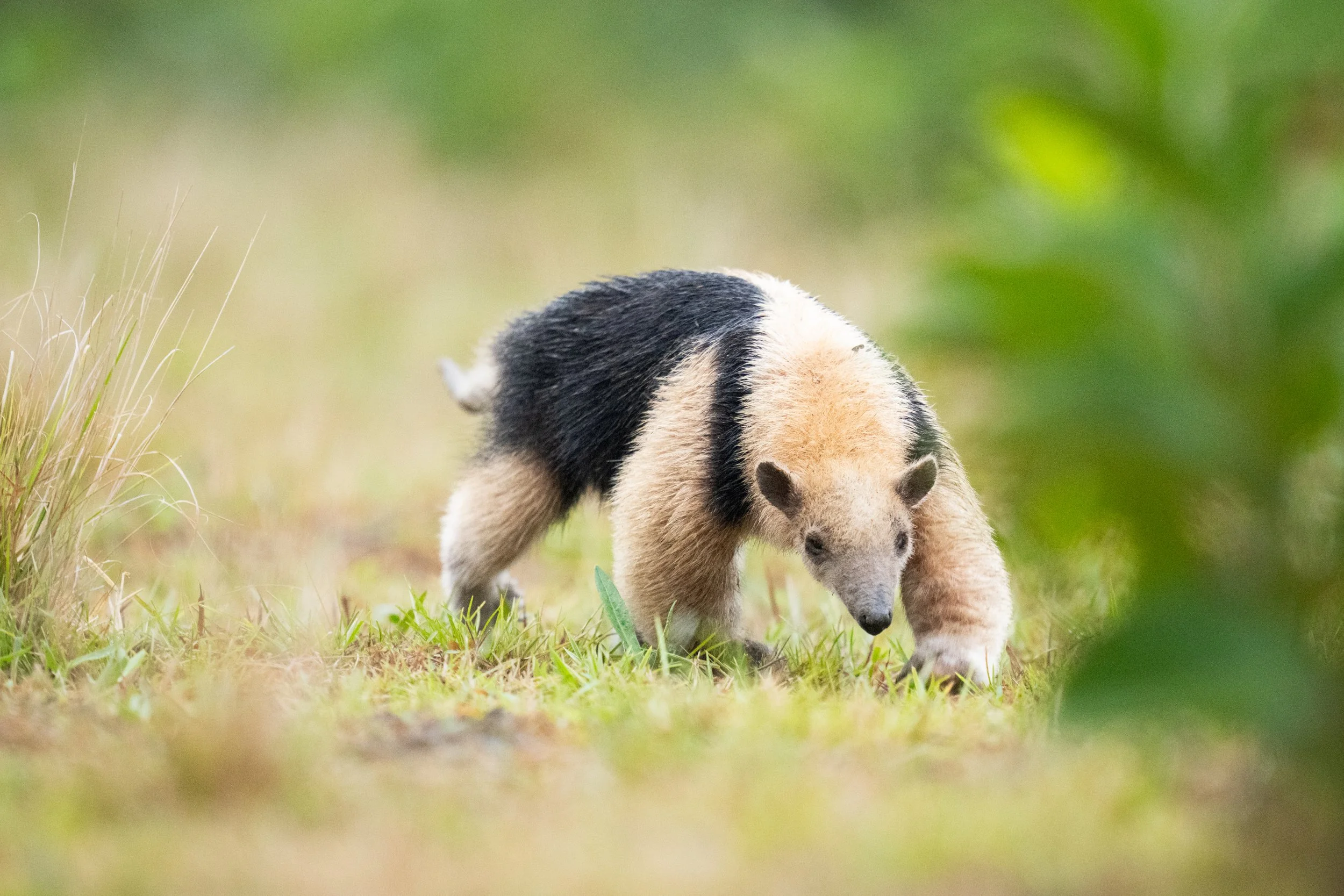
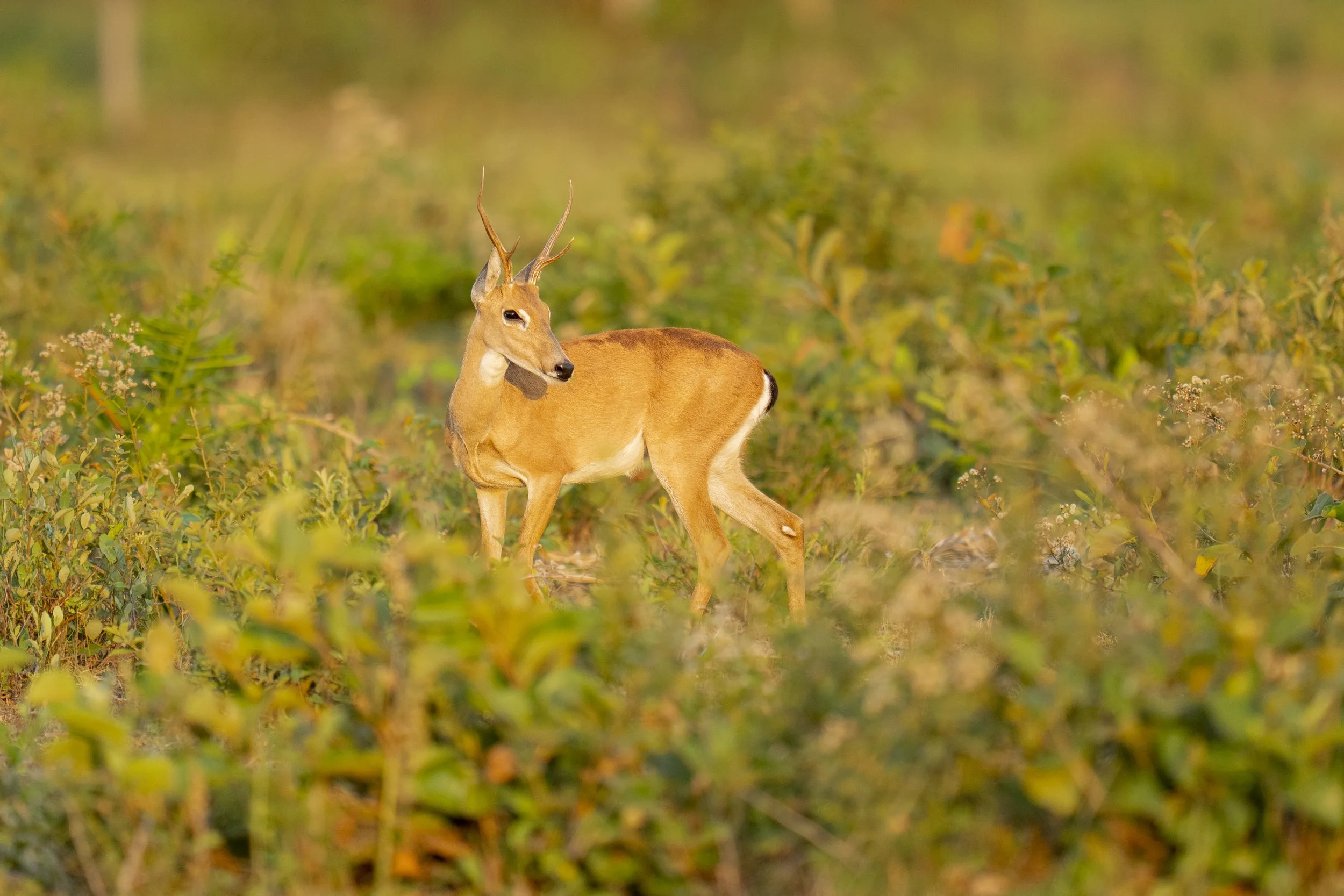
Today is dedicated to exploring the lodge’s surroundings on an open safari vehicle in search of the giant anteater, southern tamanduas, pampas deer, nine-banded and yellow armadillos, plus all the bird life of the area.
Day 4: Aquidauana to Bonito
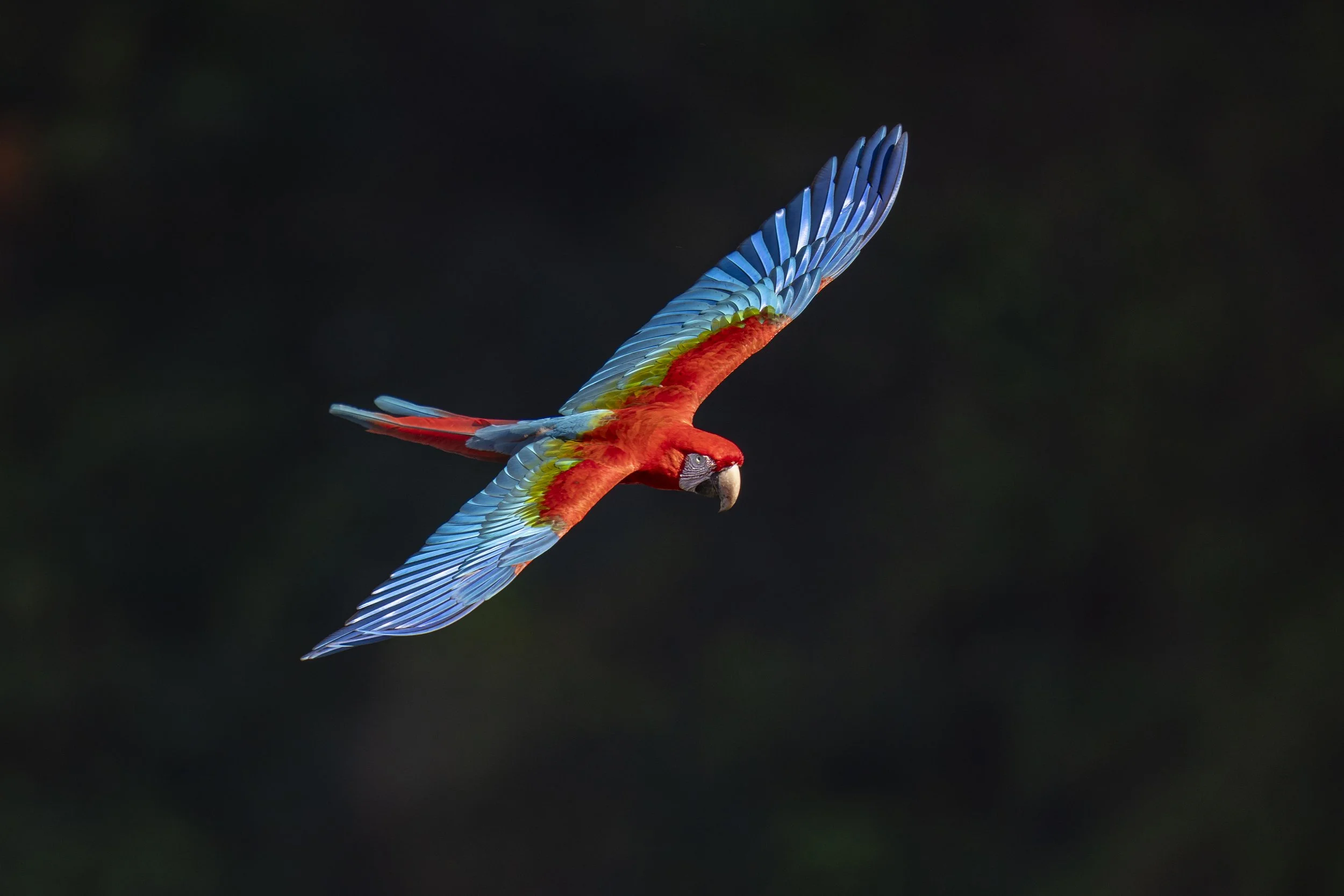
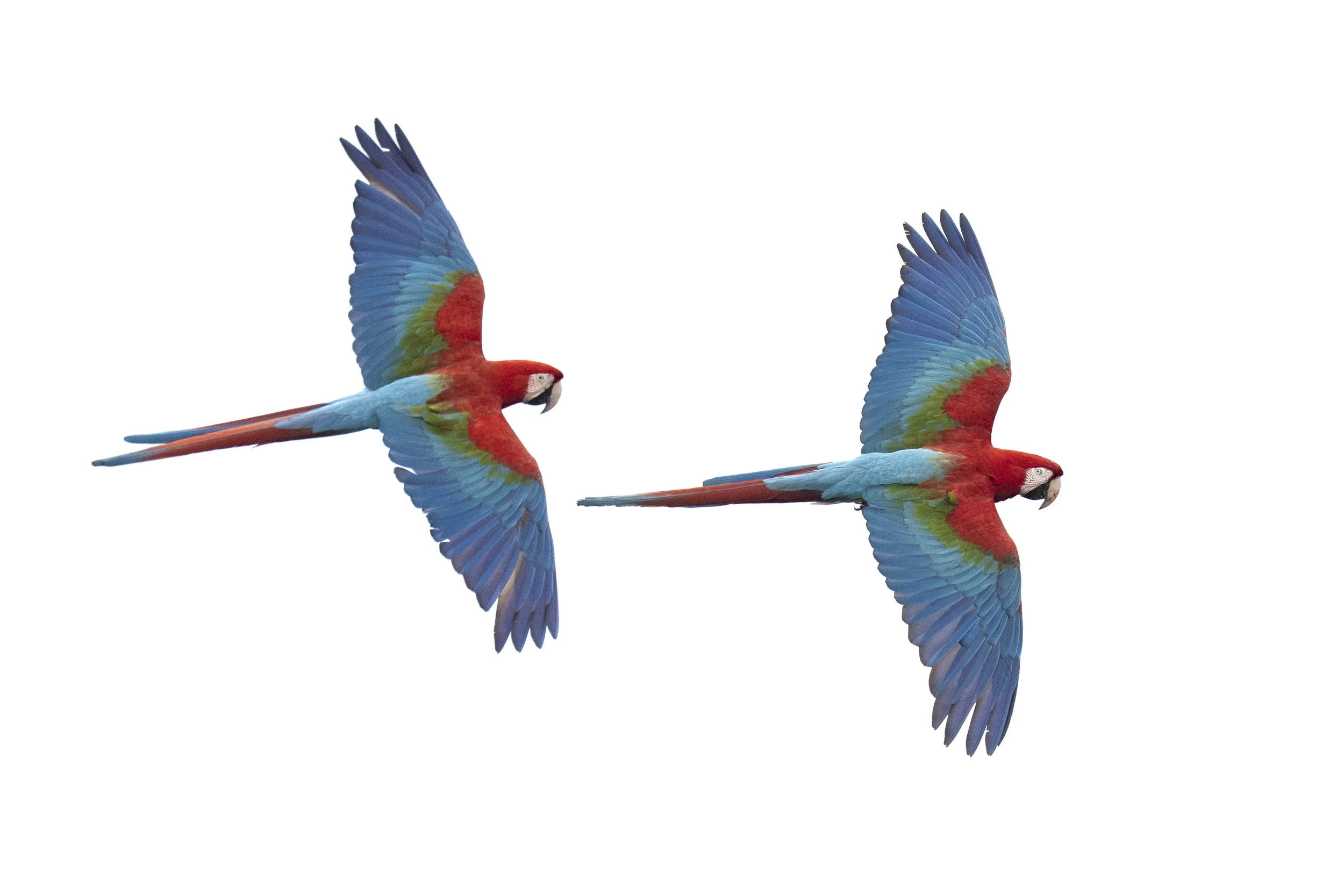
In the morning, we drive approximately 3 hours (around 250 km) to the Bonito region. Our first stop is lunch, followed by a visit to the famous Buraco das Araras, a sandstone sinkhole that serves as a spectacular backdrop for photographing Red-and-Green Macaws in flight and at eye-level. Other species for the day we’ll look to photograph are lineated woodpecker, blue-and-yellow macaw, Amazonian motmot, and peach-fronted parakeet. Later, we continue to our lodge in Bonito for dinner and an overnight stay.
Day 5: Bonito to Porto Jofre
After a morning revisit to Buraco das Araras for additional photography, we avoid a 10-hour rugged drive by taking a private charter flight to Porto Jofre, situated at the terminus of the Transpantaneira Park Road along the Cuiabá River. After settling into our home for the next few days, we’ll embark on our first boat safari to search for the famous jaguars of the Pantanal and the plethora of wildlife that make this dynamic environment their home.
Days 6–9: Jaguar Safaris in Porto Jofre
Over the next four days, we’ll explore the waterways of the northern Pantanal. Our primary focus will be photographing jaguars in their natural habitat, along with the other river wildlife including giant river otter, neotropical otter, tapir, capybara, anaconda, dozens of bird species, and more!
Day 10: Porto Jofre to Cunhataí Porã Ecological Reserve
After breakfast, we board our private charter flight to the Mato Grasso savannah, heading to the Cunhataí Porã Reserve in the Amazon. Created with conservation and harmony with nature in mind, the reserve is home to thousands of exotic birds, mammals, insects, and plants - a biodiversity wonderland! Tapir, collared peccary, king vulture,
Days 11-13: Cuiabá to Cunhataí Porã Ecological Reserve
These days are dedicated to exploring the more than 6,000 acres of the reserve, with a truly unparalleled opportunity experience the breathtaking biodiversity of the region. An impressive array of species call the Amazon biome their home, drawing enthusiasts from all over the world to enjoy the vibrant colors and calls of rare species. Trails like the one crossing Rio Claro lead us through areas of extraordinary biodiversity, offering close encounters with iconic Pantanal wildlife.
Day 14: Departure from Cuiabá
After our farewell breakfast, we again board a private charter flight to Cuiabá for our onward flights, carrying with us memories and images of Brazil’s unparalleled natural beauty.
We do our best to adhere as closely as possible to the planned itinerary, but it is subject to change due to requirements from our vendors and travel partners, force majeure, safety, and other unforeseen circumstances.FAQs
-
Once you’ve let us know that you are ready to book, we’ll send you our registration paperwork along with an invoice for your deposit. When the paperwork is complete and the deposit has been paid, you are officially registered!
While you’re waiting for your departure time to arrive, you’ll receive our Untamed Brazil Workshop Guide, which goes over a more detailed itinerary, gear recommendations, clothing recommendations, and has a packing list.
About three months before your departure, we’ll have a group Zoom meeting. You’ll have a chance to meet everyone traveling with you, and we’ll go over logistics and make sure everyone has all of their questions answered, as well.
-
There are several reasons we recommend visiting the region during the dry season, which runs from June through October each year. These are winter months in Brazil, so the weather tends to be cooler in temperature and we very rarely see inclement weather during that time. The dry season also means the flooded waterways begin to recede and the vegetation dries out a bit, making it easier for jaguars to hunt their preferred prey - the caiman - and for us to see them in action.
-
Overall, our itinerary is fairly easy in nature, with much of our time spent in boats, 4x4 vehicles, and land transportation. However, there are some places where we will do some walking up to two miles round-trip over some mostly flat, dry, and uneven terrain. Participants should be able to walk up to a mile at a time, while carrying their own gear and supplies (water, snack, etc) on their own in hot weather.
The days are active and start early in the morning and this time of year temperatures can get as hot as 100°F. In addition, Brazil can be humid, and combined with the hot temperatures can make the day feel a little bit longer and more arduous.
This trip is rated as Easy-to-Moderate for these reasons.
-
Like many other outdoor photography trips, it’s helpful to have some layers and prepare for fluctuating temperatures. The mornings and late evenings can be a little bit cool, but once the sun comes up, temperatures swiftly climb. We recommend wearing lightweight and quick-drying clothing including long pants and long-sleeve shirts. You’ll also want a light jacket and closed-toe trail shoes or hiking boots/shoes.
Our Untamed Brazil Workshop Guide, which you receive after registering for this trip, goes into detail with clothing recommendations and considerations.
-
Gaining the best access to the wildlife of Brazil means staying in remote places. Rooms at our lodges are relatively simple, but they all have air conditioning, screened windows, and usually have ceiling fans, as well.
Meals at the lodges primarily serve Brazilian cuisine, which varies greatly by region. It’s a blend of the many cultural influences of the country, a sort of fusion of indigenous, African, and European foods. Many of the meals feature rice and beans, vegetables, fresh fruits, variety of meats and fish.
-
he official currency of Brazil is the Brazilian Real (ree-al). You can easily access currency exchanges by using an ATM or visiting one of the casa de cambios that are in the airport and city areas. Credit cards are widely accepted at restaurants, gift shops, though using a Visa or Mastercard is typically preferred, and many places do not accept Amex.
Some of the smaller vendors and shops only accept cash, so we recommend having some money on hand. This is also helpful for gratuities for our naturalist guides, who do not have an easy way to exchange U.S. Dollars and do not have access to popular apps like Venmo, Paypal, or Cash App.
-
Because the areas that offer the best opportunity for photography are remote and wild, we require medical evacuation insurance. Your chosen independent insurance plan should include at least $250,000 in medical evacuation coverage.
We also strongly recommend general travel insurance, though this coverage is optional. Please feel free to reach out with additional questions. -
We understand that cancelling a long-anticipated trip is disappointing. But we, too, plan far ahead before each departure and continuously send non-refundable payments to hotels, other suppliers, and travel partners. Therefore, we must strictly adhere to the cancellation and refund policy. We strongly suggest that you purchase travel insurance in the event that your travel plans change or you need to cancel your trip. The following are the terms of our cancellation and trip change policy:
Cancellation & Refund Policy:
• Deposits are non-refundable after a 10-day grace period.
• If you cancel within the grace period, we will refund your deposit to the original form of payment, minus a $250 administrative fee and any payment processing fees incurred.
• After the grace period, no refunds will be issued unless we can fill your spot. If we can fill your spot, we will issue a refund minus a $250 administrative fee and any payment processing fees incurred.
Final Payment Deadlines:
• U.S.-based workshops: Final balance is due 90 days before the start date.
• International workshops: Final balance is due 120 days before the start date.
By booking, you acknowledge and accept these terms. If you have any questions, we’re happy to help clarify.